Verifying Visual Truth: A Practical Framework for Image Forensics and Authentication
Visual evidence is no longer self-evidently trustworthy: synthetic media and deepfakes now cast doubt on images used in reporting, courtrooms, and social platforms. Tools for image forensics and authentication—spanning deepfake detection, content provenance, tamper detection, and adversarial robustness—provide the means to check authenticity and safeguard digital truth. The sections below review the technologies, standards, and strategies that make up this defensive toolkit.
Detecting Deepfakes and Synthetic Images: The First Line of Defense
Spotting AI-generated imagery is the initial safeguard against visual misinformation. Machine-learning models, especially those trained on outputs from generative adversarial networks (GANs), look for telltale artifacts—mismatched lighting, unnatural textures, and anomalies in the frequency domain—to separate genuine images from fabricated ones. Studies report detection accuracy above 95% on known datasets, yet the difficulty persists as generative models advance.
In one 2024 case, a deepfake video of a US political candidate was flagged by detection tools that caught irregular eye blinking and audio-visual desynchronization. Still, generation and detection remain locked in an arms race: newer models, such as diffusion-based generators, leave fewer artifacts, which means models must be updated continually and combined into ensembles.
Content Provenance and C2PA Standards: Constructing a Chain of Trust

The Coalition for Content Provenance and Authenticity (C2PA) standard provides a strong framework for establishing verifiable provenance of digital content. It works by attaching cryptographically signed metadata at the point of capture—via C2PA-compliant cameras from manufacturers such as Leica and Nikon—and keeping that metadata intact through editing and sharing, creating a tamper-evident chain of trust. Major technology and media companies, including Adobe, Microsoft, and the BBC, have adopted C2PA to counter misinformation.
Implementation reaches from camera hardware to editing software like Adobe Photoshop, which now embeds C2PA manifests. In journalism, C2PA lets newsrooms verify the origin of user-generated content, and social platforms such as Twitter (X) are testing labels for C2PA-verified images. This provenance layer is important for sustaining trust in visual evidence.
Tamper Detection and Metadata Verification: Revealing Hidden Manipulations
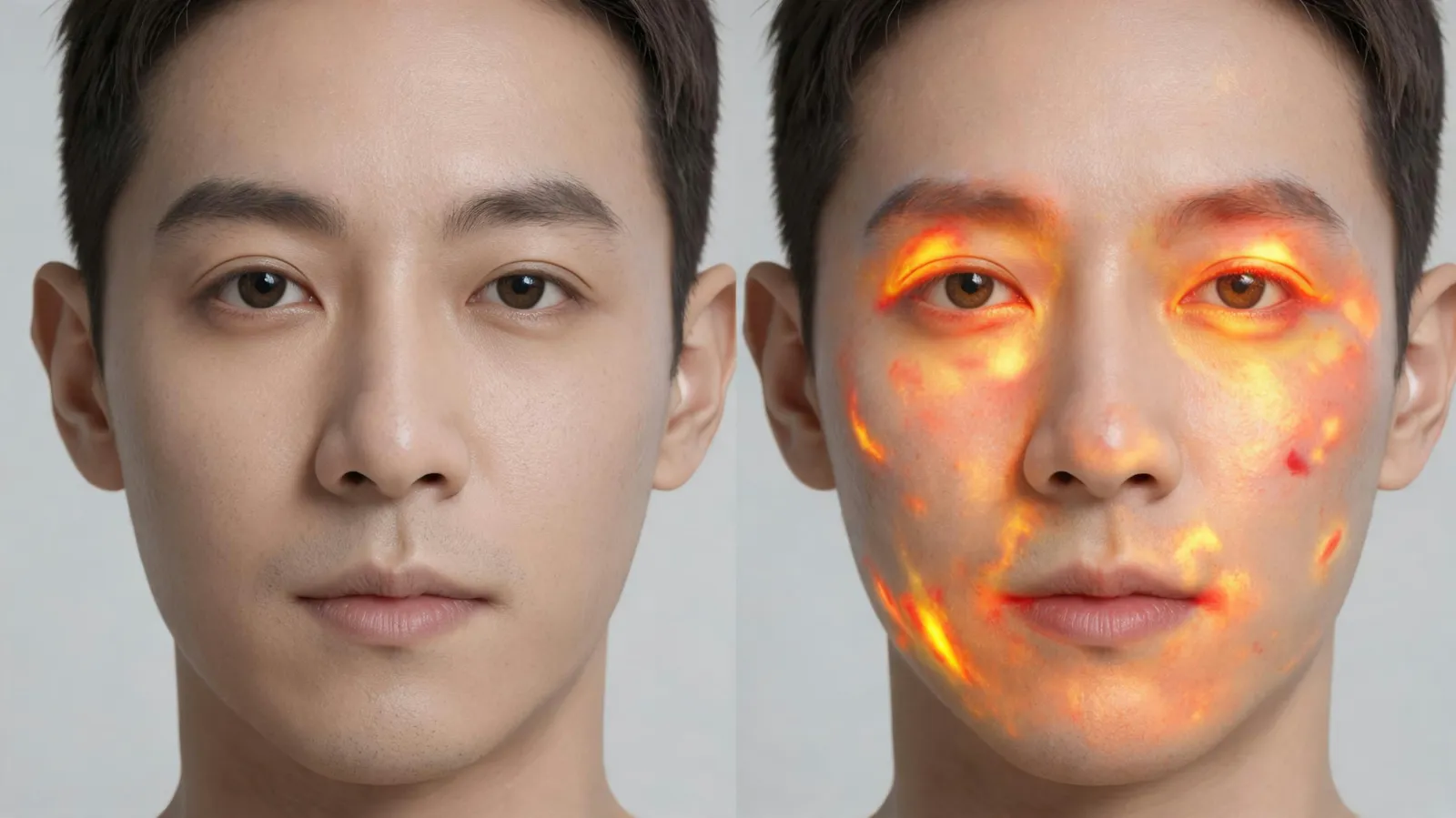
Tamper detection methods examine compression artifacts, noise patterns, and inconsistencies to expose splicing, cloning, or retouching. Tools such as FotoForensics and JPEGsnoop carry out error level analysis (ELA) and quantization table analysis to highlight manipulated regions. For example, a spliced object may show compression levels different from the rest of the image, appearing as brighter areas in ELA.
Metadata verification means checking EXIF, IPTC, and XMP fields for anomalies. A 2023 case study involved a manipulated photo of a US politician: metadata showed a timestamp inconsistent with the claimed event, and GPS coordinates placed the image in a different location. Because metadata can be stripped or altered easily, it should be used together with other forensic methods.
Adversarial Robustness in Image Authentication: Countering Evasion
Adversarial attacks represent a serious threat to image authentication tools. Attackers can introduce imperceptible perturbations to images, leading detection models to misclassify deepfakes as real. A 2024 study showed that adding adversarial noise to a GAN-generated face lowered detection accuracy from 98% to 45%. This vulnerability weakens security and trust in authentication systems.
To strengthen robustness, researchers use adversarial training—exposing models to perturbed examples during training—and ensemble methods that combine multiple detectors. Ongoing benchmarks such as the Deepfake Detection Challenge (DFDC) drive progress, but continuous innovation is needed to keep ahead of attackers.
Conclusion
Image forensics and authentication tools create a multi-layered defense against digital deception. Deepfake detection identifies synthetic media, C2PA provenance establishes a chain of trust, tamper detection uncovers manipulations, and adversarial robustness helps tools resist evasion. Together, these technologies are essential for preserving trust in journalism, legal evidence, and social media. Looking forward, integrating AI, blockchain, and standardized provenance holds promise for a more trustworthy visual ecosystem—one in which seeing can again mean believing.