Condensing Long Meeting Transcripts with Large Language Models
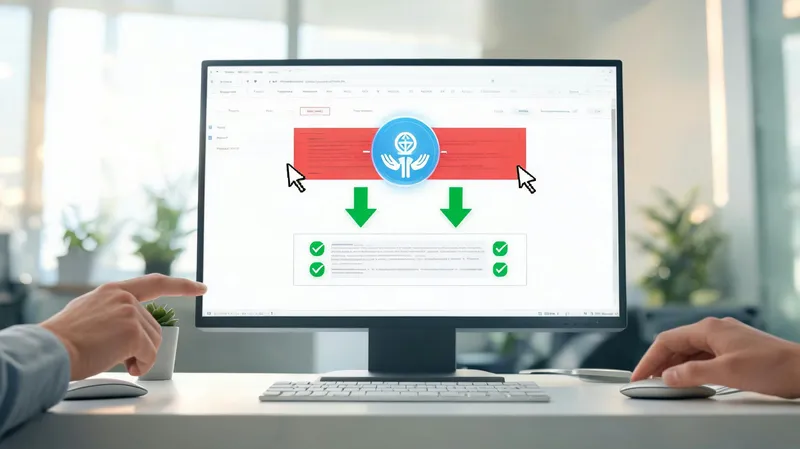
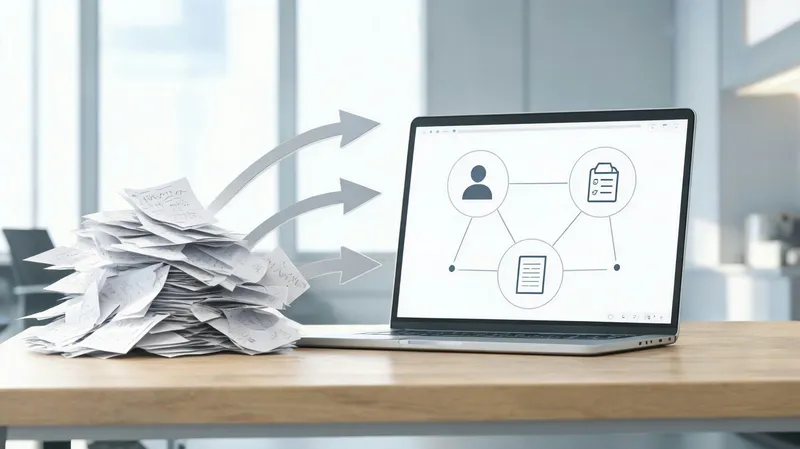
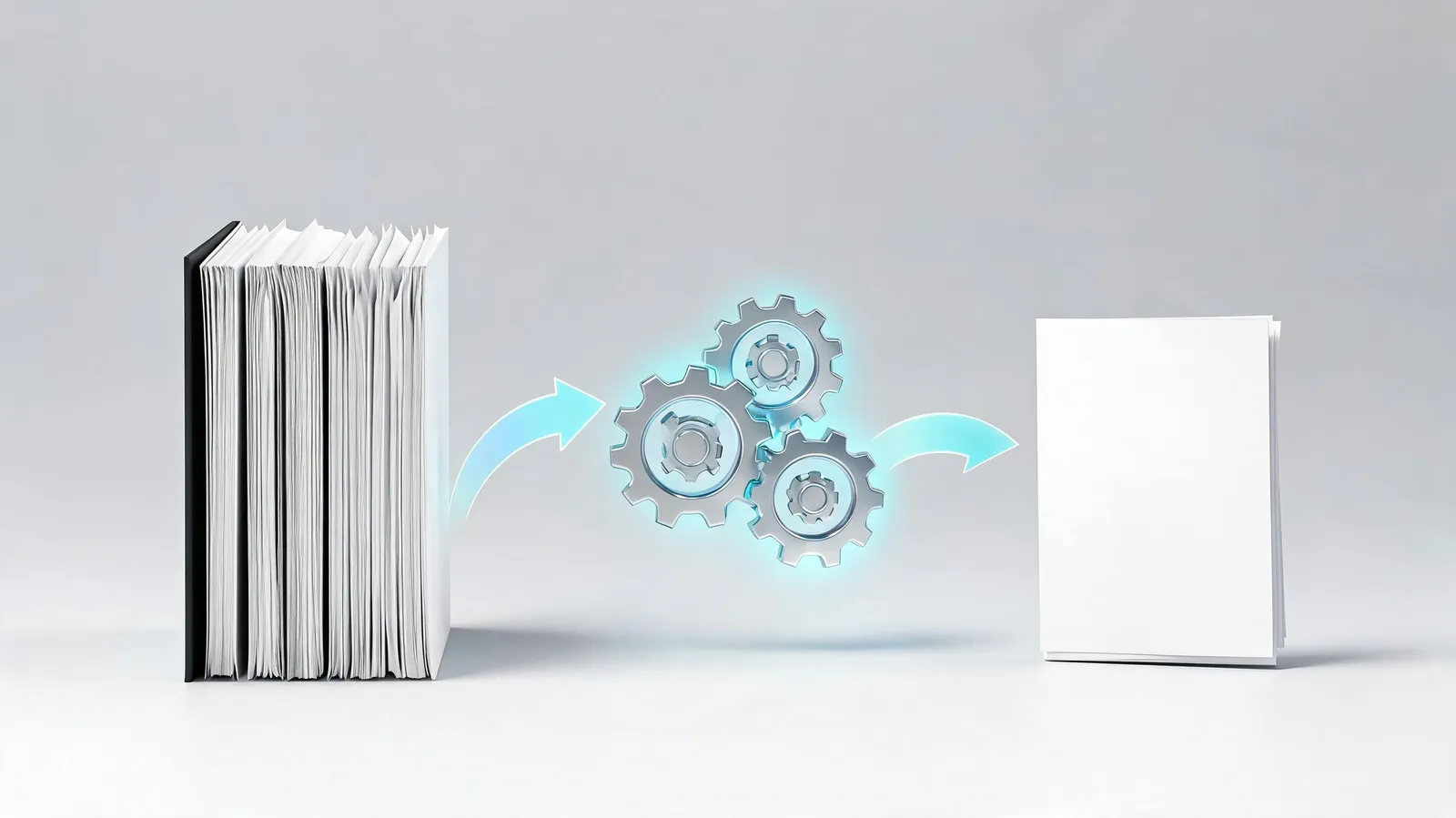
Large language models (LLMs) now offer a way to turn sprawling meeting transcripts into compact, actionable summaries. Traditional note-taking can leave you with pages of unstructured text, but LLMs pinpoint decisions, action items, and main topics to generate summaries that are both accurate and easy to scan. A transcript from a one-hour meeting, for example, might be boiled down to five bullet points that capture the core of the discussion, sparing professionals considerable time and effort.
Users can also tailor the summary format to their needs—choosing an executive overview, a checklist of actions, or a topic-based outline. In a project kickoff, an AI-generated summary could call out milestones, assigned tasks, and deadlines so that everyone on the team stays aligned. According to studies, AI summarization reaches accuracy levels comparable to manual summarization while taking only a fraction of the time, making it a valuable aid for busy professionals.
Linking Related Notes Across Different Applications
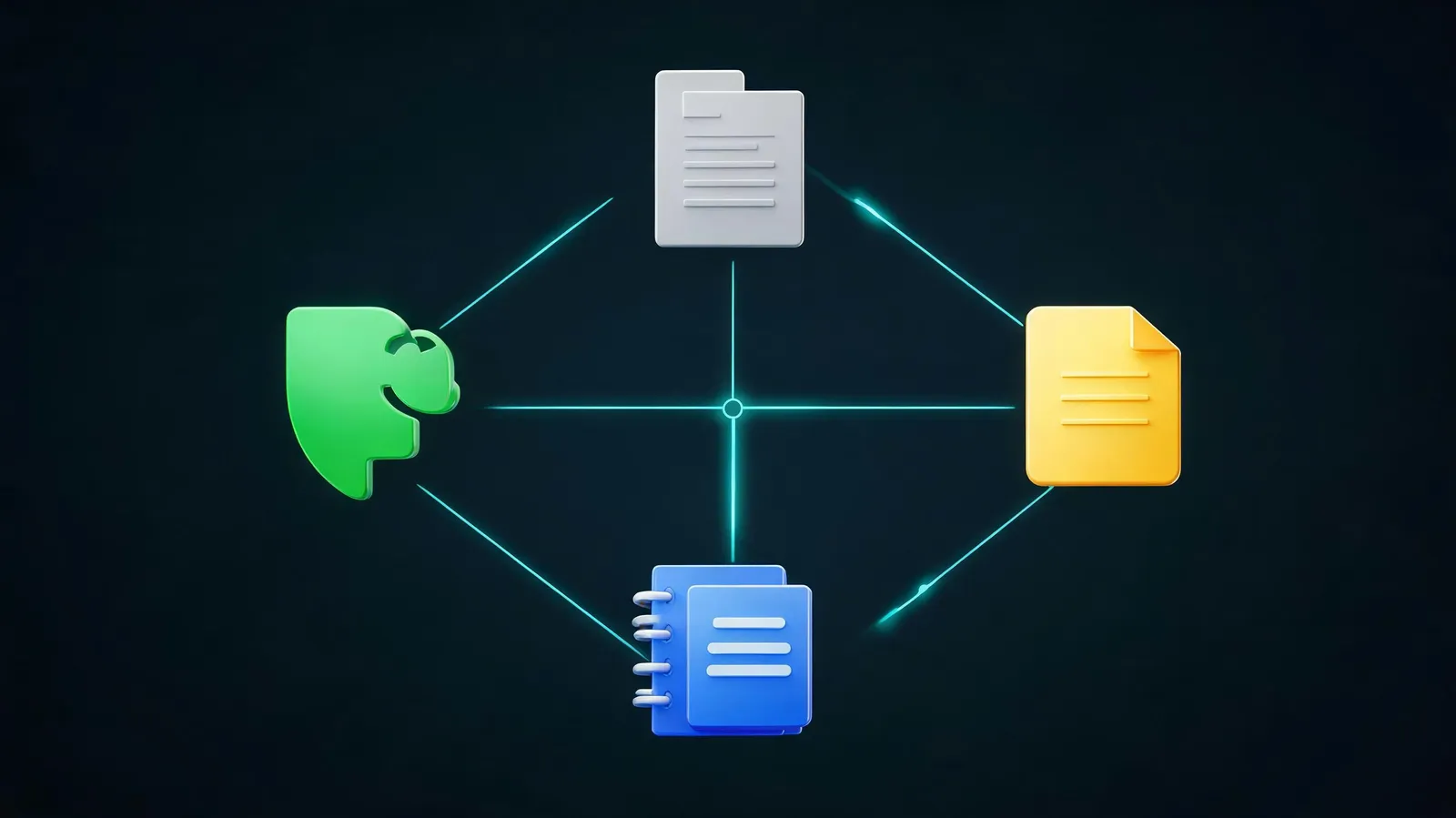
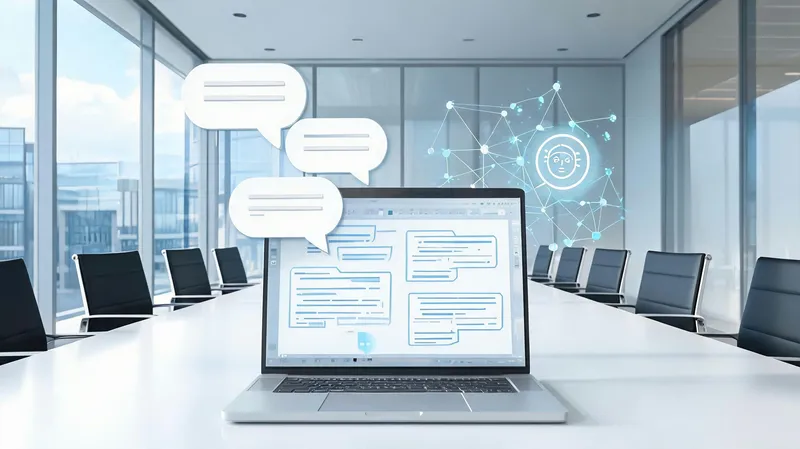
Another significant advance in AI-powered note management is semantic linking. By identifying concepts and entities within notes, AI can automatically connect related information across different applications, forming a unified knowledge graph. A meeting note stored in one app, for instance, can be linked to a project document in another, allowing contextually relevant information to be retrieved seamlessly. This speeds up retrieval and also reveals hidden relationships among disparate pieces of information.
Effective semantic linking depends on integration with widely used note-taking and productivity apps such as Evernote, Notion, and Obsidian. In one case study, a team using semantic linking saw a 40% reduction in the time spent searching for information because notes from various sources were automatically interconnected. Such cross-app integration lets users keep their existing tools while gaining AI-driven insights.
Distilling Notes in Real Time During Live Conversations
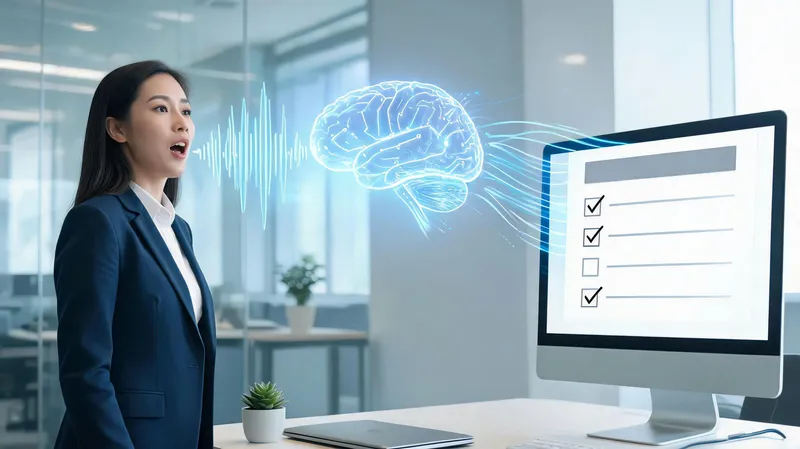
Real-time note distillation pushes AI summarization further by capturing key points as they are spoken in meetings or conversations. Combining speech-to-text with LLMs, AI can transcribe and summarize live discussions, flagging action items and decisions on the spot. During a sales call, for example, AI can extract action items in real time, letting the salesperson stay focused on the conversation while the system records commitments and follow-ups.
Latency benchmarks indicate that modern AI systems can process and summarize speech with minimal delay, so users receive timely updates. User testimonials underscore the value of real-time alerts for action items, which help prevent important tasks from being overlooked. This real-time capability turns passive note-taking into active knowledge management, helping professionals stay organized and responsive.
Conclusion
AI-driven note summarization and semantic linking are changing how professionals handle information. By automatically summarizing long meeting notes, connecting related notes across apps, and distilling key points in real time, AI transforms chaotic notes into a structured, searchable knowledge base. This shift from passive note-taking to active knowledge management improves productivity and decision-making. As AI continues to evolve, we can expect proactive surfacing of relevant notes and predictive information needs, further streamlining knowledge work.