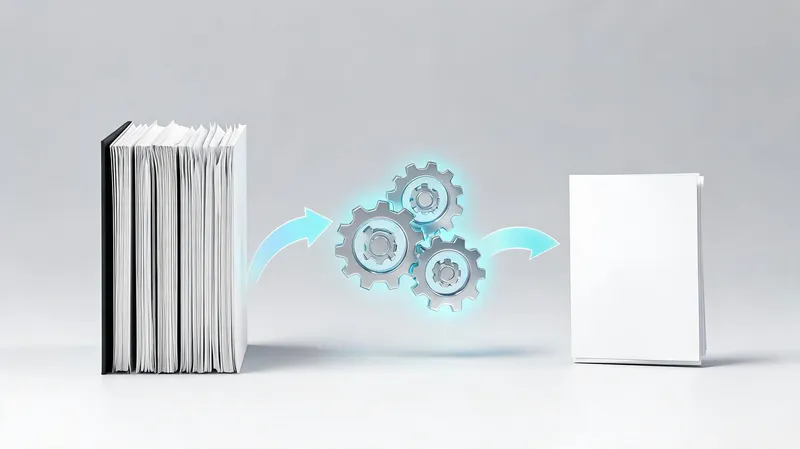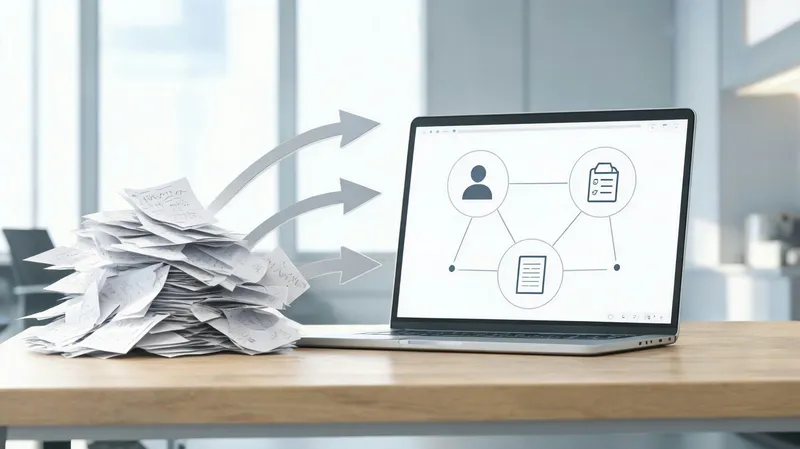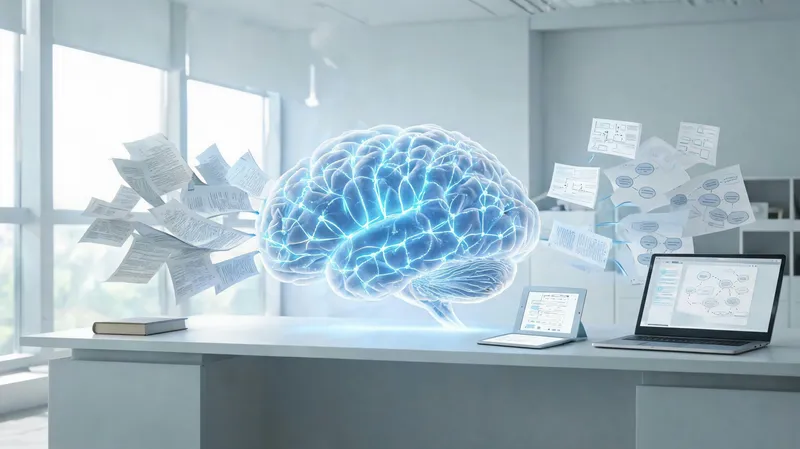
Efficiently capturing, organizing, and retrieving information has become a core requirement in fast-moving workplaces. Automated note-taking is changing how knowledge workers handle routine tasks and is producing notable productivity gains. By handling transcription and summarization, these tools cut the manual work of documenting meetings and discussions. Research points to a 30% drop in time spent on administrative duties, and companies such as TechCorp have reported savings of up to 10 hours per employee each week. The result is more time for high-value work that supports business growth.
Intelligent search and knowledge graphs also make information available almost instantly. Where finding a specific detail might once have taken up to 20 minutes, AI-driven systems can surface the relevant material in less than a minute. Decision-making speeds up, and important knowledge stays within easy reach. A marketing team, for example, can pull up insights from earlier campaigns quickly, which cuts duplicated effort and improves strategic results.
AI Notes in Remote and Hybrid Team Collaboration

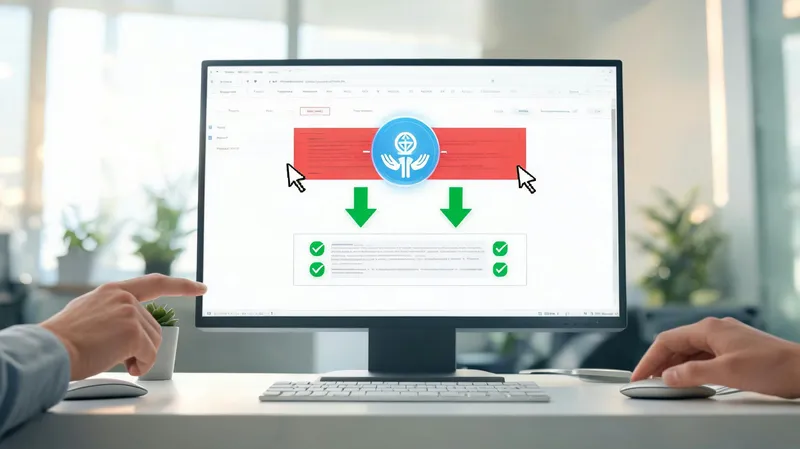
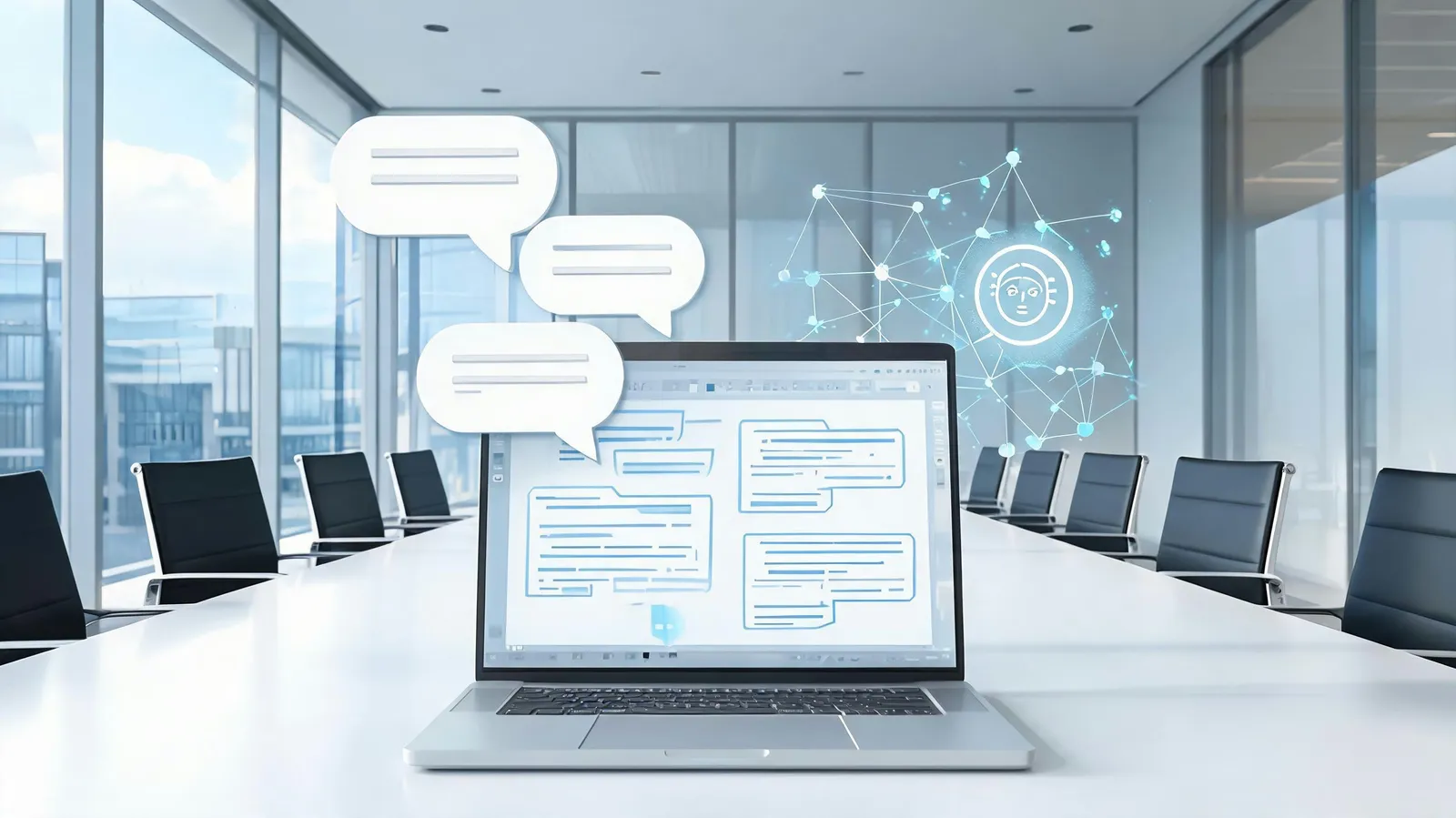
Maintaining shared understanding is a particular challenge for remote and hybrid teams. AI notes help close that gap through real-time transcription and translation, lowering language barriers and keeping team members aligned. A global team spread across New York, London, and Tokyo can hold meetings in several languages while AI notes translate as the conversation happens and capture action items accurately. Meeting inclusivity improves, and language differences are less likely to leave anyone out.
Automated extraction and assignment of action items also make follow-ups smoother. AI notes can spot tasks and route them to the right team members, which reduces missed deadlines and strengthens accountability. One case study of a remote software development team found a 25% rise in project completion after the team adopted AI note automation. Action items could be tracked continuously, so each person knew their responsibilities and deadlines.
Ethical Considerations of AI Monitoring in Workplace Notes
Productivity benefits aside, AI notes raise serious ethical questions about privacy and surveillance. Employees may be uneasy about AI monitoring their conversations and note-taking. Survey data indicates that a significant share of employees have privacy concerns, and regulations such as GDPR set strict requirements for data collection and consent. Organizations need to weigh productivity gains against employee privacy by adopting transparent policies and securing informed consent.
Sound practice for transparent AI note policies starts with clear communication about which data is collected, how it is used, and who can access it. Anonymization and data retention rules should also be in place to protect employee privacy. Some organizations, for instance, use AI notes only for meeting summaries and delete raw transcripts after a set period. Putting transparency and consent first helps businesses build trust and adopt AI responsibly.
Conclusion
AI-powered note automation is changing the workplace by improving individual productivity and team collaboration, especially in remote and hybrid arrangements. Looking ahead, connecting AI notes with other productivity tools is likely to streamline workflows further and open up new efficiencies. Ethical guidelines will still be needed to support responsible adoption, safeguarding employee privacy while making the most of AI. A balanced approach to AI notes can help organizations redefine productivity and collaboration for the future of work.