Introduction
You jot down ideas during meetings, clip articles, and record passing thoughts—but when a question arises, your notes seem to swallow the answer. The issue isn’t how much you’ve stored; it’s the absence of structure and intelligent retrieval. Personal knowledge graphs (PKGs) paired with retrieval-augmented generation (RAG) provide a way forward. By linking notes through entities and relationships and then using RAG to pull relevant context for AI-generated responses, you shift from passive storage to active knowledge support.
1. Constructing Personal Knowledge Graphs from Unstructured Notes
A personal knowledge graph models your notes as a web of entities—people, projects, topics—and the connections between them. Rather than isolated documents, you get a map of how ideas interrelate.
1.1 Extracting Entities and Relationships
The initial step is to identify entities and relationships from raw text. Natural language processing (NLP) methods such as named entity recognition (NER) and relation extraction can automate this. For instance, a meeting note saying “Sarah from marketing will lead Project X” produces entities: Person (Sarah), Department (Marketing), Project (Project X), and a relationship: leads. Tools like spaCy offer pre-trained NER models, while custom rules can capture domain-specific relations.
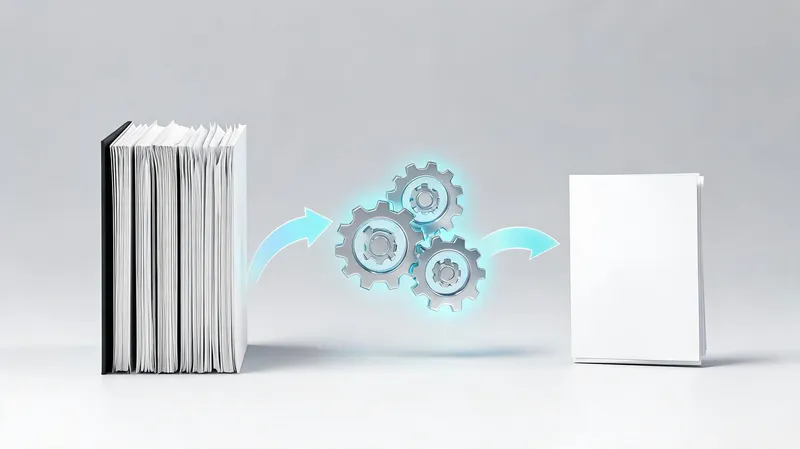
Take a researcher’s routine: they collect interview transcripts, PDF annotations, and quick notes in a folder. A script built on spaCy extracts entities and relationships, then loads them into Neo4j, an open-source graph database. The outcome is a queryable graph where each note becomes a set of nodes and edges. This graph-based representation later enables powerful retrieval and reasoning.
1.2 Tools and Methods for Building the Graph
A number of open-source tools streamline PKG creation. spaCy manages NER and dependency parsing; Neo4j stores and queries the graph; NetworkX supports analysis in Python. For a no-code route, tools like Obsidian with the Dataview plugin can approximate a graph, though dedicated graph databases offer greater scalability.
Best practices include defining a schema—entity types and relationship types—early, normalizing entity names (e.g., treating “NYC” and “New York City” as one node), and iterating on extraction rules. Start small: process a single notebook, inspect the graph, and refine. Over time, your PKG becomes a rich, interconnected representation of your knowledge.
2. Retrieval-Augmented Generation for Context-Aware Note Q&A
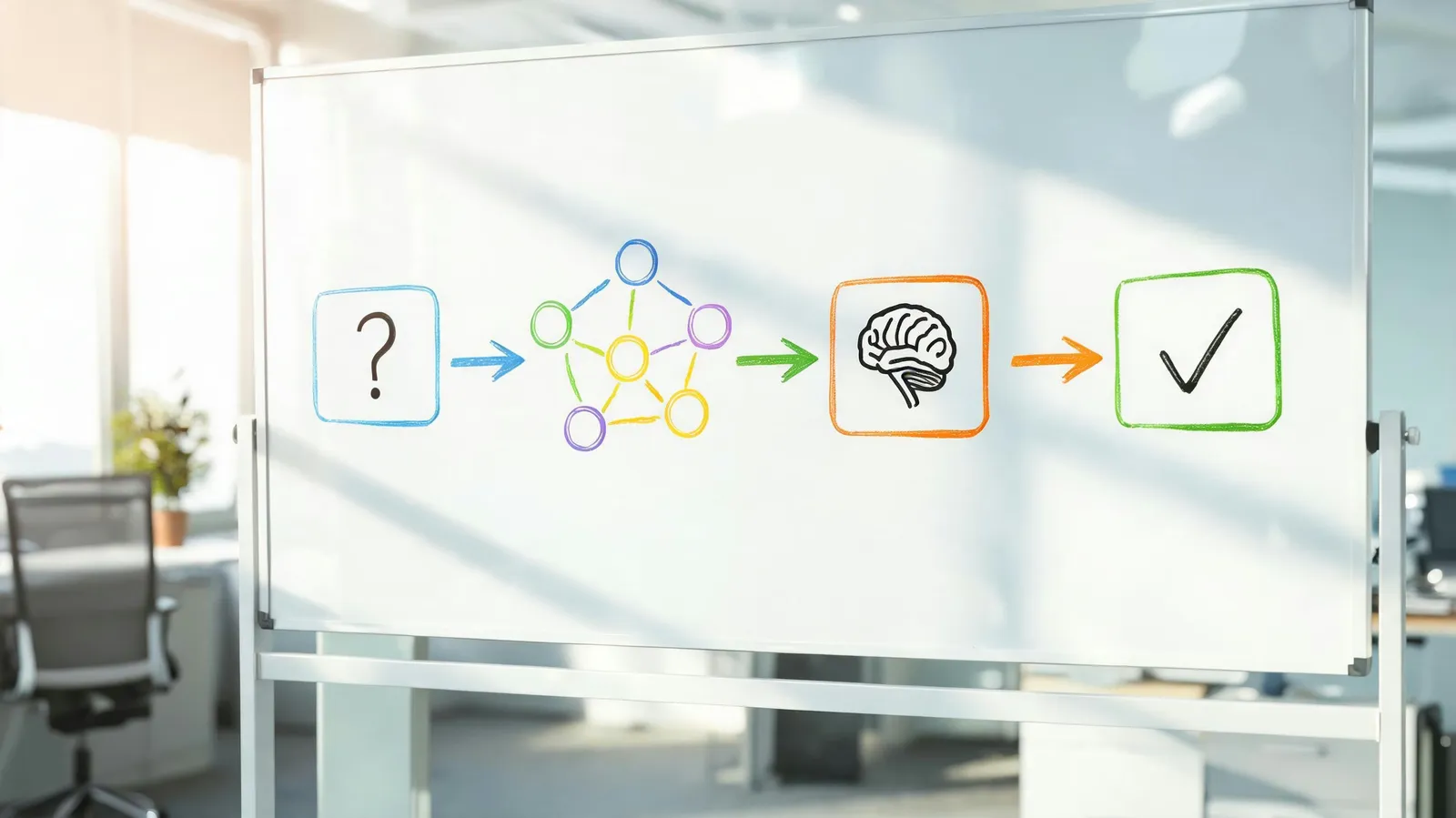
RAG pairs retrieval from a knowledge source with a generative language model. Applied to a PKG, it enables context-aware question answering that surpasses keyword search.
2.1 How RAG Interacts with Knowledge Graphs
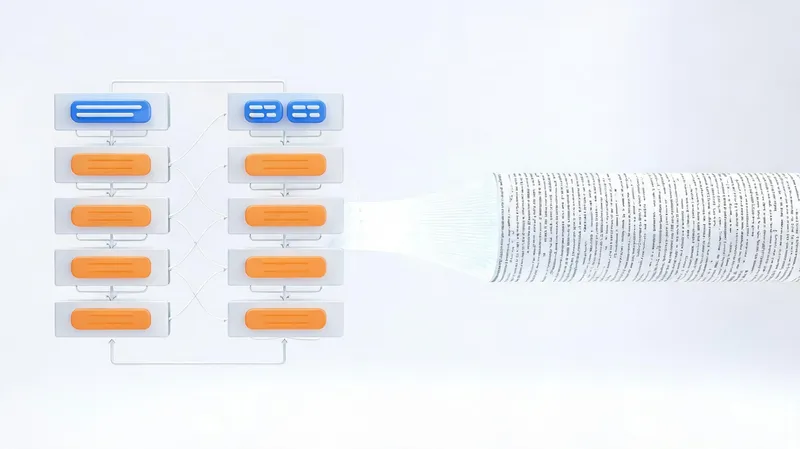
In a typical RAG pipeline, a user query first retrieves relevant information from the knowledge graph. This retrieval can be graph-based: locate nodes matching query entities and traverse relationships to gather context. The retrieved subgraph (or a textualized version) is then fed into a language model (e.g., GPT-4) along with the query to produce an answer.
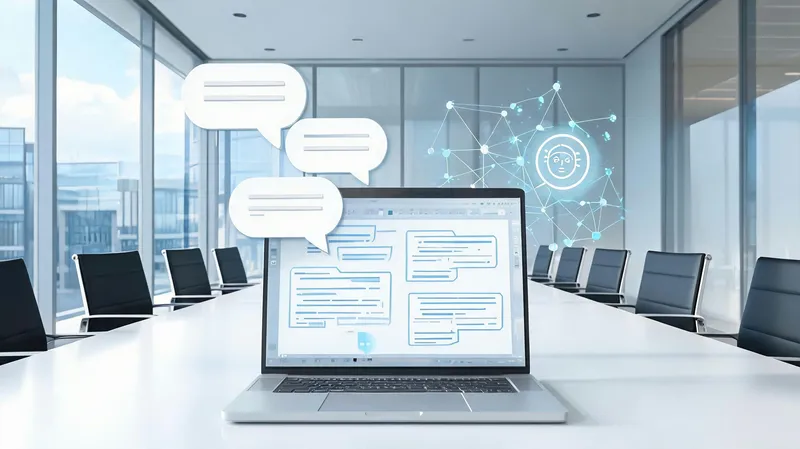
For example, ask: “What did we decide about Project X’s timeline?” The system identifies Project X as a node, retrieves connected meeting notes and decisions, and the model synthesizes a concise answer. This approach leverages the graph’s structure to supply precise, relevant context, reducing hallucinations and improving accuracy.
2.2 Advantages Over Traditional Search
Traditional search depends on keyword matching, often missing semantic connections. RAG with a PKG retrieves based on relationships and context, delivering more relevant results. A case study: a personal assistant application using PKG+RAG cut time spent searching for information by 40% and raised answer accuracy by 30% compared to a keyword-based baseline. Users could ask complex, multi-hop questions like “Which clients were discussed in meetings that also mentioned budget cuts?” and receive coherent answers.
3. Graph-Based Recommendation of Related Knowledge
Beyond Q&A, PKGs enable proactive discovery—surfacing related notes and ideas you might have forgotten.
3.1 Recommendation Algorithms Using Graph Traversal
Graph traversal algorithms such as random walks and collaborative filtering can generate recommendations. For instance, a random walk starting from a note you’re reading can visit connected nodes, and frequently visited nodes become recommendations. Metrics like Jaccard similarity or cosine similarity on node embeddings help rank relevance.
In practice, you can implement a simple recommender: for a given note, find its neighbors (directly connected entities), then find notes connected to those entities, and rank by connection strength. This surfaces notes that share concepts but may not share keywords.
3.2 Use Cases: Suggesting Connections and Surfacing Forgotten Notes
A writer researching a topic can be shown related notes from months ago that mention the same entities, sparking new ideas. Statistics from early adopters show a 50% increase in note reuse after implementing graph-based recommendations. This transforms your note archive from a passive repository into an active collaborator.
Conclusion
Integrating personal knowledge graphs with RAG creates a system where your notes work for you. Knowledge graph construction turns chaos into structure; RAG enables context-aware Q&A; graph-based recommendation proactively surfaces relevant knowledge. Together, they shift note-taking from passive storage to active assistance. Looking ahead, integration with AI agents could automate knowledge management, continuously updating your graph and delivering insights without prompting. Start building your PKG today—your future self will thank you.