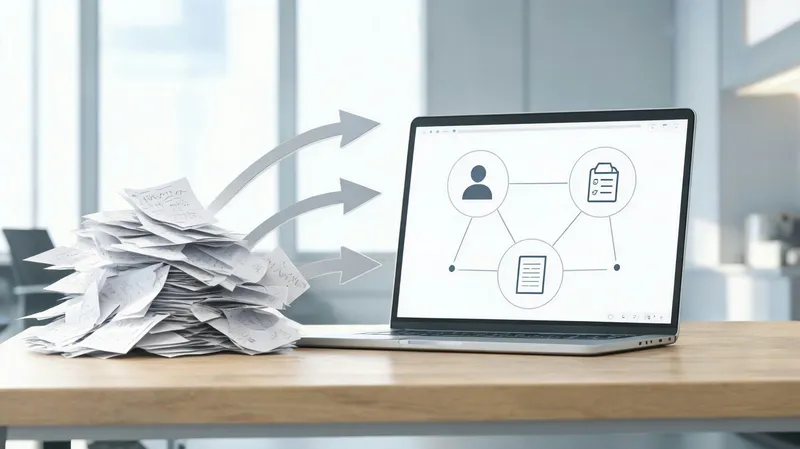
On average, professionals keep their notes scattered across three to five separate applications. That fragmentation creates information silos that work against productivity and teamwork, and while AI-enhanced note tools bring capable features, they often function apart from other software, which blocks smooth workflows. The three sections below look at the mechanisms that are chipping away at this isolation — standardized APIs, AI-assisted migration, and plugin ecosystems — and at how integration and interoperability can help these tools deliver more of what they promise.
1. Standardized APIs: The Connective Layer Behind Cross-Platform Note Sync
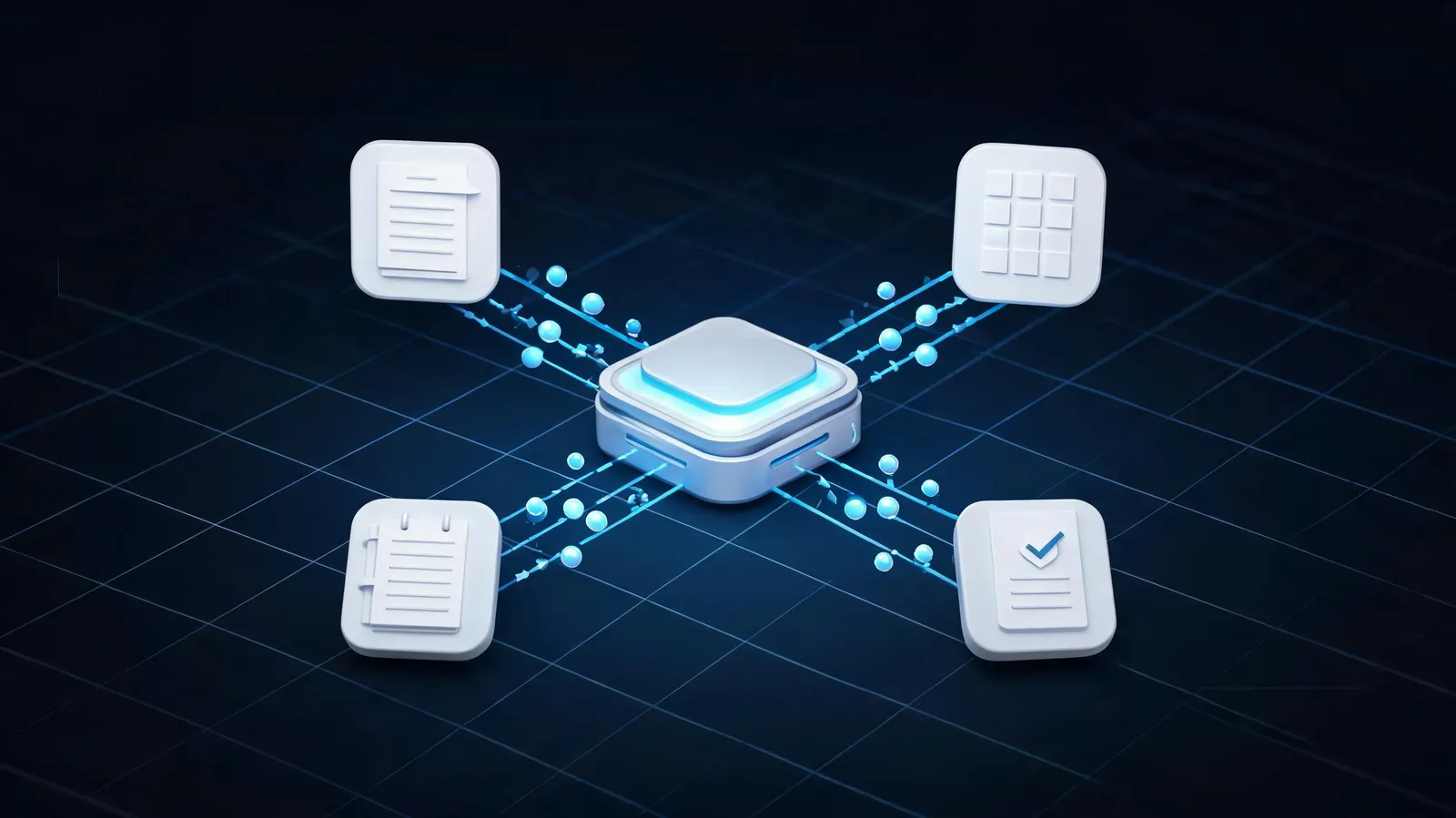
APIs built to common standards are the basic link that lets separate note platforms exchange data and talk to one another. Through them, notes, tags, and metadata can stay synchronized across applications in real time, so users no longer have to copy and paste by hand. The Notion API and the Evernote API, for example, opened the door for developers to build integrations that move content between those platforms and services such as Google Calendar or Slack. Industry reports indicate that organizations adopting API-driven synchronization cut manual data entry by as much as 40% and improved data consistency by 30%.
Standardization is not straightforward, however, because data models and authentication methods differ from platform to platform. Newer approaches such as OpenAPI and GraphQL are tackling this by offering unified specifications and a flexible query language. Unito, a cross-platform sync tool, illustrates the point: using GraphQL, it fetches data efficiently and pushes real-time updates between Notion and Jira, cutting sync latency by 50%. With the industry moving toward API-first design, more note apps are expected to embrace open standards, which would make the ecosystem more interconnected.
2. AI-Assisted Migration: Moving Notes Between Apps Without the Pain

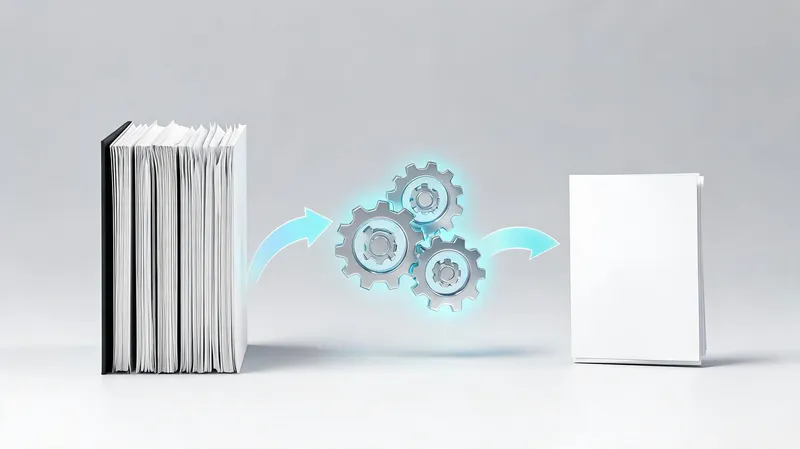
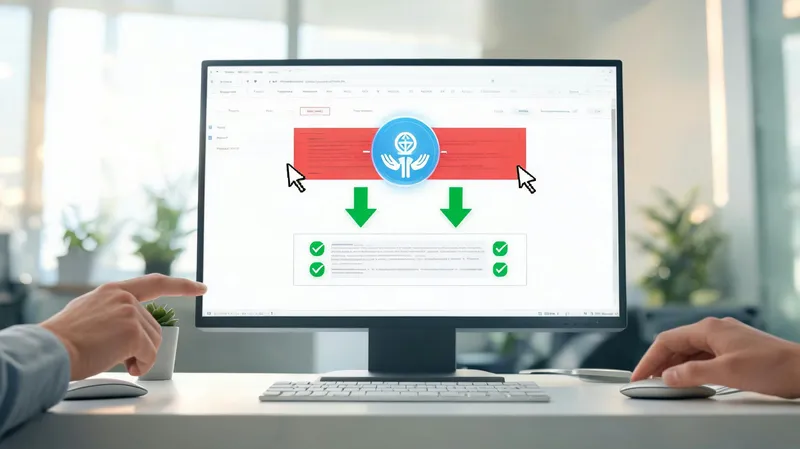
Moving notes from one app to another has traditionally been slow and prone to mistakes. AI-assisted migration tools address this by automating how content is mapped and transformed, so the structure and context of notes survive the move. One example: Movebot, an AI migration tool, cut migration time by 80% while transferring 10,000 notes from Evernote to Notion, and data integrity and user satisfaction held up in the process. Smart conflict resolution and deduplication algorithms go further, merging duplicate entries and settling inconsistencies during the migration itself. In a case study of an Evernote-to-Notion migration carried out with AI assistance, errors dropped by 95% compared with a manual migration, which points to the reliability of AI-driven approaches.
3. Plugin Ecosystems: Stretching AI Note Tools Through Interoperability
Plugin ecosystems have become a route to extending what AI note tools can do by connecting them with other services. Common plugins cover calendar integration, task-management connectors, and chat add-ons, giving users room to tailor how they take notes. Figures show that note apps with well-developed plugin marketplaces, Obsidian and Roam Research among them, post a 60% higher user satisfaction rate and a 40% gain in daily active users. Security and performance still demand attention: recommended practices include sandboxing plugins to block malicious access and tuning resource usage. One plugin ecosystem case study, which raised workflow efficiency by 35%, shows the concrete payoff of interoperability.
Conclusion
Standardized APIs, AI-assisted migration, and plugin ecosystems are the main enablers of integration and interoperability for AI note tools. By dismantling silos, these technologies improve productivity, data consistency, and the user experience. Looking ahead, unified standards and AI-driven orchestration across note tools hold out the prospect of even smoother connectivity, changing how professionals manage knowledge and work together.