Keeping Computation on the Device
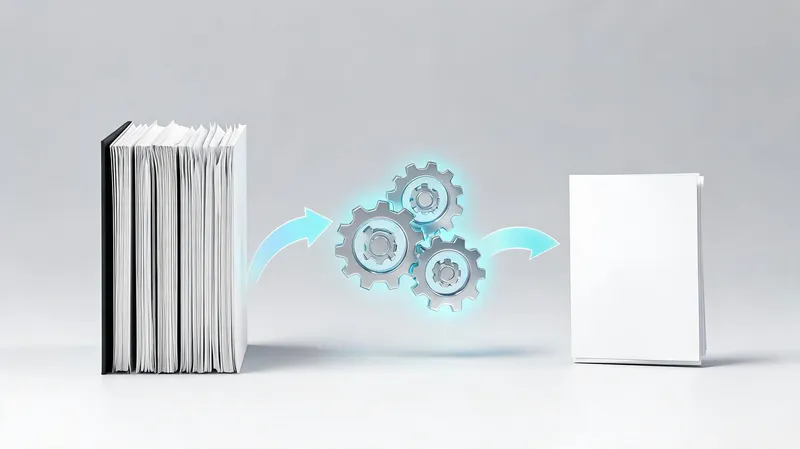
When an AI model runs on the hardware you already own—a phone, tablet, or laptop—your notes, highlights, and annotations are handled without being shipped to a remote server. That local-first approach carries several practical gains: responses arrive faster, less bandwidth is consumed, and, most significantly, no copy of your material travels to a third-party provider, which narrows the surface for leaks and unauthorized access.
Getting large models onto constrained hardware takes deliberate engineering. Quantization and pruning are common ways to shrink a model so it fits a mobile device while retaining usable quality, and toolkits such as TensorFlow Lite and Core ML give developers a path to deploy compact models efficiently. Products such as Obsidian with local AI plugins and Standard Notes with end-to-end encryption illustrate the pattern in practice: indexing and search occur on the device itself, so the knowledge base stays under the user's control.
Encryption and Access Control as the Lock and Key
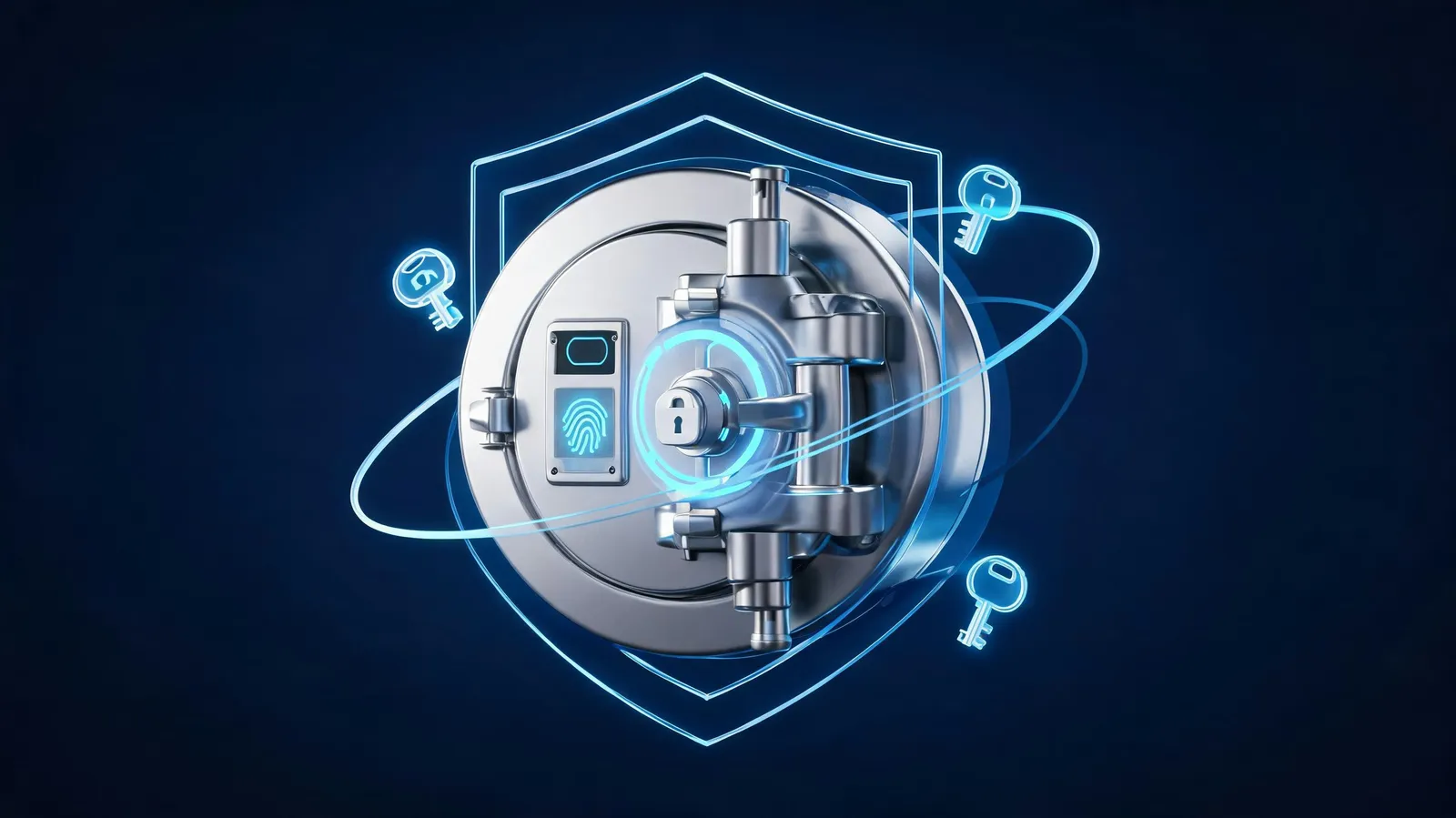
Cryptography is the foundation here. For an AI-indexed knowledge base, end-to-end encryption (E2EE) covers data both at rest and in transit, and AES-256—the widely adopted standard—is the cipher behind many secure note apps. Zero-knowledge architecture goes a step further: the provider holds no ability to read your keys, so a server compromise does not translate into readable data. Apple's iCloud with Advanced Data Protection and Proton Drive are examples of zero-knowledge encryption applied to files.
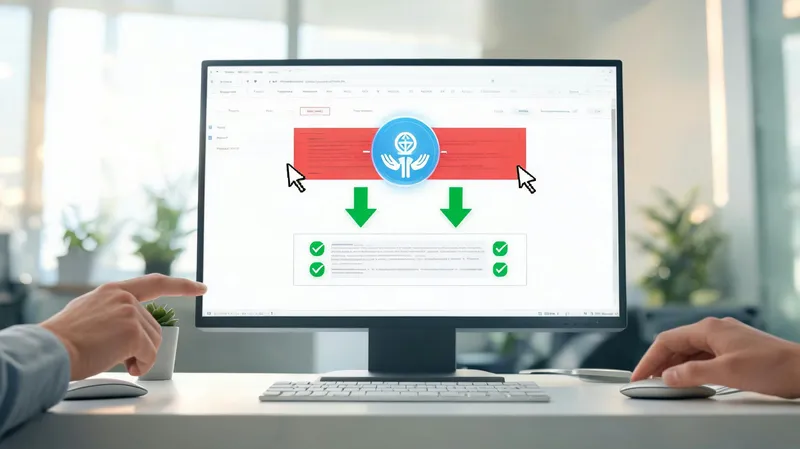
Controlling who can do what matters just as much. Role-based access control (RBAC) lets an owner specify who may view, edit, or share particular notes, while multi-factor authentication (MFA) requires a second proof of identity—for instance, a code from an authenticator app—alongside the password. The Verizon Data Breach Investigations Report for 2023 found that 74% of breaches involve the human element, including weak or stolen credentials, and Microsoft has stated that MFA can block 99% of automated cyberattacks. Sound practice includes strong password rules, periodic review of user permissions, and hardware security keys for accounts at higher risk.
Working Within GDPR, CCPA, and Similar Regimes
Laws such as the EU's General Data Protection Regulation (GDPR) and California's Consumer Privacy Act (CCPA) place firm expectations on how AI tools treat personal information. Under GDPR, the core obligations include data subject rights (access, erasure, portability), a lawful basis for processing, and privacy by design—building protection in from the start. CCPA gives California residents comparable rights, among them the right to know what data is gathered and the right to opt out of its sale.
For an AI note app, a workable compliance program includes collecting only what is needed (data minimization), securing explicit consent before processing, and auditing regularly. A checklist might cover mapping data flows, deploying encryption, appointing a Data Protection Officer where the law requires one, and publishing a transparent privacy policy. The cost of falling short is real: GDPR penalties can reach €20 million or 4% of worldwide annual turnover, whichever is larger. Meta's €1.2 billion fine in 2023 over GDPR violations tied to data transfers is a concrete reminder of why compliance should be proactive rather than reactive.
Bringing the Three Layers Together
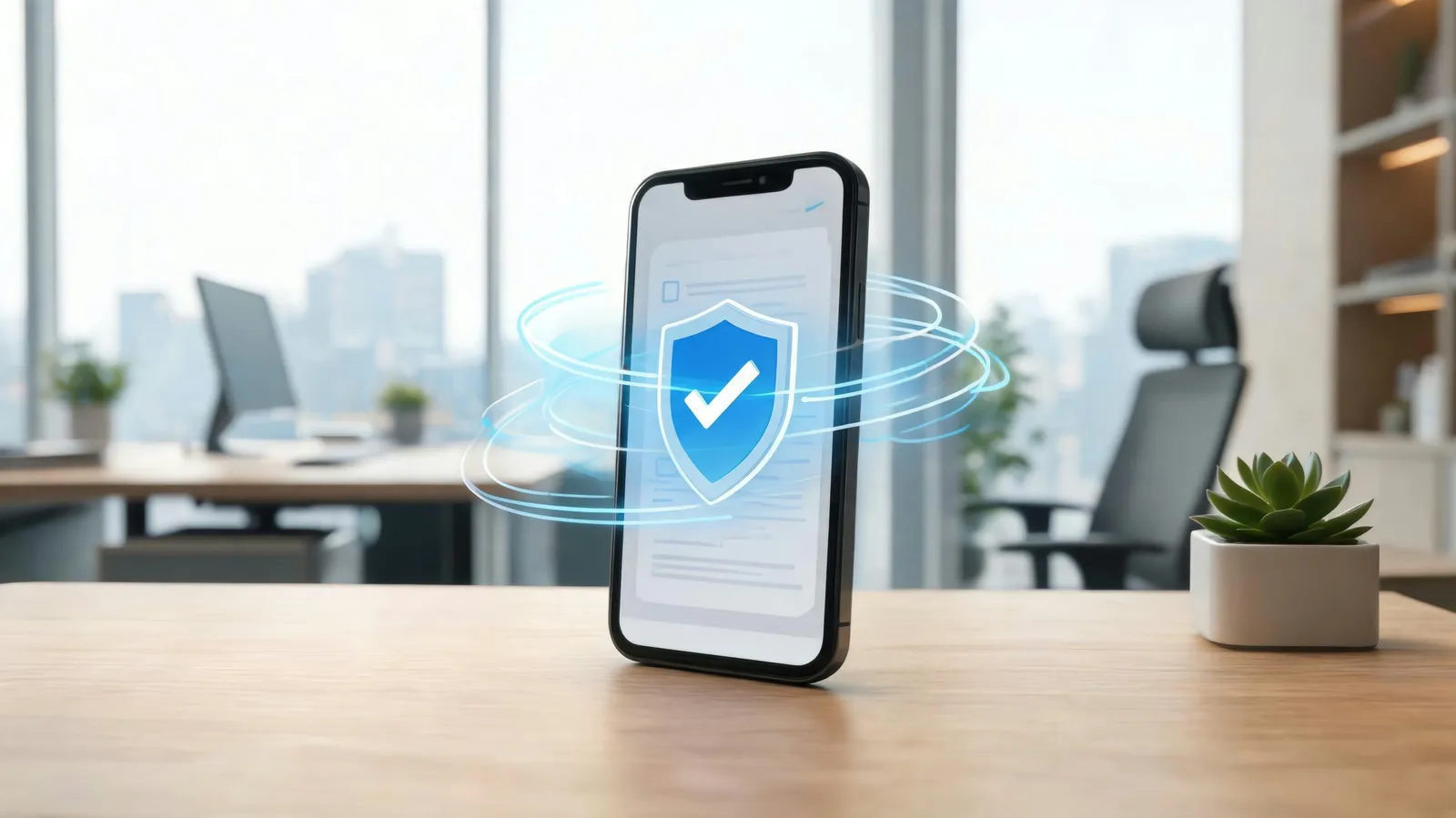
Local processing, encryption, and regulatory compliance reinforce one another: computation on the device limits exposure, encryption keeps stored and synced material unreadable to outsiders, and compliance governs how data is handled in legal and ethical terms. Combined, they let people use AI capabilities while retaining control over private information. In a period when breaches are routine, privacy and security are baseline requirements for AI knowledge tools. Further out, techniques such as homomorphic encryption—which permits computation on data while it remains encrypted—may extend what is possible. As the technology matures, self-regulation and privacy safeguards built into products are likely to become the norm, giving users continued command of their second brain.