Introduction
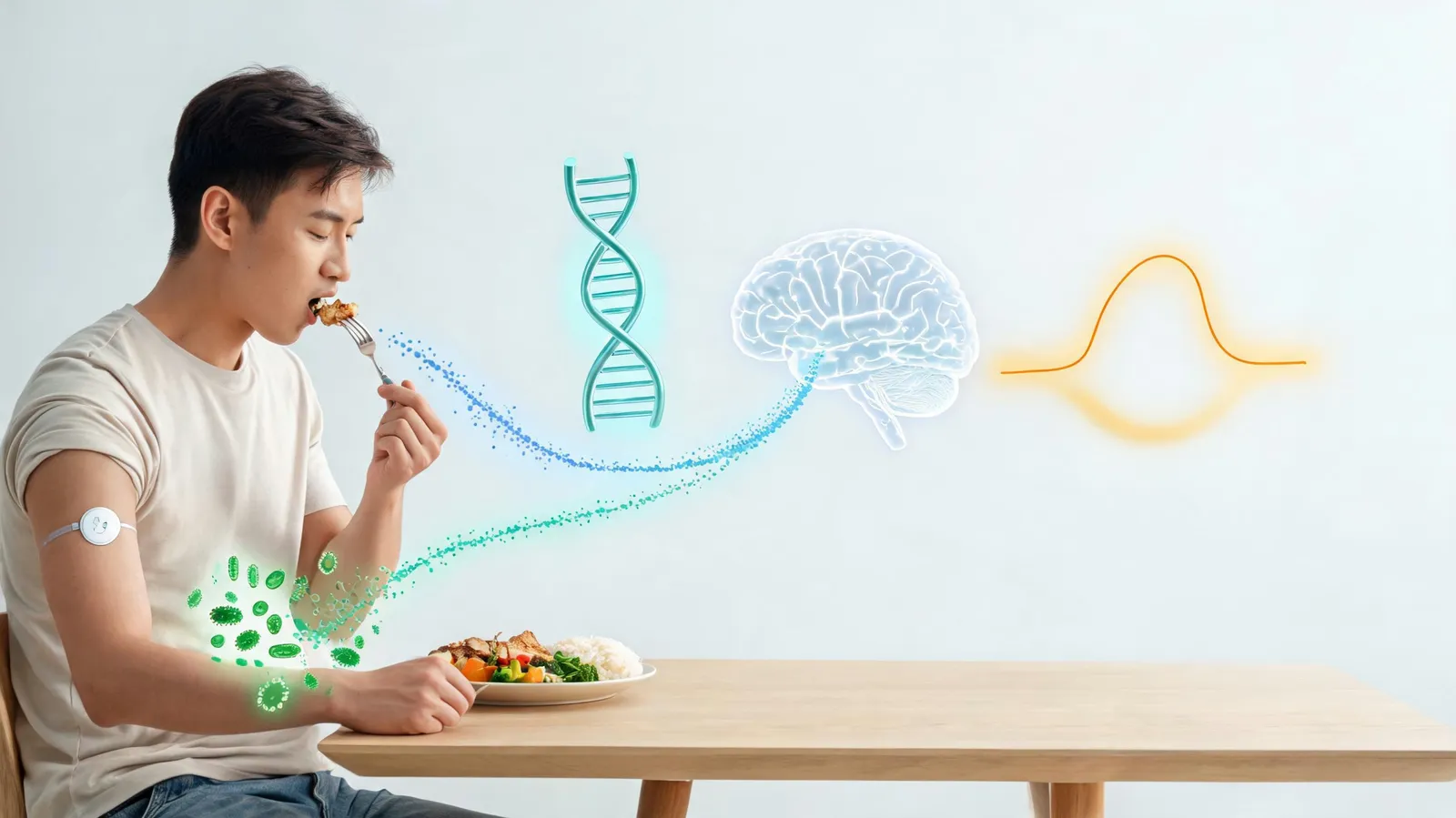
Global dietary guidelines have been in place for decades, yet obesity and type 2 diabetes rates keep rising. This contradiction implies that broad recommendations—such as eat less and move more—do not capture the substantial individual differences in how people respond to food. Conventional nutrition science depends on population averages, overlooking variations in genetics, gut microbiome, and metabolism. Precision nutrition, driven by machine learning and multi-omics data, provides a data-intensive alternative: dietary advice tailored to the individual that aims to optimize health and ward off metabolic disorders.
Machine Learning Models for Predicting Individual Glycemic Responses to Foods
The glycemic index (GI) presumes a uniform blood glucose response to a specific food. Yet studies indicate that individuals can exhibit markedly different glycemic responses to the same meal. Research published in Cell found that the glycemic response to identical bread varied as much as fourfold across participants. This inter-individual variability limits the usefulness of fixed GI values.
Machine learning models now combine clinical, dietary, and microbiome data to forecast personalized glycemic responses. For instance, a random forest model created by researchers at the Weizmann Institute attained high accuracy in predicting postprandial glucose levels by examining features like blood parameters, dietary habits, physical activity, and gut microbiome composition. Validation in independent cohorts confirmed its applicability to new populations.
Core data sources include continuous glucose monitor (CGM) readings, DNA variants, and microbial taxa. The model architecture frequently uses deep learning to capture nonlinear relationships. These models can label foods as "good" or "bad" for a given individual, allowing for real-time dietary modifications.
Integration of Genomics, Microbiome, and Metabolomics Data in Diet Recommendation Systems
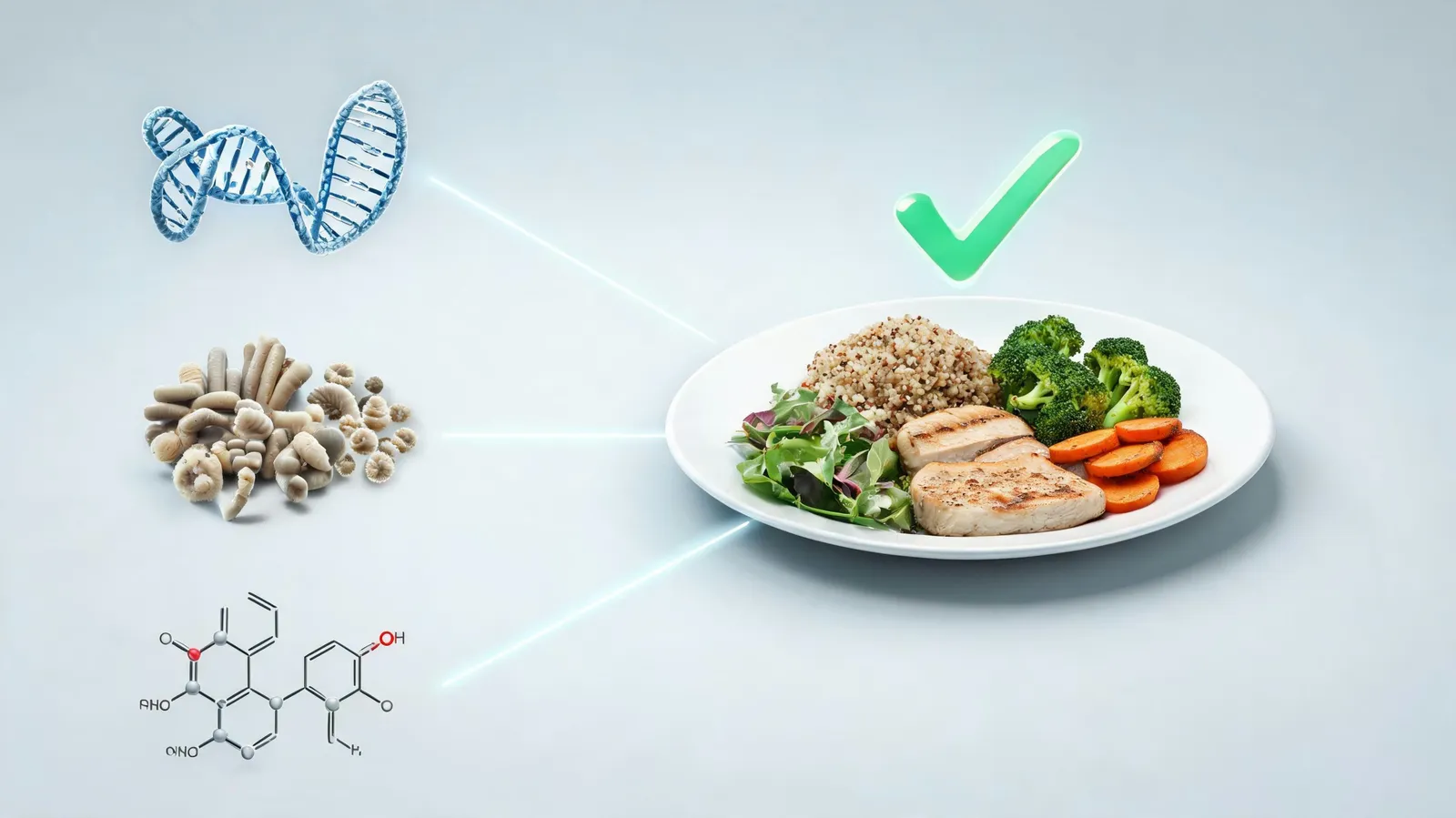
Precision nutrition demands the integration of multiple layers of biological data. Genomics uncovers genetic variants—such as FTO and TCF7L2—that affect nutrient metabolism and disease risk. For example, people with certain FTO variants might benefit from a higher protein intake for weight loss. Direct-to-consumer genetic testing now provides personalized nutrition advice based on these variants.
The gut microbiome and metabolomics offer complementary information. Specific microbial taxa, such as Akkermansia muciniphila, are associated with better glucose control. Metabolomic signatures—small molecules found in blood or urine—can forecast responses to dietary interventions. For instance, elevated levels of certain branched-chain amino acids signal insulin resistance and may inform protein recommendations.
Combining these data presents obstacles: data fusion, privacy, and algorithmic bias. Approaches include multi-omics factor analysis and federated learning, which train models across decentralized datasets without sharing raw data. Ethical frameworks must guarantee transparent handling of sensitive health data.
Personalized Nutrition for Metabolic Syndrome and Type 2 Diabetes Prevention
Metabolic syndrome impacts more than 30% of US adults and is a major risk factor for type 2 diabetes (T2D). Standard lifestyle interventions often fall short because they do not consider individual differences. Precision nutrition enables early, tailored intervention.
Case studies from the Personalised Nutrition Project (Israel) and PREDICT studies indicate that personalized diets enhance glycemic control, support weight loss, and decrease medication use. In one randomized controlled trial, participants on personalized diets showed significantly lower postprandial glucose levels and improved HbA1c compared with those on standard diets.
Clinical implementation encounters barriers: cost, accessibility, and clinician training. Nevertheless, integration with electronic health records and telehealth platforms can ease adoption. Digital health platforms now deliver personalized nutrition plans directly to patients, with real-world evidence indicating better adherence.
Clinical Validation and Real-World Effectiveness of AI-Driven Personalized Diet Plans
Clinical validation is essential. Randomized controlled trials such as the Food4Me study showed modest but significant improvements in health outcomes with personalized nutrition. Meta-analyses confirm that personalized diets surpass standard advice for weight loss and glycemic control.
Real-world effectiveness hinges on adherence, scalability, and long-term outcomes. Mobile apps and wearable devices boost adherence by offering real-time feedback. Corporate wellness programs and telehealth services have effectively implemented AI-driven personalized diets, demonstrating improved employee health and reduced healthcare costs.
Future directions encompass closed-loop systems that merge CGM, activity trackers, and AI for real-time diet adjustments. Such systems could prevent chronic diseases on a large scale.
Conclusion
Precision nutrition, fueled by machine learning and multi-omics, is shifting dietary recommendations from one-size-fits-all to genuinely personalized. By combining genomics, microbiome, metabolomics, and clinical data, we can predict individual food responses and design diets that prevent and manage metabolic diseases. Although challenges persist—cost, privacy, and validation—the potential to lessen the global burden of obesity and diabetes is immense. Larger trials, ethical guidelines, and healthcare integration are necessary to make precision nutrition accessible to everyone. The future of nutrition is personal.