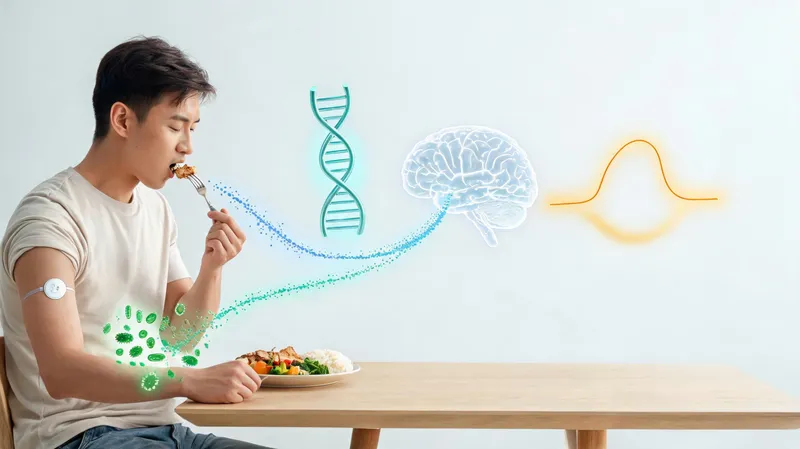
Diet-related disease rates around the world have kept climbing even after years of published dietary guidance, a pattern that has drawn attention to the limits of uniform recommendations. Because nutritional response differs from person to person—shaped by genetic makeup, the gut microbiome, and daily habits—advice designed for everyone tends to fit no one in particular. Several technologies are now being combined in pursuit of precision nutrition: generative AI, virtual metabolic replicas known as digital twins, synthetic datasets, and large language models. Their uses range from assembling individualized meal plans to simulating how a body might react to a given diet.
Generative Systems for Meal Design and Recipe Tailoring
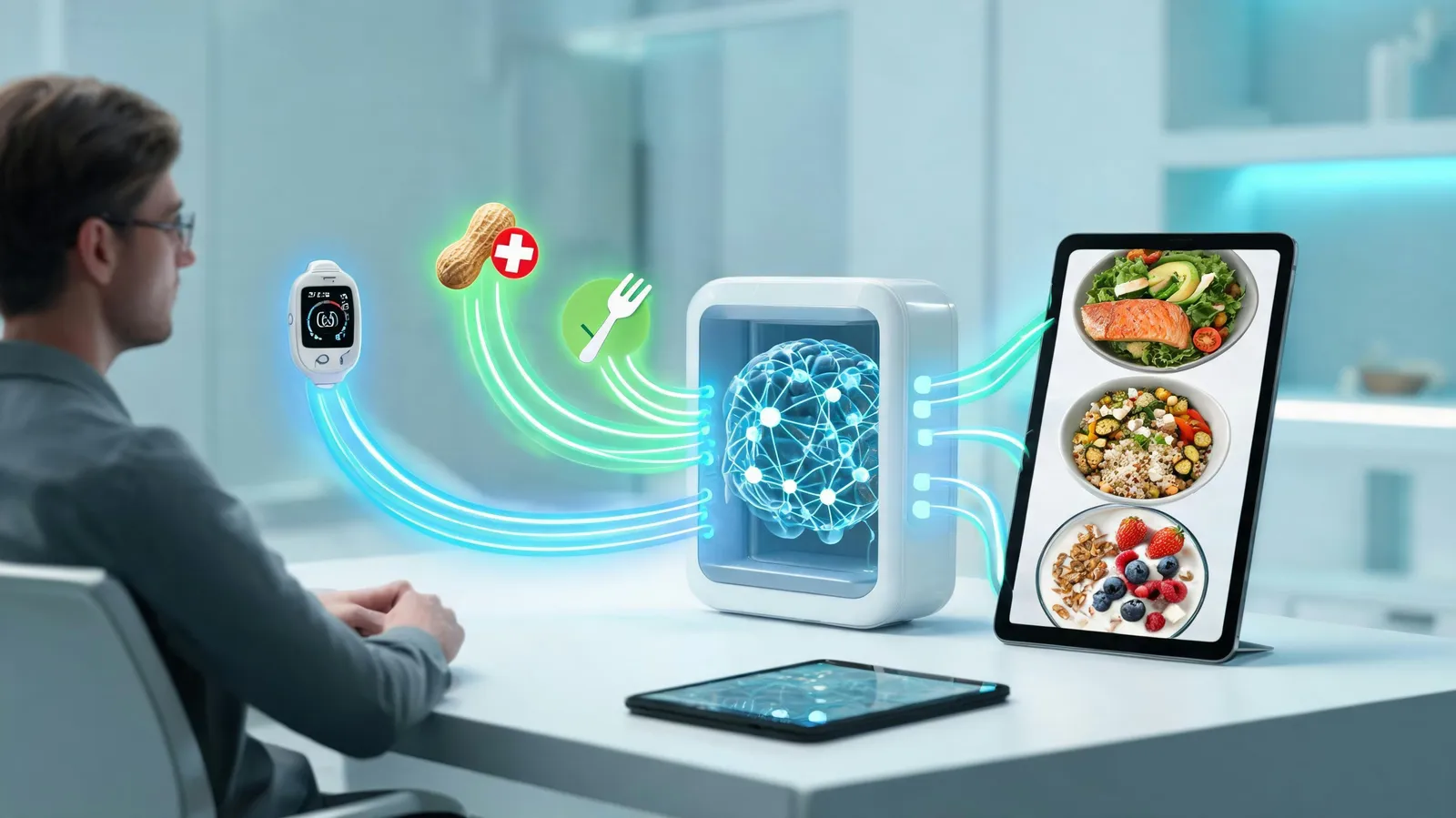
Generative models are changing the way people build their everyday diets. Instead of fixed diet templates, these systems can compose recipes that hit defined macronutrient and micronutrient targets while accounting for what a person likes to eat and what they must avoid. A model might, for instance, assemble a full week of meals for a patient with diabetes who needs low carbohydrate and high fiber intake, with each dish chosen to help keep blood sugar steady. Research indicates that people stick with AI-generated meal plans more consistently than with conventional static plans, an outcome attributed largely to meals being matched to individual preferences.
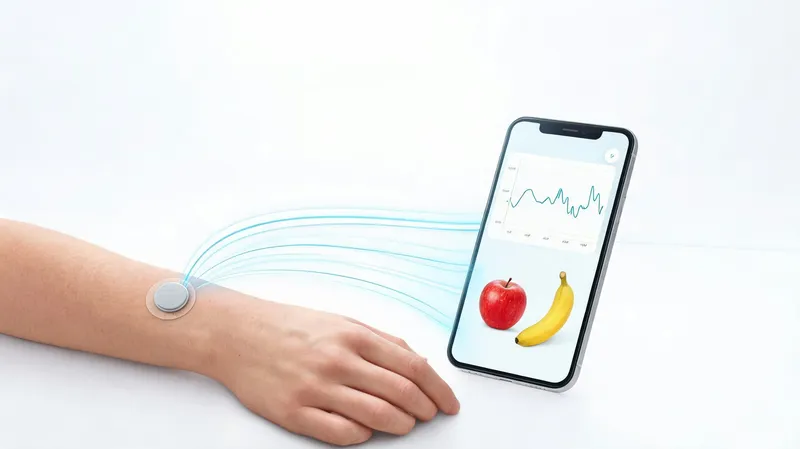
When connected to live data from wearables and continuous glucose monitors (CGMs), such systems can revise meals as conditions change. In pilot work, a user whose AI meal planner reworked recipes in response to glucose spikes showed better glycemic control. This degree of tailoring is central to generative AI nutrition and positions AI meal planning as a workable aid for metabolic health management.
Virtual Metabolic Replicas for Diet Simulation
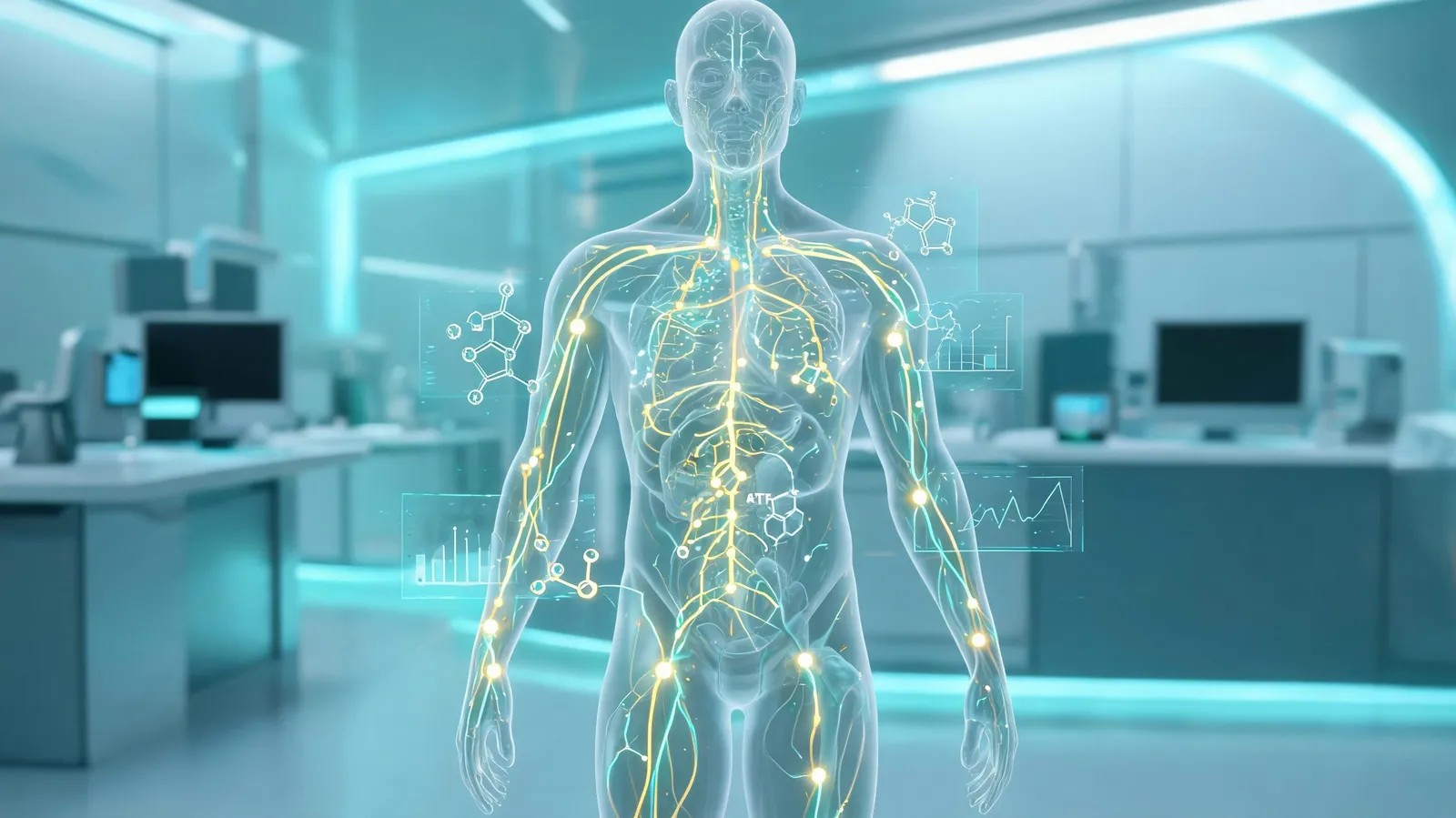
A digital twin of metabolism is a virtual counterpart of a person's metabolic workings. By combining multi-omics inputs—genomic, metabolomic, and microbiome data—these models form a computational system capable of forecasting how blood glucose will respond to particular foods. Research efforts such as the healthcare work of the Digital Twin Consortium are laying groundwork for clinical use. A digital twin could, for example, model how a ketogenic diet would affect epilepsy management, letting clinicians refine the regimen before trying it in practice and thereby cutting down on trial and error and on possible adverse effects.
Running such simulations lets dietary changes be evaluated in advance of real-world use, which can reduce guesswork. The approach holds out the prospect of lower costs and better results in clinical nutrition. Digital twin metabolism is moving beyond theory into use as a practical precision nutrition tool.
Artificial Datasets for Training Nutrition Models
Nutrition data from the real world tends to be scarce, inconsistent, and sensitive, which constrains AI training. Available statistics point to a shortage of varied, high-quality nutrition datasets, and privacy rules such as GDPR and HIPAA limit how data can be shared. That shortfall slows the creation of robust nutrition AI models.
Generative adversarial networks (GANs) and related methods can produce synthetic datasets that reproduce the statistical patterns of real data without revealing personal details. In one case, a model trained to predict nutrient deficiencies using synthetic data performed at a level comparable to models trained on real data. Synthetic nutrition data therefore speeds model development while protecting privacy, letting researchers train AI without putting individuals' information at risk.
Language Models as Retrieval Tools for Evidence-Based Nutrition Answers
Large language models (LLMs) can search through large bodies of scientific literature and return cited, accurate replies to nutrition questions. Asked about vitamin D and COVID-19, for instance, an LLM can respond with references to meta-analyses—evidence-based retrieval that once took considerable time. Comparisons between LLM answers and those given by human experts indicate high accuracy, although difficulties remain.
Among those difficulties are hallucination, bias, and the need for domain-specific fine-tuning and retrieval-augmented generation (RAG). RAG-style methods anchor LLMs in verified sources, and a nutrition chatbot that uses RAG to deliver dependable advice illustrates the potential. LLM-based nutrition information can counter misinformation by supplying evidence-backed responses, but careful implementation is essential.
Outlook
Generative AI, digital twins, synthetic data, and LLMs are coming together to reshape nutrition. Generative systems tailor meals, digital twins model metabolism, synthetic data supports training, and LLMs widen access to evidence-based information. Together they could move nutrition from reactive, generic guidance toward proactive, individualized care and better public health outcomes. Combining these technologies on a single platform might yield a nutrition co-pilot for consumers and clinicians alike, though ethical and regulatory questions would need to be settled. Looking ahead, what lands on the plate is increasingly a matter of intelligent, personalized nutrition supported by AI, not food alone.