Continuous Glucose Monitoring and AI-Powered Nutrition Guidance
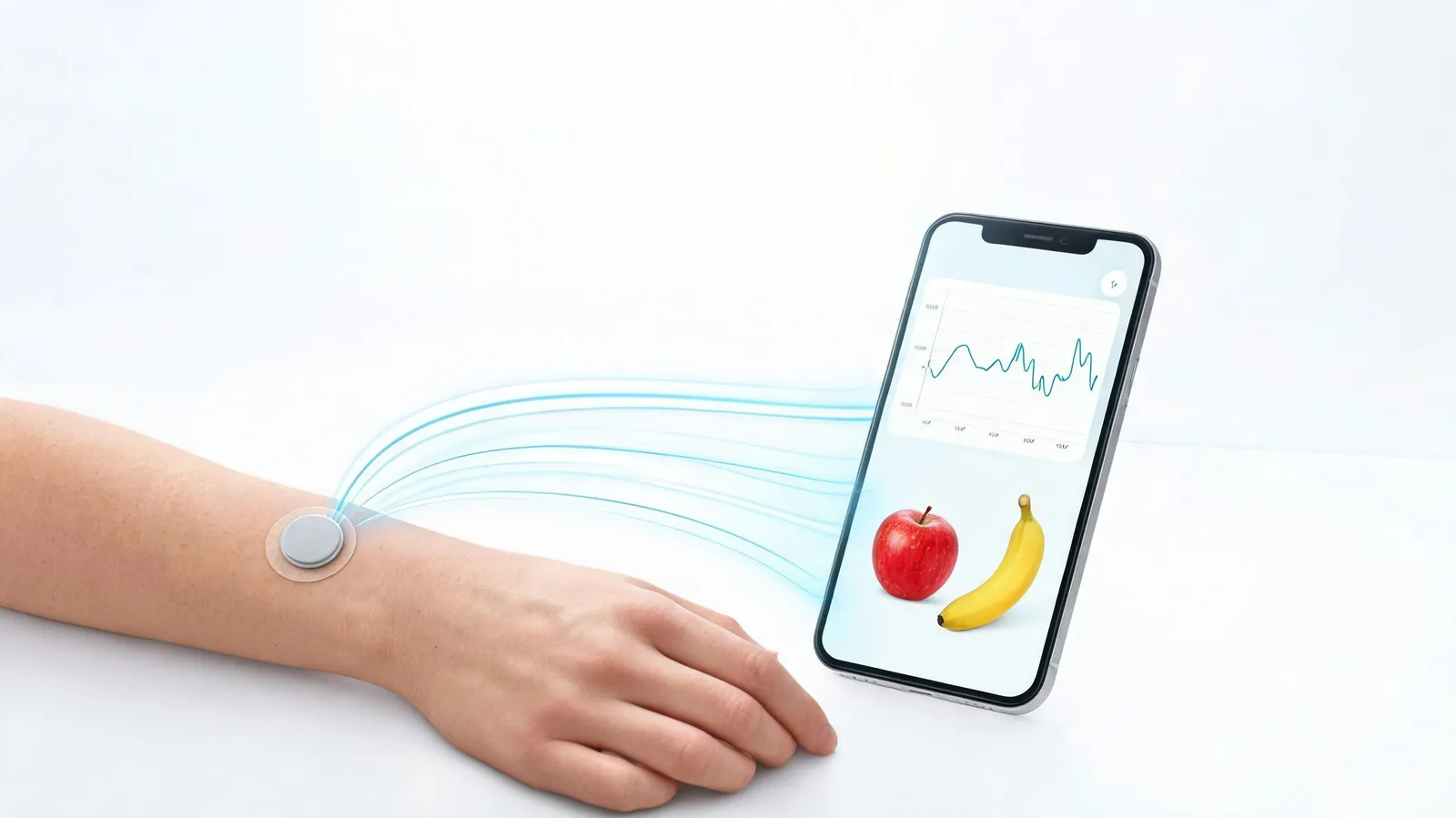
Continuous glucose monitors (CGMs) have changed how diabetes is managed by delivering blood glucose readings in real time. Users wear these compact sensors on the arm or abdomen, and the devices send data wirelessly to a smartphone or receiver, so glucose levels can be checked at a glance. The American Diabetes Association notes that CGM use is linked to better HbA1c outcomes and fewer hypoglycemic episodes. A 2020 clinical trial published in JAMA, for instance, found that adults with type 1 diabetes who used CGMs achieved a 0.5% greater reduction in HbA1c than those relying on standard finger-stick testing.
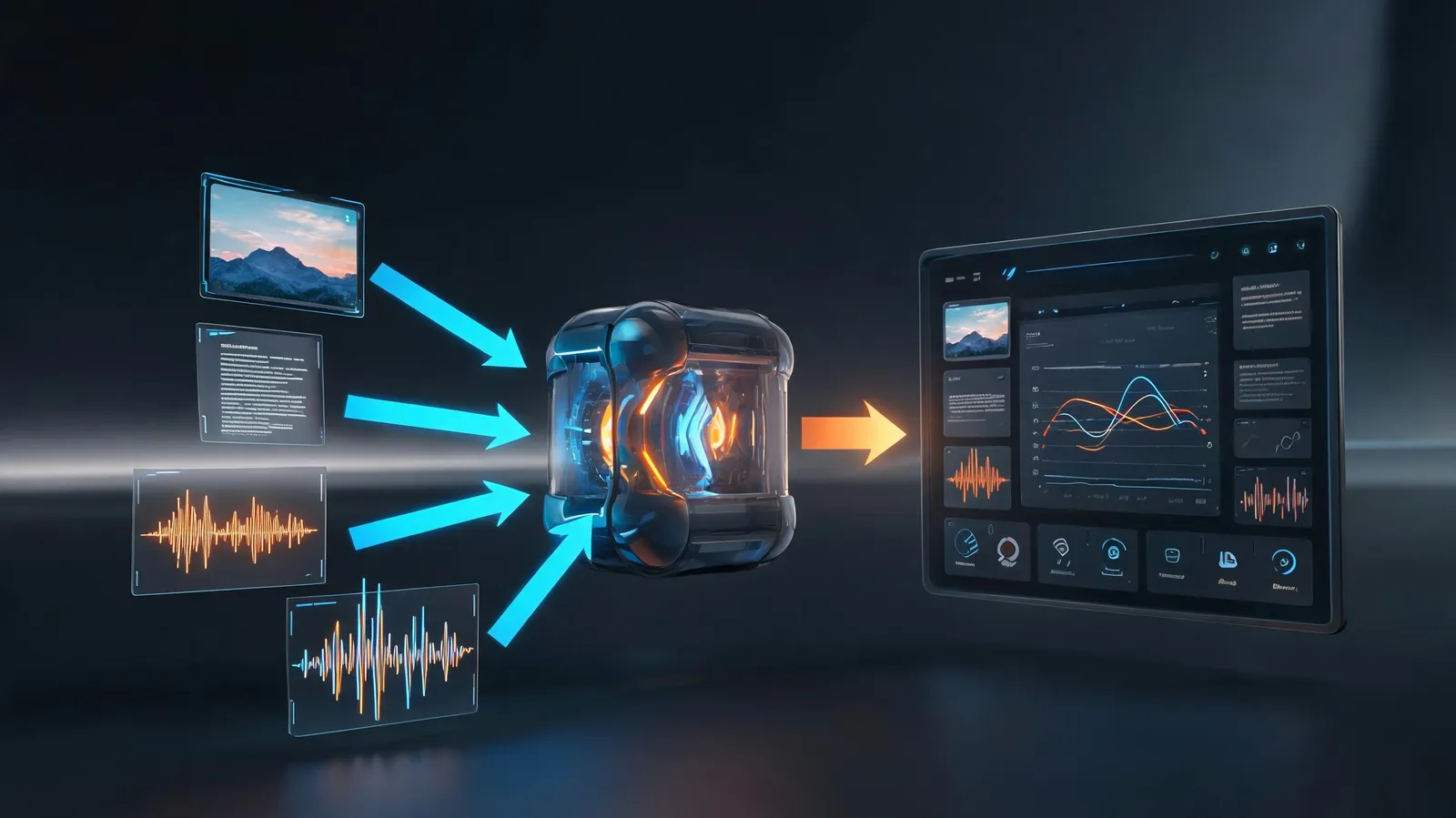
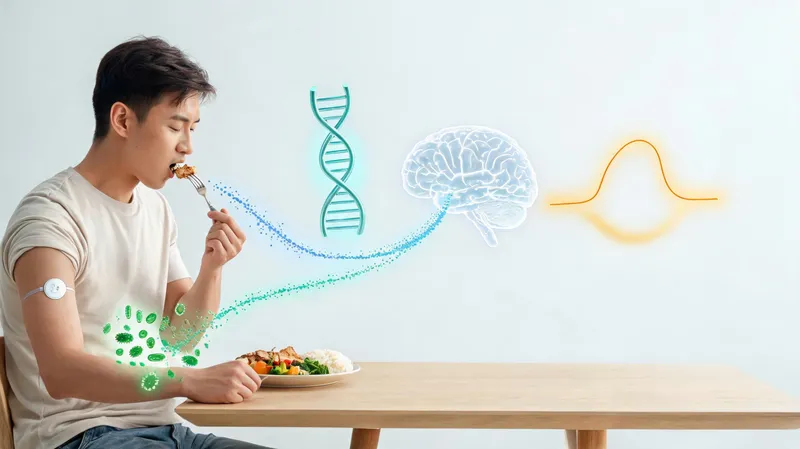
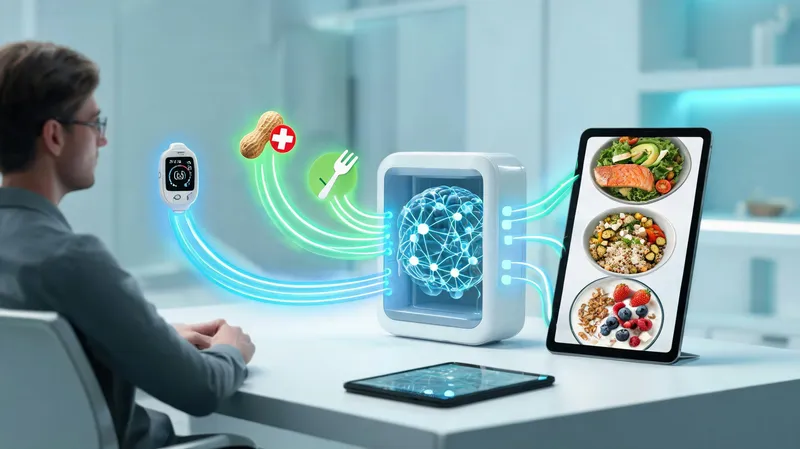
CGMs are also moving beyond diabetes into nutrition optimization among health-conscious users. AI algorithms examine glucose patterns and propose dietary adjustments. An AI app, for example, might suggest a low-glycemic meal tailored to a person’s individual glucose response. Research reported in Nature Medicine in 2021 showed that personalized dietary recommendations derived from CGM data led to a meaningful decrease in post-meal glucose spikes. By combining CGM readings with AI-generated feedback, personalized nutrition becomes both more accessible and more effective.
Hydration and Electrolyte Tracking Through Wearables for Tailored Nutrition
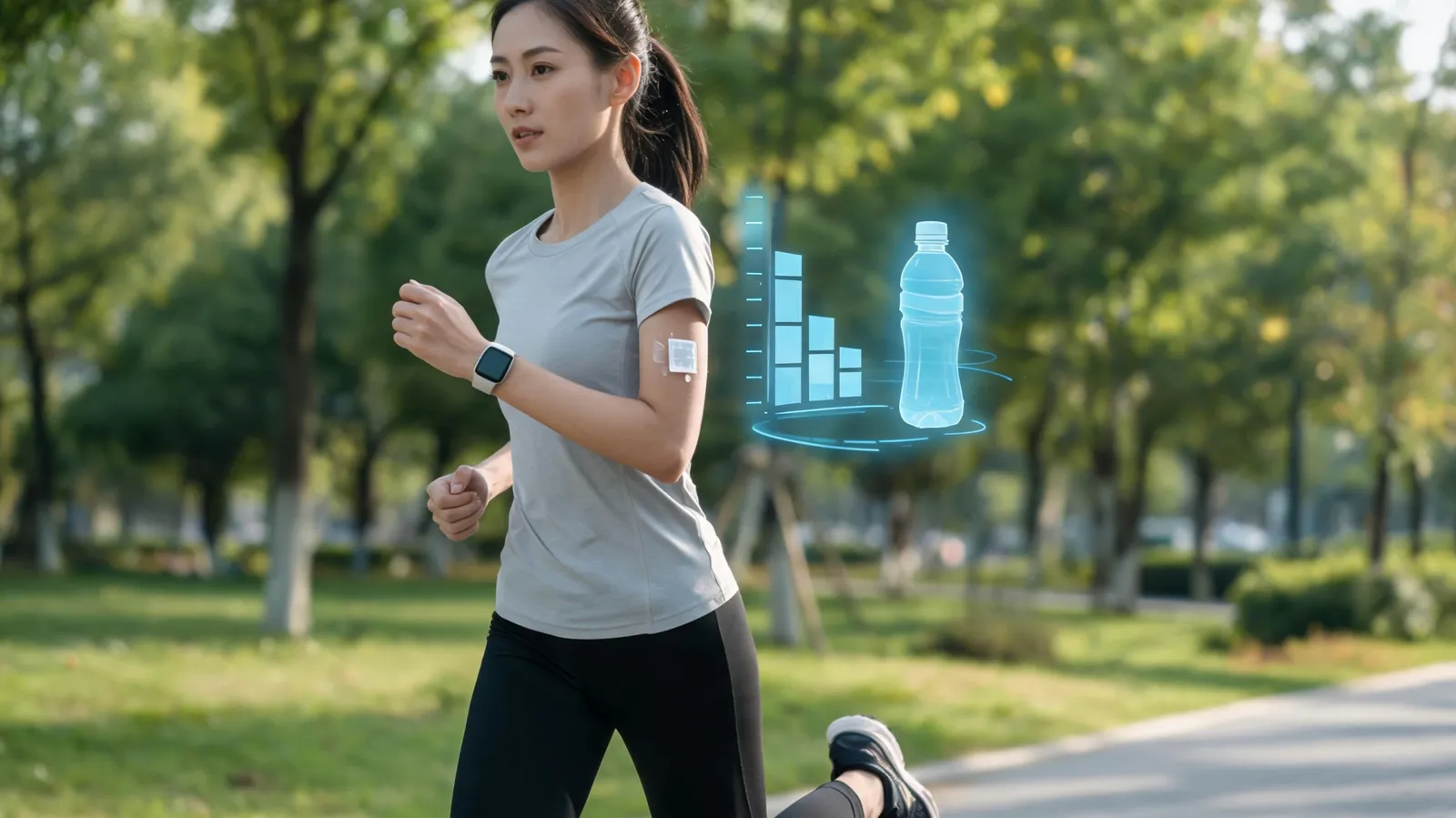
Maintaining proper hydration and electrolyte balance is essential for health, but conventional monitoring methods tend to be invasive and infrequent. Wearable sensors—including sweat sensors and bioimpedance devices—provide a non-invasive means of tracking hydration and electrolyte levels continuously. A 2019 study in Science Translational Medicine, for example, showed that a sweat sensor could reliably measure sodium and potassium concentrations, offering a window into a person’s hydration status.
Athletes stand to benefit considerably from these sensors. Marathon runners, for instance, have used hydration wearables in real-world settings to get personalized fluid and electrolyte guidance. An algorithm might recommend a particular electrolyte drink based on the composition of a person’s sweat, which can lead to better performance and fewer cramps. According to a 2020 study in the International Journal of Sports Nutrition and Exercise Metabolism, athletes who used hydration wearables experienced a 20% reduction in muscle cramps compared with those who did not.
Connecting Wearables to Nutrition Apps and Clinical Care Pathways
The real potential of wearable metabolic monitoring emerges when it is connected to nutrition apps and clinical workflows. Through APIs and platforms, wearable data can now sync smoothly with widely used apps such as MyFitnessPal and Nutrisense. Nutrisense, for example, integrates CGM data to deliver personalized dietary recommendations, and user statistics indicate strong engagement and retention. A 2022 report from Rock Health found that 75% of users who synced their CGM data with a nutrition app reported better dietary habits.
In clinical environments, wearable data supports remote monitoring and treatment adjustments. Telehealth programs—including those run by Virta Health—use CGM data to manage diabetes remotely. A 2021 case study in Diabetes Care reported that patients in a telehealth program using CGM data achieved better glycemic control than those receiving standard care. Regulatory agencies such as the FDA have cleared multiple wearable devices for use in clinical decision-making, giving their adoption further legitimacy.
Driving Behavior Change and Adherence with Real-Time Metabolic Data
Real-time metabolic data can be a powerful catalyst for behavior change. Seeing the immediate impact of food on glucose levels can enhance motivation and self-efficacy. A 2020 study in the Journal of Medical Internet Research found that people receiving real-time feedback increased their physical activity and improved their eating habits. Patient testimonials frequently describe feeling empowered by observing how specific foods influence their glucose levels.
Gamification and nudges are among the strategies used to improve adherence. Apps such as Levels, for instance, use streaks and rewards to encourage users to stay within target glucose ranges. A 2022 clinical trial in NPJ Digital Medicine demonstrated that adherence rates were 30% higher with real-time metabolic feedback than with traditional methods. Such behavioral strategies are essential for long-term success.
Conclusion
Wearable sensors are reshaping metabolic monitoring by delivering continuous, real-time data that gives individuals and clinicians actionable information. From CGMs and AI-driven dietary feedback to hydration sensors and behavior-change strategies, these technologies are changing personalized nutrition and chronic disease management. As AI continues to advance, predictive analytics, multi-sensor wearables, and wider clinical adoption are likely to follow, with the potential to lower healthcare costs and improve outcomes for millions of people.