Introduction
By 2026, more than 60% of professional creatives report using AI tools, yet 70% express concerns about authorship and job displacement. The swift uptake of AI image and video generators, as well as writing assistants, is profoundly reshaping creative and knowledge work across industries. This article explores how these tools are improving pipelines, challenging traditional notions of authorship, influencing content quality, and altering skill demands—requiring professionals to adapt proactively. A clear grasp of these dynamics can help creatives and knowledge workers navigate both the opportunities and risks of AI integration.
1. AI Image and Video Generators in Professional Creative Workflows
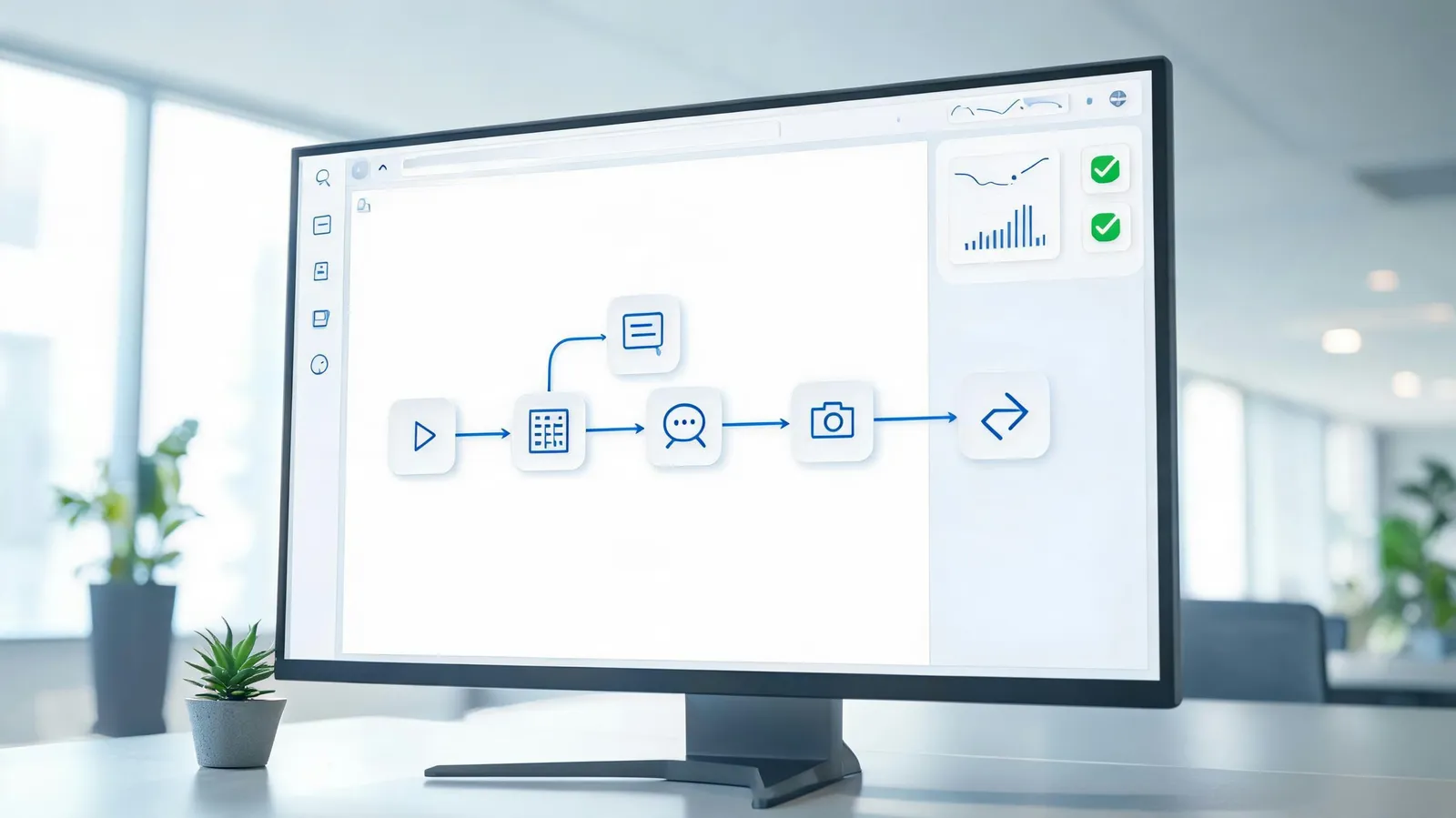
Tools such as Midjourney, DALL-E, and Runway are being woven into professional creative processes, especially in pre-production and concept art. A case study at a leading animation studio found that AI-assisted concept iteration cut time by 40%. In addition, a survey showed that 55% of graphic designers now use AI for mood boards and drafts. These tools support rapid prototyping and visual exploration, freeing artists to concentrate on refinement and creative direction.
In post-production and video editing, AI is streamlining tasks like rotoscoping and color grading, saving hours per project. Data indicates a 30% faster turnaround in advertising video production when AI-assisted editing is used. This integration not only speeds up workflows but also makes high-end production capabilities more accessible to smaller studios and independent creators. At the same time, it raises questions about the role of human editors and the risk of homogenized output if AI is over-relied upon.
2. Authorship, Copyright, and Ownership of AI-Assisted Content
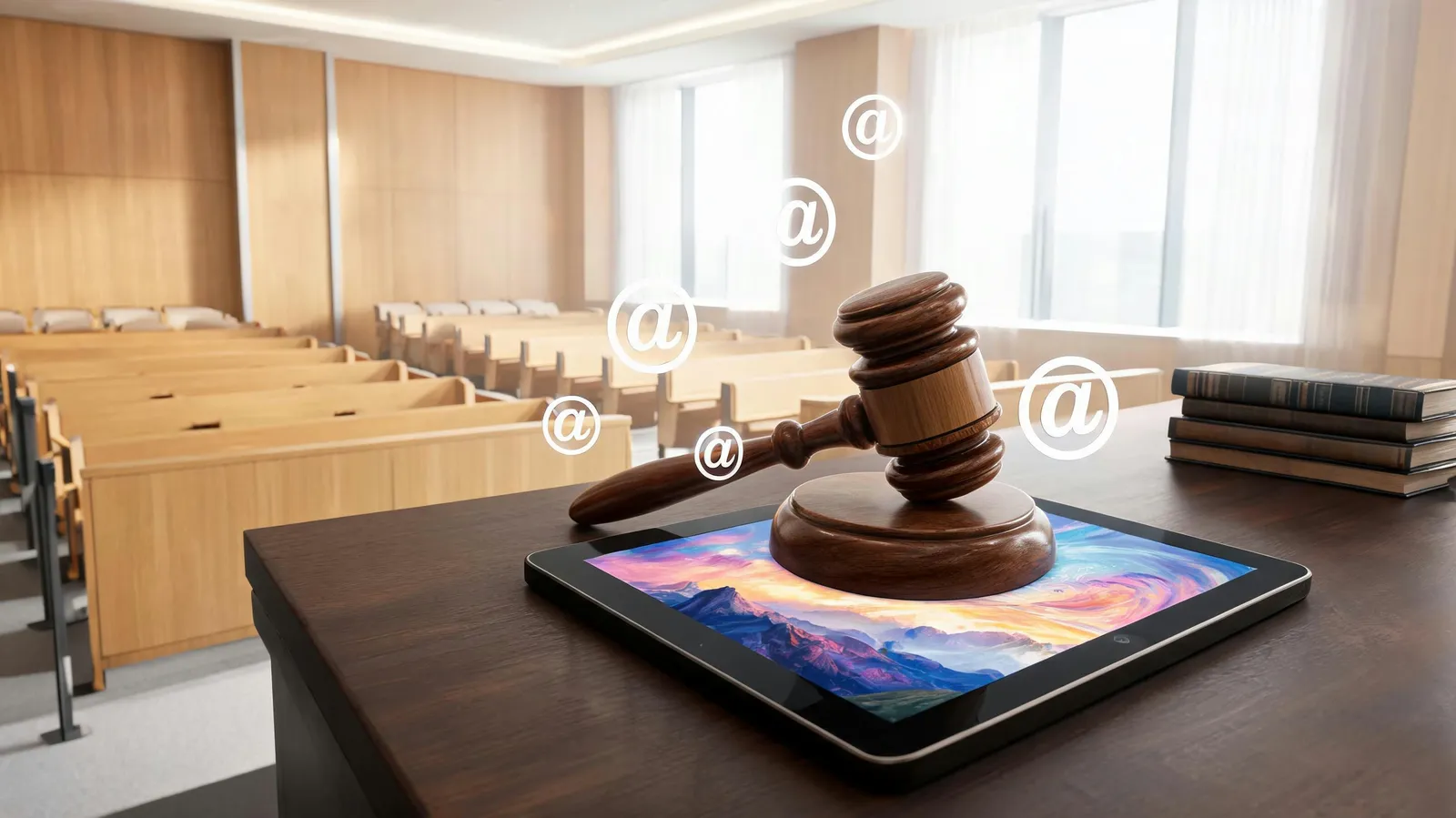
The legal and ethical challenges around ownership when AI contributes to creative works are considerable. Legal ambiguity persists: the US Copyright Office has ruled that AI-generated art without human authorship is not eligible for copyright, as seen in the Zarya of the Dawn case. Discussions around the EU AI Act stress transparency and authorship, but clear frameworks are still developing. These uncertainties have practical implications for professionals and clients—artists have sued AI image generators over the use of copyrighted training data, and 68% of content creators worry about ownership of AI-assisted work.
Professionals need to navigate these issues by documenting human contributions, treating AI as a tool rather than a replacement, and staying informed about emerging regulations. Clients should also be educated about the limits of copyright protection for AI-generated content. As the legal landscape evolves, proactive contracts and clear communication will be essential to mitigate risks.
3. Effects of AI Writing Tools on Journalism and Content Quality
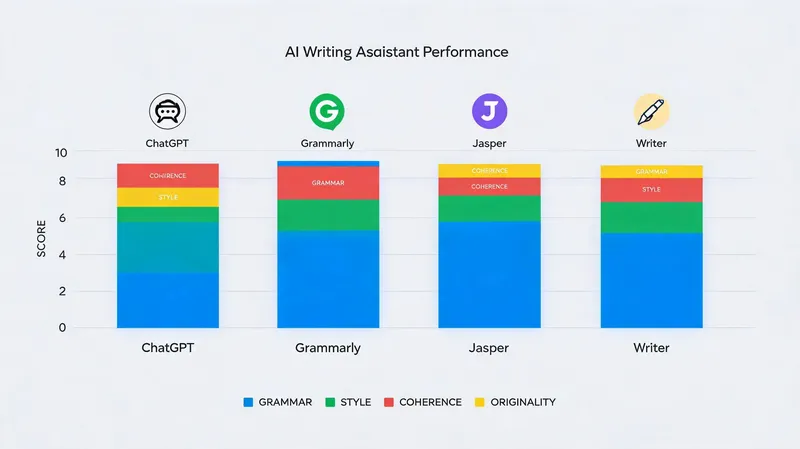
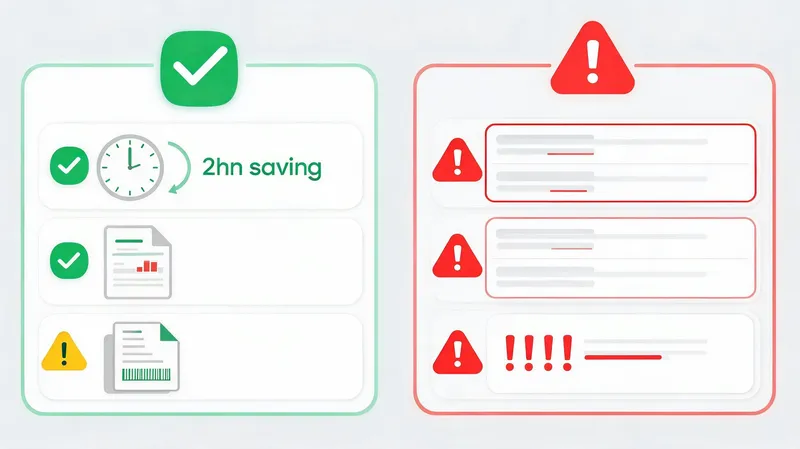
AI writing assistants are reshaping journalism and content creation by enabling efficiency gains and content scaling. For instance, the Associated Press uses AI for earnings reports, increasing output by 10x. Data shows that 45% of publishers use AI for drafting and SEO optimization. These tools help newsrooms cover more topics and free journalists for in-depth reporting. However, risks of misinformation, bias, and homogenization are real: a study found AI-generated articles show 20% more factual errors than human-written ones, and CNET's AI articles required numerous corrections.
To maintain quality, organizations must implement rigorous fact-checking, editorial oversight, and bias detection. AI should augment, not replace, human judgment. Training journalists to critically evaluate AI output and understand its limitations is crucial. The balance between efficiency and accuracy will determine the credibility of AI-assisted journalism.
4. Skill Displacement and Augmentation in Knowledge-Intensive Jobs
AI is automating routine cognitive tasks such as data analysis, basic coding, and report writing. McKinsey estimates that 30% of tasks in 60% of occupations could be automated by 2030, and AI legal assistants are already reducing paralegal hours. This displacement makes upskilling and role redefinition necessary. At the same time, new skills are emerging: prompt engineering, AI oversight, and creative direction. Job postings for 'AI prompt engineer' grew 300% in 2023, and 75% of employers prioritize AI literacy in hiring.
Professionals should focus on developing complementary skills that AI cannot easily replicate, such as complex problem-solving, emotional intelligence, and ethical judgment. Organizations must invest in training programs to help employees transition to augmented roles. The future of knowledge work lies in human-AI collaboration, where each party leverages its strengths.
Conclusion
AI tools are fundamentally reshaping creative and knowledge work, offering enhanced pipelines and efficiency while challenging authorship, quality, and skill demands. The dual role of AI—as both an enabler and a disruptor—requires professionals to engage ethically and strategically. By understanding legal boundaries, maintaining quality standards, and investing in new skills, creatives and knowledge workers can harness AI's potential to elevate their work. The future outlook suggests that AI-human collaboration, managed with foresight, can drive innovation and productivity. Adaptation is not optional; it is the path to thriving in the AI era.