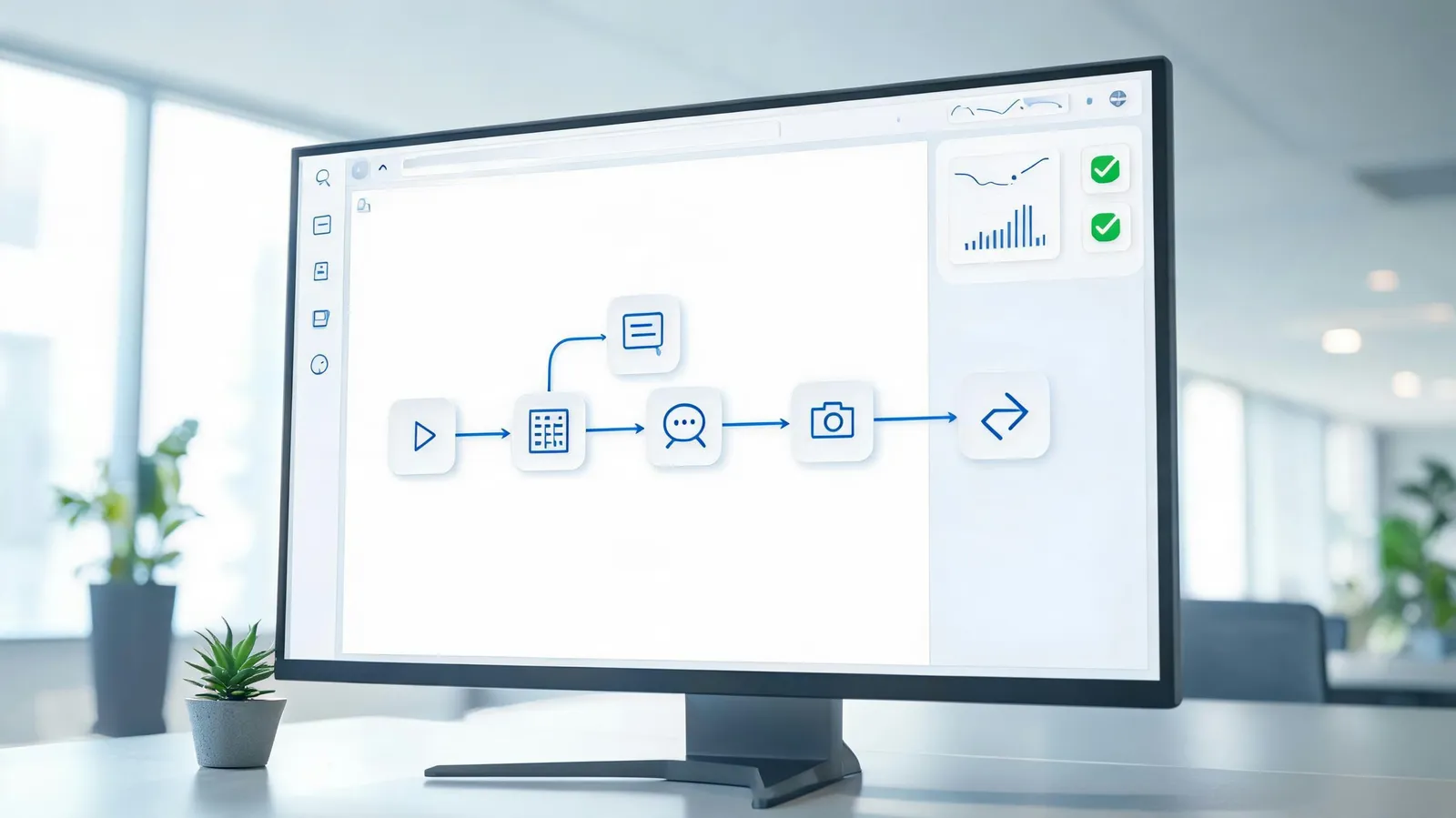
Enterprise appetite for AI automation keeps climbing, yet stitching AI into everyday operations is anything but simple. Workflow platforms are responding along three fronts: visual builders that put automation within reach of non-engineers, integration layers that connect AI services to entrenched business systems, and architectural choices that let deployments keep pace with data growth while staying dependable. This piece examines each front and what it means for business processes.
1. Visual, Low-Code and No-Code Builders: Automation for the Non-Engineer
By combining graphical development environments with ready-made AI components, low-code and no-code platforms are changing the way organizations assemble AI workflows. People without engineering backgrounds—commonly described as citizen developers—can use these tools to design, launch, and operate workflows without writing code. Offerings such as Zapier, Make, and Microsoft Power Automate provide drag-and-drop builders that hook into AI capabilities including natural language processing, image recognition, and predictive analytics. Take-up is climbing quickly: a 2024 Gartner survey found that 70% of new enterprise applications will use low-code or no-code technologies by 2025, up from less than 25% in 2020.
The advantages are straightforward—shorter development cycles, reduced expense, and greater agility. Citizen developers can move from prototype to iteration on a workflow in hours rather than weeks, which frees IT teams to concentrate on harder projects. Consider a marketing team that assembles a workflow which automatically reads customer feedback through sentiment analysis and forwards negative comments to support—with no IT involvement at all. Set against conventional coding, low-code platforms lower the barrier of specialized skills and shorten the path to value.
2. Connecting to Legacy Systems: Closing the Divide
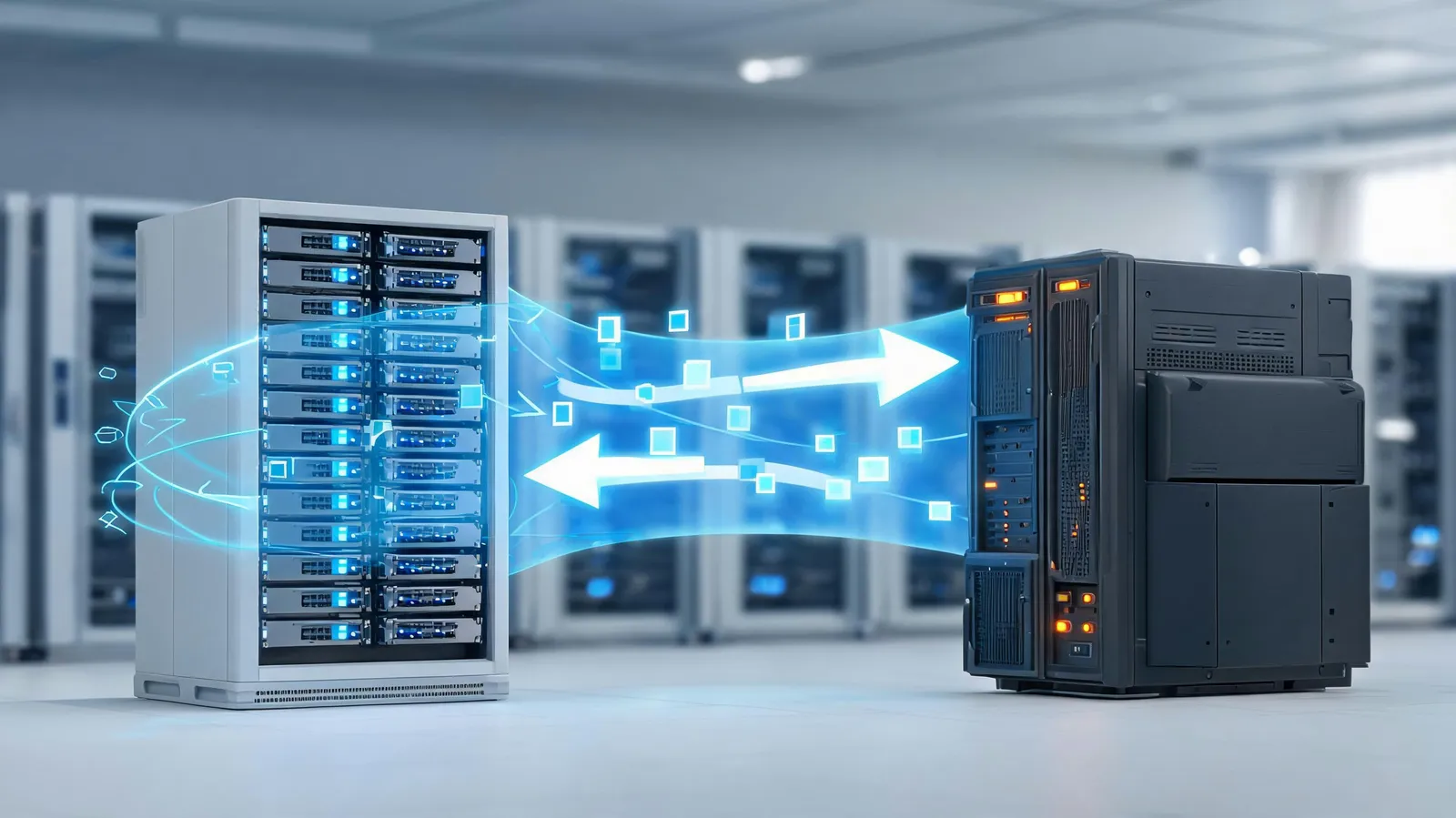
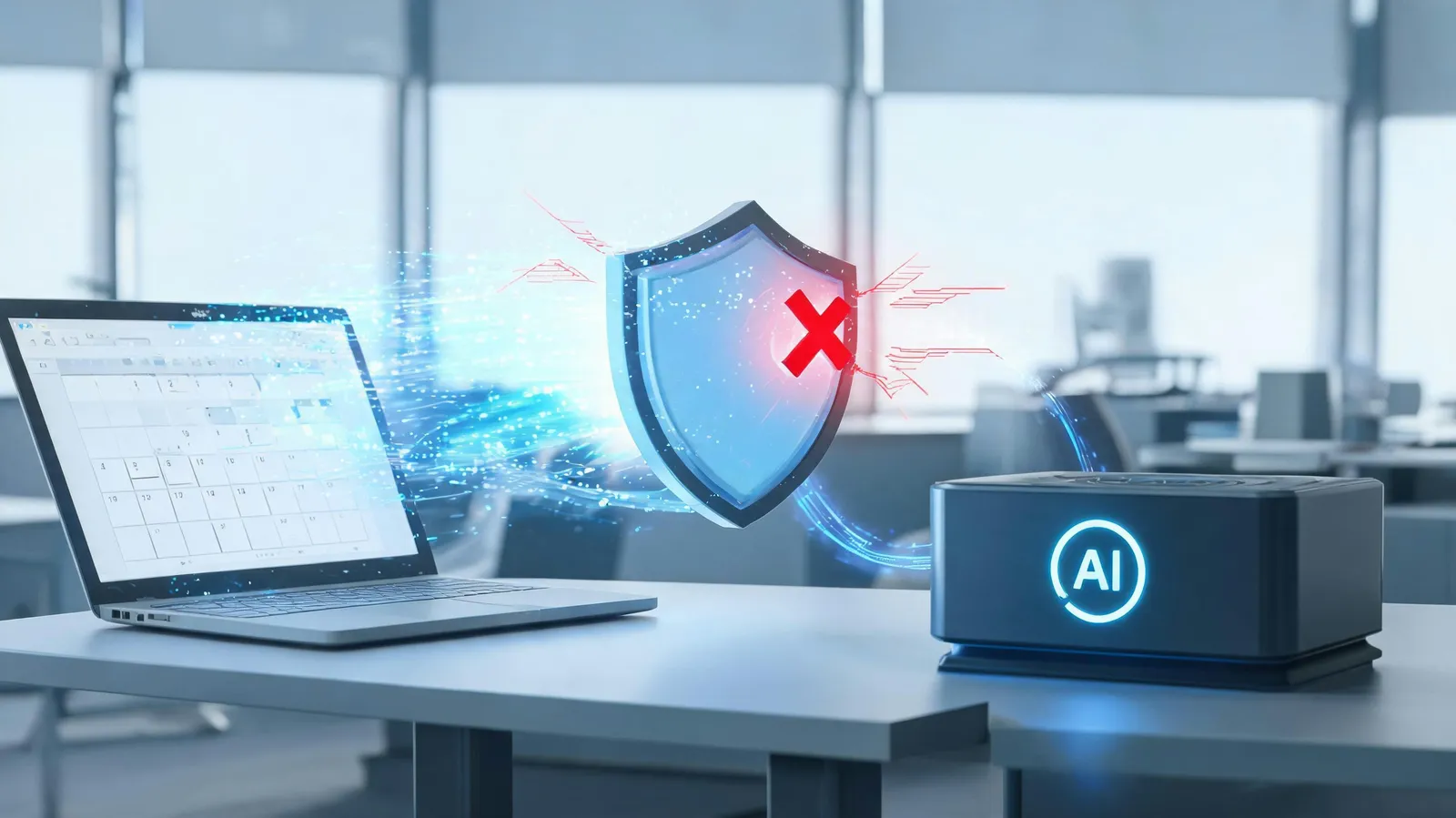
For many organizations, hooking AI workflows into legacy systems is a significant obstacle. The usual difficulties involve data silos, protocols that do not match, and security worries. A 2023 survey by MuleSoft found that 85% of IT leaders cite integration challenges as a top barrier to digital transformation. Systems such as ERP and CRM frequently lack modern APIs, which makes linking AI services difficult.
Organizations are addressing these obstacles with API gateways, connectors, and middleware. Tools including MuleSoft and Apache Kafka supply strong integration capabilities, allowing data to move smoothly between modern AI workflows and older systems. In one instance, a manufacturing company used an API gateway to connect its legacy ERP with an AI-powered predictive maintenance workflow, cutting downtime by 30%. By closing the divide, businesses can draw value from investments they already hold while adopting AI innovation.
3. Scaling and Dependability: Architecting for Expansion
The more AI workflows take on mission-critical duties, the more scalability and reliability matter. Scaling difficulties range from rising data volumes to heavier user loads. IDC predicts that global data volume will reach 180 zettabytes by 2025, up from 64 zettabytes in 2020, which puts pressure on workflow platforms to scale efficiently. Absent suitable architecture, AI workflows can run into performance bottlenecks and failures.
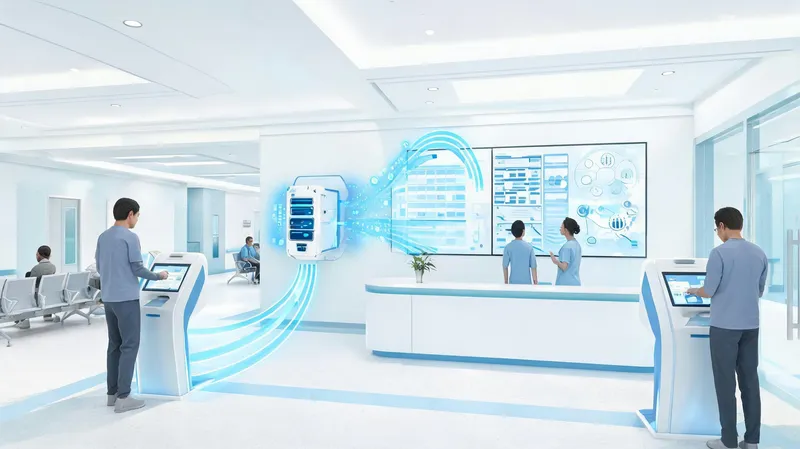
Reliability elements—fault tolerance, monitoring, and disaster recovery among them—are essential. Cloud providers' recommended practices include designing for failure, putting automated monitoring in place, and deploying across multiple regions. A financial services firm, for example, spread its AI workflow platform over multiple availability zones, reached 99.99% uptime, and maintained business continuity. Case studies indicate that dependable AI workflow deployments depend on solid infrastructure and proactive monitoring so that problems are caught and addressed before they affect operations.
Conclusion
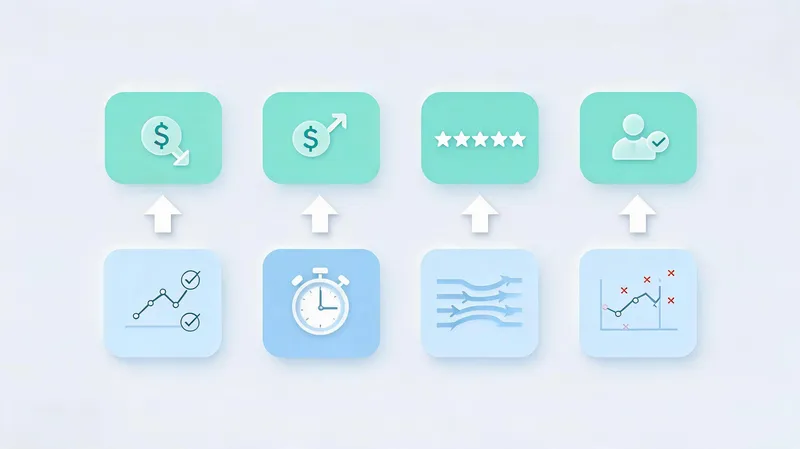
By making automation accessible, integrable, and scalable, AI workflow platforms are reshaping enterprise automation. Low-code and no-code builders extend automation to citizen developers, who can then drive innovation. Smooth integration with legacy systems closes the distance between old and new, opening up data and value. Architectures built for scale and reliability let AI workflows expand alongside the business. As these platforms keep maturing, further progress in AI-driven workflow optimization and autonomous operations is a reasonable expectation, which would ultimately deliver greater business value.