Spotting Purchased or Fabricated Reviews of AI Tools
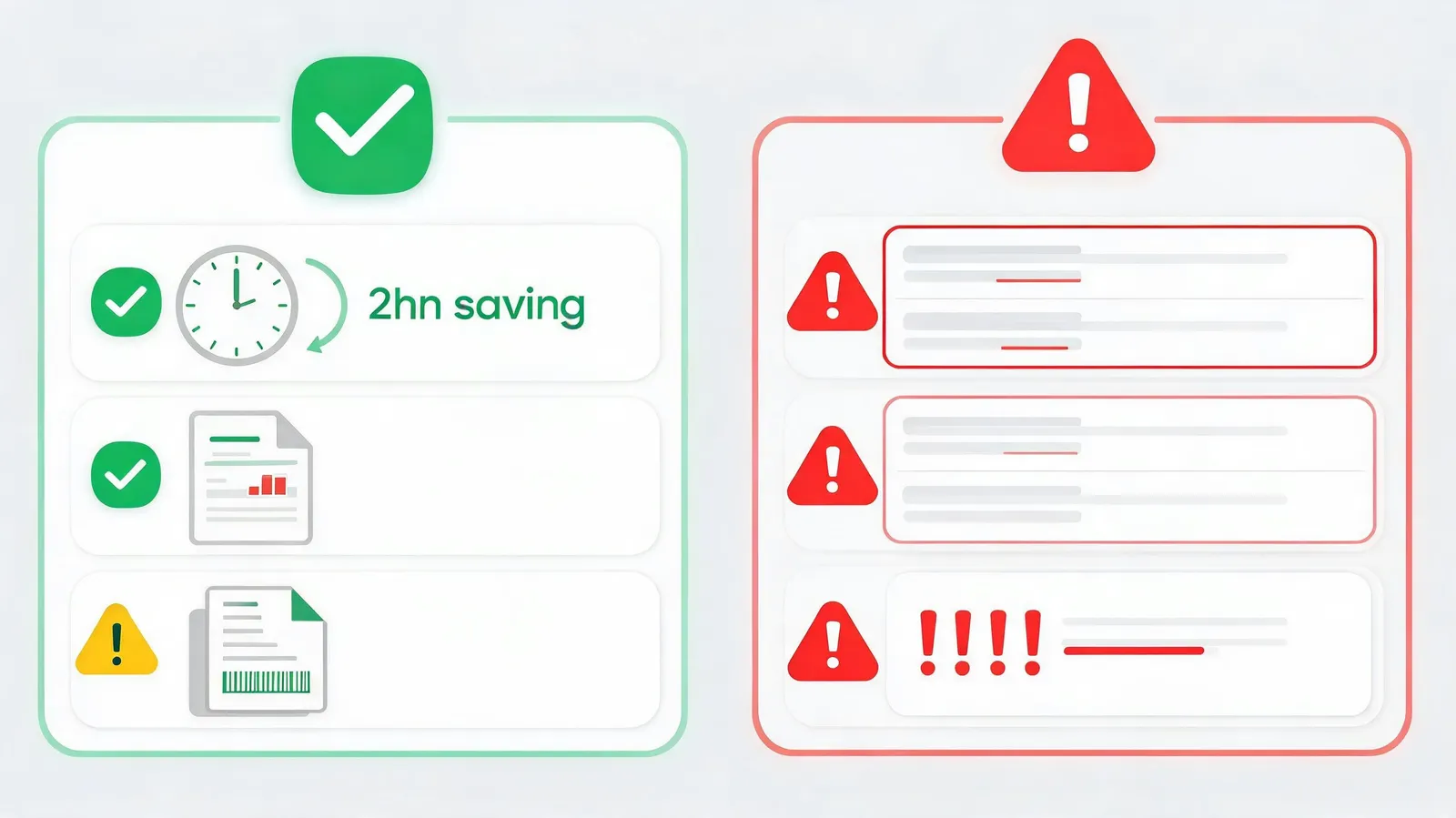
Ratings for AI tools can be pushed off course by reviews that were bought or simply invented. Several signals tend to recur: near-identical phrasing across posts, ratings clustered at the extremes of five or one star, vague praise with no concrete detail, and accounts with little or no review history. A 2023 analysis by Fakespot estimated that roughly 30% of online reviews for tech products cannot be trusted, and AI tools are especially exposed because the market is expanding so quickly. One widely used AI writing assistant, for instance, fell from 4.8 to 3.9 stars once fabricated reviews were removed.
Reviews written in exchange for something of value are a separate problem. When users are given free access, discounts, or payment for favorable feedback, the rating curve distorts, and a cluster of five-star reviews often appears soon after launch. G2 and Capterra both prohibit this practice in their policies, though enforcement is uneven.
Detection methods are improving. Machine learning can examine tone, writing style, and reviewer behavior to surface suspicious submissions. Amazon's detection system, for example, says it blocks more than 200 million suspected fake reviews each year. Even so, no system is flawless, and false positives can unfairly penalize people who wrote honest reviews.
How Platforms Handle Reviews Written by AI
The growing volume of reviews produced by large language models such as GPT-4 adds a further complication. Such text is often hard to tell apart from human writing, which makes manual checking close to unworkable. A 2024 analysis by Originality.ai concluded that about 15% of reviews on major tech review sites were probably machine-generated.
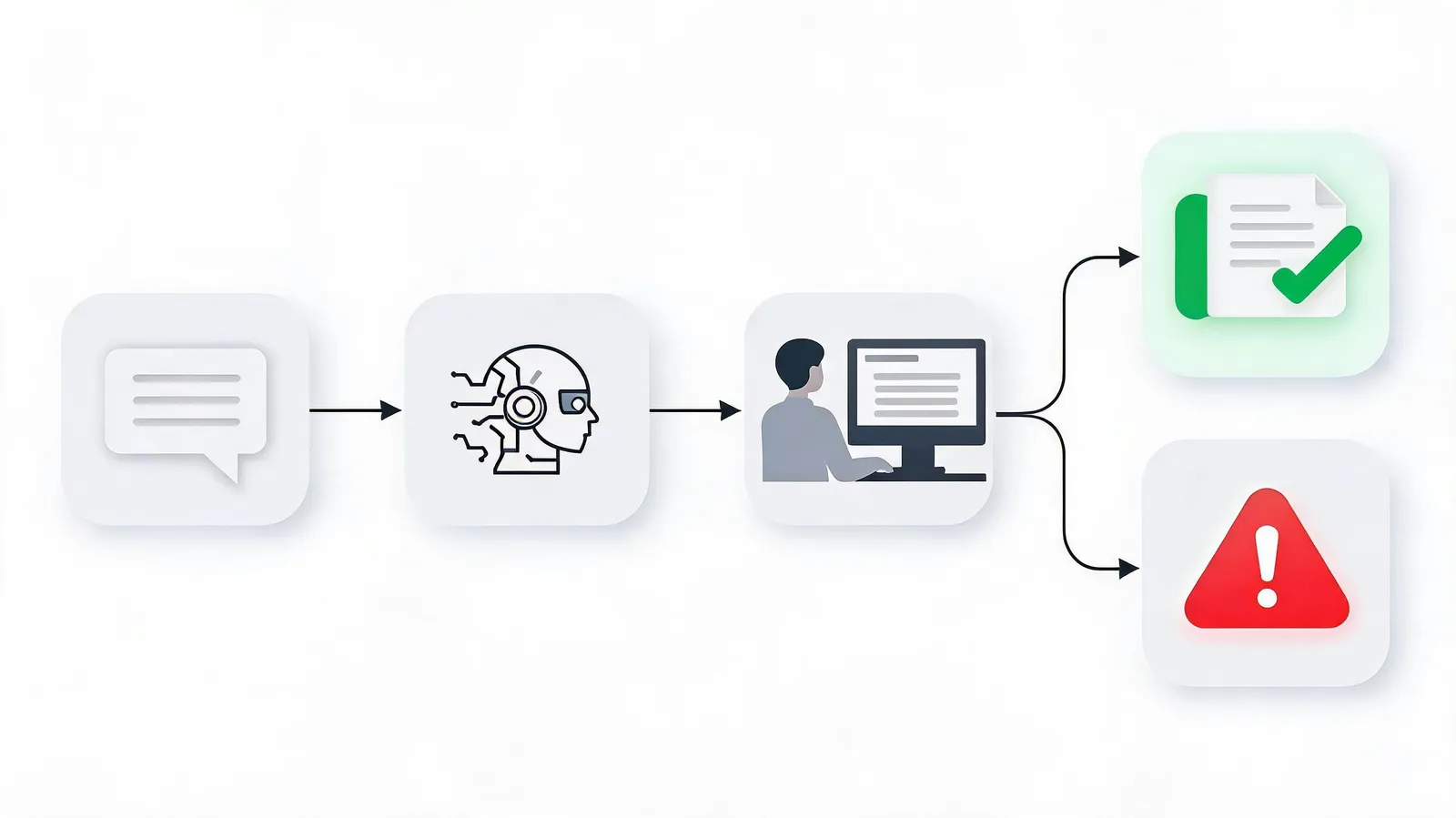
Platforms rely on a blend of human moderation, automated filtering, and hybrid approaches. Automated filters use natural language processing to catch patterns but are weaker on context and nuance. Human review is more accurate but slower and more expensive, particularly at scale. Some services, Trustpilot among them, combine AI screening with human moderators to verify reviews.
There are ethical trade-offs on both sides: strict filters can suppress legitimate voices, while lax moderation lets deceptive content through. Clear communication matters, and platforms should spell out their moderation rules and appeal routes. Google's review policies, for example, have drawn criticism over transparency, which has fed user distrust.
Why Ratings Differ Across User Groups
Who writes a review shapes the score. Users aged 18 to 34 tend to rate AI tools more generously, rewarding novelty and ease of use, while those aged 55 and over often rate lower because of usability difficulties. Tech professionals judge tools more harshly, weighing functionality and integration, whereas casual users care more about interface and price.
Culture and region matter too. A study comparing ratings in the US, Europe, and Asia found that US users gave higher marks to AI tools with strong customer support, while users in Asia emphasized performance and speed. Such gaps can pull overall ratings away from what any single buyer would experience, which in turn distorts purchasing decisions.
One consequence is a market tilted toward tools that appeal to the loudest demographic, while options that suit other users get overlooked. Possible remedies include recruiting more diverse reviewers and weighting ratings by reviewer expertise.
Paid Endorsements and Perceptions of AI Tools
Influencers increasingly shape how AI tools are perceived. Sponsored posts and affiliate deals are often not clearly labeled, which makes genuine enthusiasm hard to separate from paid promotion. A 2023 survey by Influencer Marketing Hub found that 45% of users trust influencer recommendations, yet only 20% can reliably spot sponsored content.
Endorsements can generate positive bias and herd behavior. When a well-known tech influencer praises a tool, followers may rate it highly without ever trying it. One productivity AI tool, for example, saw five-star reviews jump 40% within a week of a YouTube influencer's endorsement, with many coming from people who had not used the product.
Telling real advocacy from paid promotion takes care. Readers should watch for disclosure tags such as #ad or #sponsored, check whether the influencer regularly promotes similar products, and seek out reviews from sources without influencer ties. Instagram and YouTube both have disclosure rules, but enforcement varies.
Conclusion
Reviews of AI tools cut both ways: they can inform, but they can also be manipulated. Fabricated and purchased reviews, machine-written content, demographic bias, and influencer marketing each erode their reliability. Buyers need to read reviews critically, platforms need to be more transparent about moderation, and regulators should enforce disclosure rules. Blockchain-verified reviews and stronger AI moderation may help in the future, but educating users remains the first line of defense. Understanding these pitfalls allows for better-informed choices and a review ecosystem that is more worthy of trust.