Augmented Decision Support: Sharpening Human Judgment
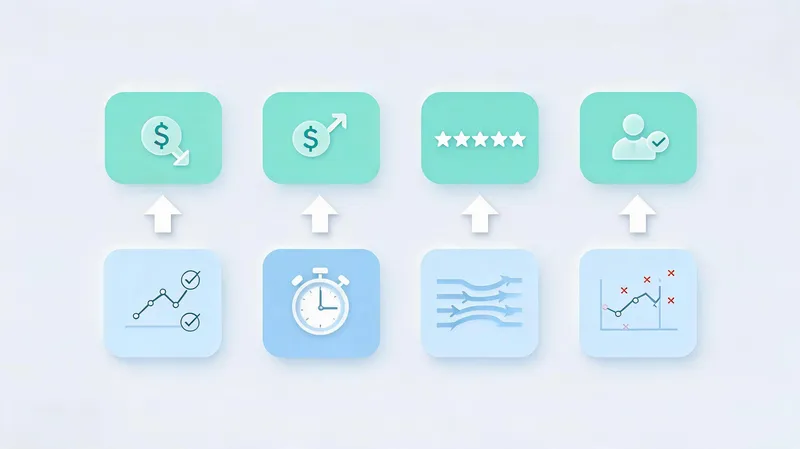
Complex organizational decisions are being approached differently through augmented decision support. These tools do not merely run preset rules the way conventional automation does; they blend machine-derived insight with professional expertise in pursuit of better and faster choices. Industry data cited in recent reporting points to decision accuracy gains of as much as 35% and decision-time reductions of 40% among adopters, spanning fields from healthcare to finance.
Three building blocks typically make up such a system: a data integration layer that pulls information together from disparate sources; an analytics engine powered by AI that spots patterns and puts forward recommendations; and an interface designed so people can act on the resulting insights. Take healthcare: physicians can draw on these systems to evaluate patient data against large medical databases, which surface probable diagnoses and treatment paths—yet the final call stays with the clinician.
A case study involving a manufacturing firm in the Midwest showed how quality control changed under augmented decision support. Pairing AI-driven visual inspection with human quality managers allowed the company to lower defect rates by 28% and halve inspection time. Potential problems were surfaced by the system for people to review, merging machine precision with human understanding of context.
AI Assistants for Knowledge Workers: Productivity and Creative Output

What began as simple chatbots now function as capable productivity partners for complex knowledge work. Professionals use these systems for scheduling, research, content creation, and data analysis; recent surveys suggest knowledge workers who rely on AI assistants reclaim an average of 12 hours weekly from routine duties.
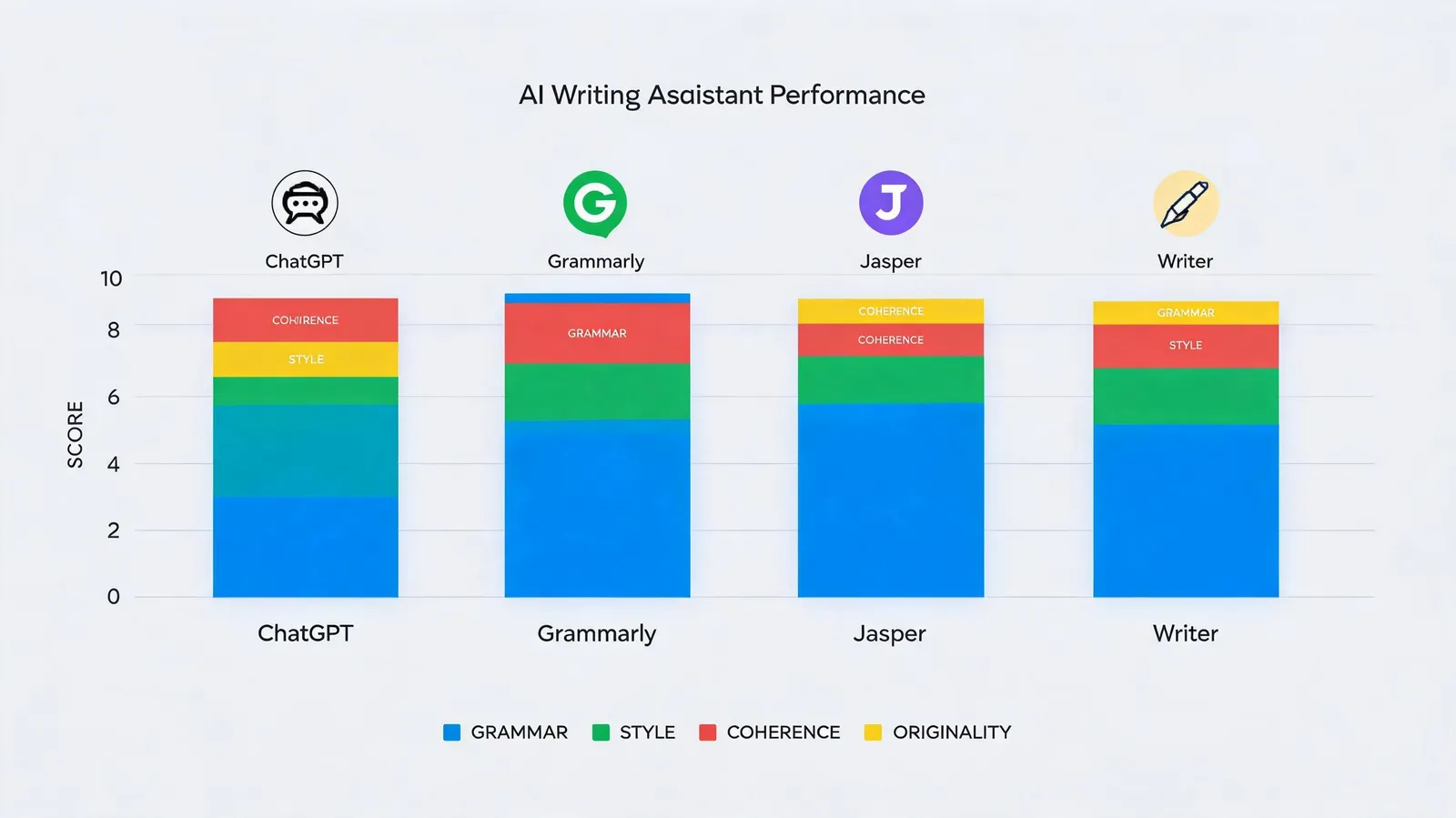
The range of available assistants is broad. In customer service, virtual assistants field routine questions and hand complex cases to human agents, providing round-the-clock coverage while maintaining quality. AI writing tools help content creators by producing drafts, recommending improvements, and adjusting tone for different audiences. Data analysts turn to AI assistants to generate reports automatically, spot trends, and flag anomalies that warrant human scrutiny.
How these tools are integrated matters a great deal for smooth collaboration. At a leading e-commerce company, the marketing team adopted AI content generation for first drafts of product descriptions and social posts; human editors then polished those drafts, instilling brand voice and creative touches. Content production time fell by 60%, and employee satisfaction rose 45% as staff shifted toward higher-value creative work instead of repetitive writing.
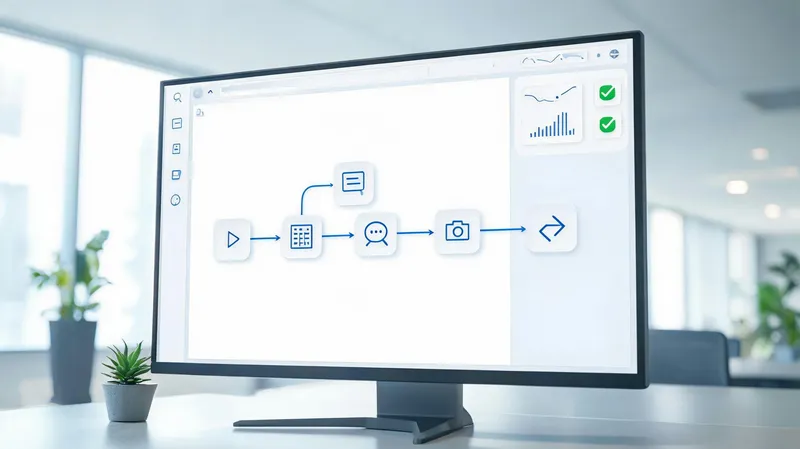
Workflow design deserves careful thought when integrating assistants. They tend to perform best on well-defined, repetitive tasks, leaving judgment-heavy activities to people. Organizations can map current workflows, pinpoint tasks that suit AI assistance, and set explicit protocols for human oversight and intervention.
Training and Upskilling for Human-AI Teaming
With AI increasingly embedded in daily workflows, the skills that make human-AI collaboration effective are changing quickly. Recent workforce surveys found that 72% of executives see AI as demanding significant upskilling efforts, while only 28% of organizations have comprehensive training programs in place.
Among the core skills for effective human-AI teaming are data literacy—interpreting and working with outputs from AI systems; critical thinking—assessing AI recommendations and spotting possible biases or errors; and familiarity with AI tools—knowing what different systems can and cannot do. Softer capabilities such as adaptability, collaboration, and communication also grow more important as people and AI systems work side by side.
Upskilling efforts benefit from a structured design. Successful programs commonly start with skills assessments to surface gaps, then move to targeted modules that pair conceptual knowledge with hands-on practice. One financial services firm, for instance, ran a six-week AI upskilling program with workshops on prompt engineering, data interpretation, and ethical AI use; AI tool adoption rose 40% and decision quality metrics improved 25%.
The return on upskilling can be considerable. Organizations that invest in thorough AI training report adoption rates 30–50% faster and markedly greater employee confidence in working alongside AI systems. Treating upskilling as a continuing process—with refresher courses and updates as AI capabilities change—rather than a one-off event is the key.
Conclusion
Human-AI collaboration points to the future of work: augmented decision support sharpens human judgment, AI assistants raise productivity and creativity, and deliberate upskilling equips the workforce for effective human-AI teaming. Organizations that take this collaborative route stand to gain through better decision quality, greater efficiency, and higher employee satisfaction.
The outlook for human-AI collaboration is encouraging, with deeper AI integration anticipated across industries. As AI systems grow more capable, human roles will shift from executing tasks toward strategic oversight and creative direction. Investing in appropriate technologies, training programs, and organizational culture lets businesses build human-AI teams that drive innovation and success in the years ahead.