AI is now a tangible force reshaping how work gets done. Companies adopting AI workflows face a two-sided coin: some jobs are being displaced, while new roles are emerging—and there's an urgent need to reskill staff and steer cultural change. This piece examines these linked challenges and outlines approaches for business leaders, HR teams, and operations managers to steer through the AI-driven workforce shift.
Job Displacement and Creation: Two Sides of AI
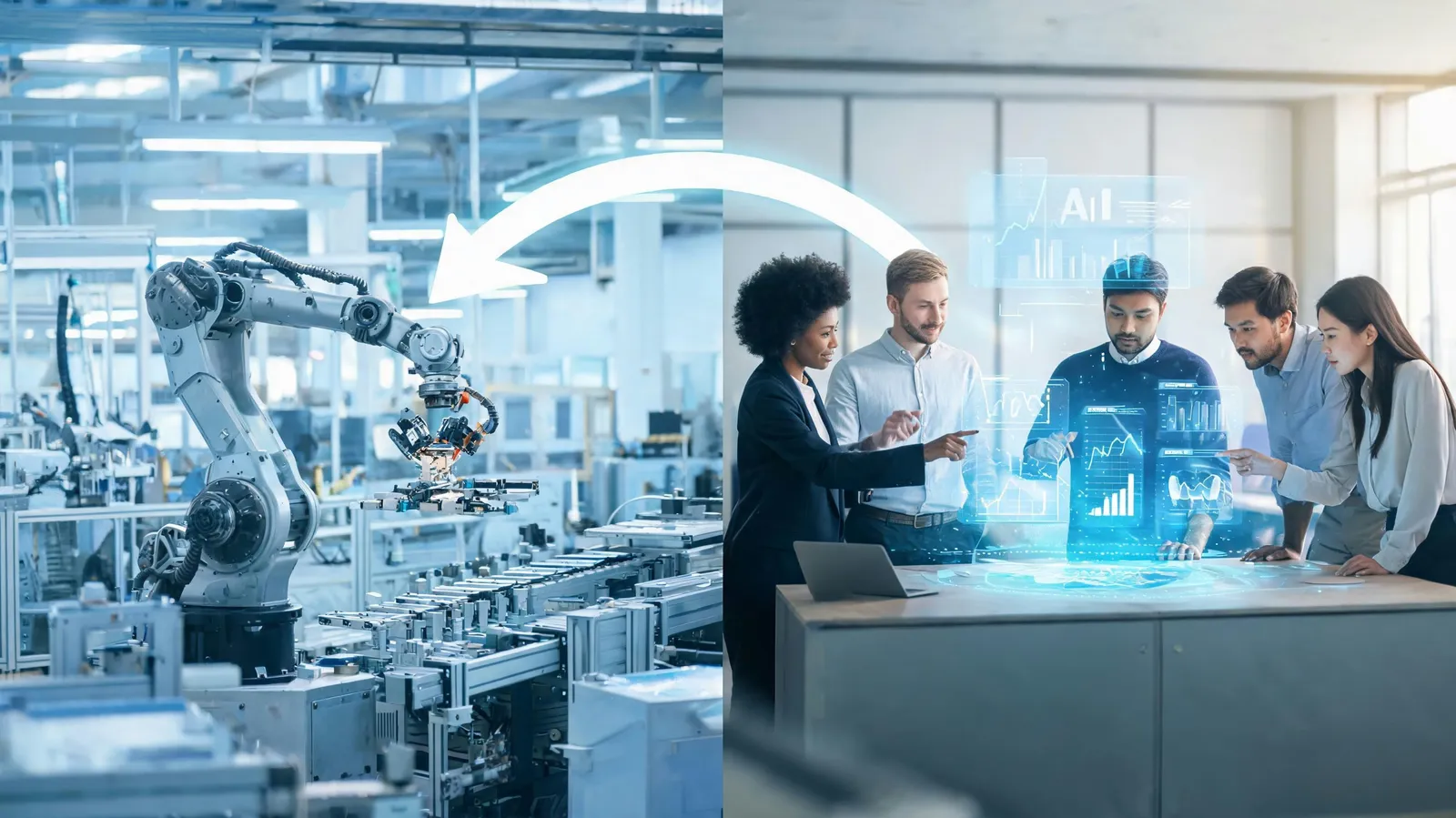
Automation powered by AI is taking over routine tasks, causing displacement in certain occupations. McKinsey estimates that as many as 375 million workers might need to change occupational categories by 2030. Examples range from automated customer service chatbots to robotic assembly lines in manufacturing. Yet AI also generates new job categories and enhances existing ones. Emerging roles include AI ethics specialists, data annotators, and prompt engineers. In one instance, a major tech company retrained displaced call center staff to become AI trainers who monitor chatbot interactions and refine algorithms. This dual reality highlights the need for proactive transition management.
Reskilling and Talent Development: Cultivating an AI-Ready Workforce

To succeed in an AI-enhanced workplace, organizations must pinpoint skill gaps and create focused training programs. The World Economic Forum states that 50% of all employees will require reskilling by 2025. A successful reskilling effort at a global tech firm involved evaluating employees' skills, building personalized learning paths, and offering courses in data literacy, AI basics, and soft skills such as critical thinking. Cultivating a continuous learning culture is equally vital. Offering accessible learning platforms—like online courses and workshops—can deliver strong returns. A manufacturing company teamed up with an online learning platform to upskill its workforce in digital technologies, which led to higher productivity and better employee retention.
Change Management and Organizational Culture: Guiding the AI Transition
Overcoming resistance and building trust are essential for successful AI integration. Studies indicate that 70% of change initiatives fail because of employee resistance. Clear communication and robust leadership can reduce this risk. For instance, a financial services firm used town halls and feedback channels to smooth AI adoption, achieving greater employee buy-in. Fostering an agile culture that encourages experimentation and cross-functional collaboration is also crucial. One organization established AI champions and innovation labs, which improved employee engagement and retention. By involving staff in the AI journey, leaders can transform skepticism into enthusiasm.
Conclusion
Handling job displacement, reskilling, and cultural change are interlocking elements of AI workforce transformation. Proactive strategies not only reduce risks but also build a more resilient and competitive workforce. As AI continues to advance, organizations that invest in their people and culture will be best positioned to leverage AI's potential to augment human capabilities and create more fulfilling work.