Virtual Therapy That Watches and Corrects
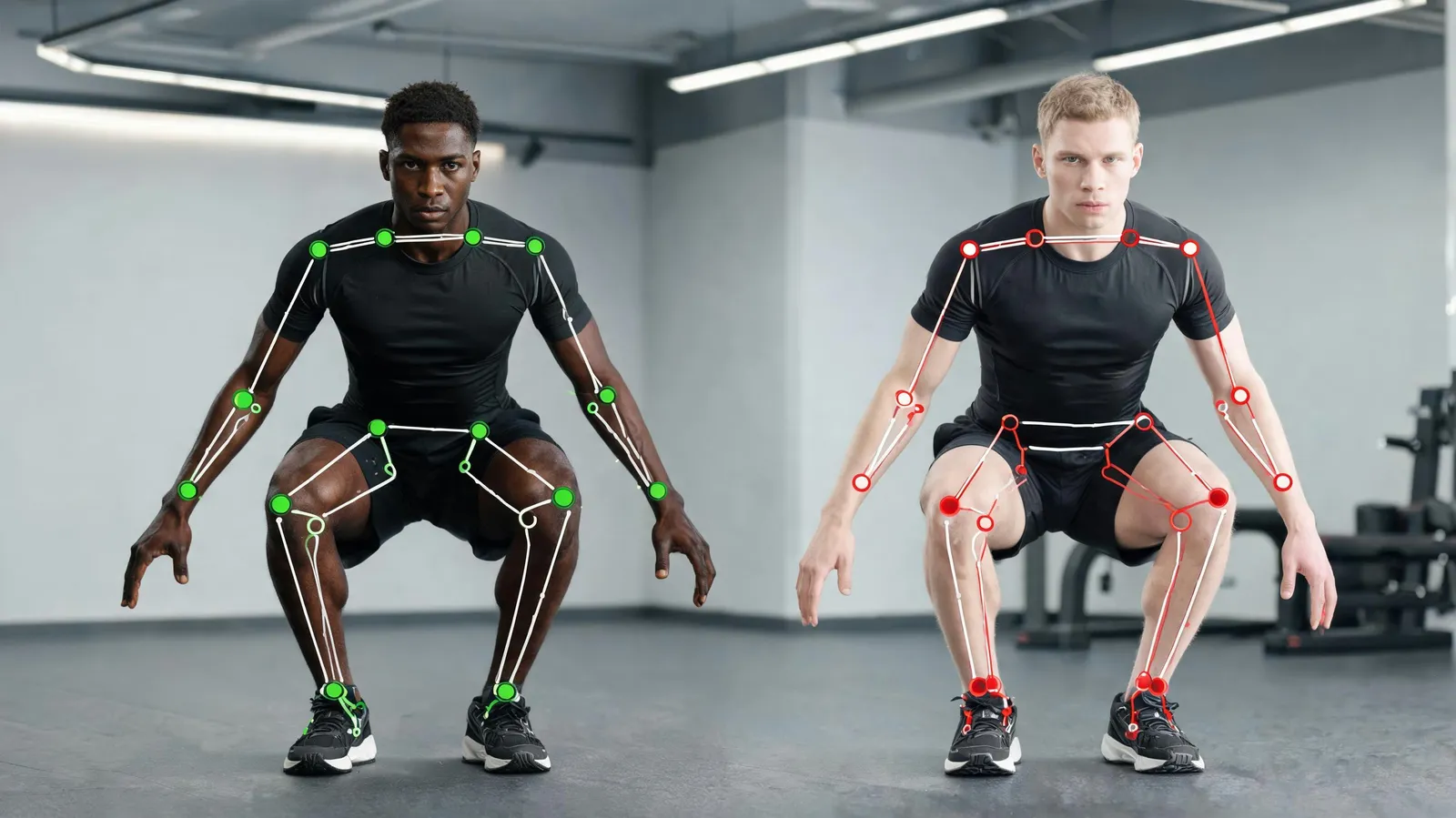
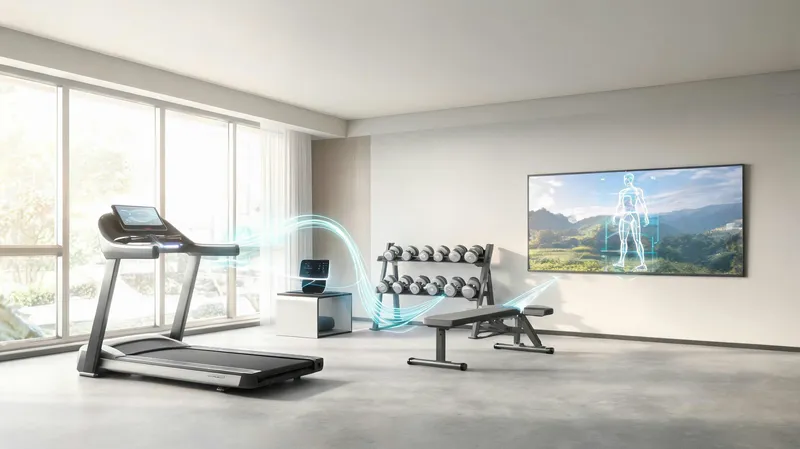
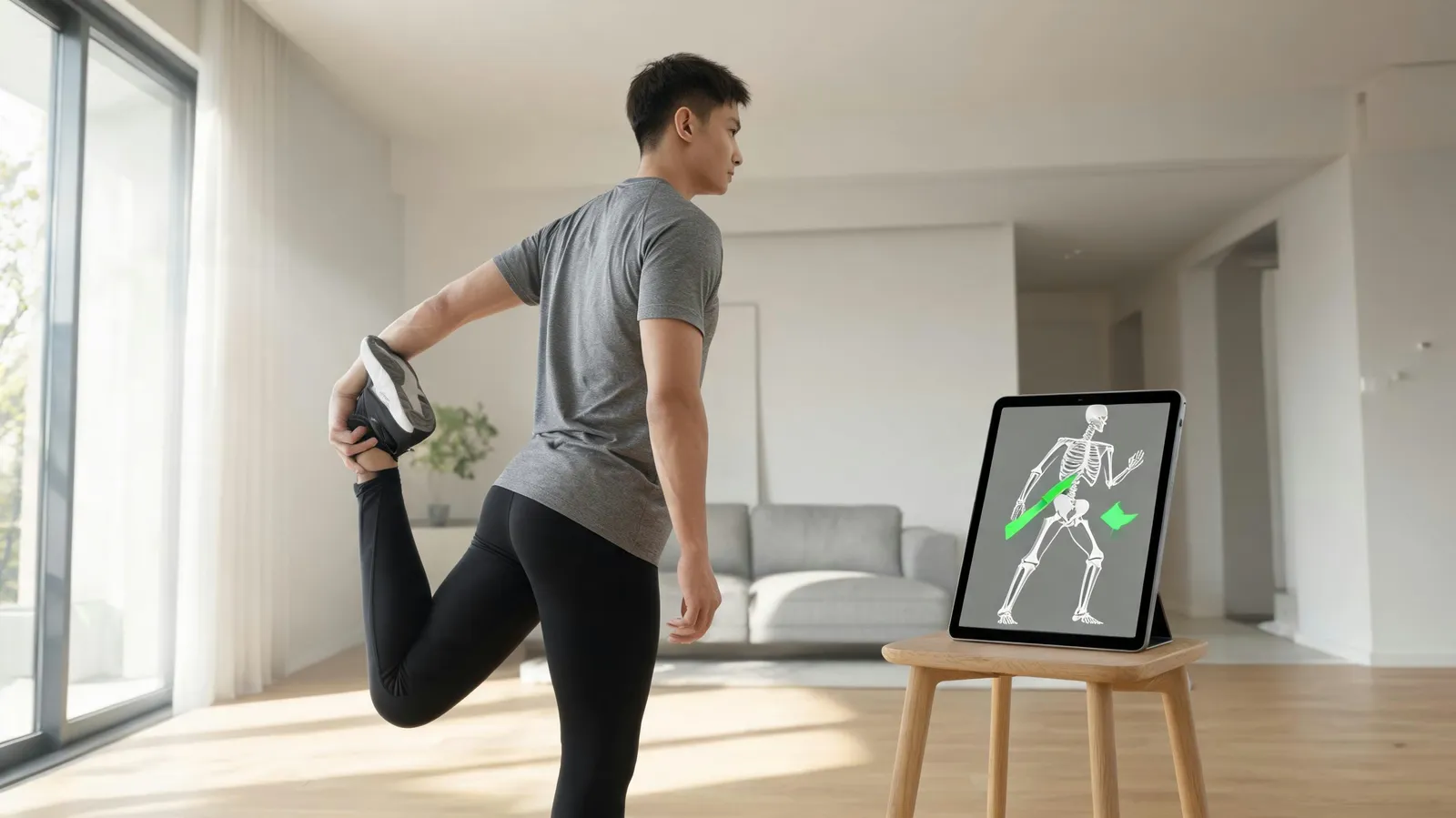
AI-driven virtual therapists deliver feedback in the moment and help patients correct their exercises, bringing tailored rehabilitation to far more people. Using computer vision and machine learning, these systems examine a patient's motions through a phone or tablet camera and respond with immediate corrections and encouragement. Research indicates that therapy guided this way boosts adherence to exercise routines and improves results, especially for home-based programs where patients frequently go without direct supervision. Platforms such as Reflexion Health and Kaia Health, for instance, offer interactive sessions that shift with each patient's progress, cutting down on the number of clinic visits required.
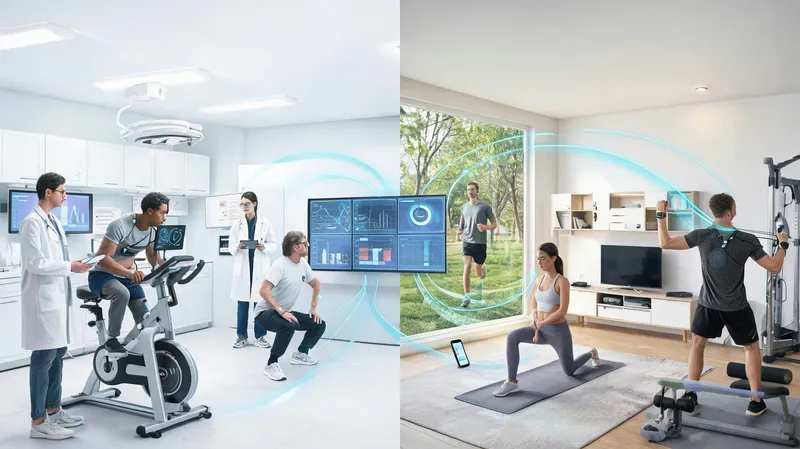
Computer vision and wearable sensors add remote monitoring to AI-guided therapy, following progress and highlighting deviations. Figures from these systems point to a marked drop in hospital readmissions and stronger patient engagement. Case studies, including work from Physitrack, show that remote rehabilitation can match in-person therapy in outcomes while widening access for patients in underserved regions.
Forecasting Injury Risk and Recovery Timelines
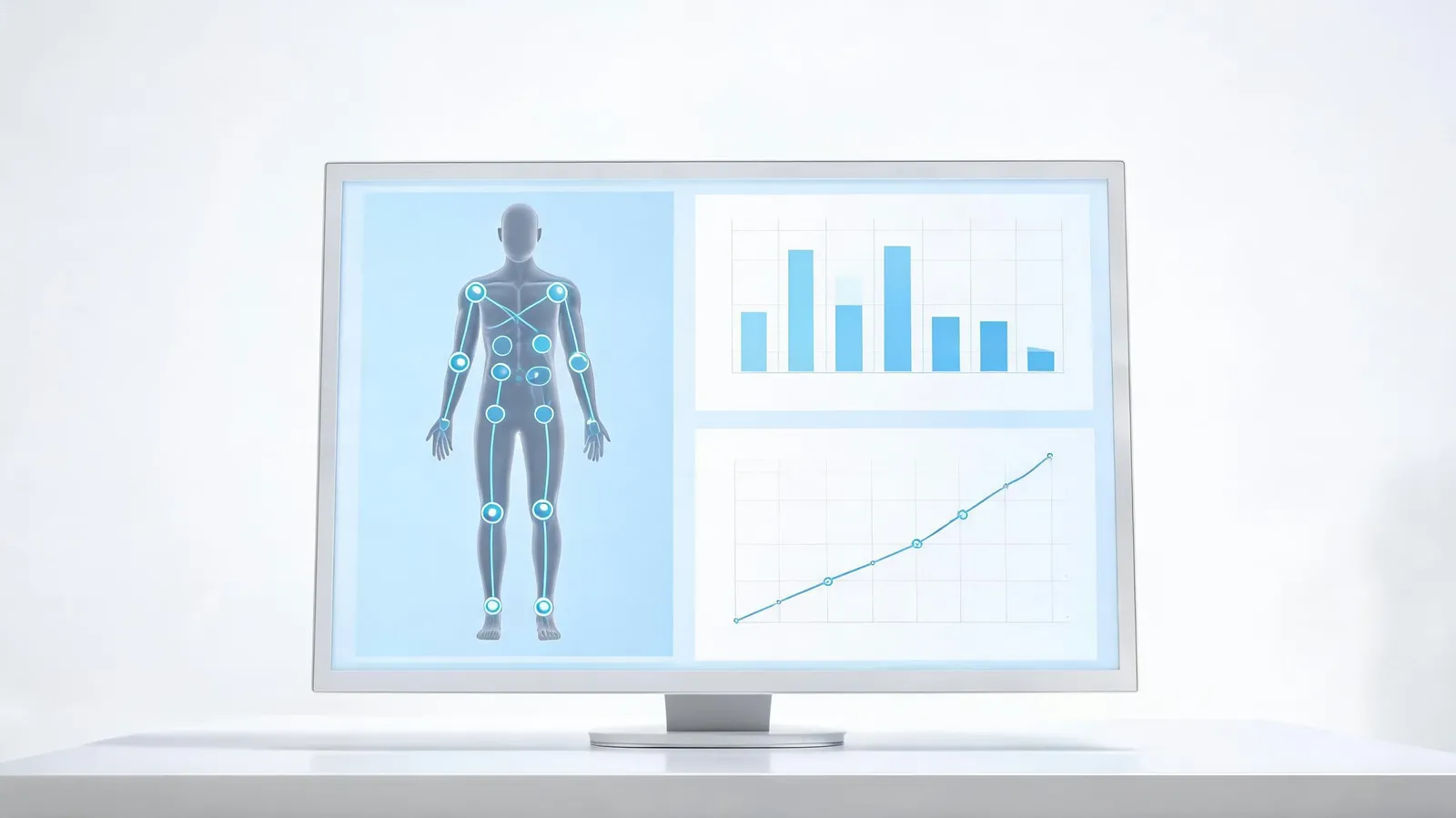
Machine learning models are being applied more and more to patient data—electronic health records, wearable sensor readings, and biomechanical assessments among them—to estimate injury risk and tailor recovery timelines. In sports medicine, AI-based risk assessment tools have been found to cut injury rates by as much as 30% by spotting high-risk athletes and suggesting preventive measures. Kitman Labs, for example, uses AI to help professional teams track athlete workload and estimate the likelihood of injury.
AI algorithms also project recovery timelines and refine treatment plans by learning continuously from patient progress. Research suggests that rehabilitation plans personalized with AI can shorten recovery by 20-30% relative to standard protocols. Case studies reported by Healthcare IT News describe how AI-driven platforms tune therapy intensity and duration from real-time data, so patients get the right amount of rehabilitation at the right time.
Body-Worn Sensors for Ongoing Progress Tracking
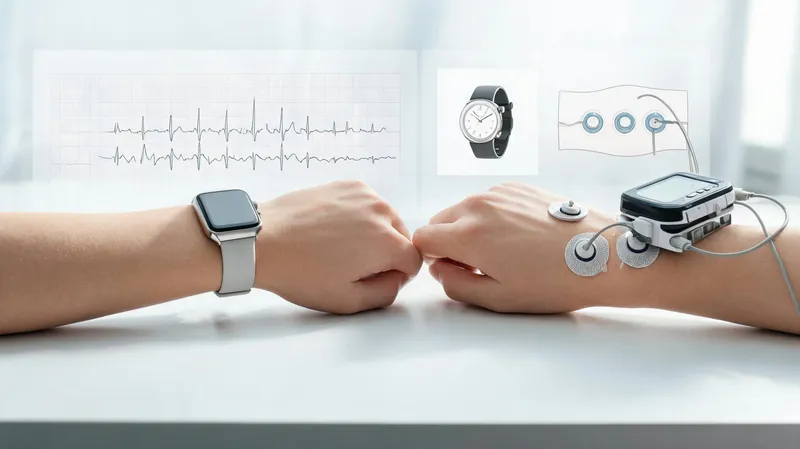
Wearable devices—smart bands and motion sensors among them—gather real-time data on movement quality, range of motion, and vital signs, creating a continuous stream of information for rehabilitation monitoring. These sensors are highly accurate and reliable; studies show measurement errors under 5% for joint angle tracking. Wearable systems such as Hocoma's let therapists monitor patients remotely and adjust therapy when needed, which improves engagement and adherence.
Combining wearable sensor data with AI makes personalized feedback and dynamic therapy adjustments possible. Cyberdyne's HAL (Hybrid Assistive Limb), for instance, reads bioelectric signals to control exoskeletons, helping patients perform movements and giving real-time feedback. Studies report that sensor-driven rehabilitation raises patient motivation and speeds functional recovery, particularly in stroke and orthopedic rehabilitation.
Proving Rehab AI Works and Getting It Approved
Rigorous clinical trials are needed to confirm the efficacy and safety of AI in rehabilitation. Regulatory frameworks such as those from the FDA and CE marking offer approval pathways, yet adapting traditional trial designs to AI's iterative nature remains difficult. One successful example is MedRhythms, an FDA-cleared AI-based rehab tool that uses sensors and AI to deliver music-based therapy for stroke rehabilitation.
Working through regulatory pathways calls for early engagement with regulators and strong evidence generation. Tactics include adaptive trial designs and real-world evidence collection. Experts suggest regulatory trends are shifting toward more flexible frameworks for AI, with emphasis on post-market surveillance and continuous learning. Case studies of approved rehab AI tools underline how important it is to demonstrate clinical benefit and safety through rigorous validation.
Outlook
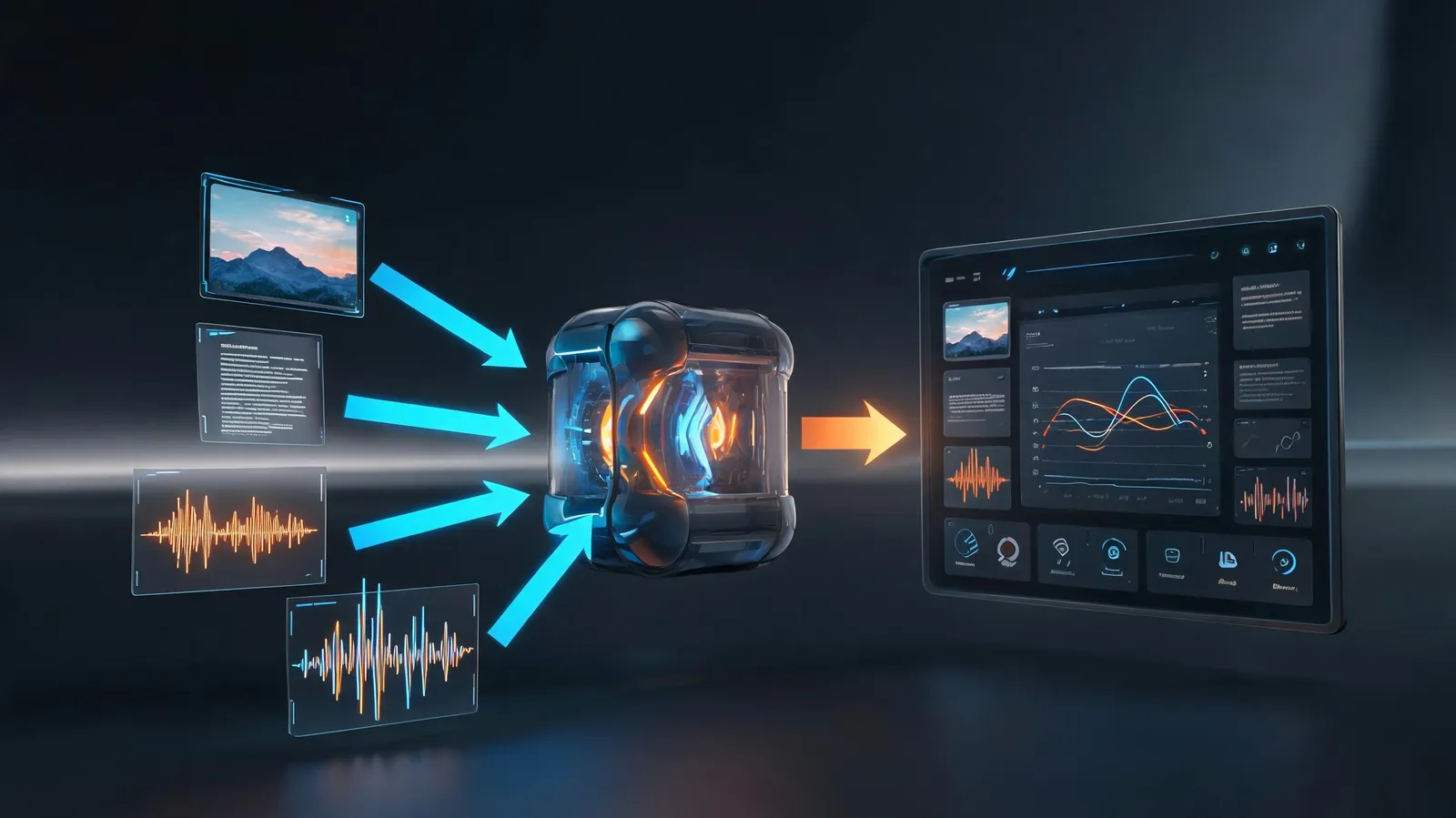
By making virtual therapists, predictive analytics, and wearable sensors available, AI is moving rehabilitation toward personalized, data-driven care. These technologies improve recovery outcomes, lower healthcare costs, and broaden access to rehabilitation. As clinical validation and regulatory pathways mature, combining AI with telemedicine and personalized medicine holds out the prospect of seamless, patient-centered rehabilitation. Healthcare professionals and technology enthusiasts should embrace this shift to unlock the full potential of AI rehabilitation.