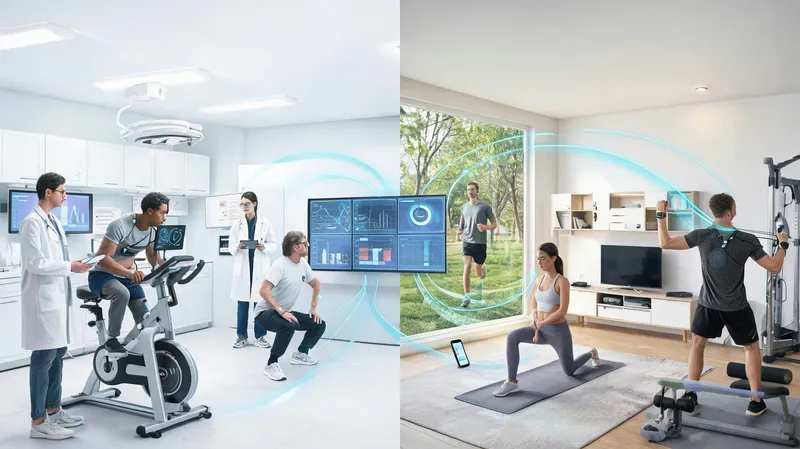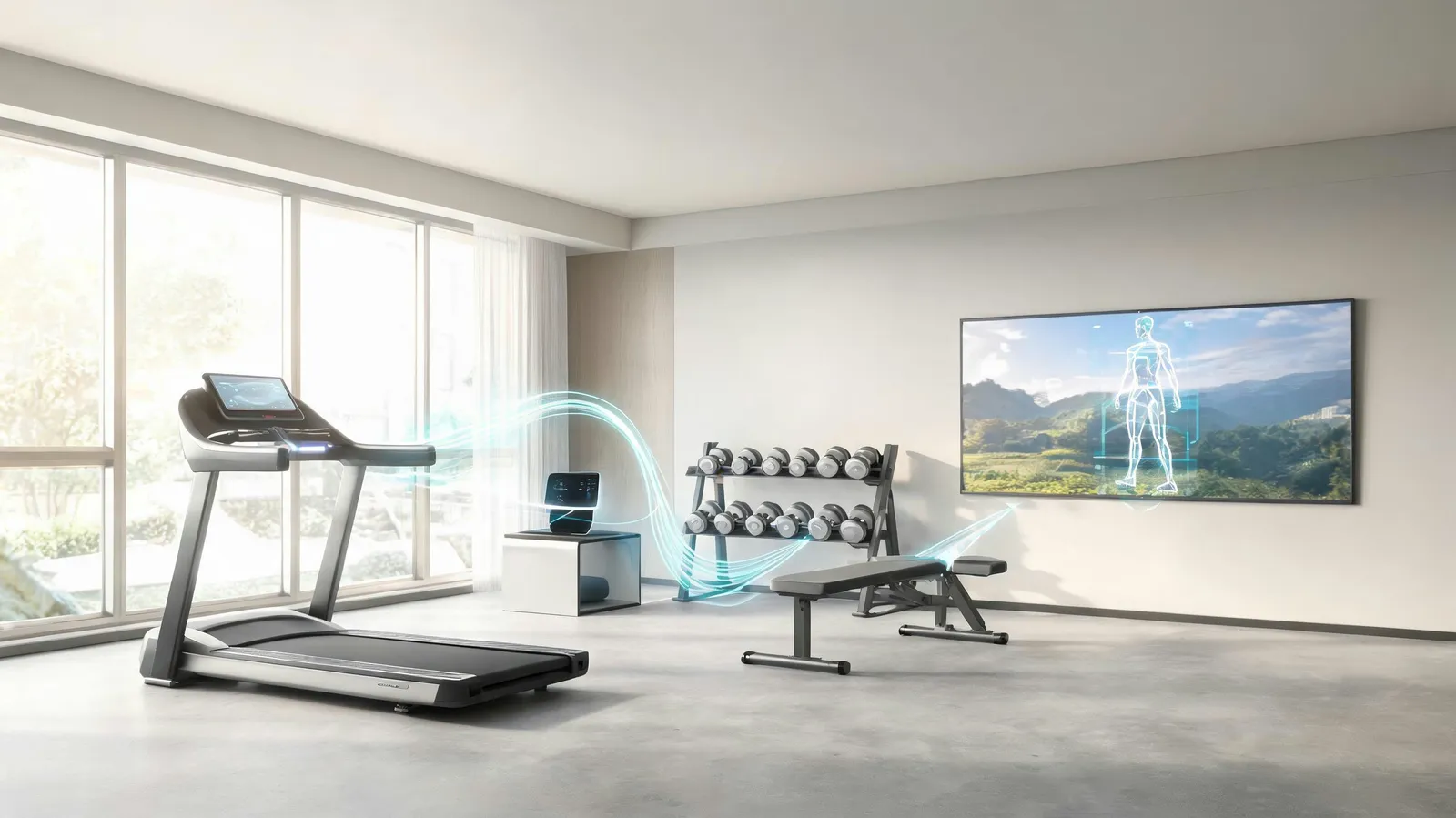
The home fitness market is expanding rapidly, yet many home gyms remain a collection of disconnected machines. Traditional workouts at home often lack immediate feedback, personalization, and data-driven guidance. By weaving together connected equipment, AI automation, real-time sensors, interoperability, and security, IoT integration can transform a home gym into an intelligent fitness ecosystem that improves performance, safety, and the overall user experience.
Connected Equipment and AI-Powered Workout Automation
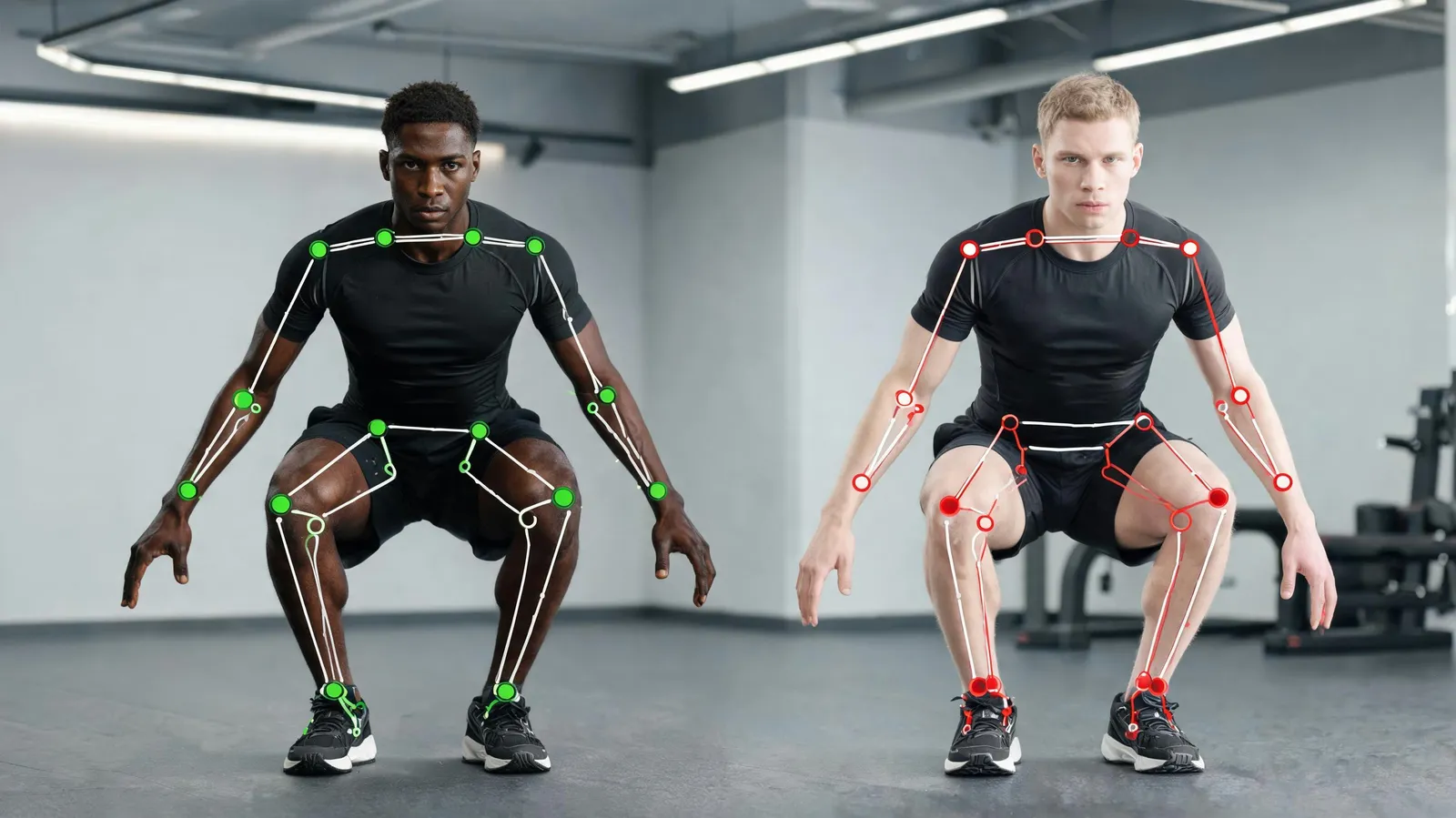
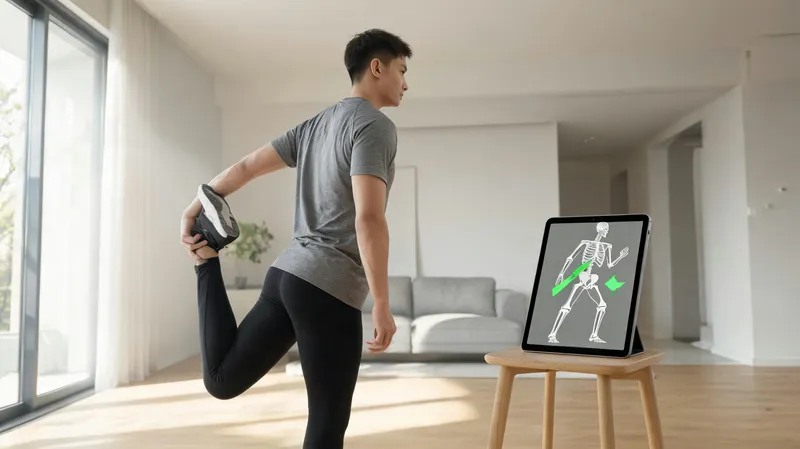
Smart machines—connected treadmills, smart weights, rowing machines—can modify resistance, speed, and incline on the fly in response to how the user is performing. Peloton’s auto-resistance and AI-based form correction, for instance, help users keep proper form and intensity. Research indicates a 30% improvement in workout adherence when AI-personalized plans are used. AI algorithms build adaptive training plans, offer real-time coaching, and anticipate performance plateaus. Tonal’s AI-driven resistance and form feedback illustrates this approach, lowering injury risk through automated form correction.
IoT Sensors for Real-Time Performance Tracking and Feedback
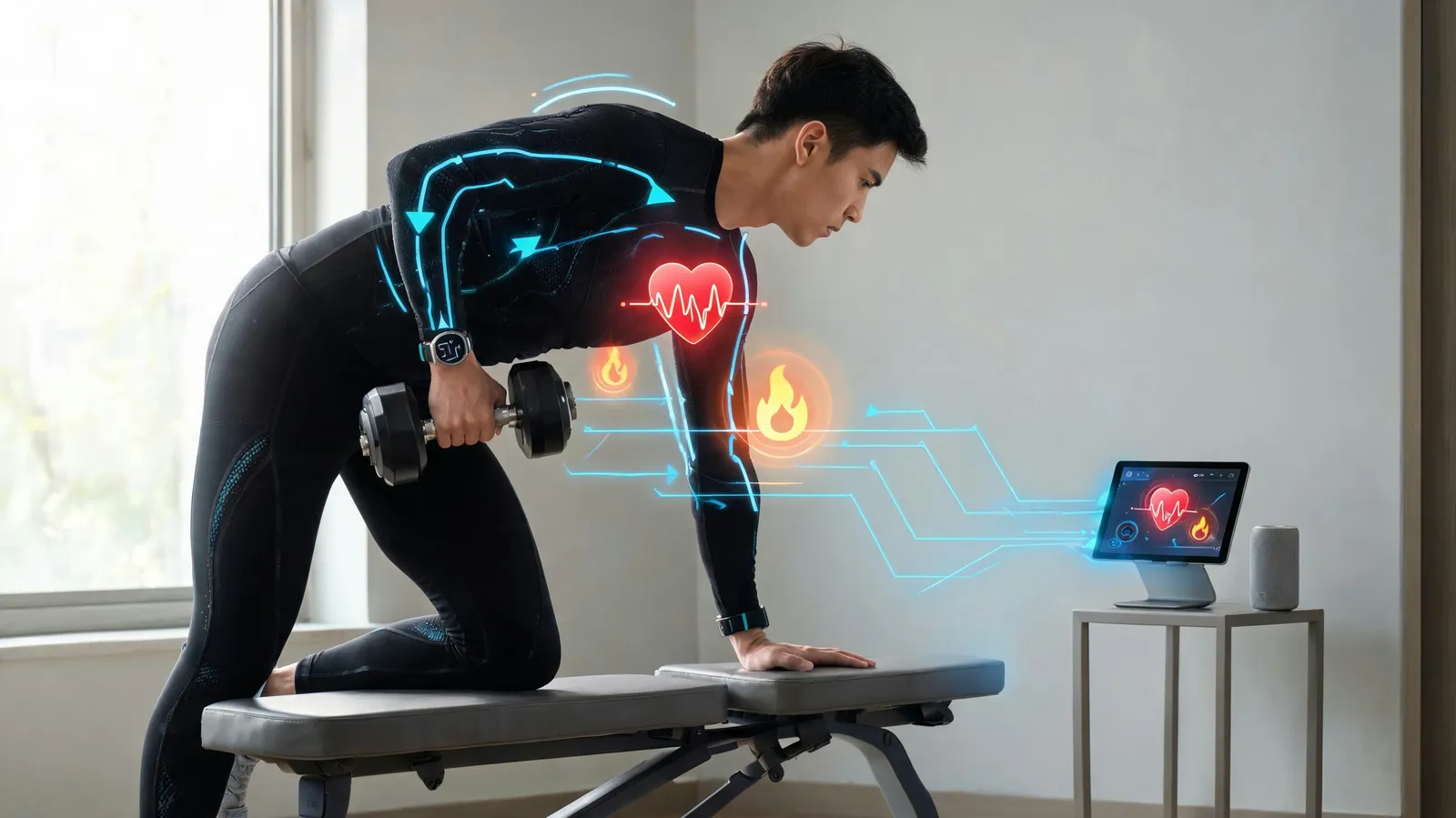
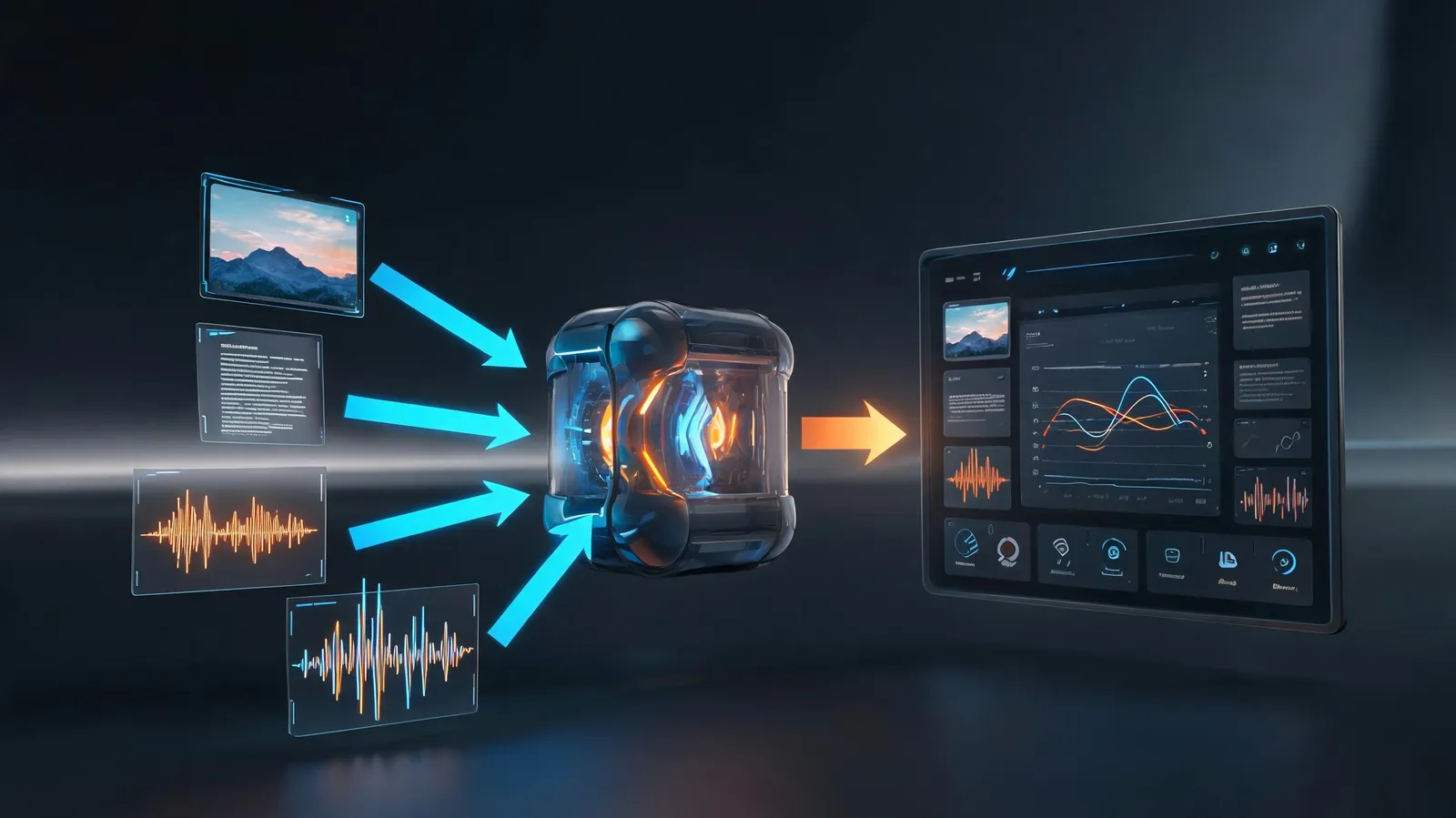
Wearable and environmental sensors—heart rate monitors, smart clothing, motion sensors, air quality sensors—deliver continuous data during exercise. The WHOOP strap paired with smart mirrors provides real-time heart rate zone feedback, resulting in a 25% increase in training efficiency. Real-time feedback mechanisms such as haptic feedback, audio cues, and visual dashboards guide users to maintain optimal intensity and form. Smart home gym systems can adjust workout intensity based on fatigue detection, while sleep and HRV tracking support recovery.
Interoperability and Data Standards Across Smart Fitness Devices
Fragmented ecosystems with proprietary protocols create data silos and frustrate users—40% of users report device incompatibility issues. Emerging standards like Bluetooth LE, ANT+, Apple HealthKit, and Google Fit enable interoperability and unified data dashboards. Smart home gym hubs aggregate data from multiple devices, offering holistic health insights, seamless workout transitions, and future-proofing investments.
Security and Privacy Challenges in Smart Home Gyms
Potential security vulnerabilities include unencrypted data transmission, weak authentication, and device hijacking. Reported cases of smart home gym devices being hacked highlight the risk, with 60% of IoT fitness devices having known vulnerabilities. Privacy concerns involve collection of sensitive health data, sharing with third parties, and lack of user control. Best practices include strong encryption, regular firmware updates, user consent, and data anonymization.
Conclusion
IoT integration—connected equipment, AI automation, real-time sensors, interoperability, and security—collectively enhances the home gym experience. IoT has the potential to democratize personalized fitness, improve outcomes, and prevent injuries. The future lies in AI, edge computing, and standardized protocols for predictive, secure, and seamless fitness ecosystems.