The appetite for programming skills keeps rising, yet conventional education is hard-pressed to match the speed of technological change. AI assistants such as GitHub Copilot and ChatGPT are already altering the way code gets written, which raises pressing questions about instruction, evaluation, and learning. This article explores how AI is doing more than serving as a coding tool—it is reshaping programming education at a fundamental level, affecting everything from individualized tutoring and course design to academic integrity and lifelong reskilling.
AI Assistants in the Classroom: Individualized Learning at Scale
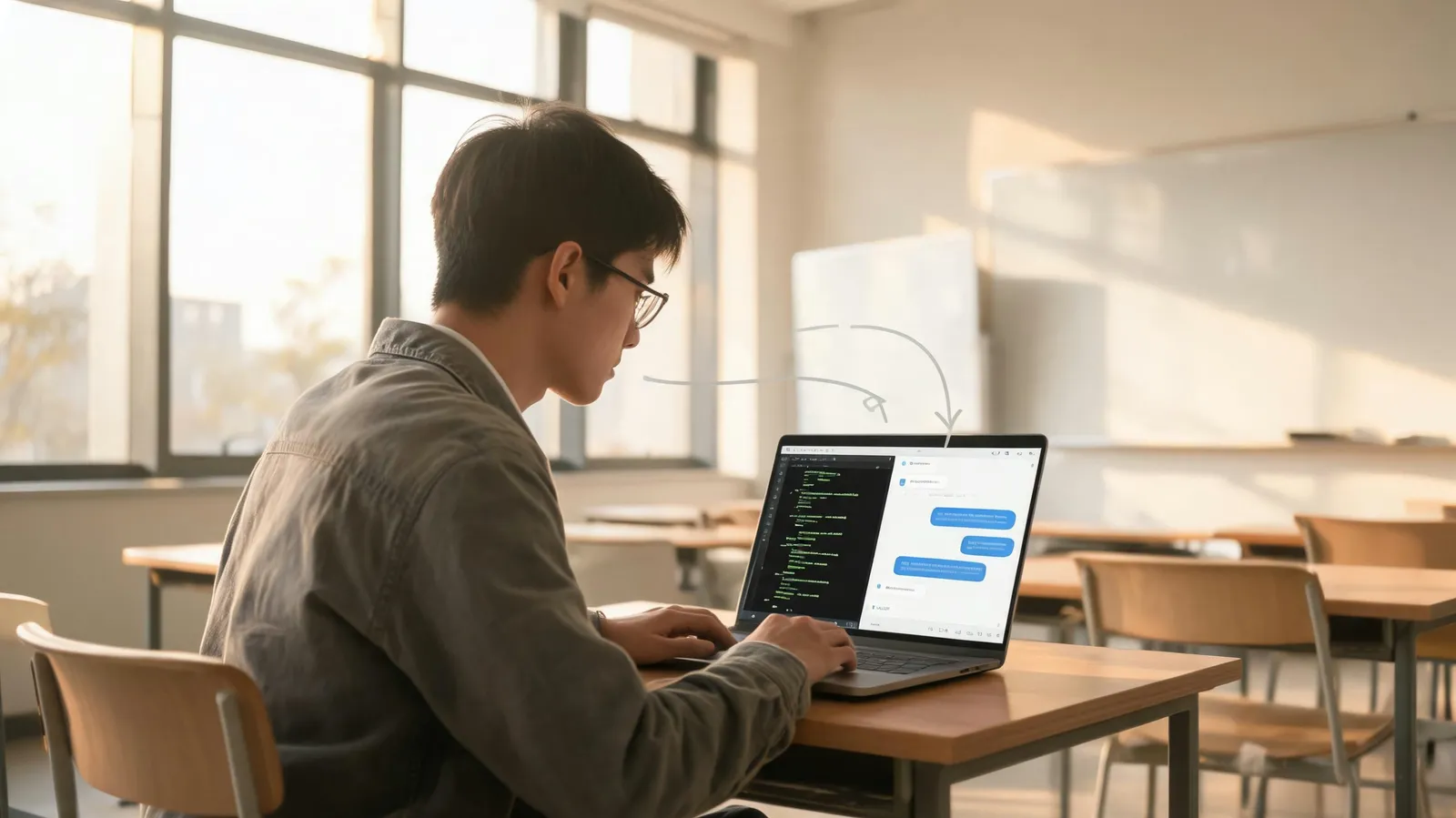
Tutoring systems driven by AI are changing how students pick up coding. Such systems supply immediate explanations of code, help with debugging, and context-aware hints that stop short of handing over complete solutions. In contrast to a conventional classroom where a single instructor serves a large group, AI assistants deliver personalized feedback around the clock. Research from institutions including Stanford and MIT has found better learning results and lower dropout rates in introductory programming courses when AI tutors are integrated with care. AI assistants, for instance, can produce practice problems matched to a student's present skill level, so learners are neither bored nor overloaded. Personalization on this scale was not feasible before.
Still, leaning too heavily on AI help carries notable risks. Work on 'AI dependency' suggests that students may not build critical problem-solving and debugging skills when AI tools are available at all times. Recommended practice points to scaffolded fading of assistance—gradually reducing AI support as students show mastery. Educators need to treat AI assistants as supplements to human instruction, not substitutes for it. The aim is to cultivate independent thinkers who can use AI well while keeping core competencies.
Course Design for AI-Assisted Software Engineering: Preparing Students for Tomorrow's Workplace
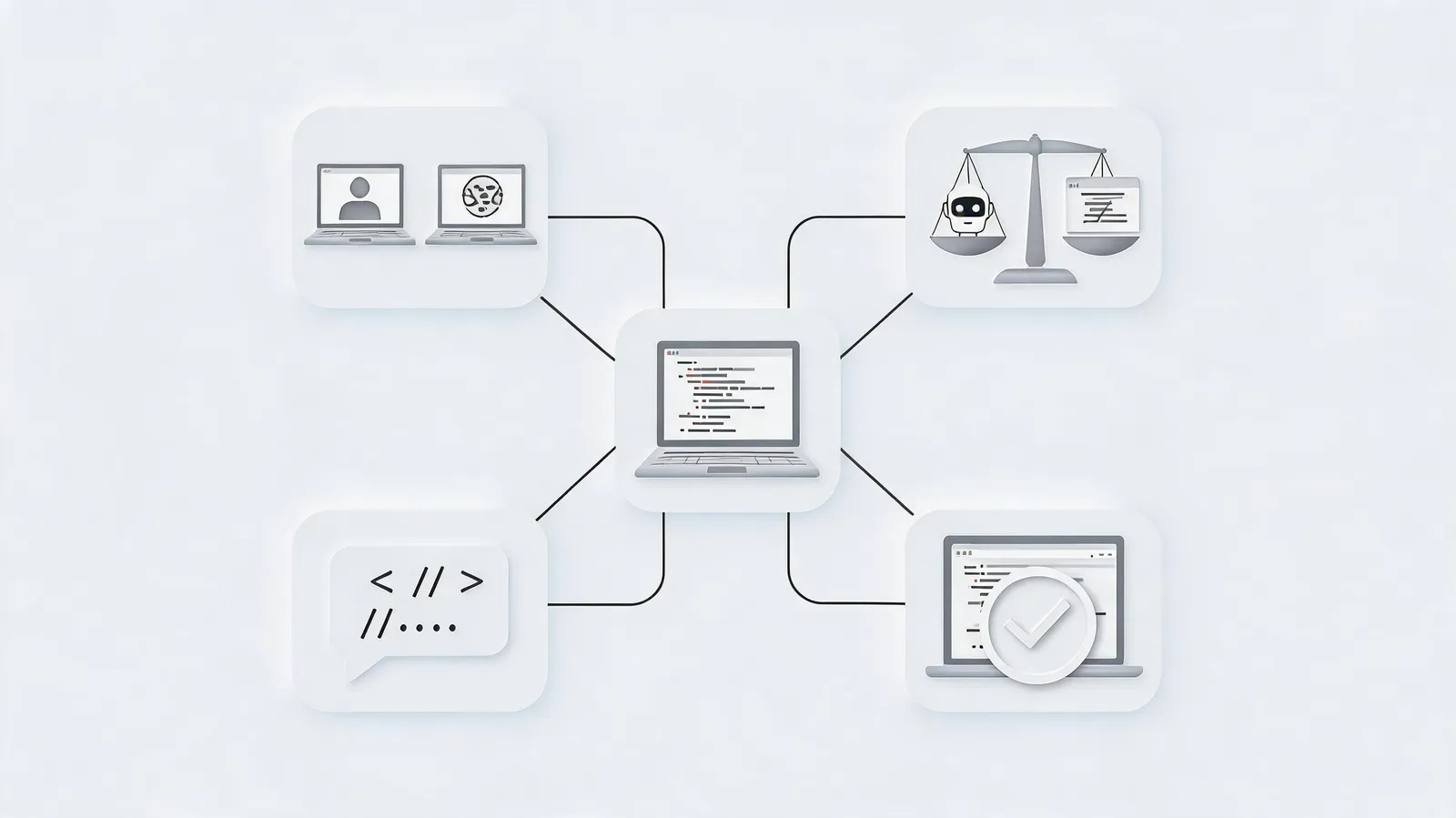
Programming curricula need to adapt so they include AI tools, ethical considerations, and current software engineering practices. Bringing AI into project-based learning means teaching students to work alongside AI, review code produced by AI, and handle workflows augmented by AI. Universities such as Carnegie Mellon and Georgia Tech have reworked courses to incorporate AI pair programming, in which students complete assignments alongside AI assistants. Feedback from industry repeatedly stresses that employers now expect graduates to be proficient in prompt engineering, validation of AI output, and grasping the limits of AI-generated code.
Ethical and societal implications deserve attention as well. Technical courses should embed discussion of bias, privacy, and responsible AI use. Modules that pair coding assignments with reflection on AI ethics help students build a holistic grasp of their responsibilities as future developers. Frameworks for evaluating ethical reasoning alongside technical proficiency are beginning to appear, so that graduates are not only capable coders but also conscientious practitioners.
Integrity and Assessment: Rethinking How Programming Skills Are Evaluated
Conventional exams and assignments are looking increasingly inadequate in an era of AI-generated code. Accounts of rising plagiarism and the difficulty of spotting AI-generated submissions have led educators to question whether current assessment methods are valid. Surveys point to broad instructor concern about preserving academic integrity. The difficulty is not only detection—it is designing assessments that accurately gauge a student's understanding and capacity to apply knowledge.
Alternative assessment approaches are drawing more interest. Oral code reviews, live coding sessions, project portfolios, and AI-assisted viva voce examinations let educators confirm student understanding in real time. Pilot programs that use oral exams to discuss submitted code have produced promising results in separating genuine comprehension from AI-generated work. Rubrics that reward effective collaboration with AI and critical evaluation of AI outputs are also under development. These methods move the emphasis from final products to learning processes and authentic tasks.
Lifelong Learning and Reskilling for Professional Developers: Succeeding in an AI-Driven Industry
The skill set professional developers need is changing quickly. Writing boilerplate code is becoming less central, while system design, reviewing AI outputs, and managing AI agents matter increasingly. Industry reports point to emerging job roles such as 'AI-augmented developer' and 'AI ethicist'. Senior developers say their daily work now involves more oversight of AI-generated code and less manual coding. This shift calls for continuous learning and adaptation.
Lifelong learning strategies include micro-credentials, online communities, and corporate training programs centered on AI collaboration. Effective reskilling initiatives often pair online courses with mentorship, giving developers both theoretical knowledge and practical guidance. Just-in-time learning platforms are especially useful for professional developers who need to gain specific skills quickly. Data indicates that developers who pursue continuous learning are better positioned to succeed in an AI-driven industry.
Conclusion
AI is reshaping programming education and professional development in far-reaching ways. From personalized AI teaching assistants that improve learning at scale to curriculum redesign that prepares students for AI-augmented workplaces, the landscape is changing quickly. Assessment methods are being rethought to uphold academic integrity while measuring authentic skills. For professional developers, lifelong learning and reskilling are no longer optional—they are essential for staying relevant. Educators, institutions, and developers must adapt proactively to AI integration. The future holds the potential for AI to democratize programming education, personalize learning pathways, and foster a culture of continuous upskilling. Embracing this transformation will help ensure that the next generation of developers is equipped to succeed in an AI-driven world.