AI coding assistants have swiftly transitioned from novelty to necessity across the software industry. Powered by large language models (LLMs), these tools can generate complete functions, propose fixes, and even design architectures. But behind the productivity gains lies a sobering truth: a range of studies indicates that a considerable share of AI-produced code carries security weaknesses. A 2024 study from Stanford University found that about 40% of code generated by widely used AI assistants contained vulnerabilities that attackers could exploit. This figure highlights an urgent need for effective detection, verification, and mitigation measures. The following sections examine key aspects of AI-generated code security—from spotting insecure patterns and applying formal verification to managing legal risks and countering adversarial prompts—and conclude with a framework for ensuring that AI-generated code is both efficient and trustworthy.
Identifying and Reducing Vulnerabilities in AI-Generated Code
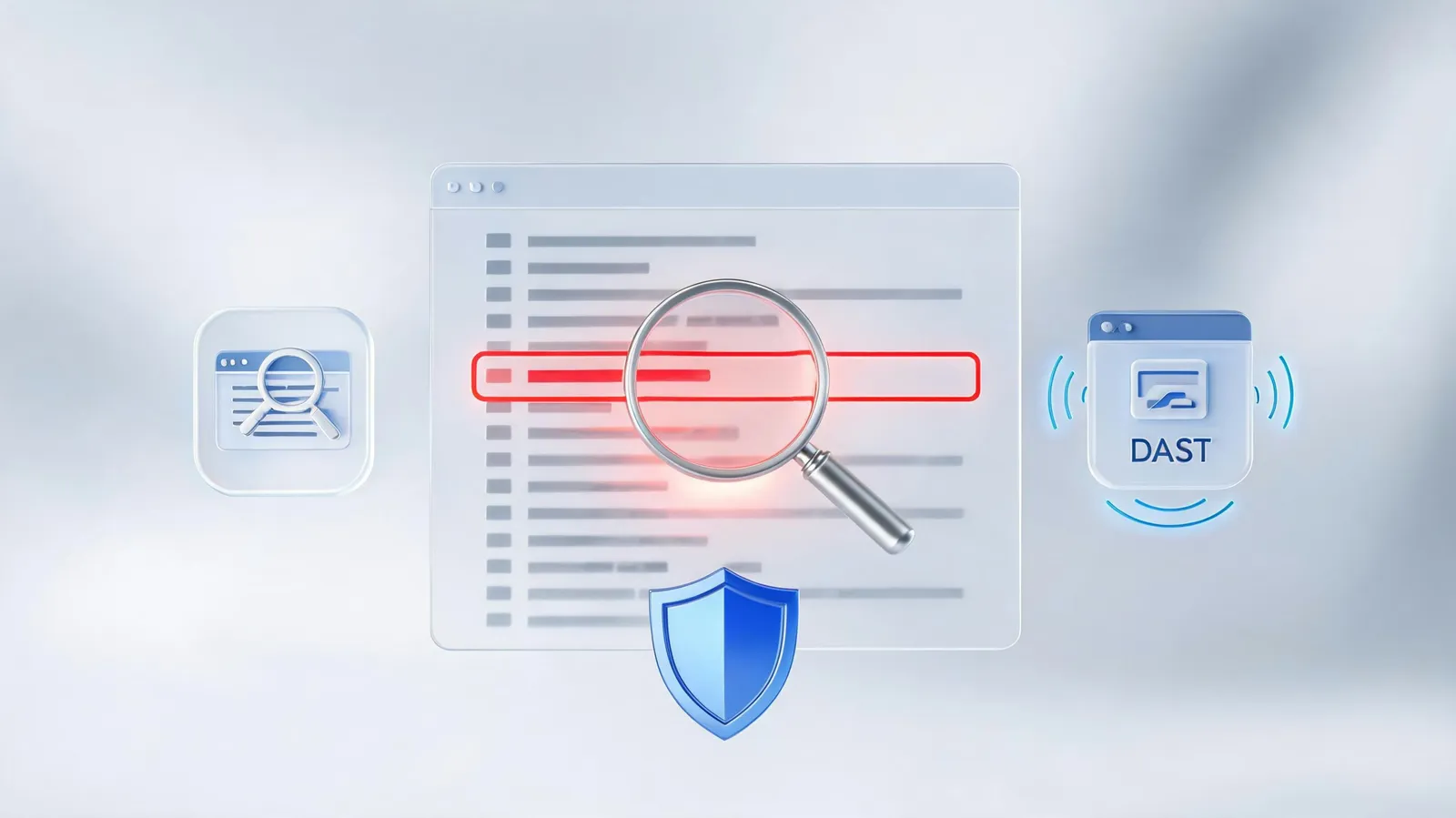
Detection is the first line of defense. AI models are trained on massive public code repositories, which often include obsolete or insecure patterns. Consequently, they may replicate common flaws such as SQL injection, cross-site scripting (XSS), and hardcoded credentials. A 2023 audit by the Cyentia Institute found that AI-generated code snippets had a 30% higher incidence of injection flaws compared with human-written code. To counter this, organizations need to embed specialized static and dynamic analysis tools into their AI-assisted workflows. Static Application Security Testing (SAST) tools, such as SonarQube and Checkmarx, can scan AI output for known vulnerability signatures. Dynamic Application Security Testing (DAST) tools, like OWASP ZAP, can test running applications for exploitable weaknesses. Case studies from GitHub and Microsoft indicate that integrating SAST into AI coding assistants, when paired with developer training, can reduce vulnerabilities by up to 60%. Mitigation strategies include secure prompting (crafting prompts that explicitly request secure coding practices), post-generation sanitization to remove hardcoded secrets, and ongoing developer education on AI-specific risks. The return on early detection is clear: fixing a vulnerability in production can cost 30 times more than addressing it during development.
Formal Verification and Testing of Generated Programs

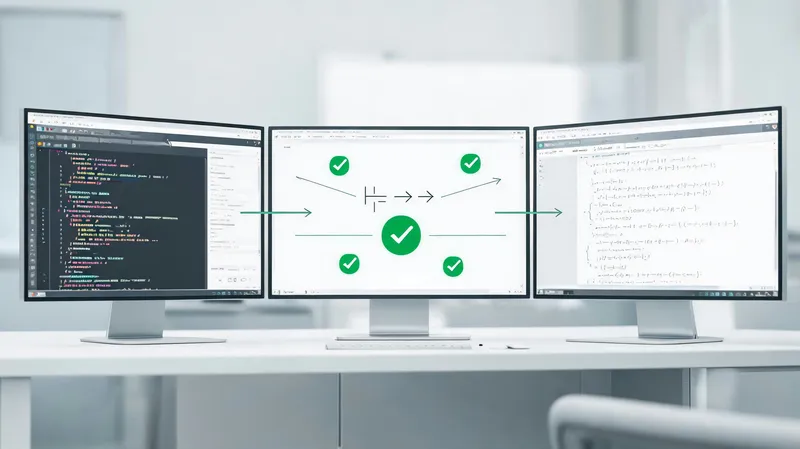
Detection tools catch known patterns, but ensuring correctness of AI-generated code demands more rigorous methods. Formal verification offers a mathematical approach to proving that a program meets its specifications. Techniques such as model checking and theorem proving have been successfully applied to critical systems, including aerospace and medical devices. Tools like Coq and Isabelle allow developers to write machine-checkable proofs of correctness. Applying formal verification to AI-generated code, however, presents unique challenges: the code may be complex, and the specifications may be incomplete. Nevertheless, recent research from MIT has shown that formal methods can verify AI-generated code for specific domains, such as cryptographic algorithms, with high accuracy. Beyond formal verification, automated test generation and property-based testing are essential. Fuzzing tools like AFL and property-based testing frameworks like QuickCheck can automatically generate test cases that uncover edge-case bugs. A 2024 study by Google found that property-based testing detected 45% more bugs in AI-generated code than traditional unit tests. Despite these advances, scalability and integration into CI/CD pipelines remain barriers. Verification can be time-consuming, and many organizations lack the expertise to implement it. To address this, industry leaders recommend a risk-based approach: apply formal verification to safety-critical components while using lighter-weight testing for less critical code.
Bias, Licensing, and Intellectual Property Concerns
Beyond security flaws, AI-generated code raises significant legal and ethical issues. Bias in AI code generation can originate from biased training data, leading to discriminatory algorithms in areas such as hiring or lending. For example, a 2023 study by the ACLU found that an AI-generated resume screener exhibited gender bias due to skewed training data. Licensing and intellectual property (IP) issues are equally pressing. AI models are often trained on open-source code under various licenses, and generated code may inadvertently reproduce licensed material without attribution. Legal cases, such as the ongoing lawsuit against GitHub Copilot, highlight the potential for copyright infringement. To mitigate these risks, organizations should adopt diverse training data practices, conduct regular bias audits, and use license scanning tools like FOSSA or Black Duck to ensure compliance. Additionally, implementing policies that require human review of AI-generated code for legal and ethical implications is crucial. By addressing bias and licensing proactively, companies can avoid costly litigation and reputational damage.
Robustness Against Adversarial Prompts and Code Injection
AI code generation systems are themselves vulnerable to adversarial attacks. Prompt injection, where malicious inputs manipulate the model's output, can lead to data leakage or the generation of malicious code. For instance, a 2024 research paper from ETH Zurich demonstrated how a crafted prompt could trick an AI assistant into revealing sensitive API keys. Code injection vulnerabilities in AI-generated code, such as unsanitized user inputs, are also prevalent and align with OWASP Top 10 risks. Defensive techniques include input sanitization, prompt hardening (e.g., using system prompts that restrict behavior), and runtime protection mechanisms like Web Application Firewalls (WAFs). Best practices from security frameworks such as NIST recommend a defense-in-depth approach: validate all inputs, limit model permissions, and monitor for anomalous outputs. As AI coding assistants become more integrated into development environments, securing them against adversarial manipulation is paramount to maintaining trust.
Conclusion
Securing the AI code revolution requires a holistic approach that spans detection, verification, legal compliance, and robustness. By integrating SAST/DAST tools, applying formal verification where feasible, addressing bias and licensing risks, and defending against adversarial prompts, organizations can harness the productivity benefits of AI while safeguarding software integrity. The future holds promise: AI systems may eventually self-verify their outputs, and emerging standards and regulations will provide clearer guidelines. Until then, a proactive, multi-layered strategy is essential. As you incorporate AI into your development workflow, remember that trust is earned through diligence. Stay informed, implement robust safeguards, and foster a culture of security awareness. The code revolution is here—let's ensure it's built on a foundation of quality, security, and correctness.