Introduction
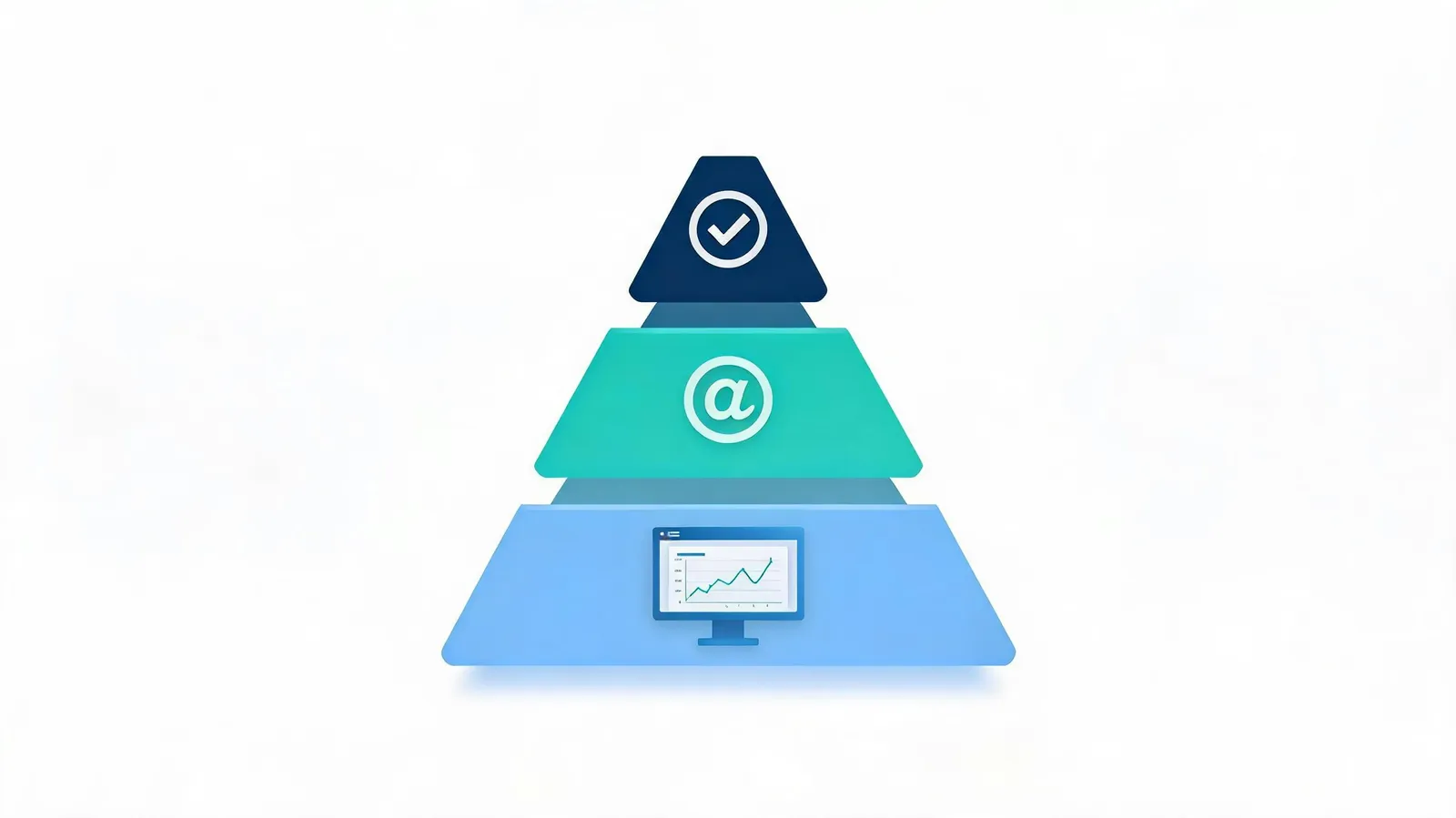
Artificial intelligence now underpins daily life—from recommendation engines and self-driving cars to medical diagnostics and financial platforms. But as these systems grow in complexity and autonomy, debugging them effectively has become a serious constraint. Traditional debugging tools, built for deterministic, human-authored code, are poorly suited to black-box models, non-deterministic behavior, and massive-scale deployment. Addressing this gap requires new paradigms: systems that can heal themselves, reasoning that goes beyond correlation to causation, and governance frameworks that ensure accountability. This article explores these three pillars and how they are shaping the next frontier of AI debugging.
1. Self-Healing and Self-Debugging AI Systems
Self-healing AI refers to systems that can autonomously detect, diagnose, and repair their own faults without human intervention. This paradigm draws inspiration from biological immune systems and distributed computing resilience. In an era where AI models are deployed across thousands of edge devices and cloud instances, manual debugging is no longer scalable. Self-healing mechanisms promise reduced downtime, lower maintenance costs, and continuous operation.
1.1 Autonomous Fault Detection and Recovery Mechanisms
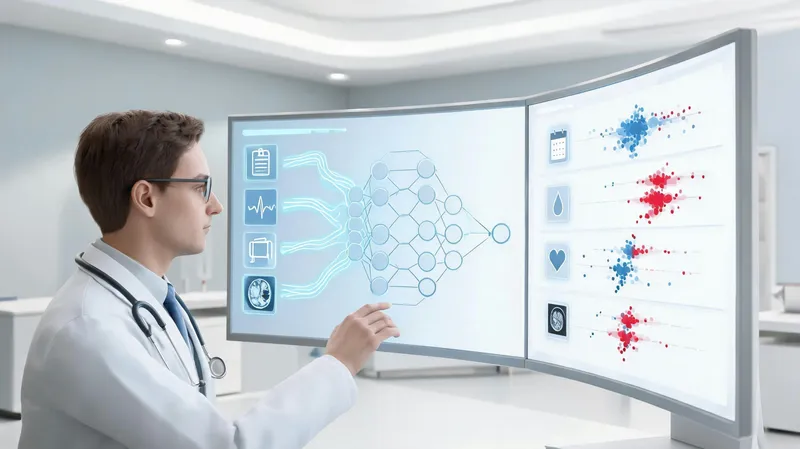
Autonomous fault detection involves continuous monitoring of model inputs, outputs, and internal states to identify anomalies. Techniques include statistical process control, autoencoders for anomaly detection, and runtime verification. Once a fault is detected, recovery mechanisms can range from simple rollback to retraining or dynamic reconfiguration. For example, in distributed AI systems like federated learning networks, if one node begins producing anomalous gradients, the system can isolate it and redistribute its workload. Metrics from industry deployments show that self-healing can reduce downtime by up to 70% and cut maintenance costs significantly.
1.2 Challenges in Implementing Self-Debugging: Interpretability and Safety
Despite the promise, self-debugging introduces serious challenges. The biggest is interpretability: if an AI system modifies its own code or weights, how can we understand what it did and why? Without interpretability, we cannot trust the repairs. Safety is another concern—self-modification could lead to unintended consequences, such as optimizing for a flawed metric or creating new vulnerabilities. Case studies, such as the 2016 Microsoft Tay chatbot incident, illustrate how autonomous learning can go awry. Research on safe self-modification emphasizes sandboxed environments, formal verification of repair actions, and human-in-the-loop oversight for critical systems.
2. Causal Inference and Counterfactual Reasoning for Debugging
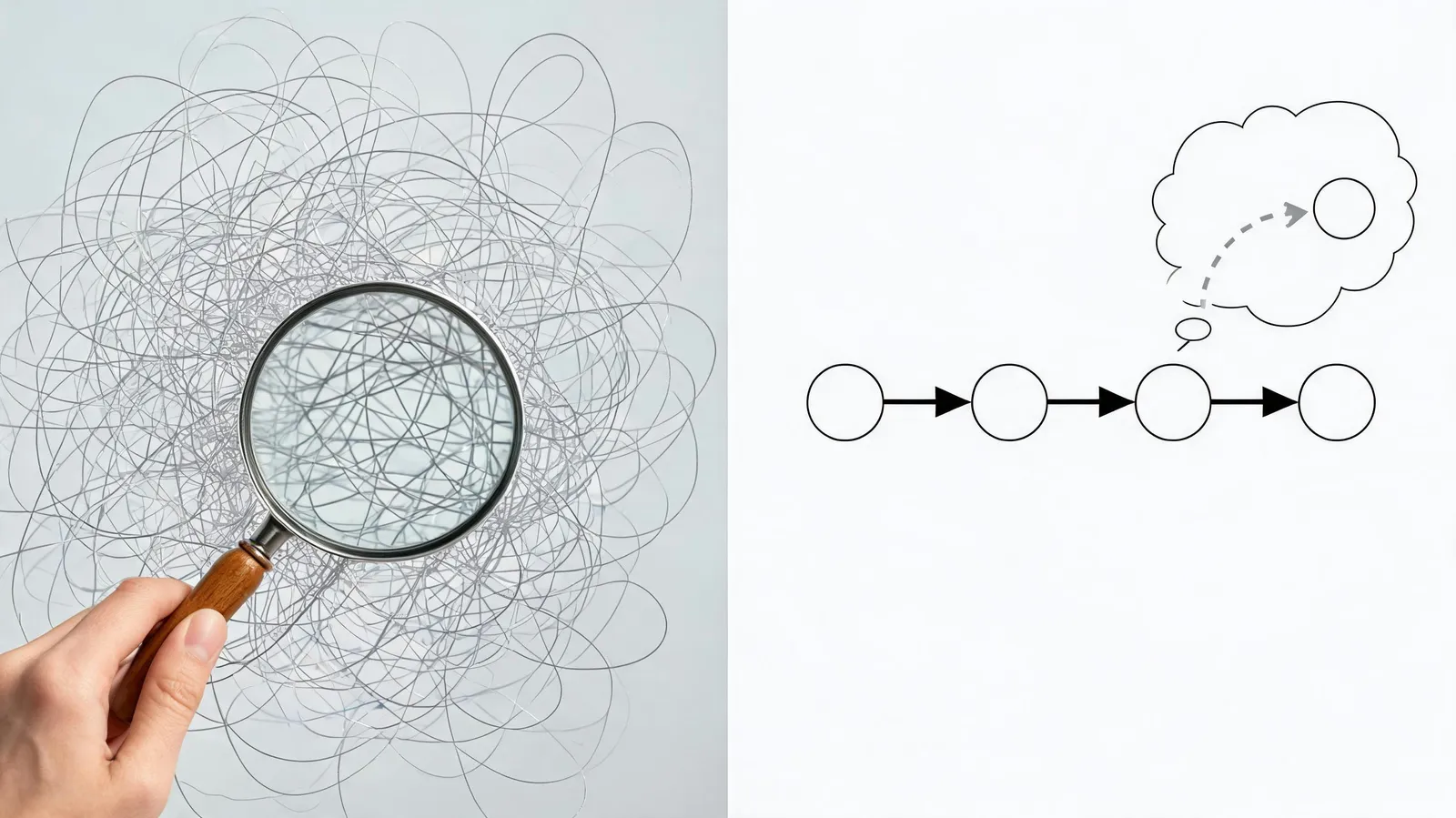
Correlation is not causation—a truism that becomes critical when debugging AI. Many AI failures stem from spurious correlations that models latch onto, leading to brittle behavior. Causal inference offers a principled way to understand why a model failed by moving beyond observed associations to underlying causal mechanisms. Counterfactual reasoning, asking 'what if we had done X instead of Y,' allows engineers to isolate faults and test hypotheses.
2.1 Moving from Correlation to Causation in Debugging
Consider a recommendation system that consistently recommends winter coats to users in Florida. A correlation-based debugger might note that users who bought coats also bought gloves, but that doesn't explain the failure. A causal graph, however, could reveal that the model learned a spurious link between 'cold weather' and 'coat purchase' because of a data artifact. By building causal graphs that encode domain knowledge, engineers can perform root cause analysis more effectively. Tools like DoWhy and CausalNex are emerging to support causal debugging in practice.
2.2 Counterfactual Reasoning: Asking 'What If' to Isolate Faults
Counterfactual reasoning takes causal analysis a step further by simulating alternative scenarios. In reinforcement learning, for instance, if an agent fails to navigate a maze, counterfactual queries can determine whether the failure was due to a sensor error, a reward misspecification, or an exploration issue. In recommendation systems, counterfactuals can test whether a different ranking algorithm would have avoided a bad recommendation. Frameworks like Counterfactual Multi-Agent Policy Gradients (COMA) and tools from the causal inference community are making counterfactual debugging more accessible.
3. Standardization, Governance, and Regulatory Implications
As AI systems become more autonomous, the need for standards and regulations to govern their debugging and maintenance grows. Governance ensures that self-healing and causal debugging are conducted responsibly, with transparency and accountability. Regulatory frameworks are beginning to address these concerns, creating both challenges and opportunities for organizations.
3.1 Emerging Standards for AI Debugging and Transparency
Standards bodies such as IEEE and ISO are developing guidelines for AI transparency, explainability, and debugging. IEEE's Ethically Aligned Design and ISO/IEC 42001 for AI management systems are notable examples. Industry consortia like the Partnership on AI and the AI Now Institute advocate for best practices in debugging and auditing. These standards emphasize documentation, traceability, and human oversight. Adopting them can help organizations build trust and avoid regulatory pitfalls.
3.2 Regulatory Frameworks and Their Impact on Debugging
The European Union's AI Act is a landmark regulation that classifies AI systems by risk and imposes requirements for high-risk applications, including logging, transparency, and human oversight. In the United States, the NIST AI Risk Management Framework provides voluntary guidelines. These regulations impact debugging by mandating that certain AI systems be auditable and that failures be traceable. Compliance challenges include adapting debugging tools to meet legal standards, but opportunities arise in developing certified debugging processes that become a competitive advantage.
Conclusion
The future of AI debugging is being shaped by three complementary paradigms: self-healing systems that autonomously detect and repair faults, causal inference and counterfactual reasoning that provide deep understanding of failures, and governance frameworks that ensure responsible practices. Together, these pillars form the foundation for trustworthy, reliable, and accountable AI. As AI continues to evolve, integrated debugging frameworks that combine automation, causal reasoning, and regulatory compliance will become essential. Organizations that embrace these emerging paradigms will be better positioned to build AI that not only performs well but also earns public trust.