Introduction
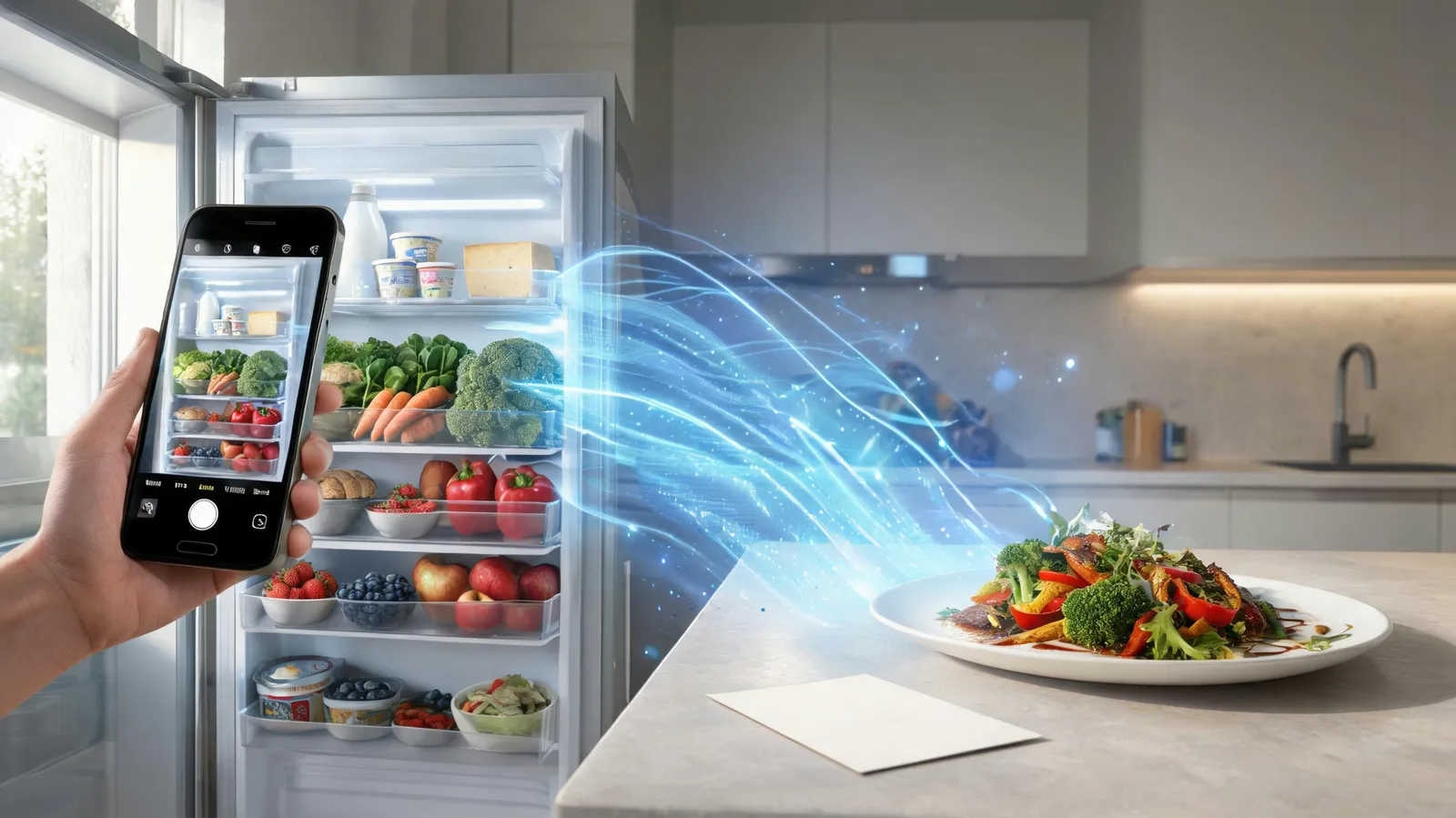
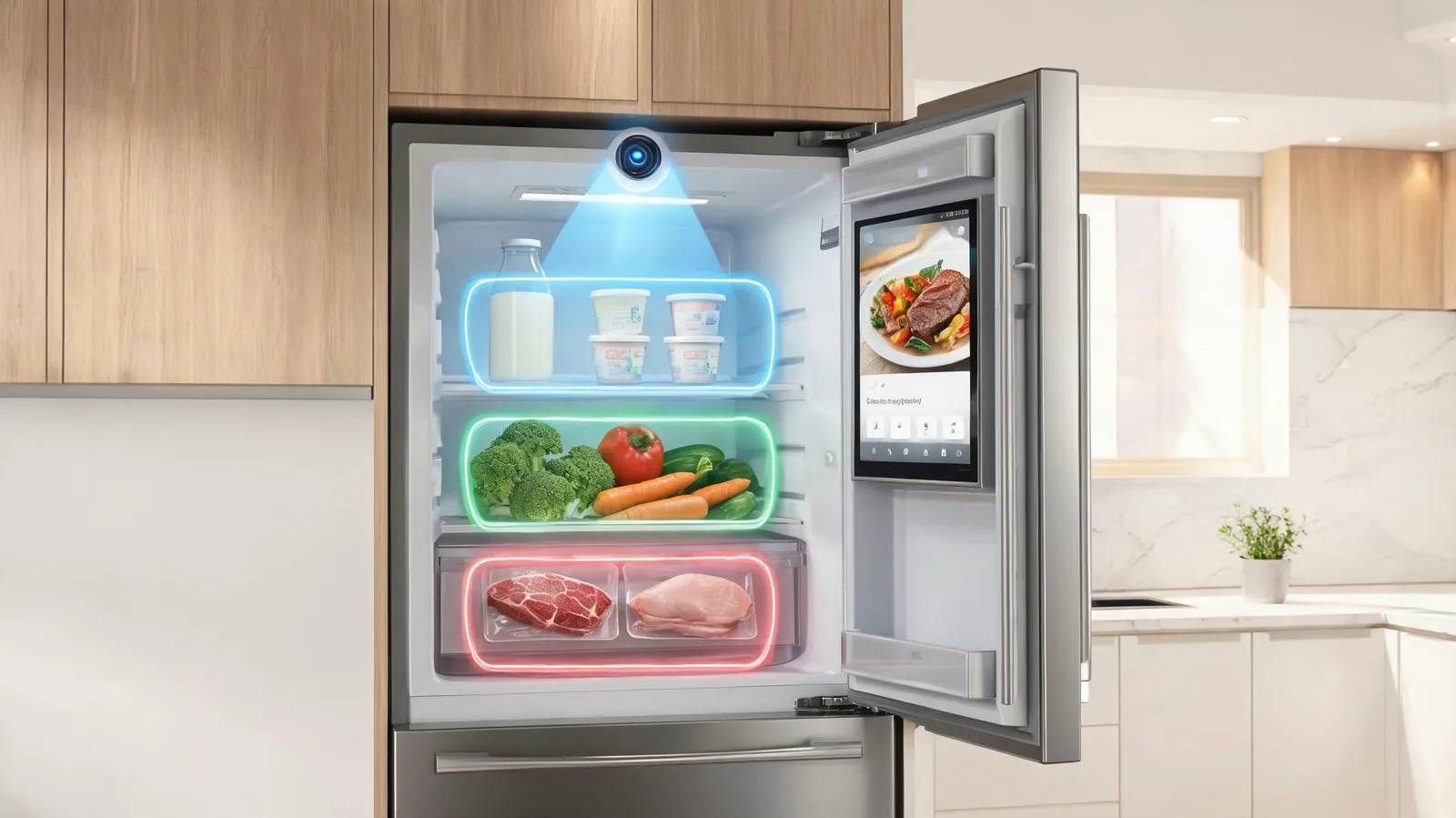
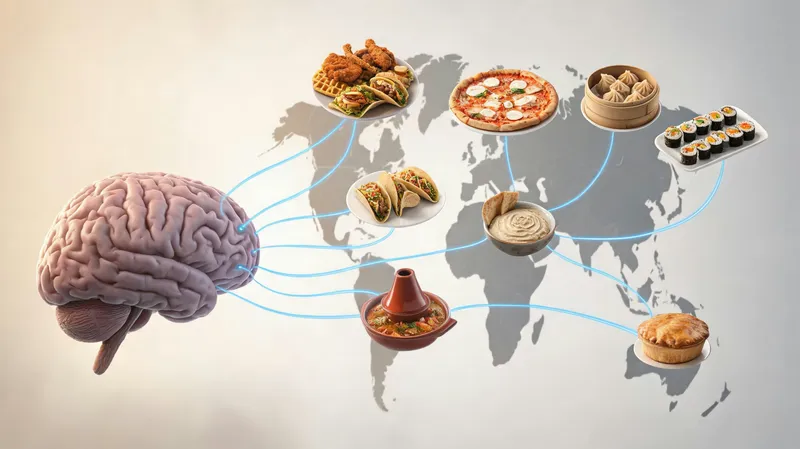
AI assistants have become common fixtures in many homes, and a growing number of people now ask them for recipes and cooking guidance. The convenience is obvious, but so is a question that deserves attention: can these systems be trusted with matters that affect your health? Recipes and tips produced by AI may not have been checked for accuracy, which can introduce hazards related to food safety, allergens, and misleading information. AI can make cooking more enjoyable, yet users need to recognize its limits and adopt habits for verifying what it says, particularly when cross-contamination, allergens, and fabricated content are involved.
Food Safety and Cross-Contamination: What AI Can Overlook
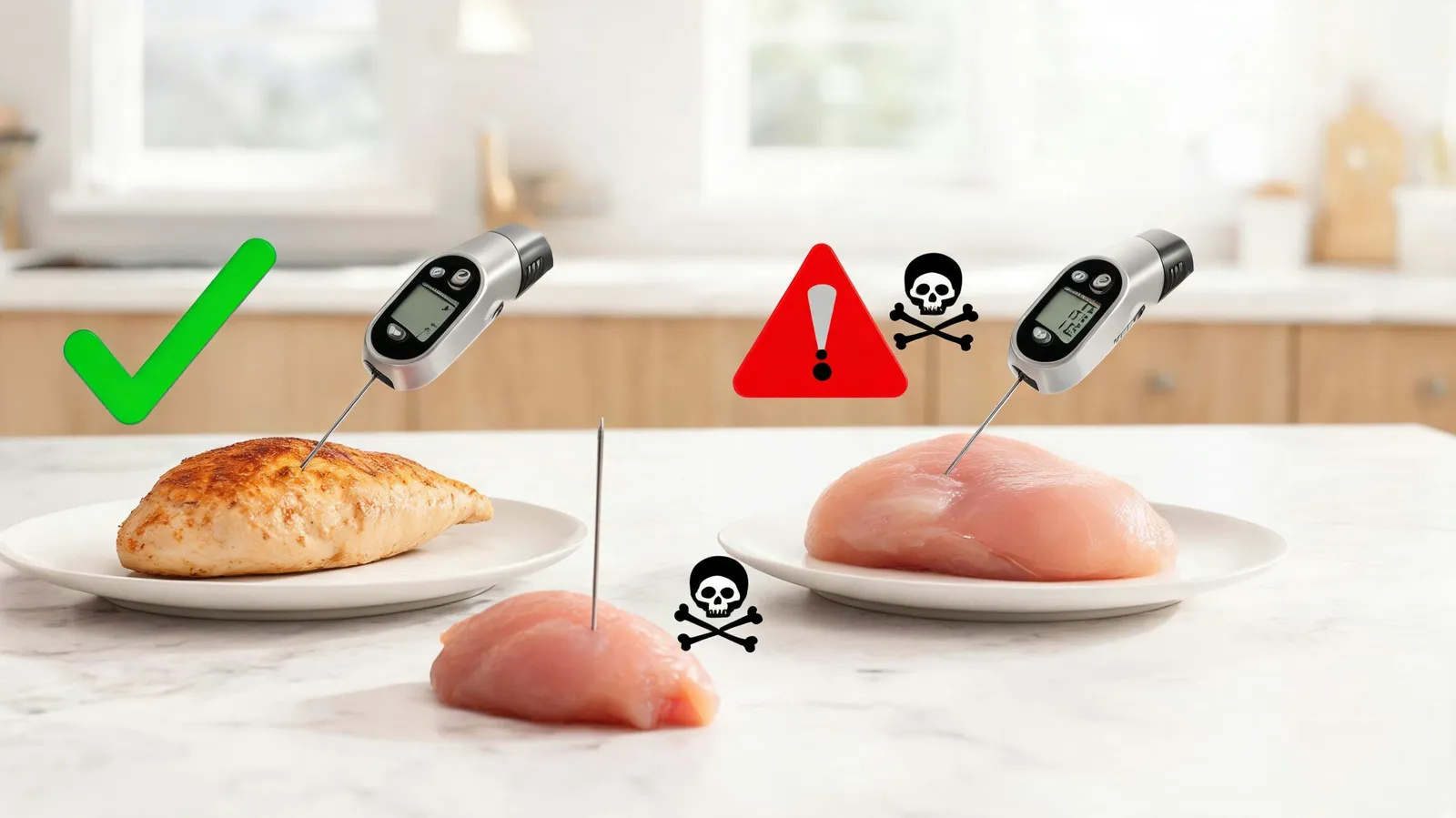
AI typically has no awareness of real-time conditions in your kitchen or of proper food-handling practices. It might, for instance, tell you to cook chicken until the internal temperature reaches 165°F but leave out the essential step of confirming that temperature with a meat thermometer. Research indicates that AI advice does not always match USDA or FDA guidance, and following it without checking could result in undercooked food and foodborne illness.
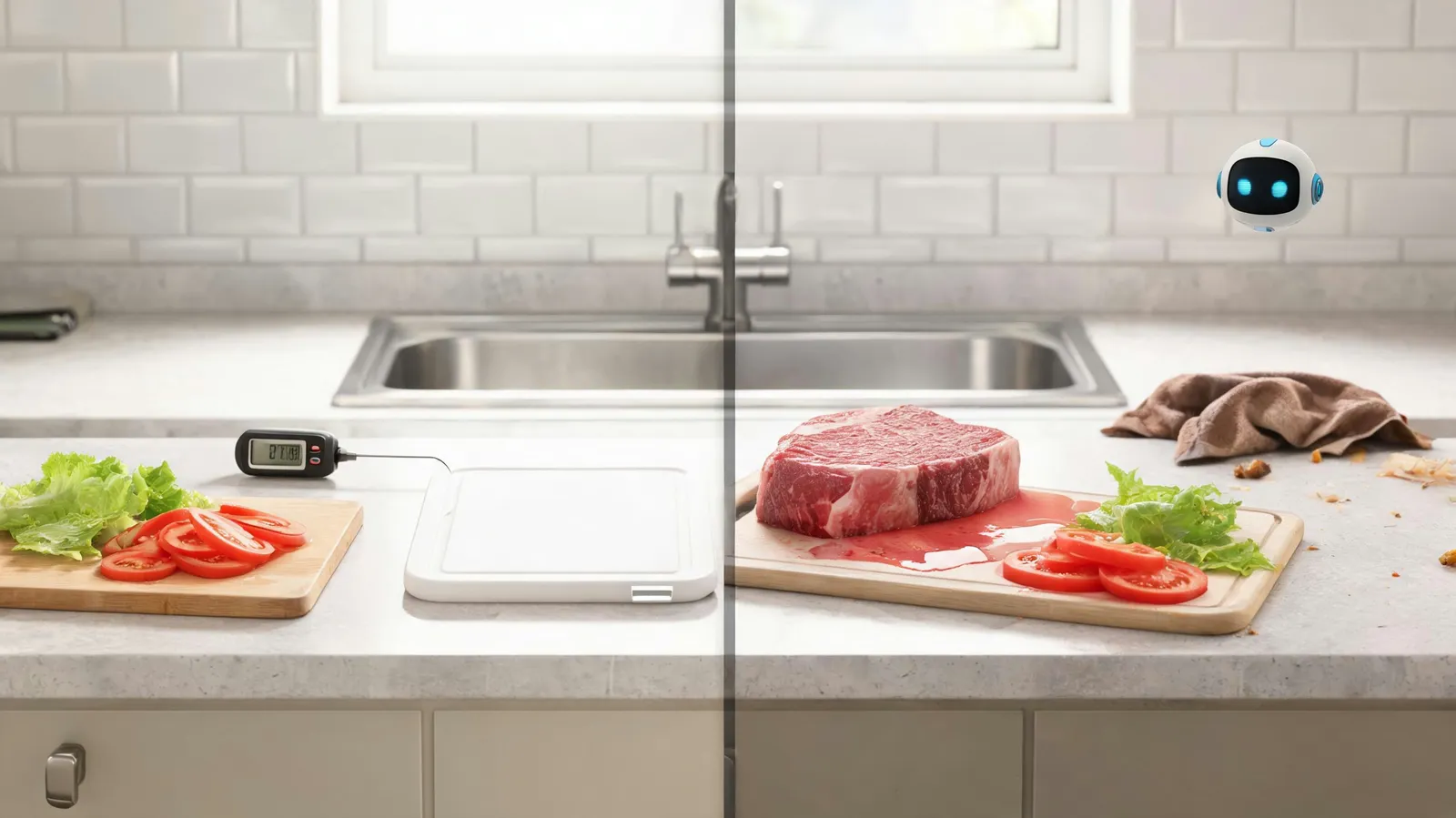
AI-generated instructions seldom address the danger of cross-contamination. Documented examples include AI recipes that never mention using separate cutting boards for raw meat and vegetables. The CDC identifies cross-contamination as a leading contributor to foodborne illness tied to home cooking, a problem it considers significant. Systems trained on large datasets may not give priority to these critical safety steps unless they are explicitly designed to do so.
Hallucination and Verification of AI-Generated Recipes
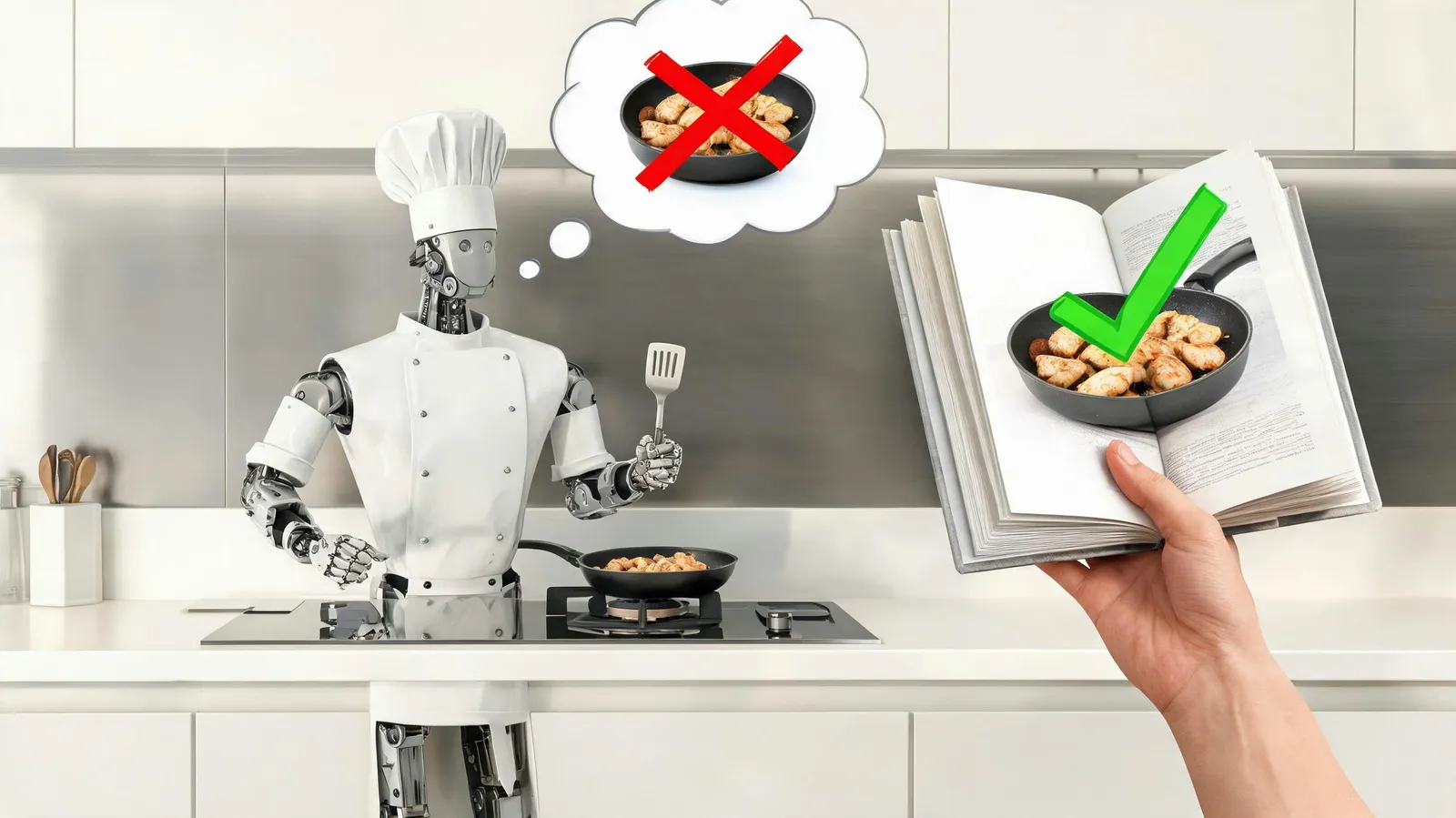
AI can produce recipes that sound credible but are wrong or unsafe. An AI might, for example, invent a cooking time that leaves food underdone, such as instructing you to cook chicken for just 5 minutes. Studies of language-model hallucinations in cooking contexts show that AI can present dangerous instructions with confidence. To verify, compare the output against trusted sources such as the USDA, the FDA, or reputable cookbooks. Tools and platforms designed to validate AI-generated recipes are beginning to appear, but the user's own vigilance remains essential.
Allergen and Medical Risk Communication
AI cannot be counted on to reliably detect or flag allergens in recipes. There have been cases where AI recommended ingredients containing common allergens—peanuts, wheat, or milk, for example—without any warning. The absence of standardized allergen databases in AI training makes this risk worse. For people with severe allergies, depending solely on AI for recipe guidance can be life-threatening.
Communicating medical risk is another weak point. AI advice may contradict dietary restrictions for conditions such as diabetes or celiac disease. An AI might, for instance, suggest a high-sugar recipe to a person with diabetes without weighing the health consequences. Personalized dietary advice should come from healthcare professionals, because AI cannot substitute for medical expertise.
User Trust Calibration and Transparency
Recognizing AI's limits is essential: it is a tool, not an expert. Surveys suggest that users frequently place too much reliance on AI for cooking, which can lead to safety oversights. Reasonable guidelines for kitchen use include treating AI output as a starting point and always confirming critical safety details.
Transparency matters a great deal here. AI systems ought to convey uncertainty and identify their sources. Some platforms now cite references or offer confidence scores. For developers, a key recommendation is to improve trust calibration by making clear when advice rests on general knowledge rather than verified data. Such transparency supports better-informed decisions by users.
Conclusion
AI can be a useful kitchen helper, but it comes with risks. Food safety, fabricated content, allergens, and trust concerns all require careful handling. Users should stay vigilant, check AI-generated advice, and consult reliable sources. Developers bear a responsibility to strengthen AI systems with better verification, allergen databases, and transparency features. By pairing convenience with caution, the benefits of AI-assisted cooking can be enjoyed safely.