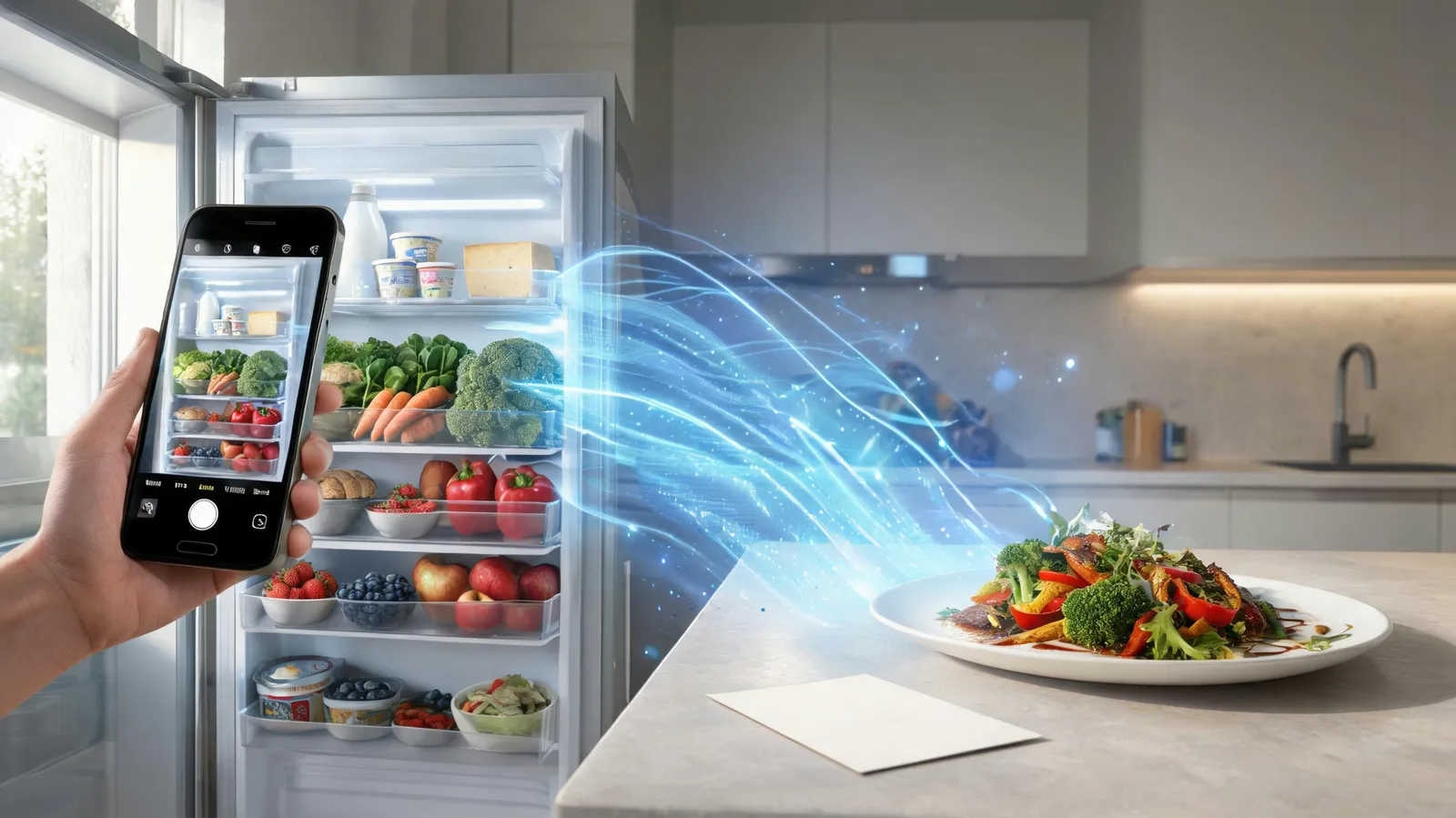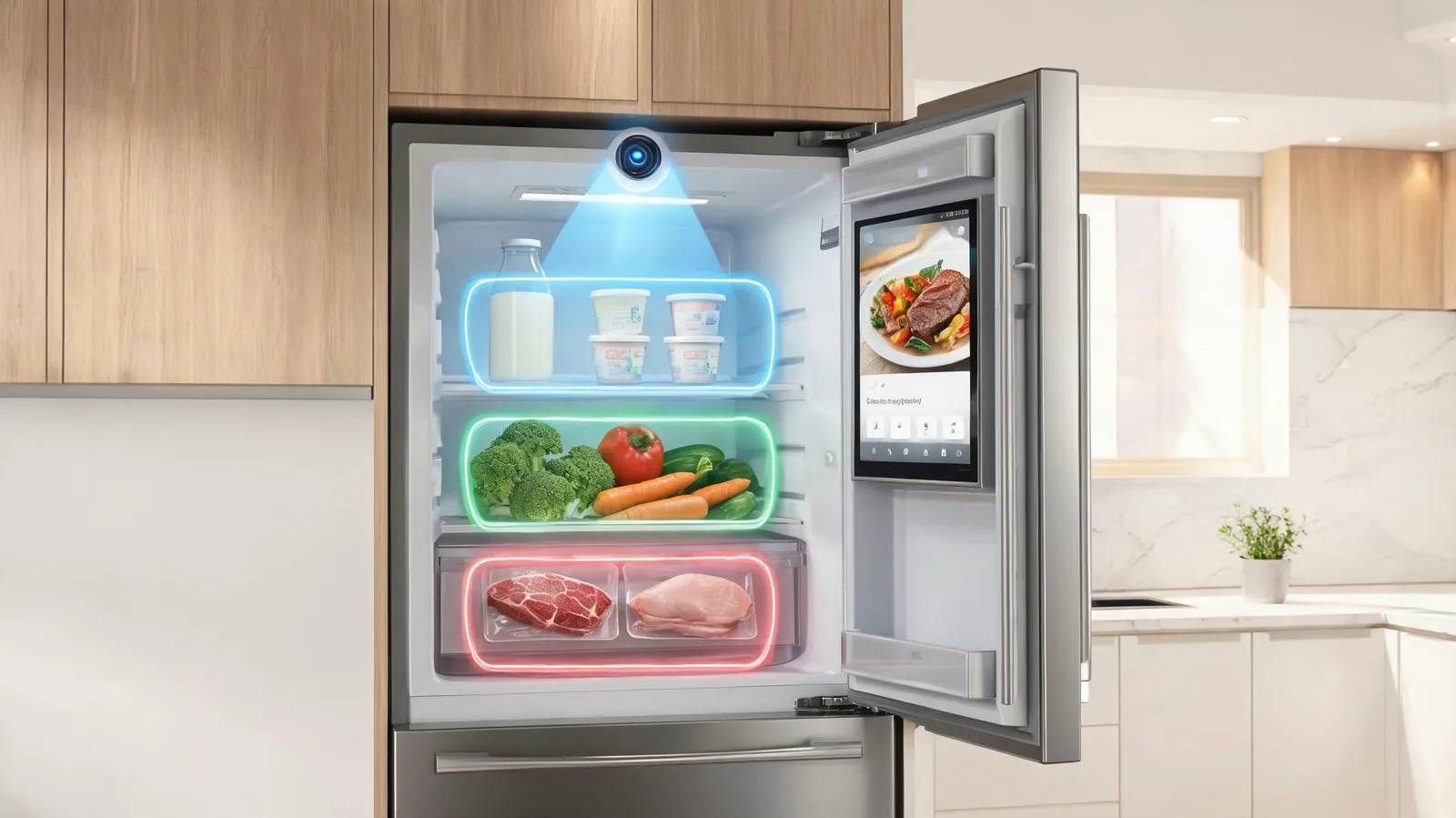
Picture an oven that tunes its own humidity so the crust comes out just right, a fermentation crock that warns you before a batch goes bad, and a water circulator that has learned the exact doneness you prefer for steak. These scenarios are not speculative fiction; they reflect how artificial intelligence is already entering the more demanding areas of cooking. Baking, fermenting, and sous-vide have long rewarded precision and hard-won experience. AI helps close that gap through live monitoring, forward-looking analysis, and advice tuned to the individual, opening advanced methods to home kitchens while offering professionals fresh ways to stay consistent and experiment.
Baking: Tight Tolerances and Managed Conditions
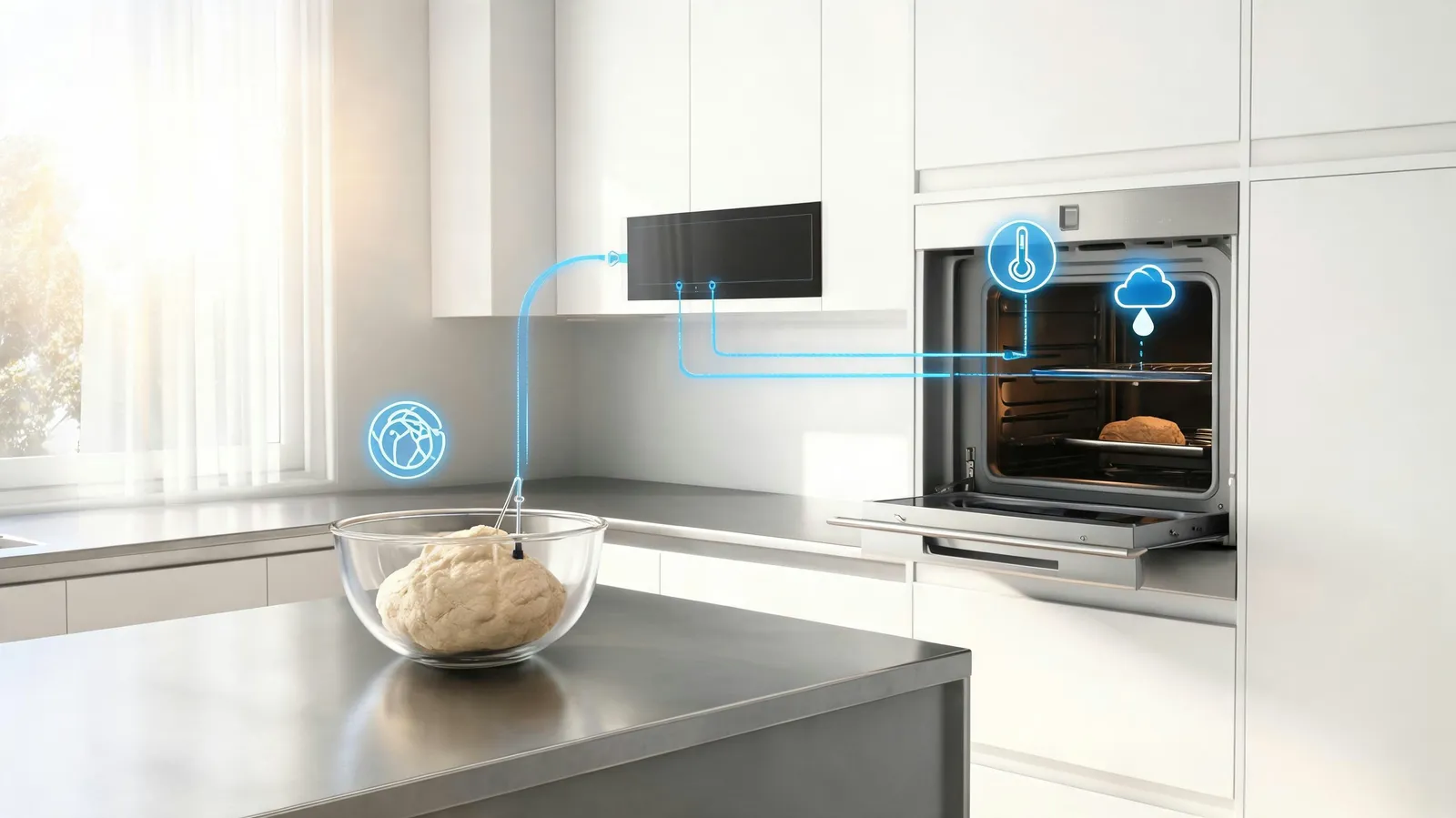
Few kitchen pursuits punish small errors like baking. A handful of grams of water, a couple of degrees, or an extra minute of mixing can separate a tall, airy loaf from a heavy one. Sensors backed by AI now track hydration, temperature, and gluten development as they happen. Intelligent mixing bowls can vary mixing duration according to how the dough looks and feels, and connected scales and probes send readings to a central hub. In commercial settings, bakeries using these setups have reported fewer failed batches and steadier product quality.
The baking environment matters just as much. Ovens under AI control shift temperature and humidity as needed to shape both crust and interior crumb. Findings from artisan bakeries indicate that AI-assisted ovens can tighten consistency while using less energy. Home bakers gain from fewer spoiled attempts and more willingness to try unfamiliar recipes. The point is not to swap out skill but to strengthen it by cutting through uncertainty.
Watching Fermentation and Catching Trouble Early
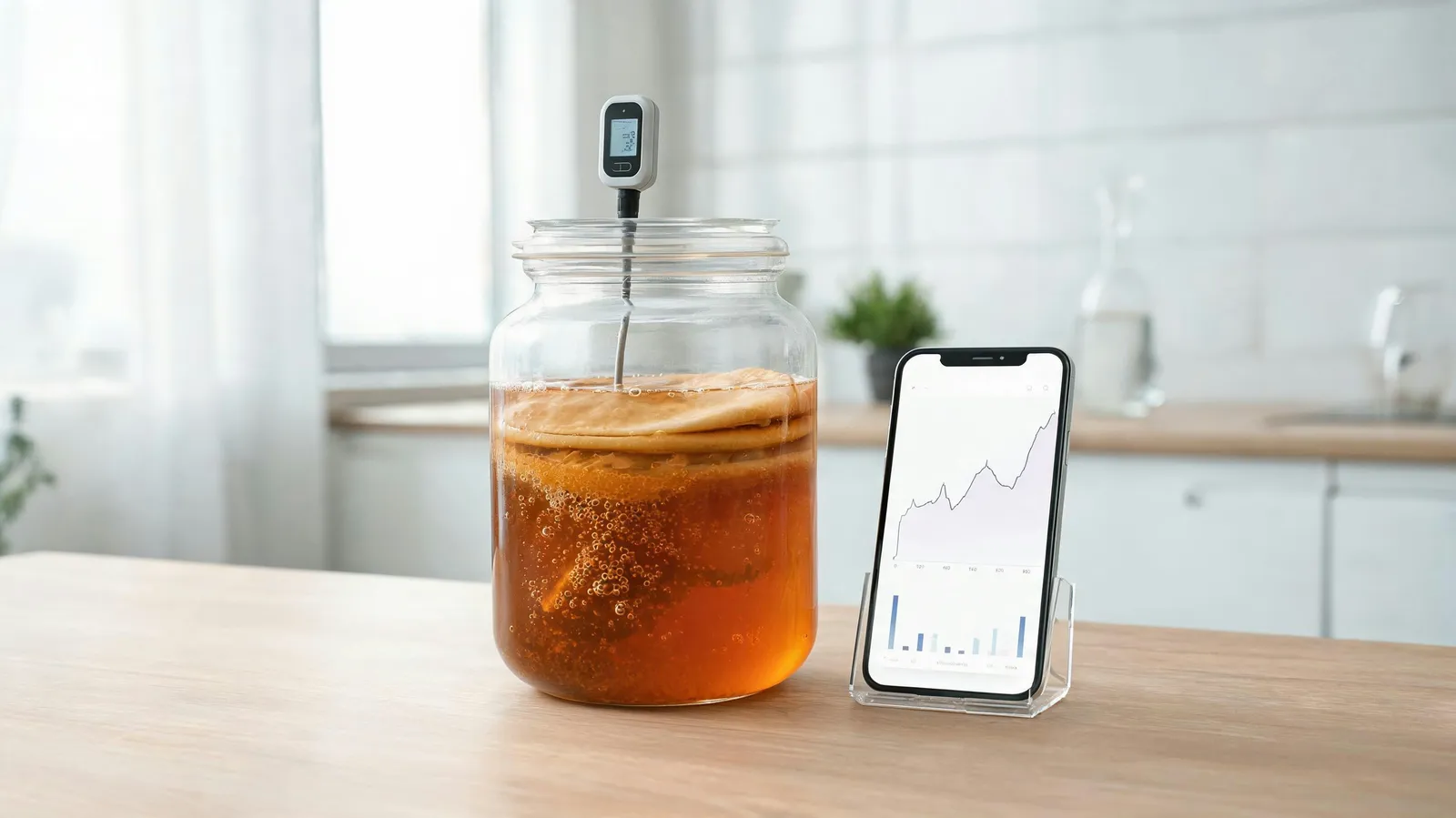
Fermentation is a live biological process in which microbes react to temperature, acidity, and elapsed time. Home brewers, cheesemakers, and winemakers can now obtain AI systems that follow pH, temperature, and microbial activity continuously. Smart vessels can warn users when acidity drifts outside the preferred range, which helps head off spoilage or fermentations that stall. Records from these systems point to higher success rates in home brewing and cheesemaking, two areas where consistency is frequently the hardest part.
Predictive analysis goes beyond monitoring by addressing problems before they materialize. In winemaking, AI models can flag the likelihood of a stuck fermentation using early signals such as nutrient levels and temperature swings. Figures on fewer failed batches underline the practical payoff. For hobbyists, the outcome is less worry and more willingness to try things, with the AI serving as a watchful helper rather than a stand-in for the craft itself.
Sous-Vide and Cooking at Low Temperatures
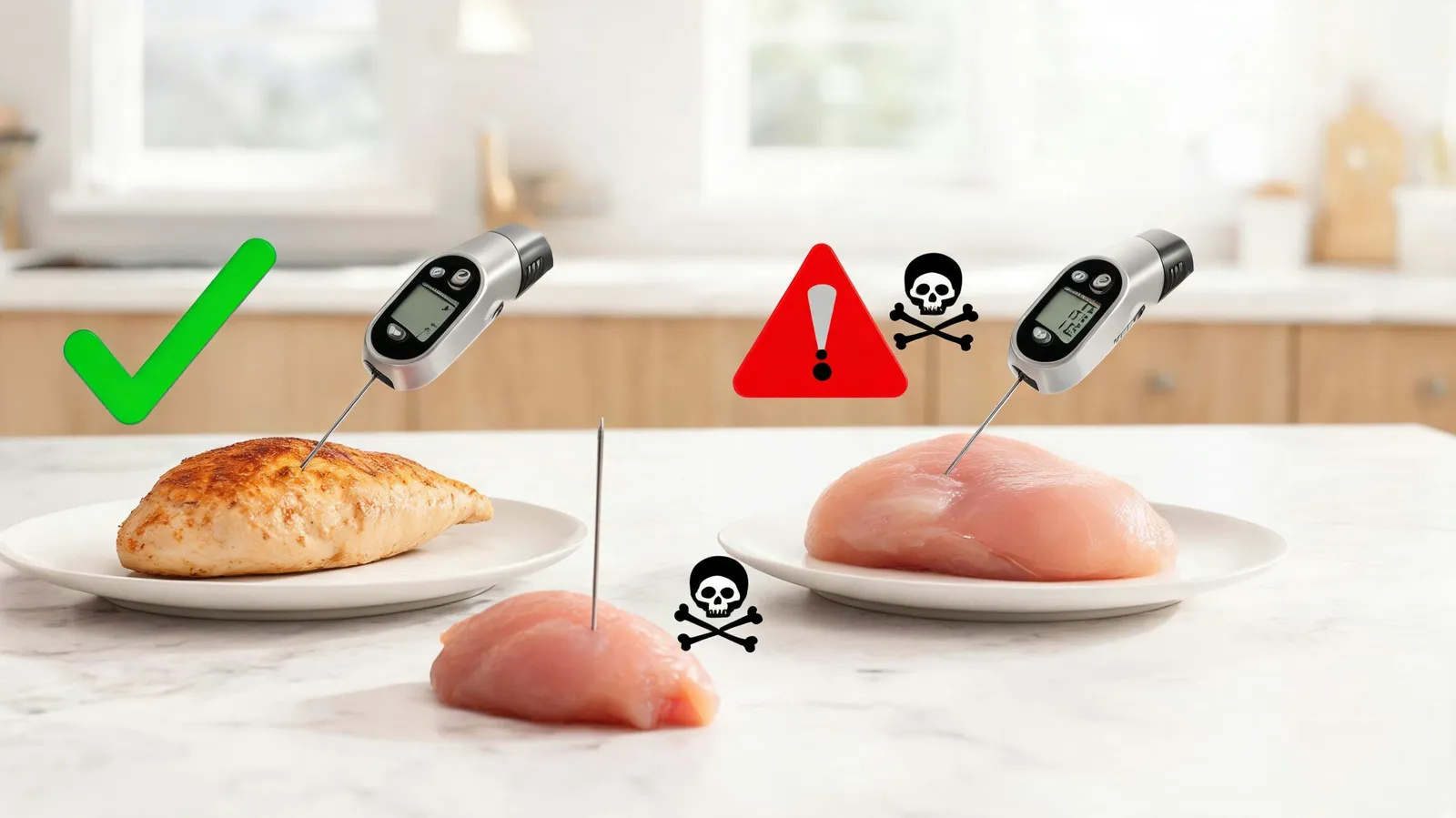
Sous-vide success rests on exact time and temperature, which usually means consulting charts, relying on experience, or experimenting repeatedly. AI algorithms can now work out the best time and temperature from the food's type, its thickness, and the doneness sought. Circulators with AI built in can change cooking settings on their own, which helps preserve texture and flavor. Evidence of these gains indicates that AI guidance lets beginners and seasoned cooks alike reach restaurant-grade outcomes at home.
Connecting to smart devices makes remote monitoring and alerts possible. A cook can prepare a precise sous-vide steak through an AI app from far away and get notified once the food hits the intended doneness. Satisfaction and consistency data indicate that this degree of control is more than a convenience; it genuinely improves the cooking process. The AI functions as a helper who never loses track of a timer and never misreads a temperature curve.
Gluten-Free, Vegan, and Alternative-Ingredient Baking
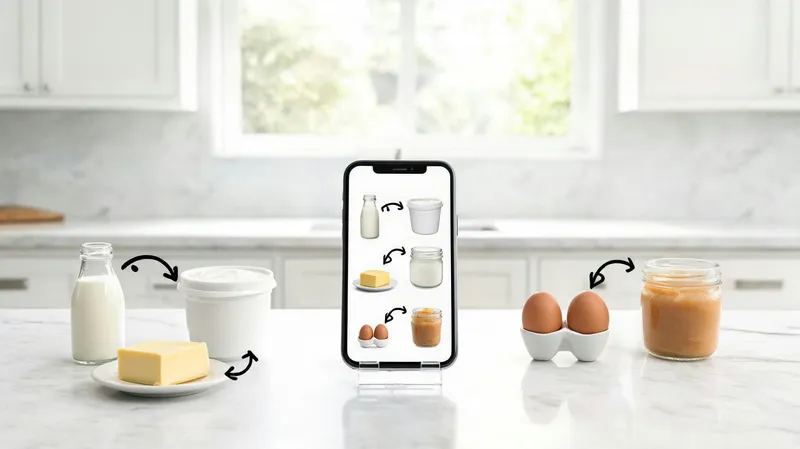
Removing gluten or animal products from baking brings particular difficulties. Texture, structure, and flavor can all decline once traditional ingredients are left out. AI-driven recipe optimization for gluten-free and vegan baking proposes replacements for eggs and gluten while keeping the wanted texture. Data showing better taste and structure in gluten-free breads indicates that AI can narrow the distance between conventional and alternative formulas.
Modeling how ingredients interact in advance helps sidestep familiar problems. One bakery's work on a vegan croissant shows how AI can steer formulation, shortening research and development while improving how consumers receive the product. Home cooks benefit through more dependable outcomes when testing alternative flours, binders, and plant-based fats. AI does more than propose swaps; it projects how those swaps will perform in the finished bake.
Conclusion
By sharpening precision in baking, fermentation, sous-vide, and alternative-ingredient recipes, AI is reshaping specialized cooking. It widens access to advanced techniques, cuts waste from unsuccessful batches, and supports creativity by taking over the repeated calculations and monitoring that used to demand years of practice. In the years ahead, AI's capacity to learn personal preferences and connect with smart kitchens suggests a future of fully automated gourmet cooking. Already, though, the AI chef is quietly at work, helping cooks command the craft and science of precision cuisine.