Balancing Macros and Micronutrients Meal by Meal
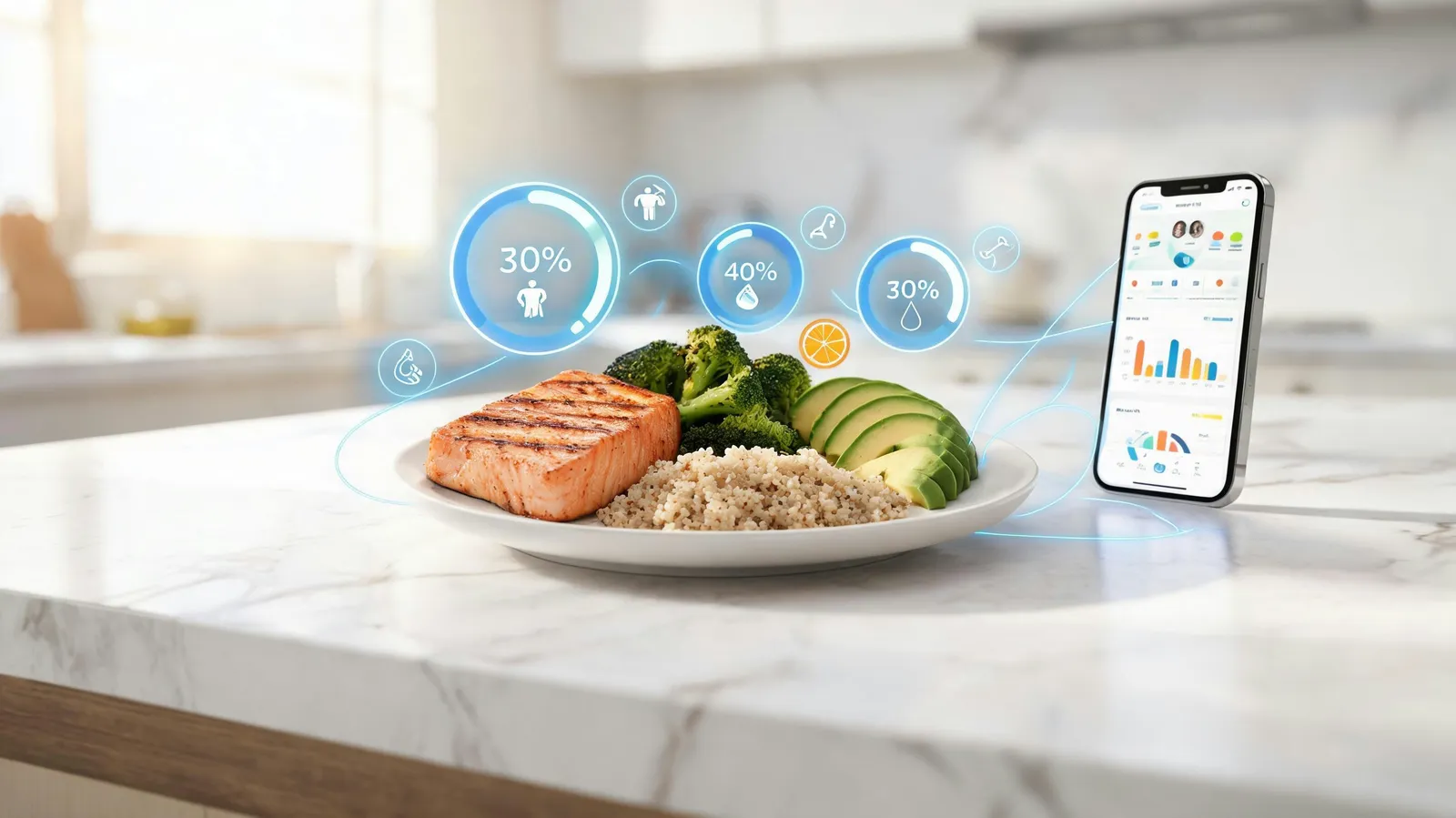
AI-driven nutrition awareness rests on a straightforward premise: each meal offers a data point. Rather than depending on broad food pyramids or uniform diet plans, these tools examine what is actually on the plate and propose specific tweaks. The goal is to help users balance protein, carbohydrates, and fats while addressing shortfalls in micronutrients like iron, vitamin C, and calcium.
Take a lunch scenario: an AI app scans a photo and notices the meal lacks fiber and iron. It might propose adding spinach or lentils, plus a squeeze of lemon to improve iron uptake. Such small, focused adjustments accumulate. Research indicates that after four weeks of AI-guided meal changes, users frequently show measurable gains in nutrient adequacy scores—without overhauling their diets.
Personalization extends past basic macros. Algorithms learn from feedback, biometric data, and objectives—building muscle, steadying energy, or eating more vegetables. In a case study of users seeking consistent energy, AI-guided portion and ingredient suggestions helped them reduce refined carb intake by 30% while preserving satiety. Crucially, AI doesn't merely prescribe; it learns what suits an individual's body and preferences, then sharpens its recommendations over time.
Cutting Sodium, Sugar, and Ultra-Processed Ingredients with AI
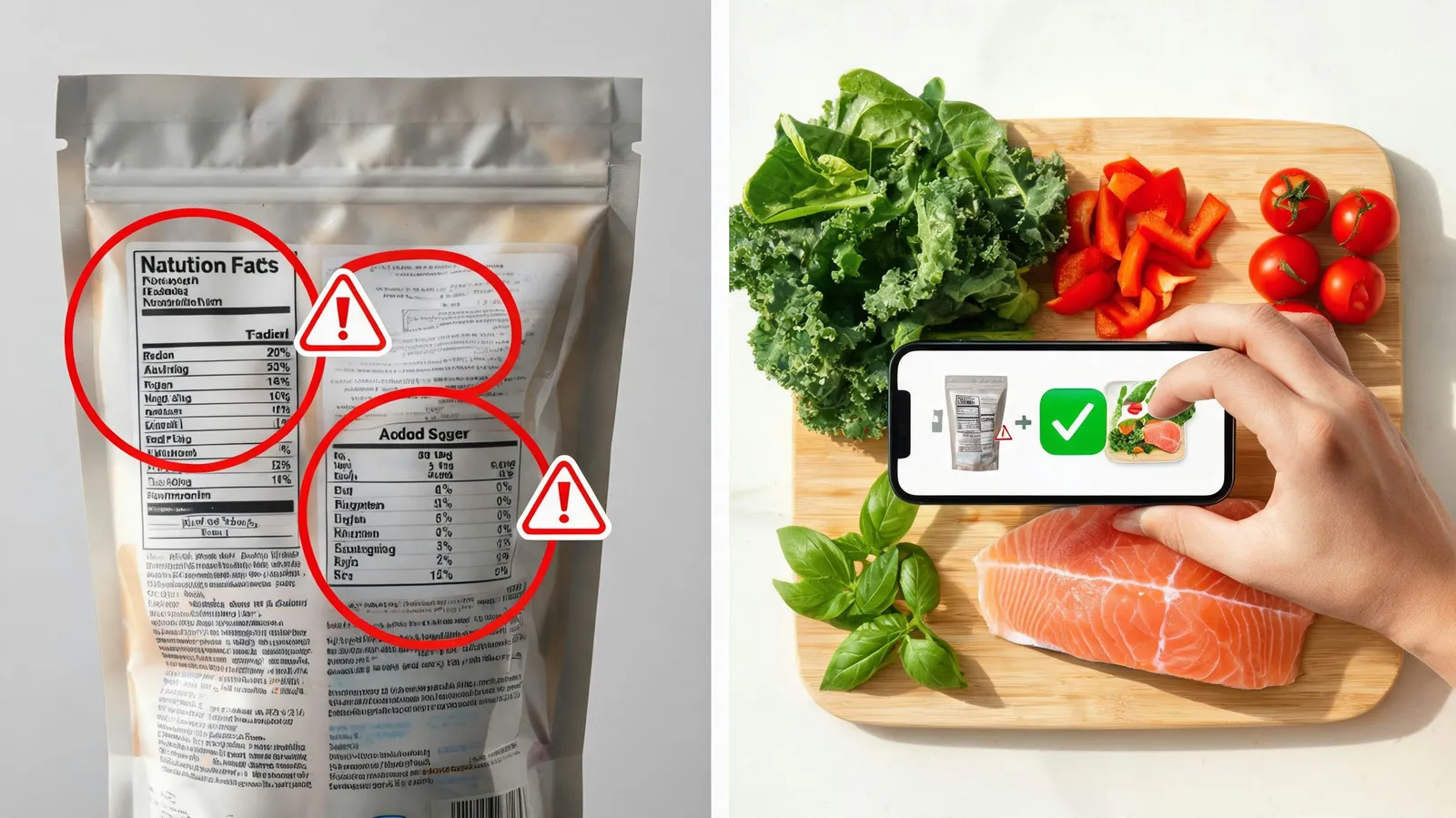
Ingredient scanning and recipe analysis represent some of the most practical uses of AI in healthy cooking. Ultra-processed foods are designed to be hyper-palatable, frequently containing hidden sodium, added sugars, and additives that work against health goals. AI tools can identify these components quickly and propose healthier substitutions that keep flavor intact.
Picture a stir-fry where soy sauce is the go-to. An AI recipe modifier might recommend low-sodium tamari and suggest adding garlic, ginger, and a splash of rice vinegar to make up for less salt. Statistics indicate that when people use AI-powered recipe modifiers, average sodium reduction can reach 25%—a meaningful decrease that supports blood pressure and heart health.
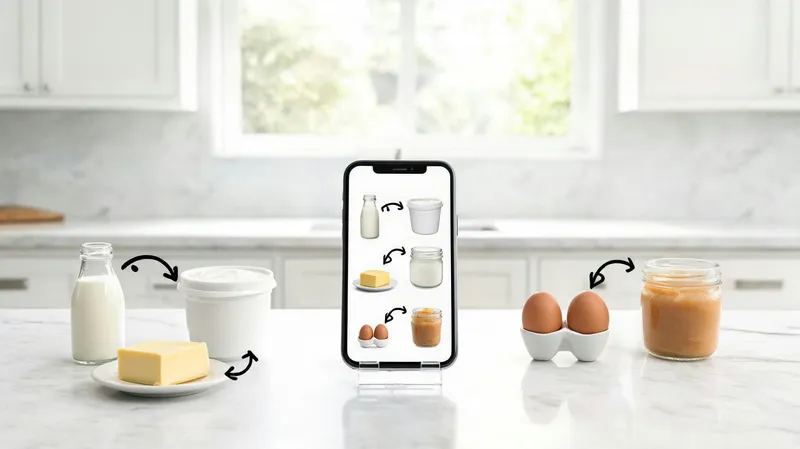
Smart swaps also apply to baking. Substituting sugar with natural sweeteners such as mashed banana or date paste demands careful ratio adjustments, and AI can compute those changes to preserve texture and taste. Beyond individual ingredients, AI can help spot common ultra-processed additives—emulsifiers, artificial flavors, preservatives—and guide users toward whole-food options. This isn't about eliminating all convenience foods; it's about making more informed choices aligned with health goals.
Personalized Goals and Habit Building
Knowledge by itself seldom shifts behavior. That's why AI's capacity to support personalized goal setting and habit tracking matters. Rather than proposing an abrupt sugar detox, an AI coach might advise a gradual 10% reduction each week, making the change feel manageable and sustainable. Data shows that users who set AI-recommended micro-goals are 40% more likely to maintain their changes after three months.
Integration with wearables and smart kitchen devices extends this further. A smart scale can feed weight trends into an AI app, which then adjusts meal plans in real time. A smartwatch might gently prompt a user to drink water or add a serving of vegetables at dinner. These reminders draw on behavioral science principles like implementation intentions—if-then plans that help automate healthy choices. Over time, the AI becomes less of a director and more of a supportive coach, helping users internalize habits that last.
Evidence Quality and Bias in AI Nutrition Advice
Despite its promise, AI nutrition guidance is not infallible. Recommendation quality depends heavily on the data used to train algorithms. If training data skews toward Western diets or is funded by industry groups with specific agendas, the AI may offer biased suggestions. For instance, an AI might recommend dairy-heavy meals to a lactose-intolerant user simply because its training data didn't account for that condition. Some studies also show that certain AI nutrition apps overemphasize weight loss at the expense of overall health markers like nutrient density or metabolic fitness.
To use AI wisely, look for transparency. Does the app cite peer-reviewed sources? Can it adapt to cultural food preferences? Is it updated as new research emerges? A practical checklist for evaluating AI recommendations includes checking whether the AI explains its reasoning, whether advice can be filtered by evidence level (e.g., meta-analyses only), and whether the tool allows customization for allergies, ethical choices, or religious dietary laws. The best AI tools empower users to question and refine their output, not blindly follow it.
Conclusion
AI is reshaping nutrition awareness and healthy cooking by making personalized, evidence-based guidance accessible to everyday home cooks. From balancing macros and micronutrients to reducing sodium and sugar, and from setting sustainable goals to critically evaluating recommendations, AI offers a powerful ally. But it works best when used with awareness of its limitations. As AI integrates further with smart kitchens, continuous glucose monitors, and personalized food production, the potential for truly adaptive nutrition systems grows. For now, the smartest plate is one where human judgment and artificial intelligence work together.