Human-AI Partnership at the Stove
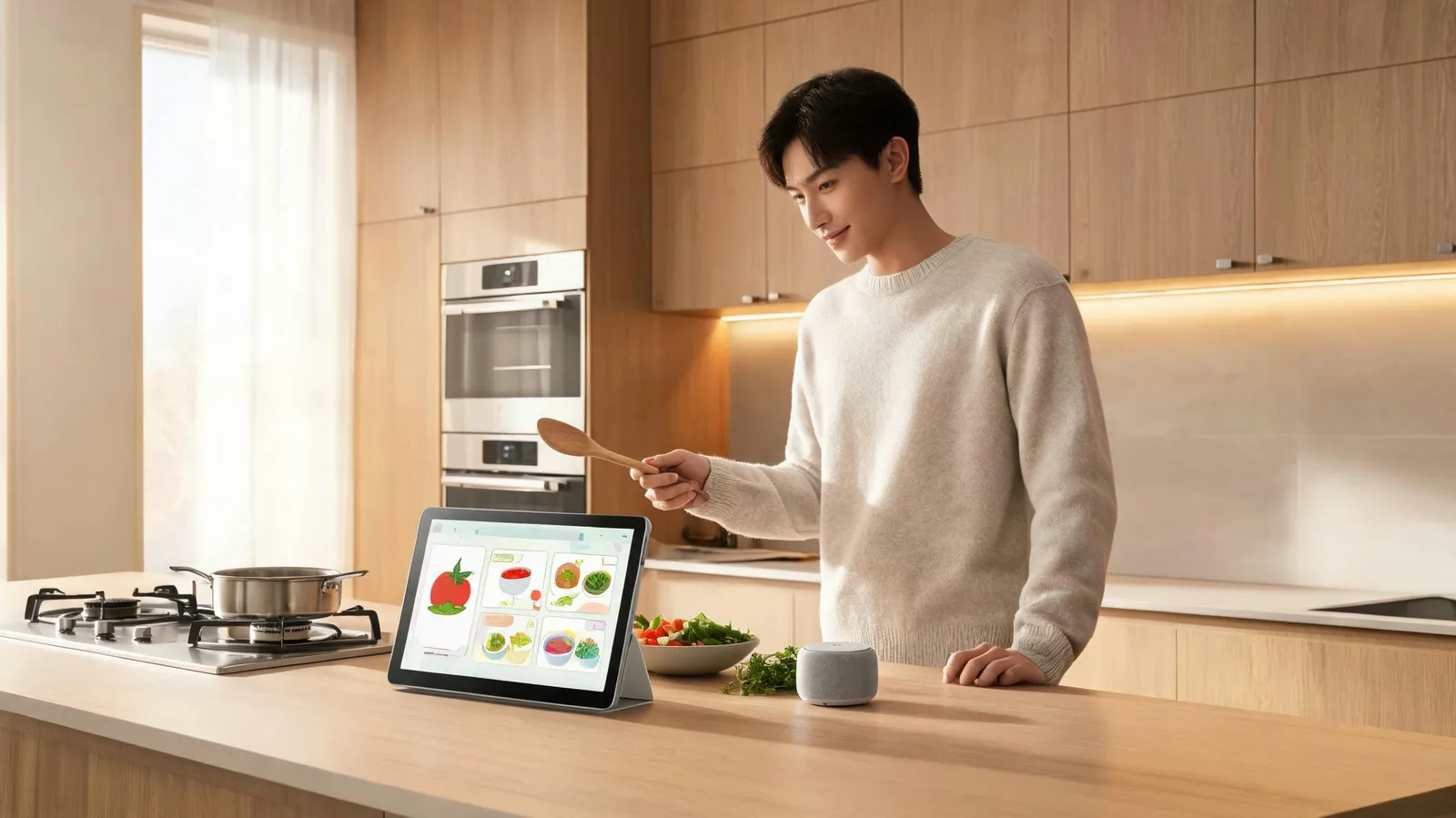
Artificial intelligence is not being positioned as a replacement for the home cook; rather, it is framed as a tool to enhance human creativity and efficiency in real time. Kitchens are increasingly equipped with smart displays, voice assistants, and connected appliances that collaborate with the cook, providing suggestions, reminders, and even step-by-step guidance. This partnership is already altering how meals are planned, prepared, and enjoyed across the United States.
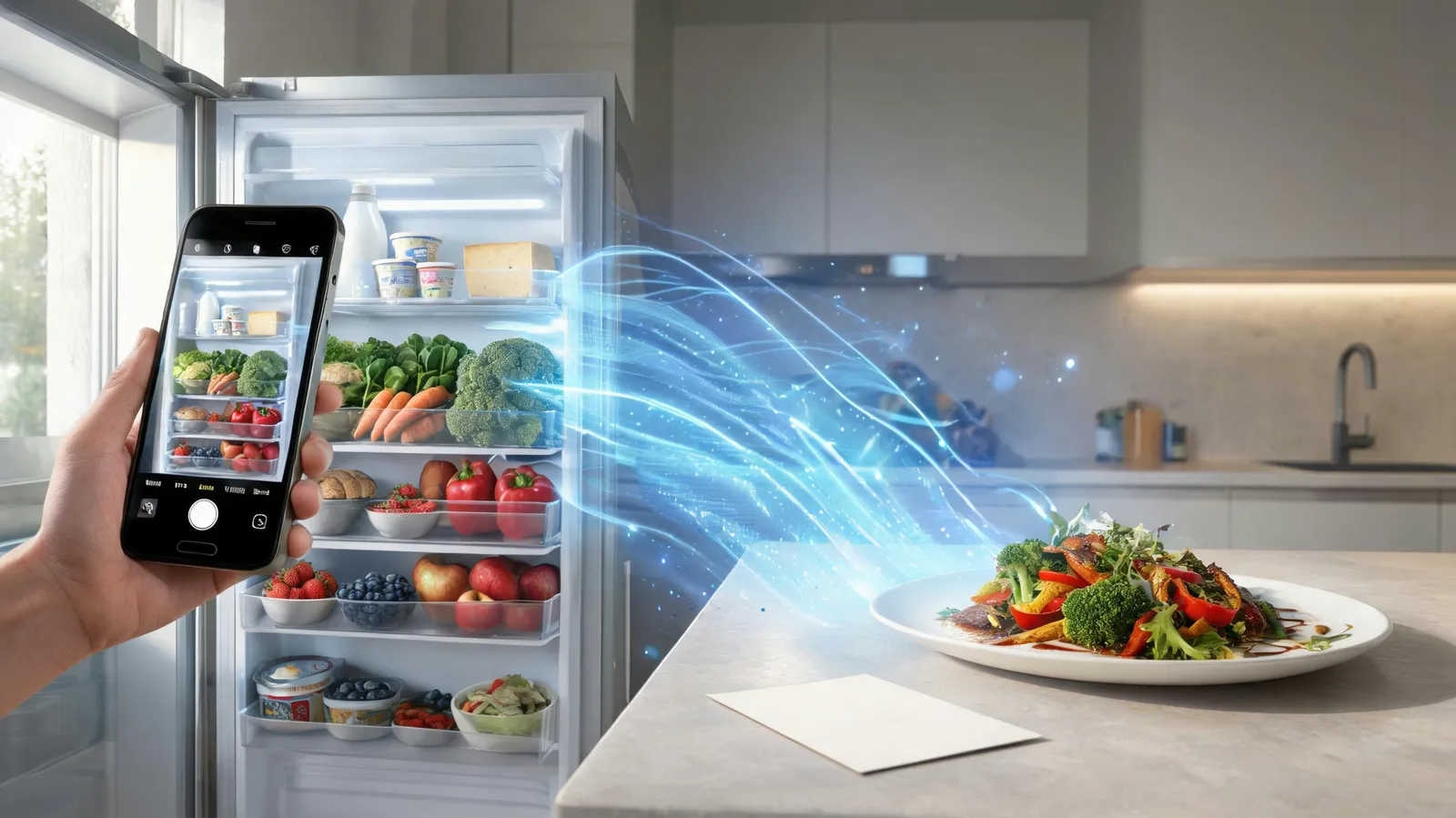
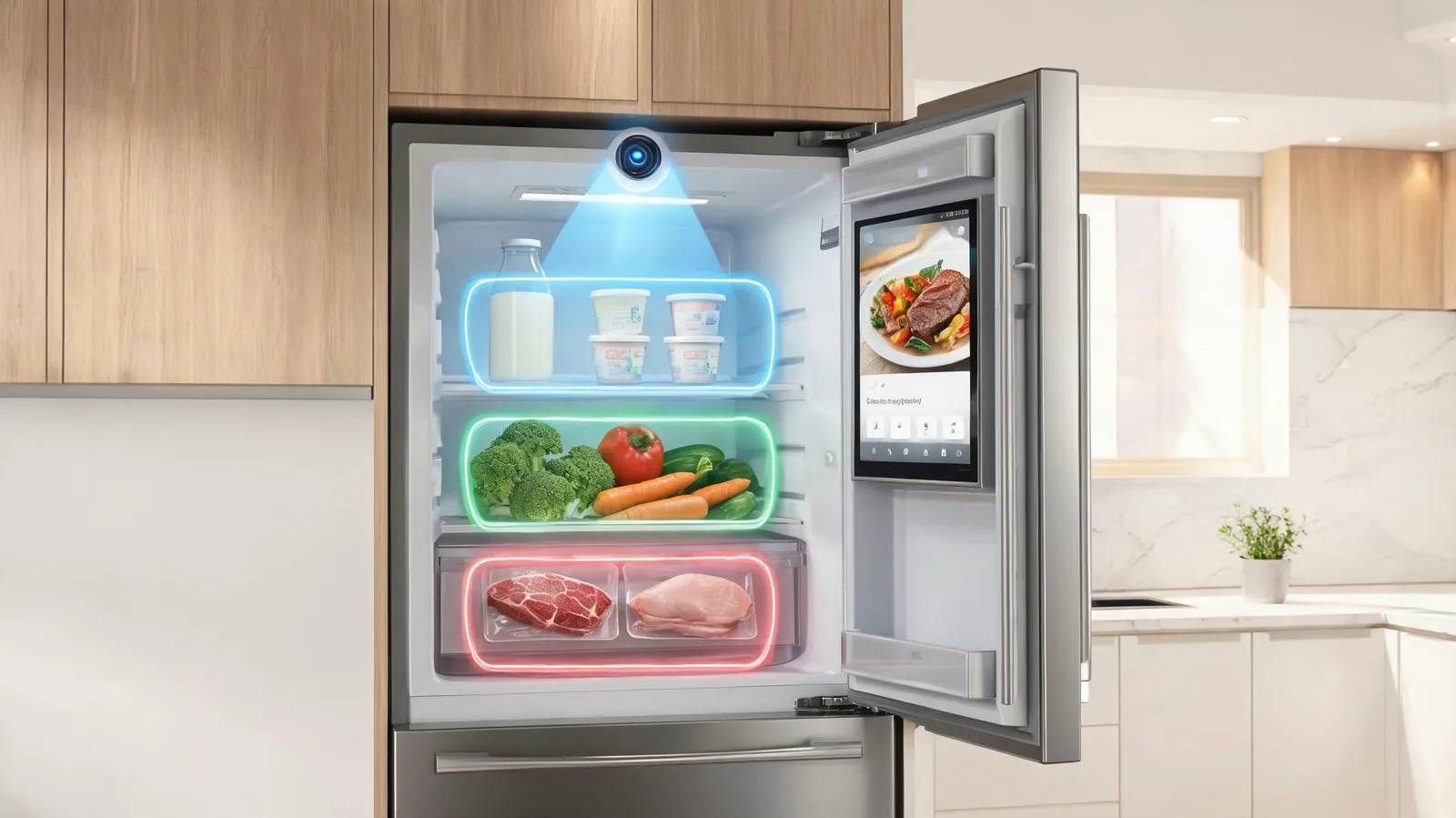
Recipe recommendation and meal planning driven by AI are the most accessible entry points. Platforms such as Samsung Family Hub, Yummly, and Plant Jammer employ machine learning to evaluate dietary preferences, available ingredients, and nutritional objectives. Samsung's Family Hub refrigerator, for instance, can propose recipes based on its contents, while Plant Jammer assists users in creating dishes from leftover produce. A 2024 study by the Natural Resources Defense Council reported that households using AI meal-planning apps cut food waste by as much as 25% and boosted meal variety by 30%. These tools are especially useful for busy families and individuals seeking healthier eating without extensive planning time.
Real-time cooking support deepens the collaboration. Voice assistants like Amazon Alexa and Google Assistant can read recipes aloud, set timers, and answer cooking questions hands-free. Smart ovens from June and Bosch utilize computer vision to identify dishes and recommend optimal cooking times and temperatures. For novice cooks, this is transformative: a 2023 survey by the International Food Information Council found that 68% of users felt more confident in the kitchen after using AI-guided cooking tools. One user, a college student in Austin, Texas, reported that AI assistance helped her progress from burning toast to preparing a flawless risotto in just three months.
Collaborative creativity is where AI becomes a true sous-chef. Research from the MIT Media Lab's Open Agriculture Initiative and projects like IBM's Chef Watson have shown that AI can suggest unexpected flavor pairings—such as strawberry and mushroom—that human chefs might overlook. Chefs in high-end restaurants are now using AI to brainstorm new dishes, while home cooks experiment with AI-generated recipes that adapt to their taste preferences over time. This co-creation model does not diminish human skill; it expands the creative palette.
Impact on Culinary Skills and Food Literacy
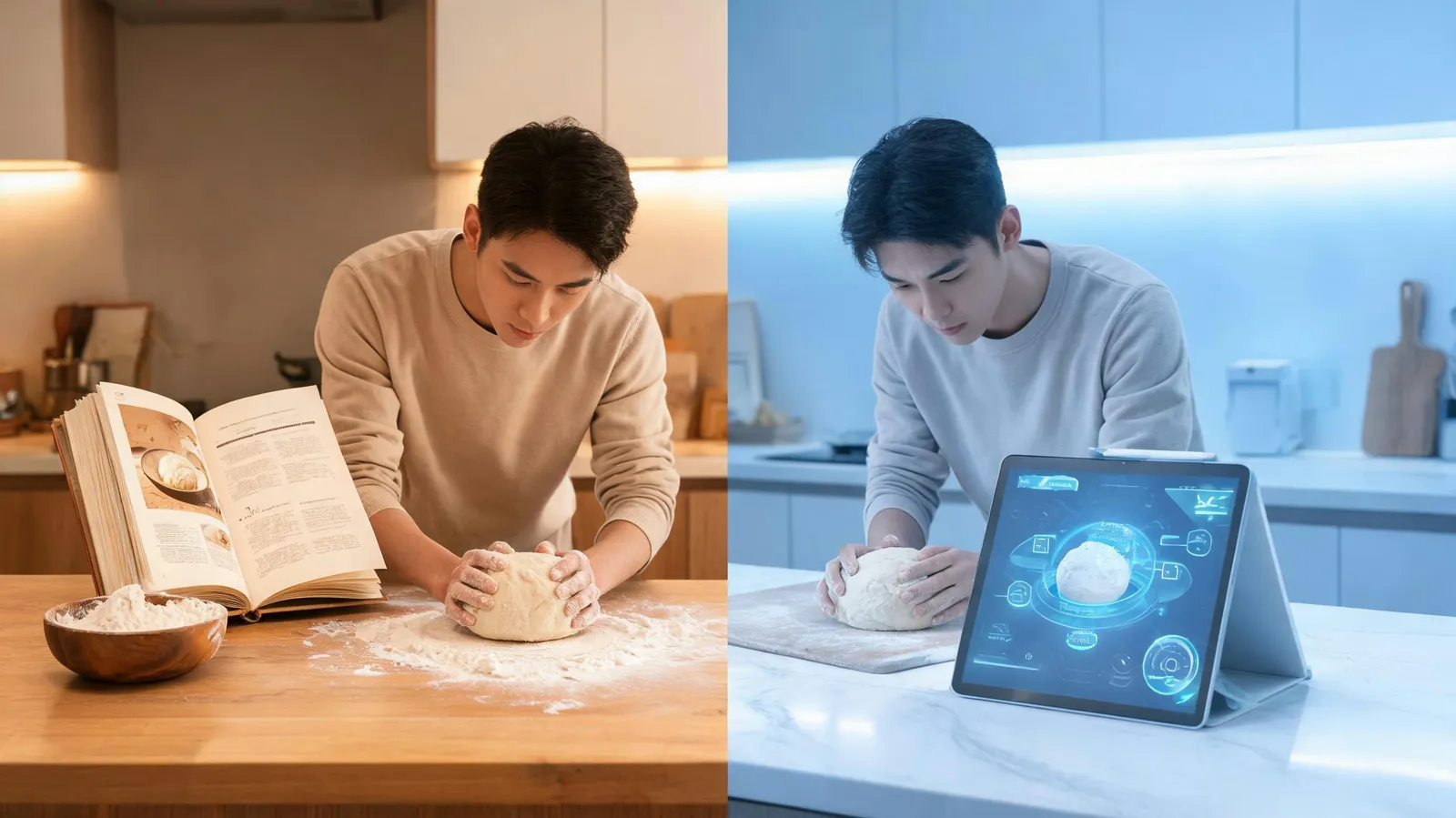
The rise of AI in home cooking raises a critical question: does it enhance or erode culinary skills? The answer is nuanced, with evidence pointing to both democratization and potential deskilling.
AI can democratize culinary education by providing personalized tutorials and real-time feedback. Apps like Yummly and SideChef offer step-by-step instructions with photos and videos, while augmented reality (AR) tools overlay directions onto the user's view of the cutting board. A 2024 pilot program in Chicago public schools used AI-enhanced cooking classes to teach basic techniques; students showed a 40% improvement in knife skills and recipe comprehension compared to traditional instruction. For adults, platforms like Rouxbe use AI to assess technique via smartphone camera, offering corrections on everything from whisking to sautéing. This personalized approach can reach people who never had access to formal culinary training.
However, over-reliance on AI may lead to deskilling. Just as GPS navigation has been linked to declining spatial memory, dependence on AI for cooking could weaken intuition and traditional technique. A 2023 survey by the Culinary Institute of America found that only 35% of millennials felt confident baking bread from scratch without a recipe, down from 60% in 2000. Some chefs worry that if AI always tells you what to do, you never learn why you're doing it. The key is balance: using AI as a scaffold for learning rather than a crutch.
AI also offers a powerful tool for preserving cultural food heritage. Projects like the AI-powered recipe archive at the University of Southern California are digitizing traditional family recipes, including those from immigrant communities, and making them searchable and interactive. This not only keeps recipes alive but also educates new generations about cultural foodways. For example, an AI assistant trained on Korean temple cuisine can guide users through complex fermentation processes, explaining the cultural significance behind each step. This dual focus on technique and context enriches food literacy.
Equity, Access, and Digital Divides in Smart Cooking
While AI in home cooking promises benefits for many, it also risks exacerbating existing inequalities. The technology's benefits are not evenly distributed, and without deliberate effort, smart kitchens could become another marker of privilege.
Cost and infrastructure barriers are significant. Smart kitchen devices—from connected ovens to AI-powered refrigerators—often cost hundreds or thousands of dollars. A 2024 report by the Pew Research Center found that only 28% of households earning under $30,000 per year own any smart home device, compared to 65% of those earning over $100,000. Reliable high-speed internet, essential for many AI features, is also less available in rural and low-income urban areas. For these households, the AI cooking revolution may pass them by entirely.
Yet AI can also bridge gaps through low-cost solutions. Nonprofits and social enterprises are leveraging smartphones—which are far more ubiquitous than smart appliances—to deliver AI-powered nutrition advice. For example, the San Francisco-based startup FoodTrace uses a simple app to help low-income families plan healthy meals on a budget, integrating with local food banks. Community kitchens in Detroit and Baltimore have piloted AI-assisted cooking classes using donated tablets. Government initiatives like the USDA's Expanded Food and Nutrition Education Program (EFNEP) are exploring AI chatbots to provide personalized nutrition guidance in multiple languages. These efforts show that equitable access is possible with intentional design.
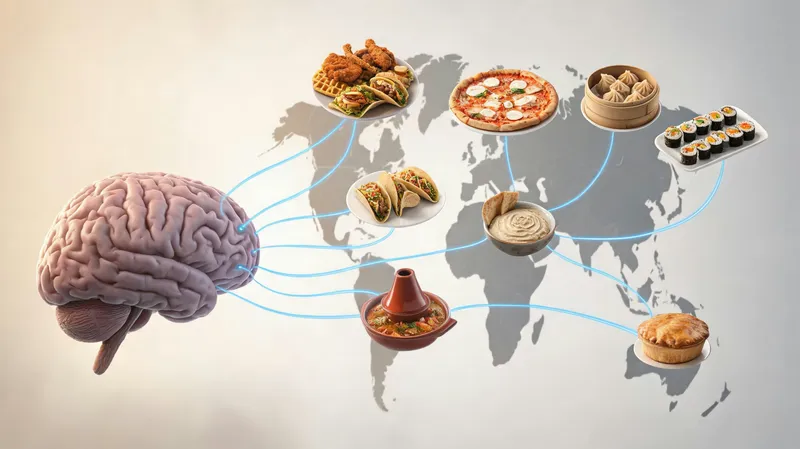
Cultural and linguistic inclusivity in AI design is another challenge. Many AI recipe datasets are skewed toward Western cuisines, potentially marginalizing other food traditions. A 2023 analysis of popular AI recipe generators found that less than 15% of recipes featured African, Latin American, or South Asian dishes. Efforts are underway to correct this: Google's AI research team has partnered with chefs from diverse backgrounds to expand recipe datasets, and startups like Kafoodle are building culturally sensitive AI assistants that understand ingredients like plantains, miso, and garam masala. Inclusive design ensures that AI in home cooking serves all communities, not just those already well-represented.
Sustainability and Energy Use in AI-Assisted Kitchens
Sustainability is a double-edged sword when it comes to AI in home cooking. On one hand, AI can optimize energy use and reduce food waste; on the other, the technology itself has a carbon footprint that cannot be ignored.
AI can optimize cooking processes to reduce energy use. Smart ovens like those from June and Brava use computer vision and machine learning to cook food precisely, often faster and at lower temperatures than conventional methods. A 2024 study by the American Council for an Energy-Efficient Economy (ACEEE) found that AI-controlled ovens reduced energy consumption by up to 20% compared to standard electric ovens. AI can also suggest energy-efficient cooking methods—for example, recommending a slow cooker instead of an oven for certain dishes—based on real-time electricity prices and grid carbon intensity. These optimizations benefit both the environment and the household budget.
Food waste reduction is another major advantage. AI meal-planning apps and smart fridges with inventory tracking can significantly cut household food waste. A 2023 study in the journal Resources, Conservation and Recycling found that households using AI-powered inventory management reduced food waste by 30% on average. Smart fridges like Samsung Family Hub can track expiration dates and suggest recipes to use up ingredients before they spoil. This not only saves money but also reduces methane emissions from landfills, where food waste is a major contributor.
However, the carbon footprint of AI itself is substantial. Training and running AI models requires massive data centers that consume significant electricity, often from non-renewable sources. The manufacturing of smart kitchen devices also has an environmental cost: a lifecycle analysis by the Ellen MacArthur Foundation estimated that a smart refrigerator has a 15% higher embodied carbon footprint than a conventional one due to additional electronics and sensors. These trade-offs mean that the net environmental benefit of AI in home cooking depends on how the technology is deployed and powered. Using renewable energy for data centers and designing devices for longevity and recyclability are essential to tip the balance toward sustainability.
Charting a Thoughtful Course for the AI Kitchen
The integration of AI into home cooking represents more than a convenience—it is a societal transformation with significant consequences for skills, equity, culture, and the environment. As we have seen, AI can enhance human creativity, democratize culinary education, and reduce food waste, but it can also deepen digital divides, erode traditional skills, and add to carbon emissions if not carefully managed.
The future of cooking will be shaped by the choices we make today. To ensure that AI benefits all in the kitchen, stakeholders must prioritize inclusive design that represents diverse cuisines and languages, invest in digital literacy programs so that everyone can use these tools effectively, and adopt sustainable AI practices that minimize energy consumption and electronic waste. Policymakers, technologists, chefs, and home cooks all have a role to play in shaping an AI kitchen that is not only smart but also just and sustainable.
As AI continues to evolve, the question is not whether it will change home cooking—it already has. The real question is how we can steer that change to enrich human experience, preserve culinary heritage, and protect the planet. The AI kitchen is coming; let's make sure it's a kitchen for everyone.