Hands-Free, Step-by-Step Guidance That Keeps Pace With You
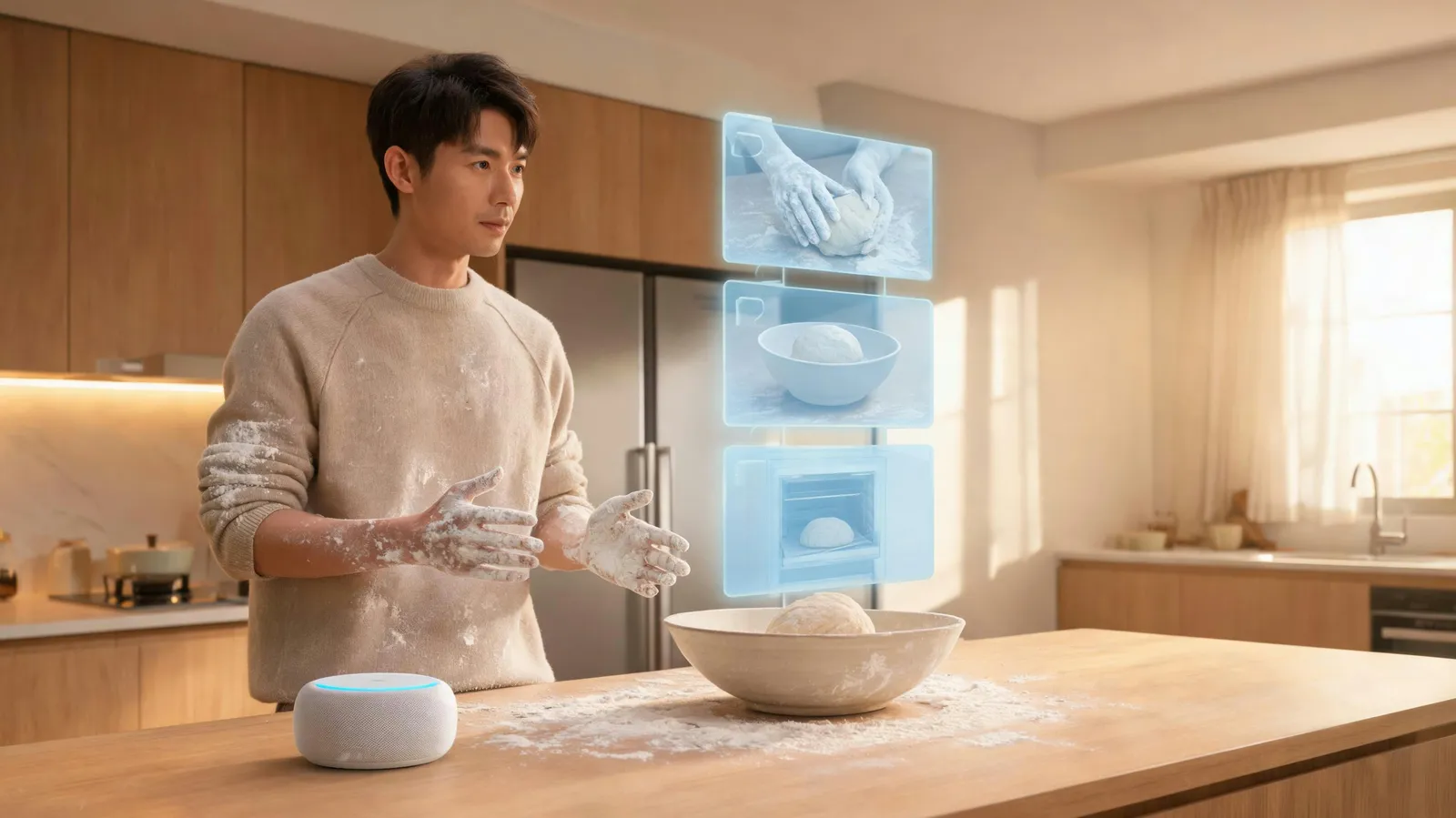
Picture a kitchen helper that answers questions and tracks where you are in a recipe without requiring you to touch anything. That is the role voice-driven cooking assistants aim to fill. They walk cooks through each stage interactively, matching the pace of the person cooking; if you stop to ask something, a running timer pauses and then picks up again without fuss.
A 2024 survey conducted by Kitchen Tech Insights found that 78% of respondents said voice-guided assistants helped them make fewer mistakes and time their cooking better. Working without hands has clear advantages when you are juggling several tasks or handling raw ingredients. Because these assistants connect with smart speakers such as Amazon Echo and Google Nest, as well as kitchen displays like the GE Kitchen Hub, you can keep flour-covered hands where they are and still get precise directions. The Smart Kitchen Association reported that 85% of users felt more confident tackling unfamiliar recipes when voice guidance was available. From kneading dough to searing a steak, the assistant is meant to keep you from losing your place.
Cameras That Read Doneness and Presentation
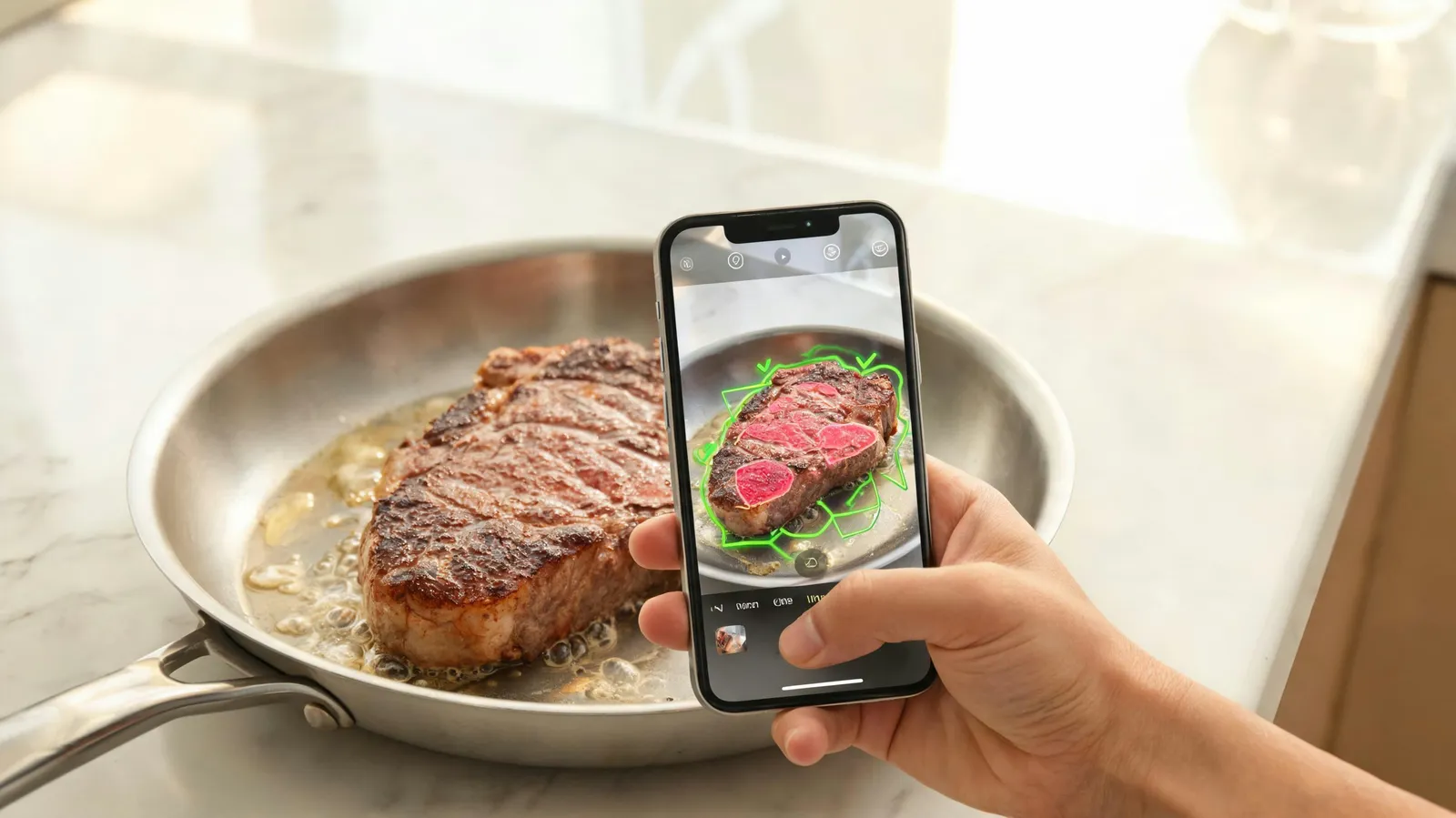
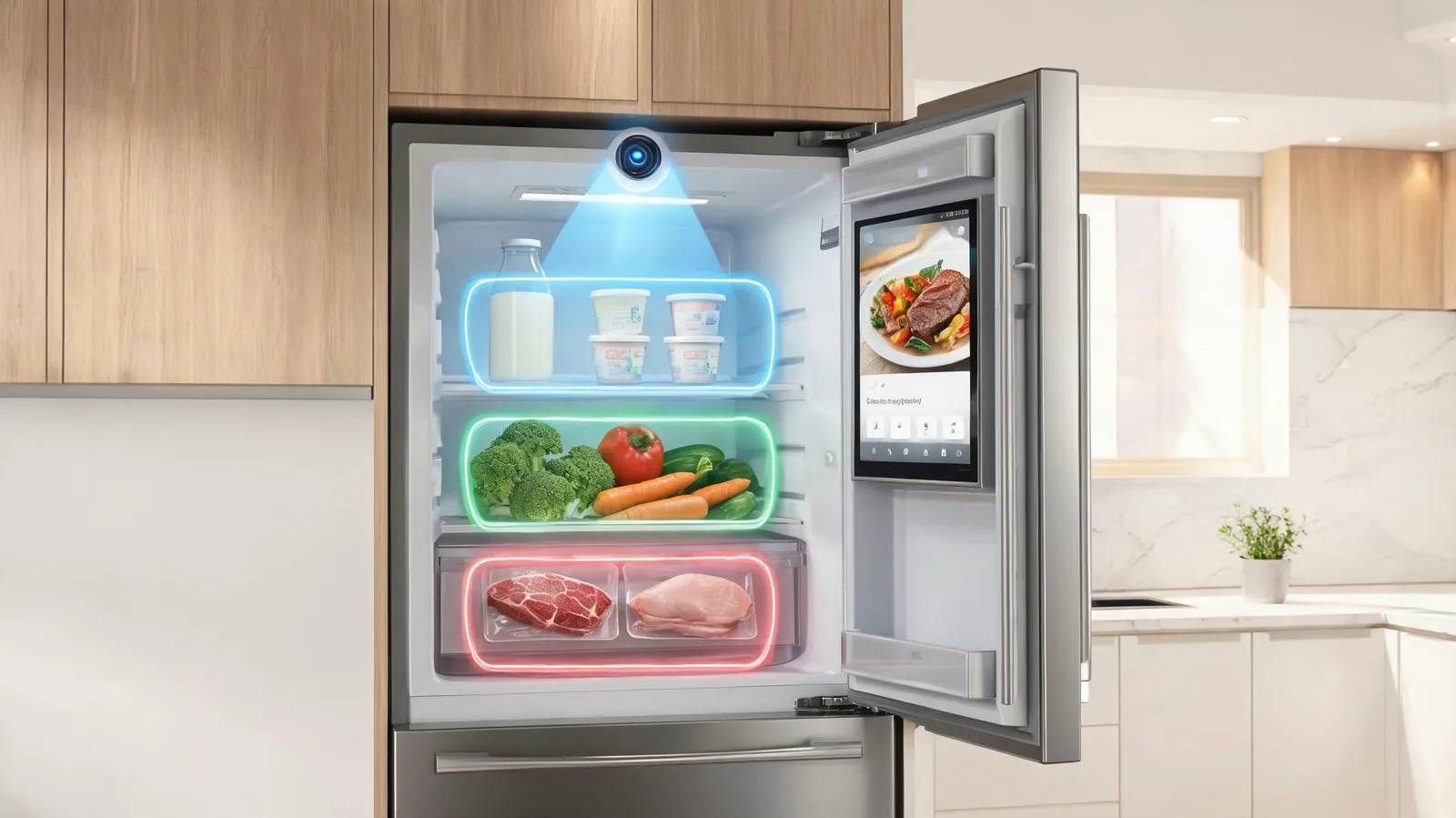
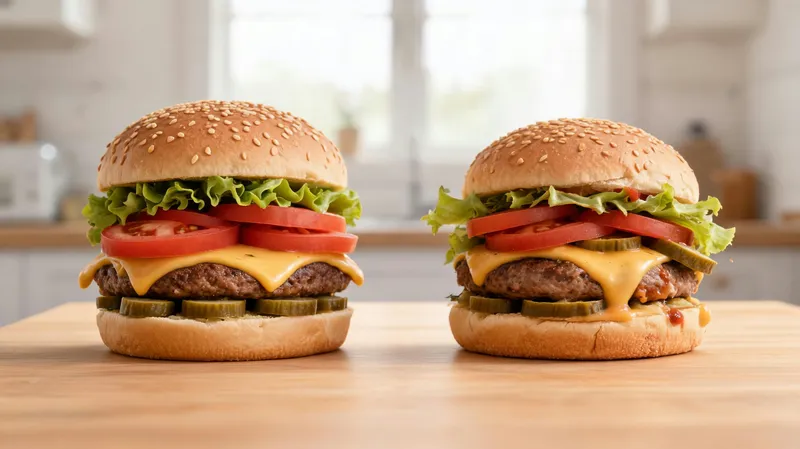
What if the assistant could watch the food itself and say when it is ready? Computer vision brings that scenario closer to reality. By processing live video from a phone or a smart oven's camera, AI can estimate how cooked a dish is. In one case study from the Culinary AI Institute, a system judged a steak to be perfectly medium-rare by examining color and texture, reaching 95% consistency with human assessments.
Presentation is another area where vision can contribute. The assistant might propose a finishing touch—a drizzle of balsamic reduction in one spot, a scatter of microgreens in another. Early adopters of the Samsung Family Hub have reported in user testimonials that their plates looked closer to restaurant quality after they followed the AI's plating suggestions. The appeal goes beyond appearance: such feedback can make cooks more comfortable serving ambitious dishes to guests.
Catching Problems Before They Spoil the Meal
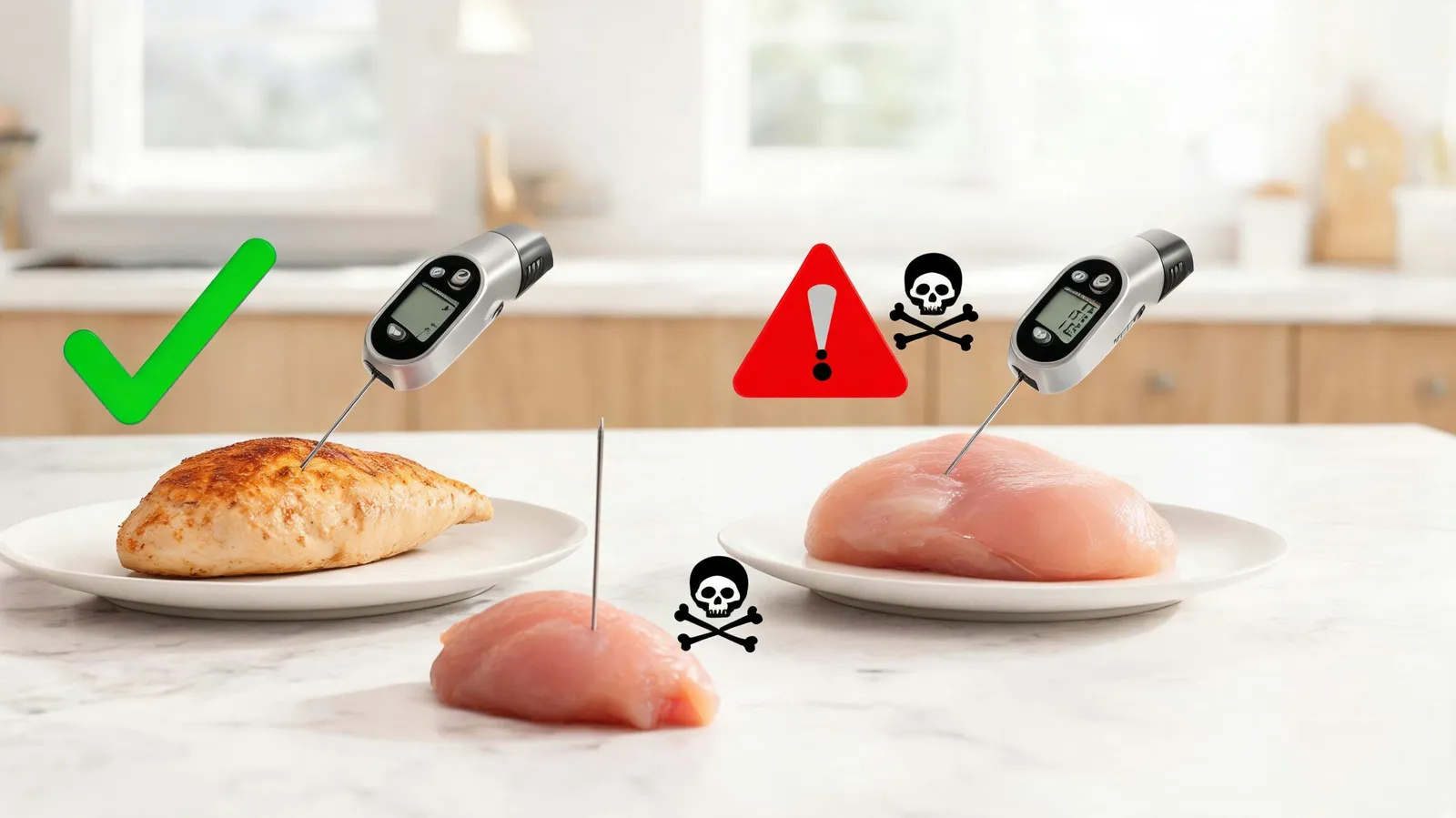
Mistakes happen even to skilled cooks. Advanced assistants try to spot them early. They can flag frequent errors—burning, undercooking, or getting ingredient proportions wrong—and warn you when, for instance, oil begins to smoke or a sauce starts to split. According to the Food Waste Reduction Council, cooking with AI assistance can cut food waste by as much as 30% by heading off these errors.
Recovery advice arrives in real time as well. ChefTech Labs documented a case in which an assistant talked a user through rescuing a broken sauce by adding a small amount of cold water and whisking hard. Users say knowing a fix may be available makes them noticeably more confident. With an AI helper, a cook is not left on their own when something goes wrong.
Coaching That Follows Your Progress
A further strength of these assistants is that they adjust to the person using them. Coaching is tailored to current skill level and aimed at steady improvement. Once basic knife cuts are mastered, for example, the assistant may introduce techniques such as chiffonade or brunoise.
A longitudinal study by the Culinary Advancement Foundation recorded a 40% improvement in cooking skills over six months among users working with an AI coach. Interactive tutorials and feedback help make unfamiliar techniques easier to learn. One case study tracked a user who went from boiling eggs to cooking sous-vide in three months. Testimonials often describe greater confidence in the kitchen and more willingness to attempt complicated recipes. The coach, in effect, functions like a culinary instructor on call at any hour.
Where This Is Heading
AI cooking assistants are more than novelty devices. They spread practical cooking know-how to people who might not otherwise have access to it. By combining spoken guidance, camera-based analysis, error recovery, and skill-building, they assist cooks of all levels, help limit food waste, and make time in the kitchen more pleasant.
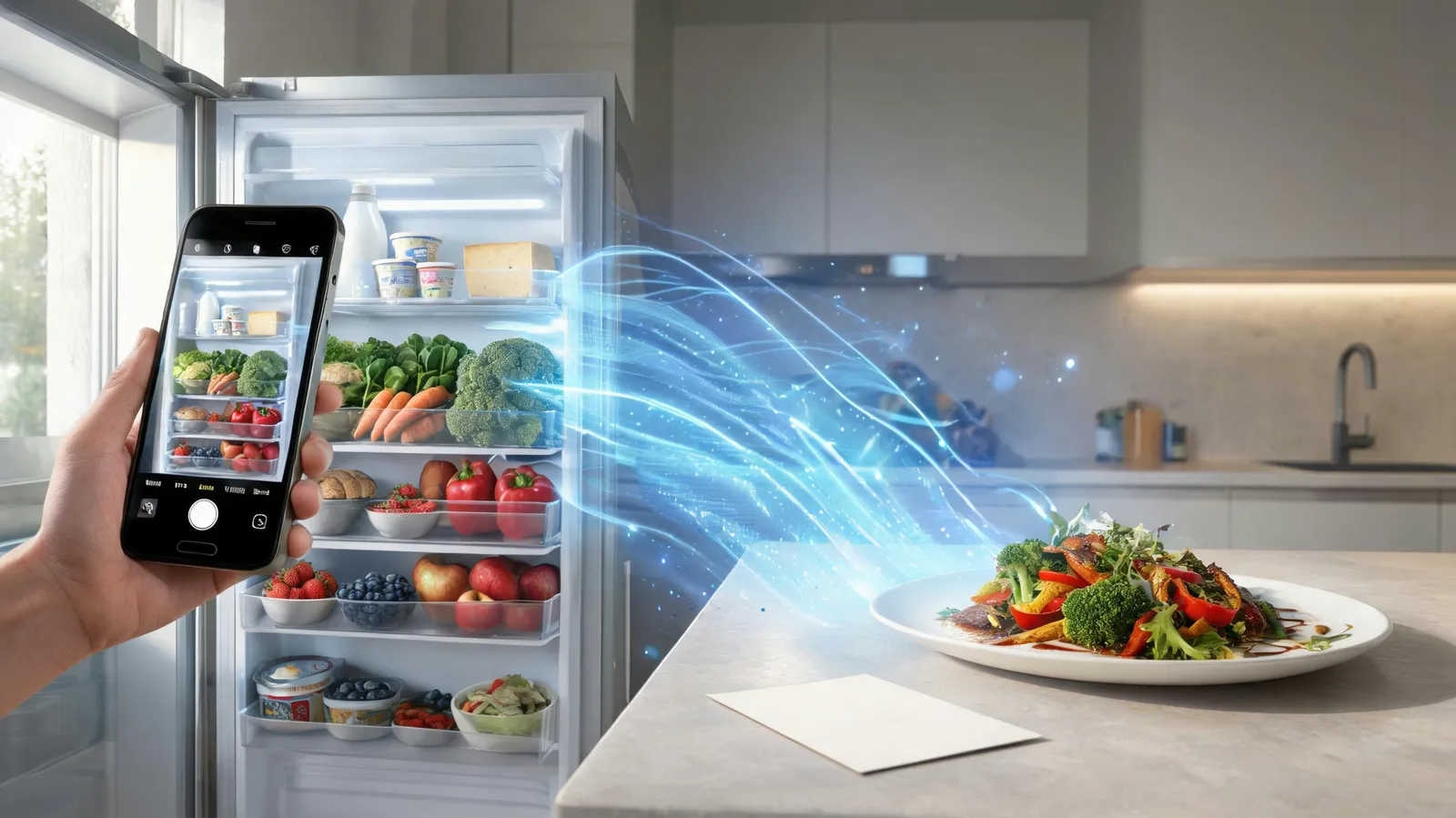
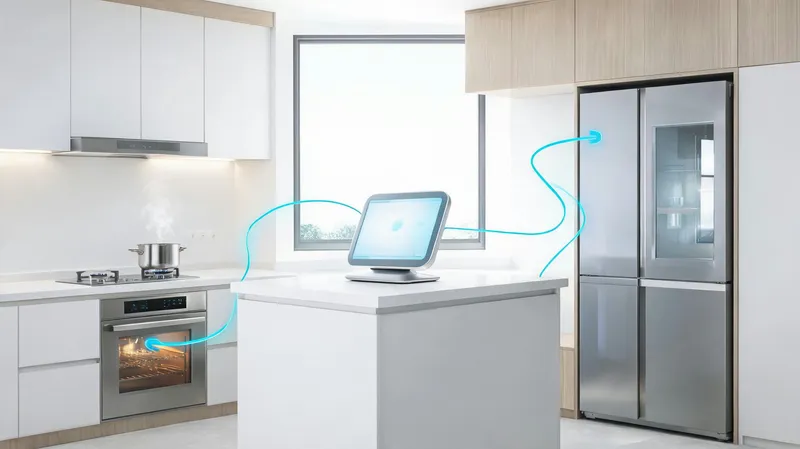
Looking ahead, there is broad potential for these systems to work with smart appliances and personalized nutrition. A kitchen could learn your dietary preferences, propose dishes from what is already in the fridge, and steer you toward a well-cooked result. The AI sous-chef is not some far-off idea; it is already in use and changing how people cook. Beginner or experienced chef, letting AI share the kitchen can open up new confidence and creativity. The question is whether you are ready to hand it the apron.