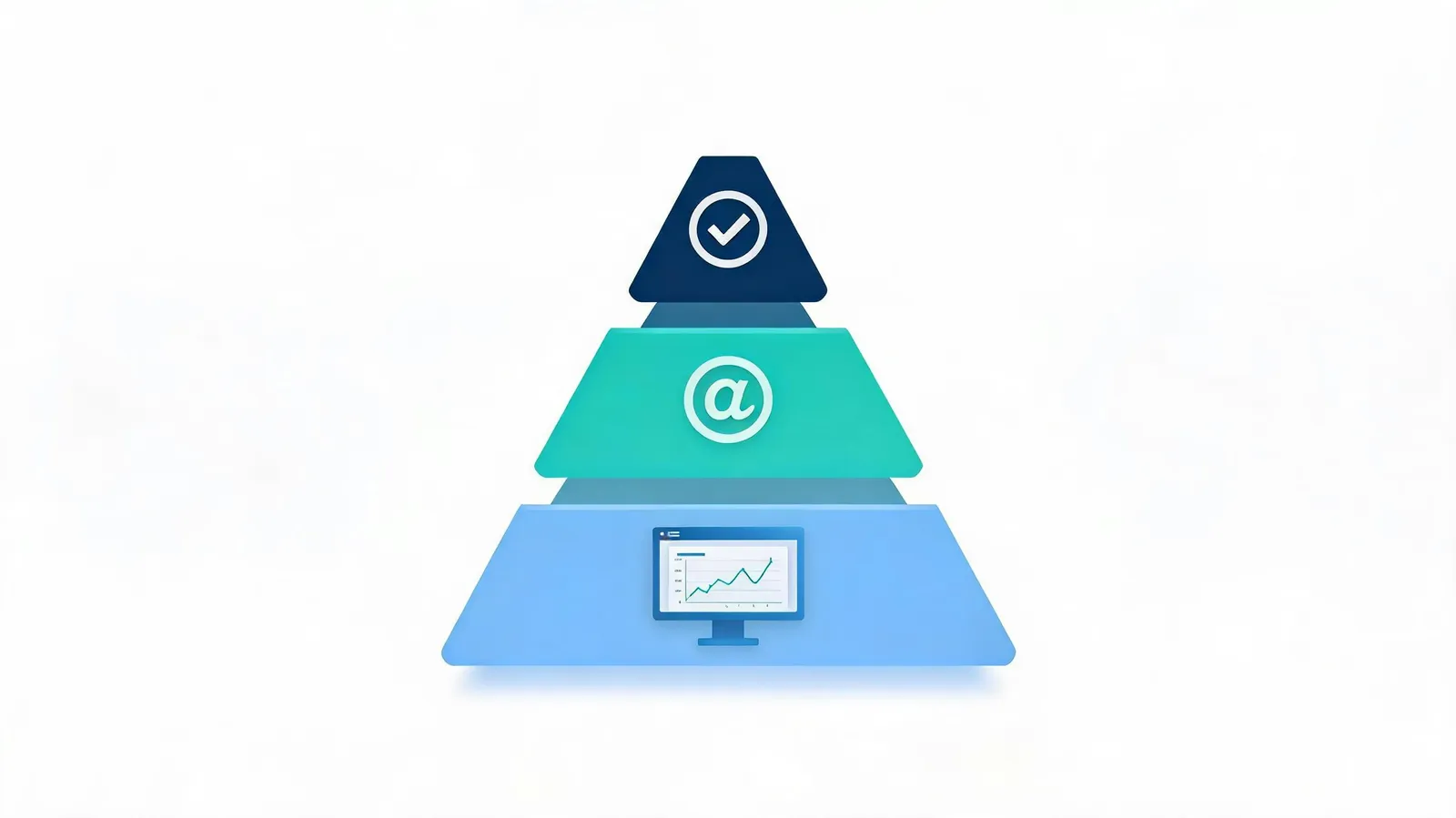
Machine learning models frequently fail without obvious errors, which can quietly erode performance and affect business results. ML systems are multi-stage, covering data ingestion, feature engineering, training, and deployment, and each stage can introduce its own kind of bug. A structured debugging approach is therefore needed to spot data drift, leakage, label noise, training instability, reproducibility problems, and gaps in production monitoring.
1. Spotting Data Drift, Leakage, and Label Noise
Problems rooted in data are one of the most frequent sources of ML model failure. Catching them early can save considerable time and resources.
1.1 Data Drift
Data drift means the distribution of input features shifts over time. When that happens, a model's performance can decline because the patterns it learned during training no longer hold. Statistical tests such as Kolmogorov-Smirnov (KS) and Population Stability Index (PSI) are often used to detect drift. Monitoring dashboards that track feature distributions can give early warnings. In one case study, a model's accuracy fell by 20% after customer behavior gradually drifted; the drop was only identified after drift monitoring was put in place.
1.2 Data Leakage
Data leakage happens when information from the future or from the target variable unintentionally affects training. The result is performance that looks overly optimistic during training but generalizes poorly in production. Common examples include using future data in time-series forecasting or including features derived from the target. Detection involves correlation analysis and pipeline audits to confirm that no future information is used.
1.3 Label Noise
Label noise means incorrect or inconsistent labels in the training data, and it can significantly affect model performance. Techniques such as confident learning can help identify and correct label errors. Tools like Cleanlab offer automated label error detection. The impact of label noise can be severe, particularly in sensitive applications such as medical diagnosis.
2. Debugging Training Instability and Reproducibility Failures
Training instability and reproducibility problems can make it hard to trust ML models and to iterate on them.
2.1 Training Instability
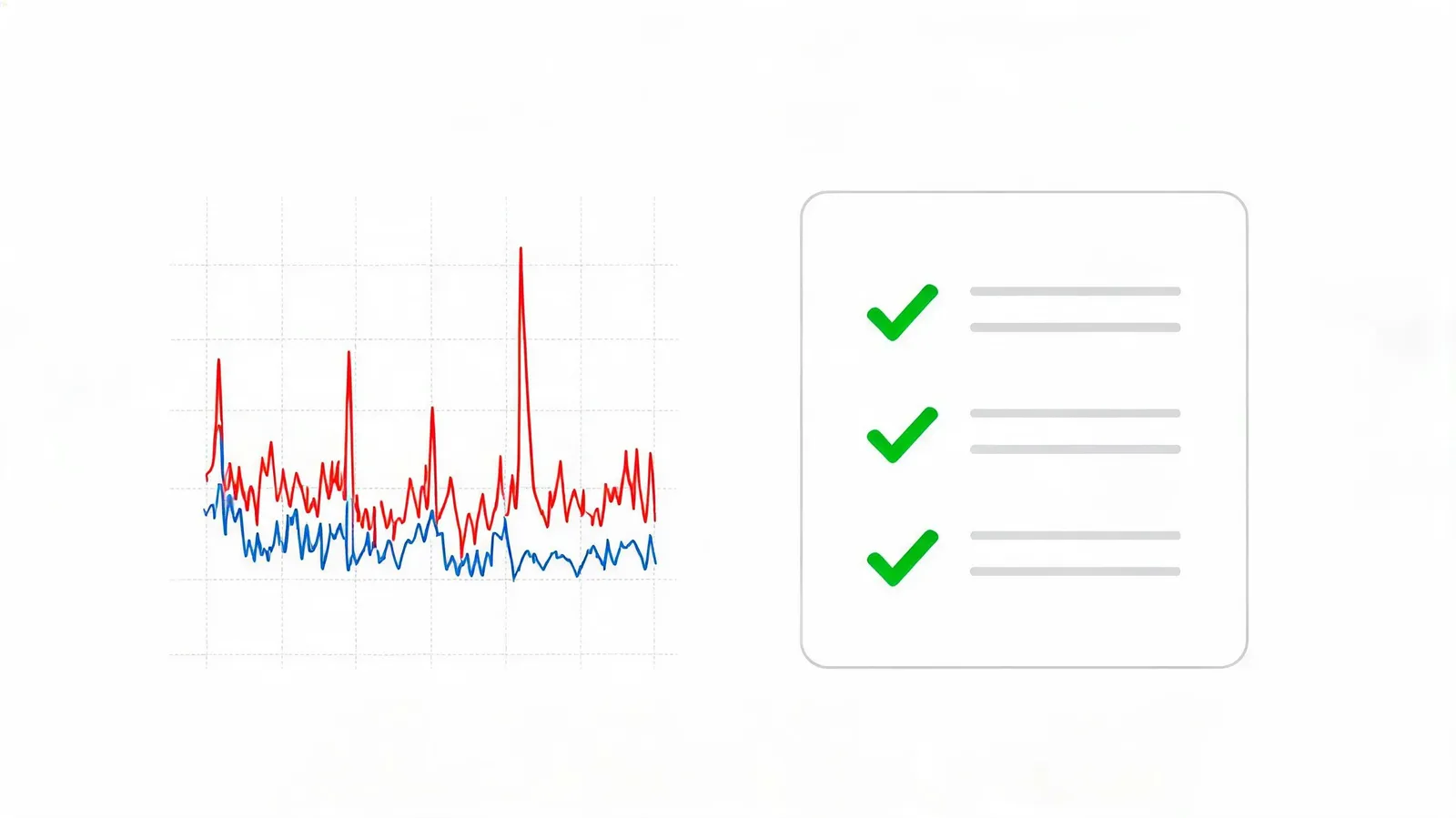
Training instability shows up as loss oscillations, NaN values, or vanishing or exploding gradients. Typical causes include inappropriate learning rates, poor weight initialization, and small batch sizes. Debugging tools such as gradient checking and loss curve visualization can help pinpoint these issues. For example, a loss curve that oscillates wildly may point to a learning rate that is too high.
2.2 Reproducibility Failures
Reproducibility failures occur when results are not consistent across runs. Sources of randomness include random seeds, hardware differences, and parallelization. Best practices include setting random seeds, logging all hyperparameters, and using deterministic algorithms where possible. Tools like MLflow can help track experiments and support reproducibility.
3. Model Observability and Monitoring in Production
After deployment, models need continuous monitoring so that issues can be detected in real time.
3.1 Key Metrics to Monitor
Important metrics include prediction drift, performance metrics (accuracy, precision, recall), and data quality. Tools like Prometheus and Grafana can be used to build monitoring dashboards. Alerting strategies should be set up so engineers are notified when metrics move outside expected ranges.
3.2 Logging and Tracing
Logging inputs and outputs is essential for debugging production issues. Distributed tracing can help follow requests through the pipeline. Tools such as Jaeger or OpenTelemetry can be integrated to trace ML systems.
4. Debugging Feature Stores and Data Transformation Pipelines
Feature stores and data transformation pipelines are critical components that often introduce subtle bugs.
4.1 Feature Store Inconsistencies
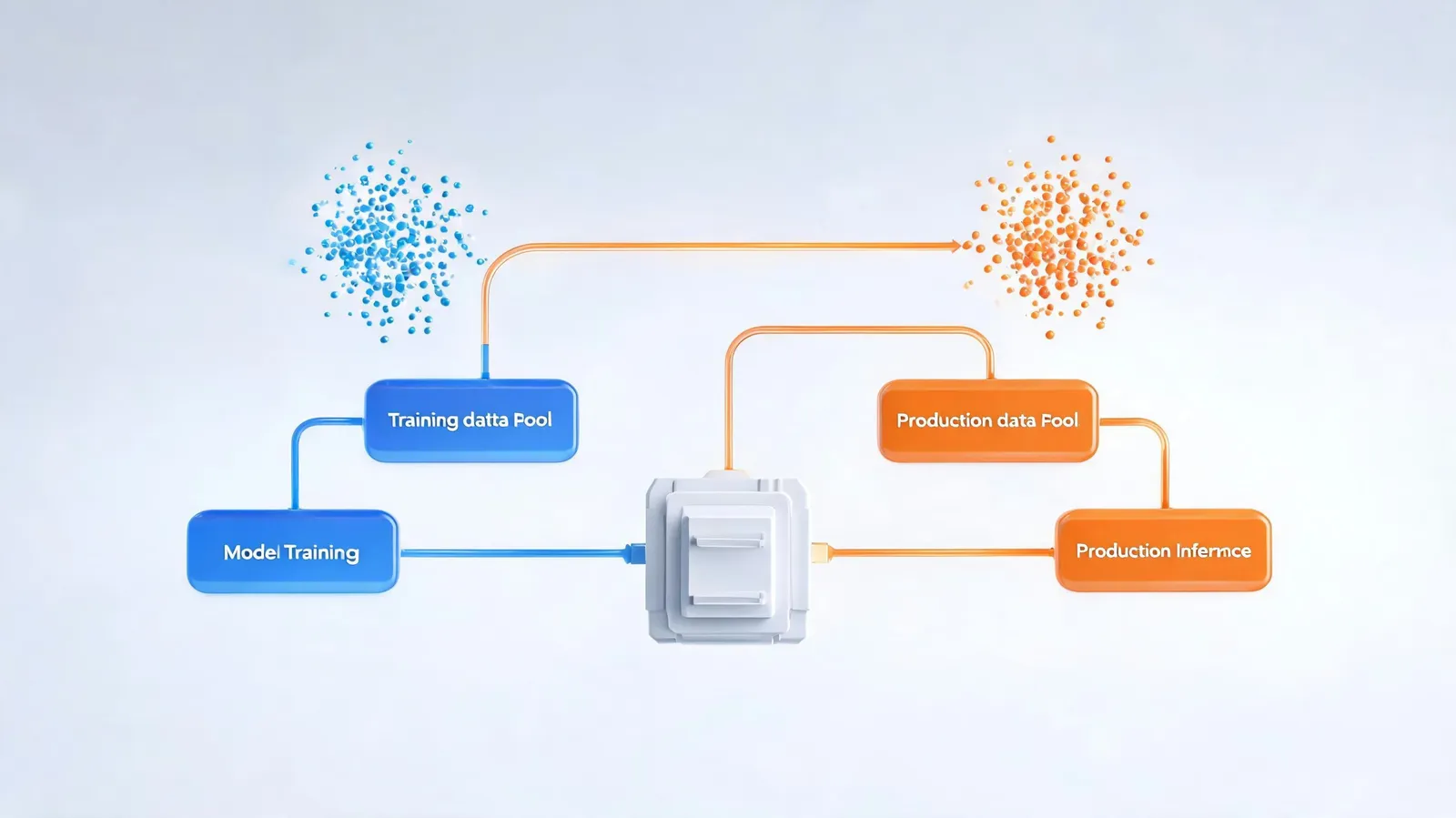
Training-serving skew arises when the features used in training differ from those used in serving. Causes include different code paths and time window mismatches. Consistency checks can detect skew by comparing feature statistics between training and serving.
4.2 Data Transformation Bugs
Incorrect aggregations, missing values, and type mismatches are common transformation bugs. Unit testing for transformations and data validation frameworks like Great Expectations can catch these errors early.
Conclusion
Debugging machine learning models and data pipelines is essential for preserving performance, trust, and business value. By systematically addressing data issues, training instability, monitoring gaps, and feature pipeline bugs, teams can build reliable ML systems. Automated debugging tools and AI-assisted observability are expected to make it easier to maintain robust ML applications going forward.