AI's Growing Role in Software Troubleshooting: From Code Smells to Incident Response
Applications today produce vast quantities of logs and metrics every second. Yet debugging still often depends on developer intuition and time-consuming log inspection. AI debugging tools are beginning to fill that gap, assisting teams in finding, understanding, and fixing software problems more quickly—cutting downtime and easing the load on engineers.
1. LLM-Powered Code Review and Bug Localization
Large language models trained on large codebases can recognize patterns associated with bugs, including null pointer dereferences and race conditions. In some benchmarks, research indicates that LLMs can predict bug locations with accuracy reaching 70%, and features such as GitHub Copilot's code review can flag potential problems as code is written.
When integrated into CI/CD pipelines, these models enable automated review and earlier bug detection. One fintech company cut post-release defects by 40% after adopting LLM-based review, and offerings like Amazon CodeGuru and DeepCode deliver automated suggestions embedded in developers' existing workflows.
2. Automated Root-Cause Analysis for Production Incidents
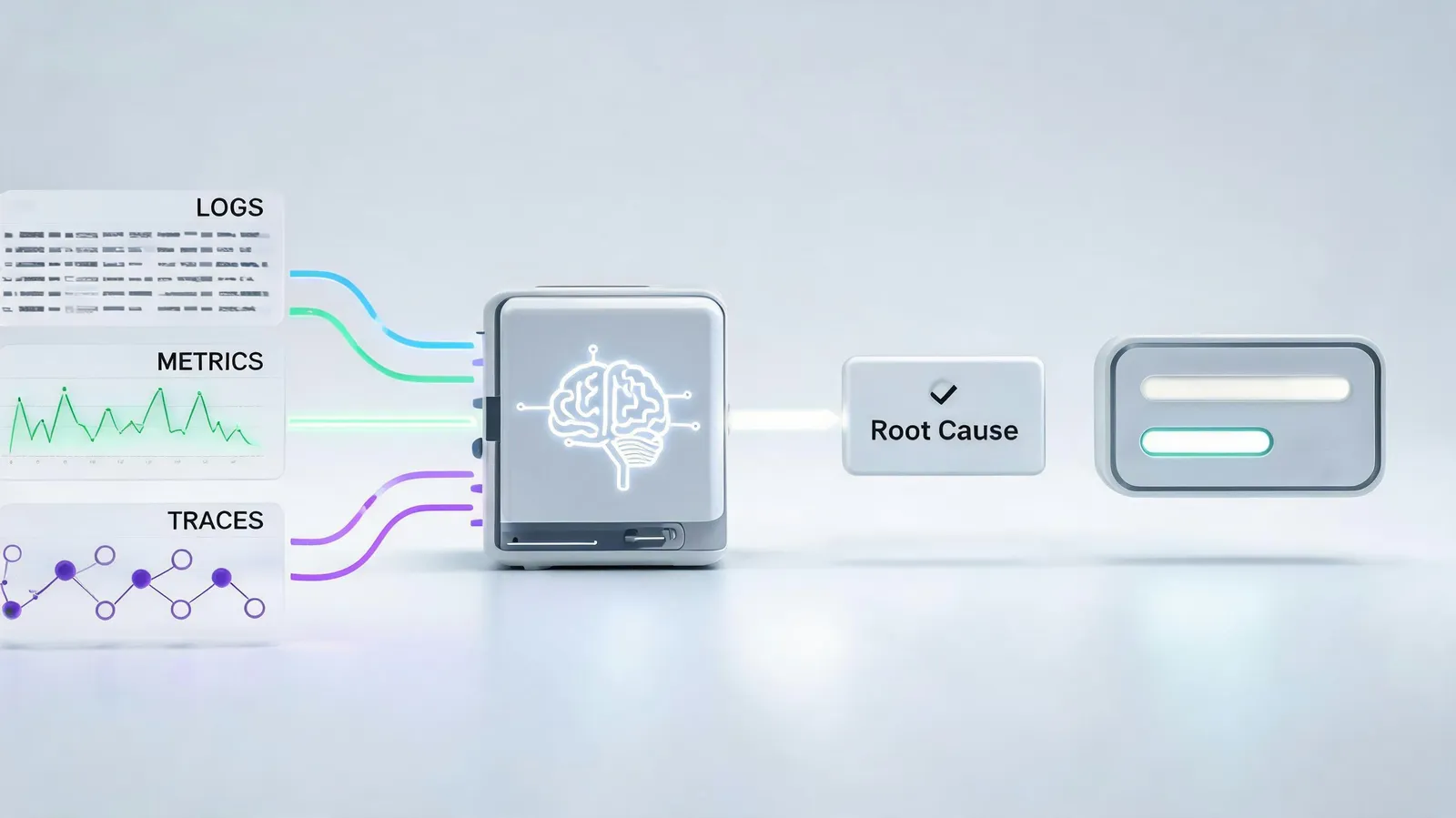
AI systems can correlate logs, metrics, and traces to surface the probable cause of an incident. Netflix's Edgar system applies AI to identify the sources of streaming problems, and organizations using AI-driven root cause analysis report 50% faster incident resolution.
Natural language processing can also mine incident reports and chatops conversations for insights. PagerDuty's AIOps and Moogsoft, for example, use NLP to propose likely causes, and one cloud provider reduced false alerts by 60% through AI-based correlation.
3. Interactive Debugging Assistants for Developer Teams
AI assistants can respond to natural-language questions about code behavior and recommend fixes. GitHub Copilot Chat lets developers ask why a function is failing and receive explanations, while integrations with IDEs such as VS Code and IntelliJ keep the debugging dialogue within the development environment.
Collaborative debugging is another benefit: AI can summarize debugging sessions and distribute insights across teams. Replit's Ghostwriter provides context-aware suggestions, and a remote team cut debugging onboarding time by 30% with the help of AI assistants.
4. Benchmarking AI Debugging Tools Against Human Performance
Benchmarks such as Defects4J and BugsInPy are used to compare how accurately AI and humans fix bugs. One study found that AI tools correctly fixed 45% of bugs in Defects4J, whereas humans fixed 60%—indicating that AI performs well on repetitive tasks but still struggles with novel, complex bugs.
Hybrid approaches, where AI supports humans, produce the best outcomes. Research shows that AI-human collaboration improves debugging speed by 35% compared with humans working alone, and Microsoft's IntelliCode suggests fixes while leaving the final decision to developers.
Conclusion
AI tools contribute at every stage of debugging, from code review to root-cause analysis and interactive assistance. They help reduce downtime, improve code quality, and free developers to focus on innovation. As AI becomes more deeply integrated with observability platforms and self-healing systems, debugging is likely to become more automated, more proactive, and less burdensome for software teams.