Protecting Health Data in AI Cooking Tools
Cooking and nutrition apps powered by AI gather a broad spectrum of sensitive details—food allergies, dietary restrictions, diagnosed medical conditions, and in some cases genetic information. Because such data is deeply personal, a breach could expose users to discrimination, identity theft, or unauthorized profiling. Data breaches in health applications have already exposed millions of user records, underscoring how urgently stronger security is needed. Legal frameworks such as the GDPR in Europe and HIPAA in the United States establish demanding standards for health data handling, yet enforcement across the food tech industry remains uneven.
A privacy-by-design approach is one way developers can respond. Practical measures include end-to-end encryption, anonymization of data, and securing explicit consent before any information is gathered. Limiting collection to what the app actually needs—data minimization—also shrinks the exposure surface. Experience from food tech companies suggests that transparent data practices do more than protect users; they can strengthen brand loyalty. Apps that spell out how information is used and give users granular privacy controls tend to see stronger engagement and trust from health-conscious consumers.
Trust and Explainability in AI Diet Recommendations

AI-generated recipe and diet suggestions often arrive without any explanation of the reasoning behind them. This black-box quality undermines trust, since users cannot check whether a recommendation fits their health goals or cultural preferences. Consumer surveys point to widespread distrust of opaque AI systems, especially where health decisions are involved. When transparency is missing, problematic advice—recommending an allergen, for example, or overlooking a medical condition—may pass unnoticed.
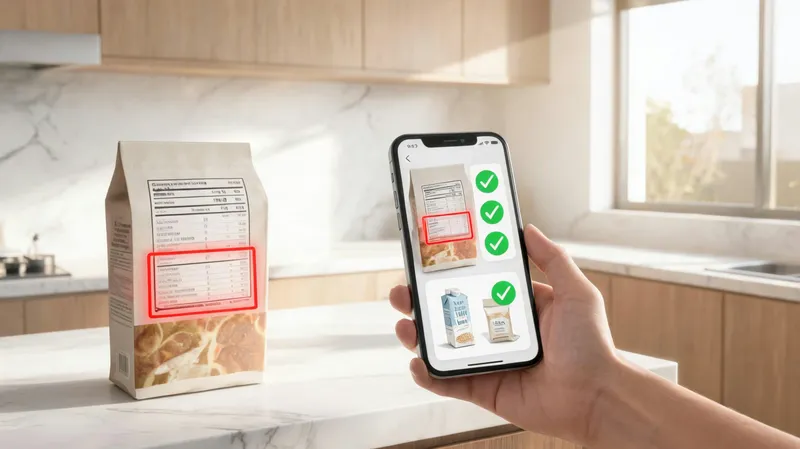
Explainable AI offers a path forward by giving clear, comprehensible reasons for each recommendation. An app could, for instance, include a "why this recommendation" button that shows which data sources and logic shaped the suggestion, whether nutritional guidelines or the user's own preferences. Transparent sourcing of dietary information, combined with user control over personal data, helps people make informed decisions. Frameworks for explainable AI in nutrition are beginning to take shape, stressing that algorithmic decisions should be auditable and accountable. Apps that put these features into practice report greater user satisfaction and better adherence to dietary plans.
Bias and Fairness in Personalized Nutrition
Bias in nutrition algorithms can originate in training data that lacks diversity, in cultural insensitivity, or in socioeconomic assumptions. An algorithm trained largely on data from Western populations, for example, may give unsuitable dietary guidance to users from other cultural backgrounds. Racial and gender biases have been documented in health algorithms, producing unequal treatment recommendations. In personalized nutrition, similar biases can yield advice that is harmful or simply ineffective for minority groups.
Developers can work against bias by prioritizing datasets that represent a broad range of cuisines, cultures, and socioeconomic circumstances. Inclusive design means collaborating with nutritionists, anthropologists, and community representatives so that algorithms reflect real-world diversity. Regular audits and ethical AI guidelines—such as those put forward by AI ethics boards—can help surface and correct biases. Fair-AI initiatives in healthcare offer best practices, including transparency in how data is collected and how algorithmic decisions are made. Fairness in these systems allows personalized nutrition apps to serve every user equitably, improving both trust and health outcomes.
Conclusion
Safeguarding health data, making dietary advice explainable, and reducing bias are three connected pillars of ethical AI in food tech. As AI cooking and nutrition apps spread, industry-wide standards and regulation will matter greatly for protecting users and promoting fairness. Educating consumers and giving them control over their personal data will fuel demand for ethical practices. Putting privacy, trust, and fairness first is both a moral obligation and a strategic advantage for long-term success in the personalized nutrition market.