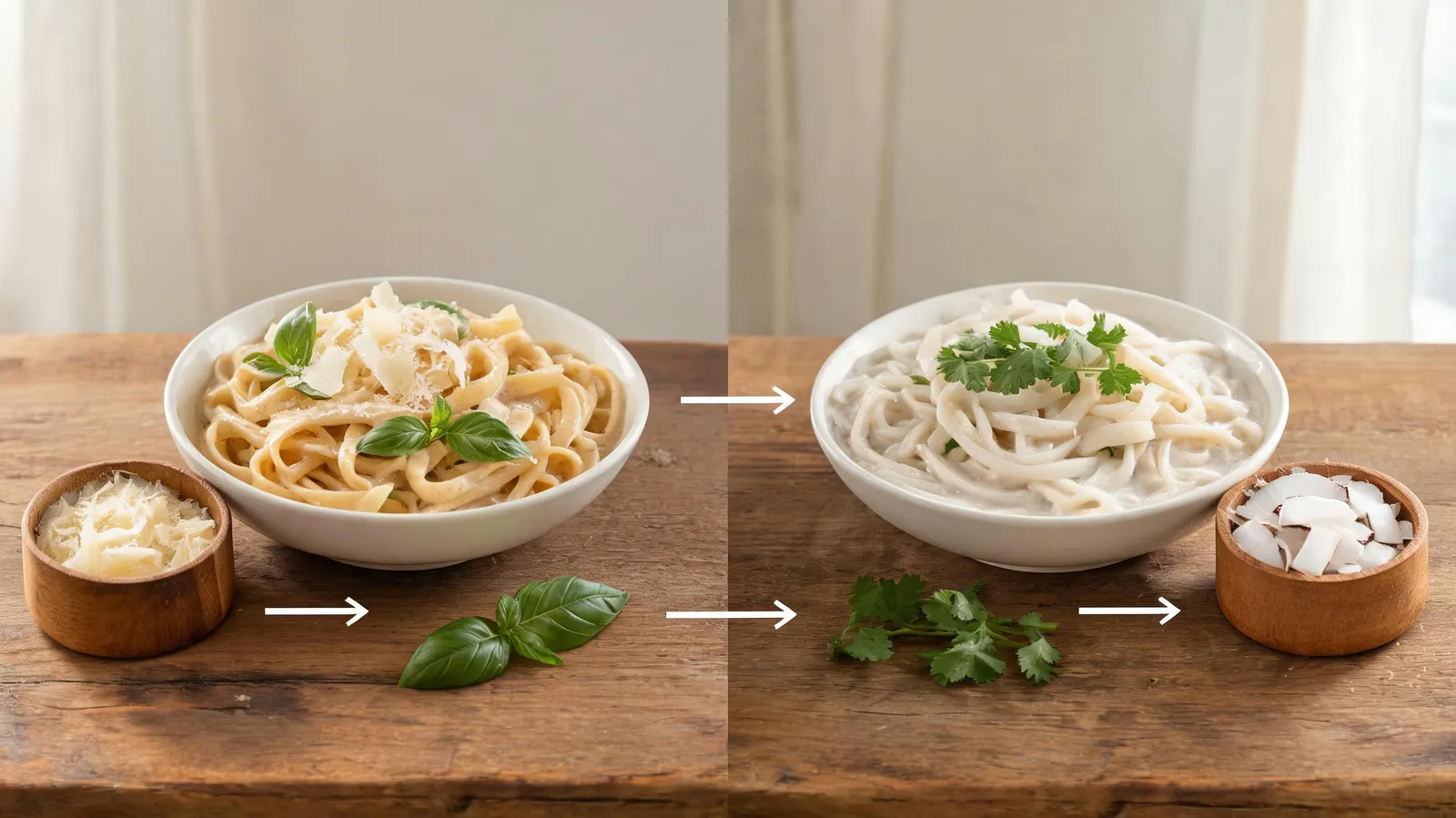
An AI that proposes a beef dish in a community where beef is prohibited, or a recipe built on ingredients that cannot be found nearby—these are familiar failures when intelligent systems operate without cultural or regional context. With the rapid growth of AI-powered recipe generators and dietary recommendation tools, the importance of cultural adaptation in AI cooking has become hard to ignore. This article looks at how such systems can learn to honor culture, region, and taste through localization, cultural sensitivity, and substitution models.
AI Recipe Localization: More Than Word-for-Word Translation
Localization goes well beyond translating the names of dishes. It requires adjusting flavors, cooking methods, and ingredients to suit local circumstances. An AI system needs to grasp the flavor logic of a culture and propose suitable ingredient alternatives. Take vegan or dairy-free contexts, where Parmesan might be replaced with nutritional yeast, or consider tuning heat levels to regional tastes—the sharp heat of Thai food compared with the layered spice blends of Indian cuisine. Data on regional spice preferences can help AI tailor recipes to local palates.
Adapting techniques and equipment matters just as much. A great many Western recipes assume an oven, yet in places where stovetop or clay-pot cooking is the norm, AI should convert the method to match. Information about energy access and differences in kitchen appliances underscores the need for such adjustments. Turning a baked casserole into a stovetop simmer or a clay-pot stew, for example, keeps the dish feasible and culturally appropriate.
Cultural Sensitivity in Dietary Recommendation Systems

To avoid offensive or harmful suggestions, AI must take religious, ethical, and social food norms seriously. For many users, restrictions such as Halal, kosher, Hindu vegetarianism, and Buddhist veganism are non-negotiable. When AI fails—recommending pork to a Muslim user or combining meat and dairy for a kosher user—it can damage trust and cause real harm. Embedding these rules into AI systems is therefore essential for cultural sensitivity in dietary recommendations.
Social and communal eating practices also deserve attention. In cultures where sharing food family-style is the norm, an AI that suggests individual portions may miss the mark. Research on meal timing and fasting periods, such as Ramadan and Lent, should shape AI recommendations. During Ramadan, for instance, AI could propose suhoor and iftar meals that fit both nutritional needs and cultural traditions.
Regional Ingredient Availability and Substitution Models
AI can propose practical substitutions by drawing on local supply chains, seasonality, and cost. A global ingredient ontology enriched with regional availability scores would let AI recommend alternatives. In areas where lemongrass is scarce, lemon zest might stand in; where saffron is hard to obtain, turmeric could be used. Data on seasonal produce calendars and import costs can help AI prioritize local, affordable options.
Substitution algorithms that preserve flavor and texture are also critical. Machine learning can compare molecular flavor profiles—replacing fish sauce with soy sauce plus seaweed, for example. Statistics on user satisfaction with AI-suggested substitutions indicate that, when done well, these swaps can be both practical and delicious. Regional ingredient substitution AI helps recipes stay authentic in spirit while adapting to local realities.
By combining localization, cultural sensitivity, and substitution models, AI can become a genuinely inclusive culinary assistant. Community-driven data and federated learning can further strengthen cultural awareness, enabling AI to learn from diverse users without centralizing sensitive data. The future of AI cooking lies in respecting borders while transcending them, creating a global palate that honors every culture.
In short, cultural adaptation in AI cooking is not merely a technical problem but an ethical one. As AI becomes more deeply embedded in our kitchens, it must learn to respect culture, region, and taste. Through localization, cultural sensitivity, and regional ingredient substitution, AI can help us cook without borders, celebrating diversity one recipe at a time.