Smarter Use of What's Already in Your Kitchen
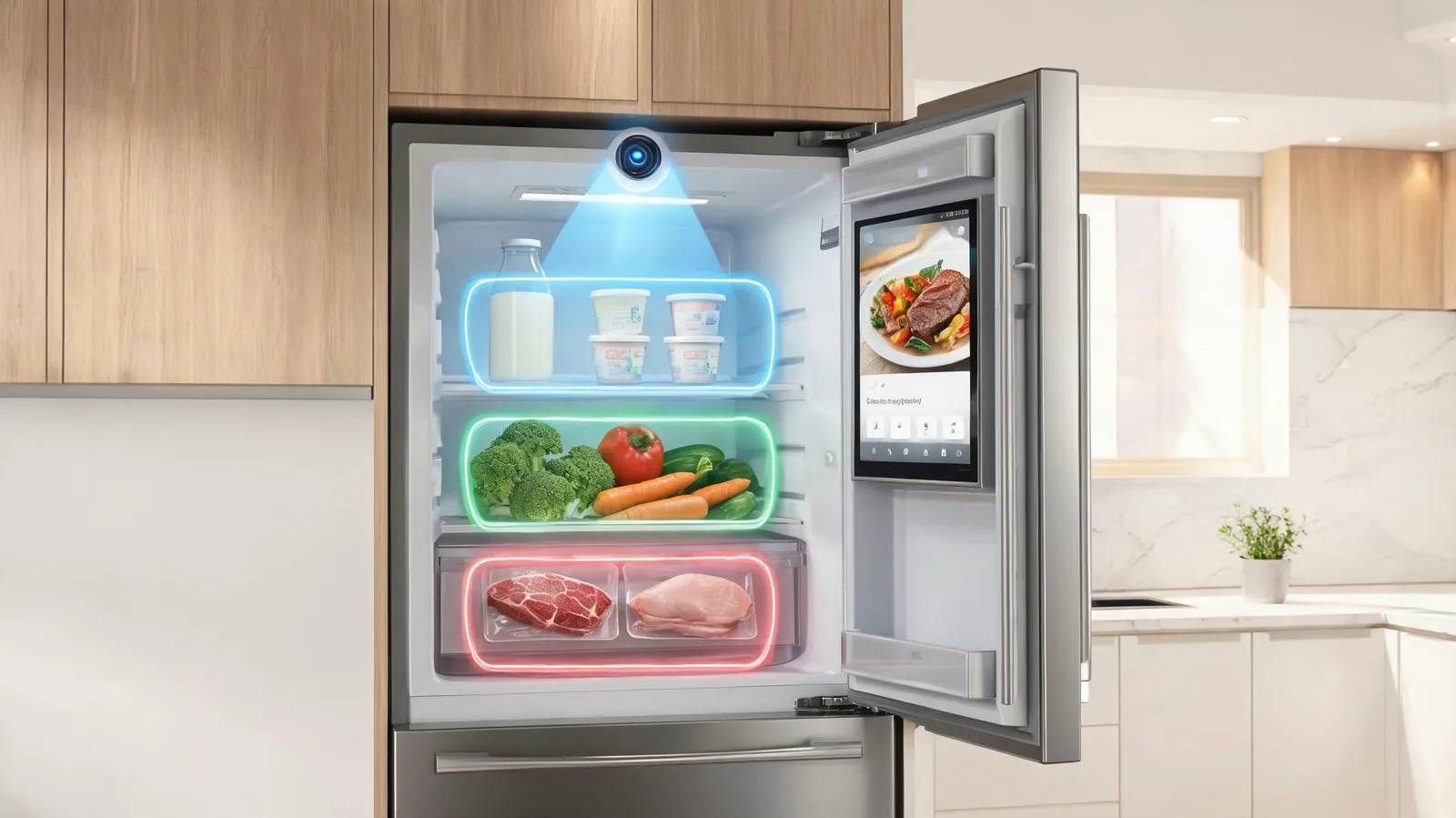
Artificial intelligence is changing the way households approach the food they purchase. Meal planners powered by AI can examine the ingredients you currently have and propose recipes that incorporate all of them—so spinach doesn't wilt unused and chicken breasts don't get forgotten in the back of the fridge. Research from the University of California, Davis, published in 2023, reported that households using AI meal planning cut food waste by 30% over three months. The benefit isn't only environmental: those households saved an average of $75 per month on groceries.
These algorithms give priority to perishable items, making sure the ingredients with the shortest shelf life get used first. If you have, say, a pound of ground beef that is approaching its sell-by date, the AI might propose tacos for Monday and a beef stir-fry for Tuesday, working the meat into meals before it goes bad. The system also takes your preferences into account, so you aren't handed recipes you dislike. As time goes on, it improves, cutting waste further.
Forecasting What Your Household Will Need
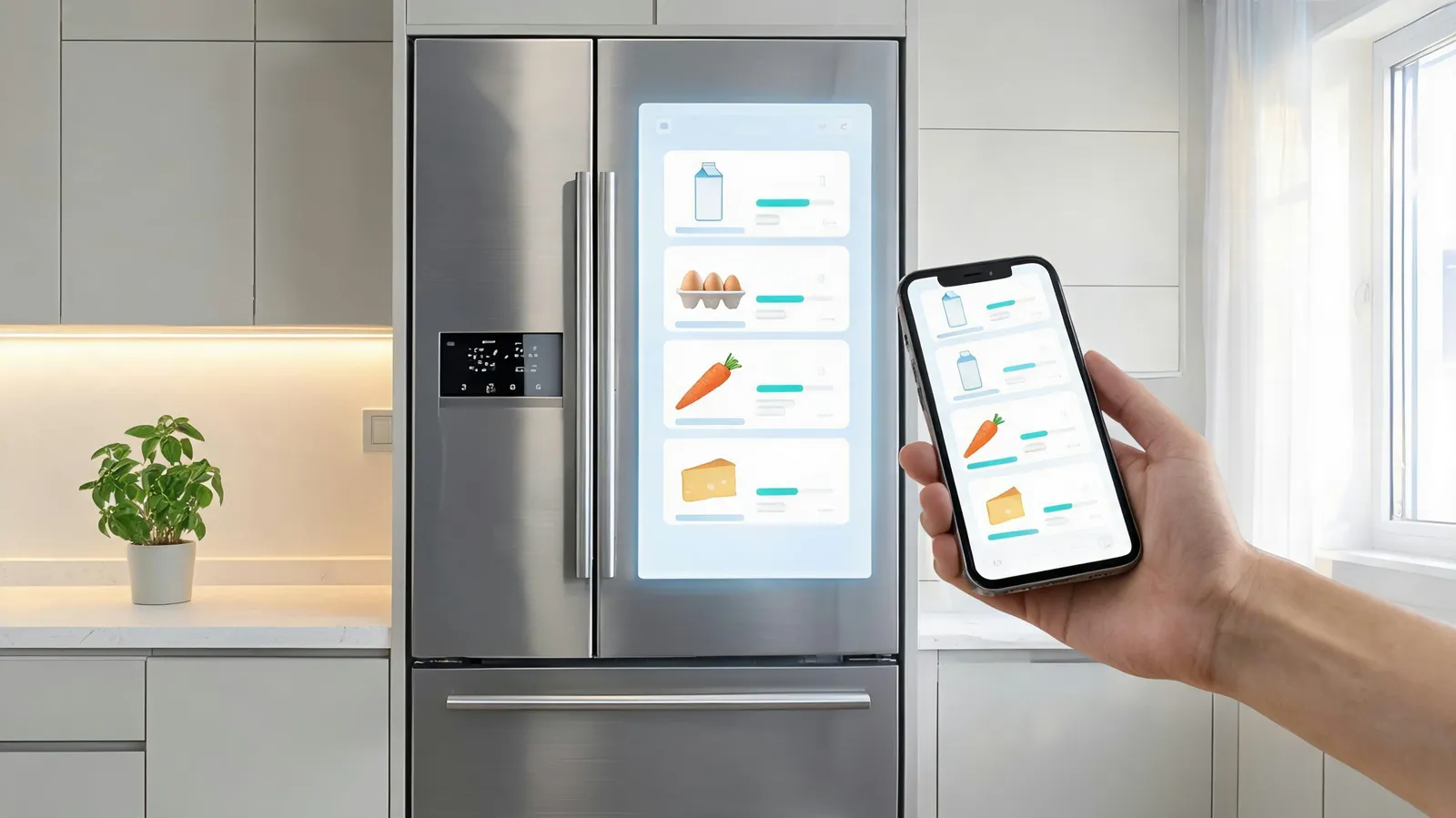
Predictive analytics pushes smart meal planning further by estimating what you will need and when. By looking at your purchase history, the way you consume food, and events on the horizon—a dinner party, a hectic work week—AI can build shopping lists that are accurate enough to head off overbuying. A 2024 report from the Smart Kitchen Summit found that families using predictive inventory tools reduced excess food purchases by 25%.
Connecting these tools to smart home devices makes the process simpler still. Refrigerators equipped with internal cameras and weight sensors can monitor your stock in real time and update your digital inventory automatically. When your milk supply runs low, the system puts it on your list. Some apps connect directly to grocery delivery services, letting you order precisely what you need with a single tap. In one case study, a family in Austin, Texas, saved $200 per month by avoiding duplicate purchases and last-minute takeout orders.
Recipes That Adapt to Leftovers
Leftovers that never get eaten are among the largest contributors to food waste. AI can address this by adjusting recipes on the fly based on what is already in your refrigerator. Suppose you have leftover roasted chicken, half an onion, and cilantro that is starting to wilt. The AI might propose a chicken salad with a cilantro-lime dressing, or a quick stir-fry. It functions something like a personal chef whose specialty is creative reuse.
Machine learning sharpens these suggestions over time. The more you cook and give feedback, the more accurate the recommendations become. After six months of using AI meal planning, users report a 40% reduction in repeat purchases of items that went unused. The approach also fosters culinary creativity, transforming ordinary leftovers into new dishes. As one user described it, "I used to throw away $50 worth of food every week. Now I'm making gourmet meals from what I already have."
Conclusion
AI-powered smart meal planning is not just a passing trend; it is a practical response to a global problem. By making better use of ingredients, forecasting inventory needs, and adapting recipes dynamically, these tools help you spend less, waste less, and eat better. As smart appliances and AI assistants become more closely integrated, the future holds the prospect of fully automated meal planning and shopping—making sustainable living effortless. Try an AI meal planner today and watch your grocery budget and your environmental footprint shrink.