
Predicting Taste Preferences with Machine Learning
For personalized recipes to support long-term healthy eating, they must be both nutritious and appealing. Machine learning (ML) models are now being used to forecast individual taste preferences with considerable precision. These models draw on diverse data, such as previous food ratings, ingredient likes and dislikes, and genetic markers tied to taste perception—for instance, the TAS2R38 gene, which affects how sensitive a person is to bitterness.
Collaborative filtering, a technique first developed for recommendation systems, has been adapted successfully to suggest recipes. An ML model can, for example, anticipate whether someone will favor spicy or sweet foods by examining their past choices and genetic tendencies. This predictive information is then paired with nutrient profiles to produce recipes that are both healthful and agreeable to the eater. A case study involving a personalized recipe app reported strong user satisfaction and a marked decrease in food waste, since meals aligned better with individual tastes and requirements.
AI-Driven Nutrient Profiling for Personal Health Goals
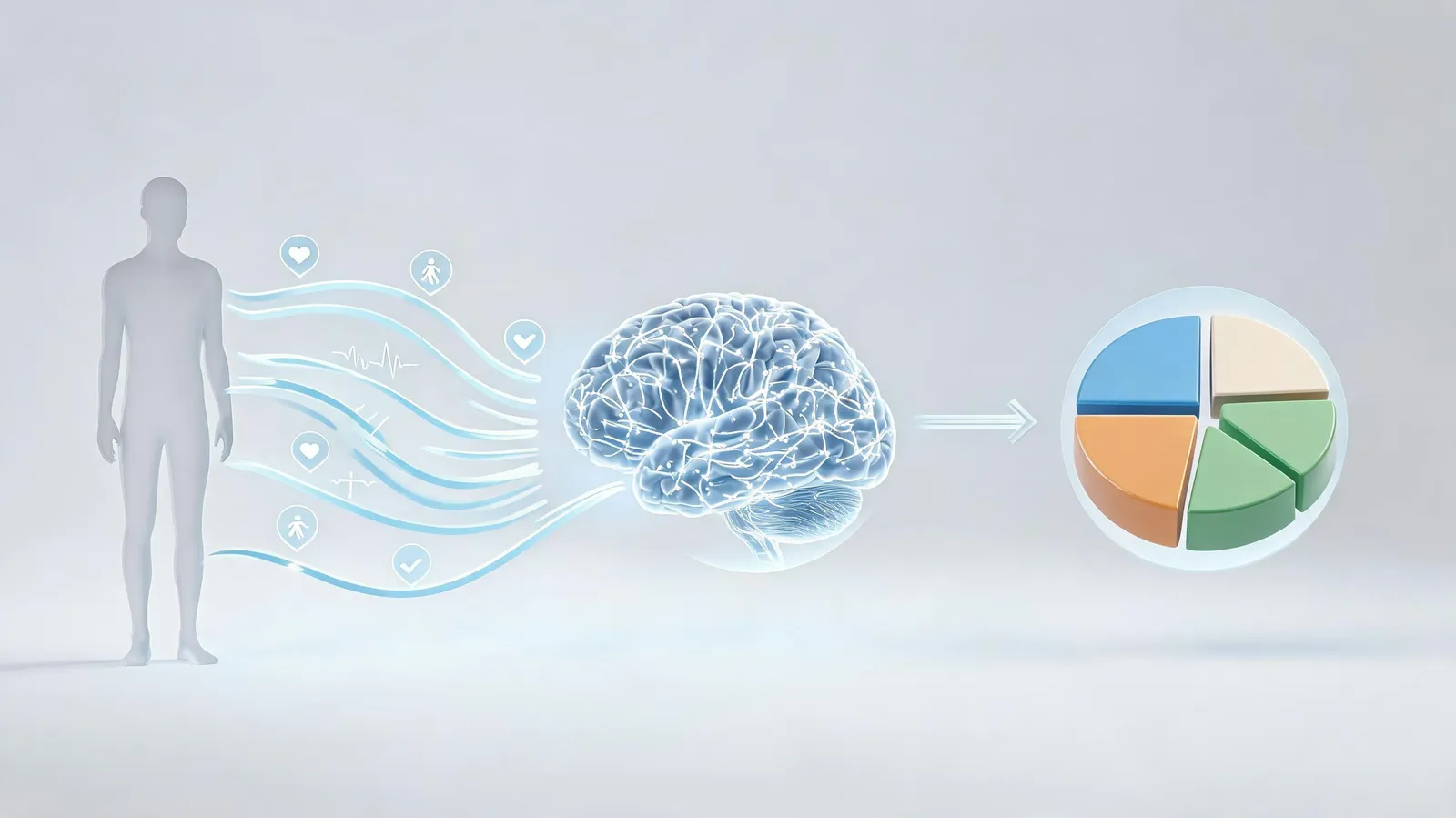
Artificial intelligence algorithms are changing the way optimal nutrient needs are established. By analyzing biomarkers, physical activity information, and specific health objectives, these algorithms set personalized nutrient targets that go well beyond standard recommended daily allowances. Research has shown better adherence and health results when diets were tailored by AI, especially for managing conditions such as diabetes. In one instance, AI modified macronutrient ratios in real time using continuous glucose monitoring data, which helped users keep blood sugar levels stable.
Connecting with wearable devices makes this process even more effective. Athletes, for example, use AI-powered platforms that examine sweat composition, heart rate variability, and energy expenditure to adjust nutrient intake on the fly. This continuous feedback loop helps ensure that nutritional needs are met as they change throughout the day.
Incorporating Genetic and Microbiome Data into Recipe Personalization
Genetic variations and microbiome composition provide a further level of personalization. Genetic markers like MTHFR and APOE affect how people metabolize nutrients and react to foods. For instance, MTHFR variants can influence folate requirements, which may lead to tailored advice to eat more leafy greens. APOE genotyping can guide fat intake recommendations, with some individuals benefiting from diets lower in saturated fat.
The gut microbiome, made up of trillions of microorganisms, influences digestion, immunity, and even food preferences. AI incorporates microbiome data to suggest prebiotic and probiotic foods that support a healthy gut. Studies on personalized fiber needs based on microbiome composition have indicated improvements in digestive health. One case study found that adjusting recipes according to microbiome data reduced bloating and enhanced overall well-being.
From Data to Plate: AI-Powered Recipe Generation and Practical Uses
AI recipe generators combine nutrient targets, taste predictions, genetic and microbiome insights, and available ingredients to create unique recipes. For example, an AI system can produce a week’s menu for a user with specific health conditions, saving time and lowering costs. Current applications include personalized meal delivery, nutrition apps, clinical dietetics, and smart kitchens. A startup using AI to create personalized recipe boxes has reported high customer retention, while integration with smart appliances allows for automated cooking based on personalized recipes.
In summary, AI-driven precision nutrition and personalized recipes mark a significant shift in healthy eating. By merging AI nutrient profiling, taste prediction, and genetic and microbiome integration, it is possible to achieve better health outcomes, improved dietary adherence, and less food waste. As AI continues to learn and adapt recipes in real time and integrates with smart health systems, the potential for further change in how we eat is substantial.