When Your Kitchen Starts Paying Attention: How Computer Vision Is Reshaping Home Cooking
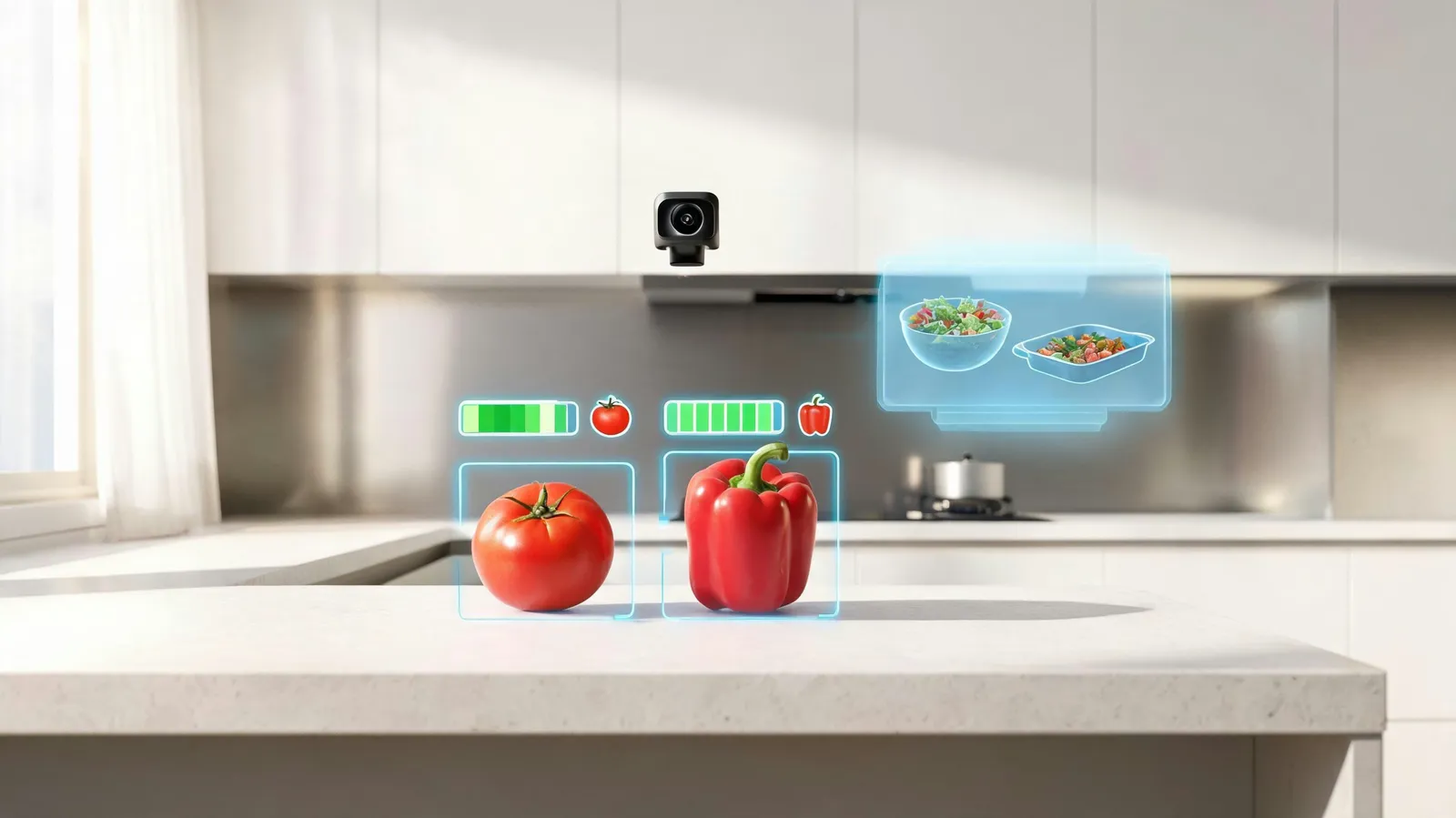
Picture a countertop that can tell what you set down, gauge how fresh it is, and walk you through a recipe tailored to you as you cook. Conventional cooking leans on guesswork, which often means discarded food, uneven outcomes, and trouble sticking to special diets. By combining computer vision with artificial intelligence and an array of sensors, ordinary kitchens are becoming responsive spaces designed to make cooking easier, trim waste, and support nutrition goals that once belonged to science fiction.
1. Recognizing Ingredients and Judging Freshness from Images
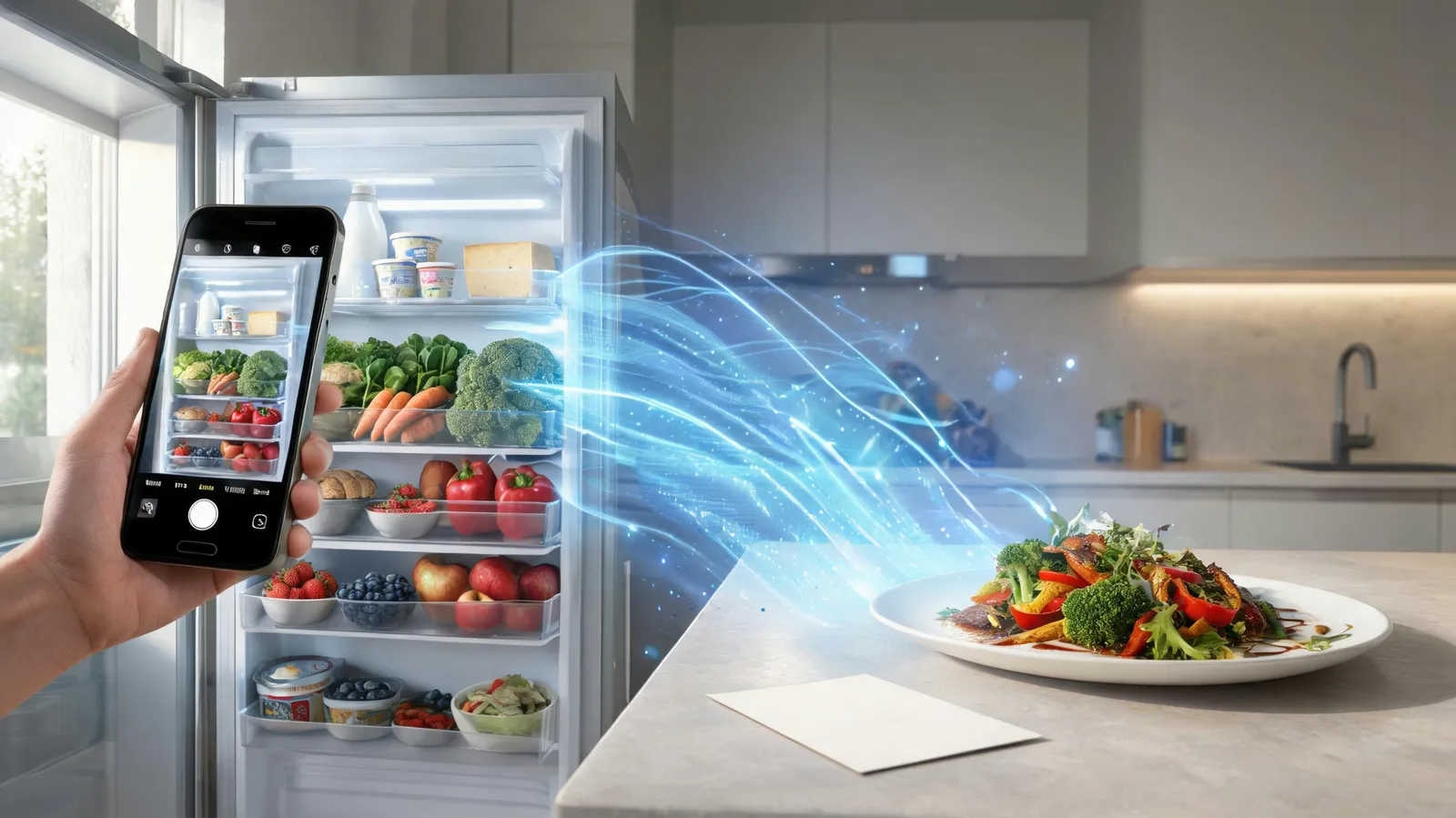
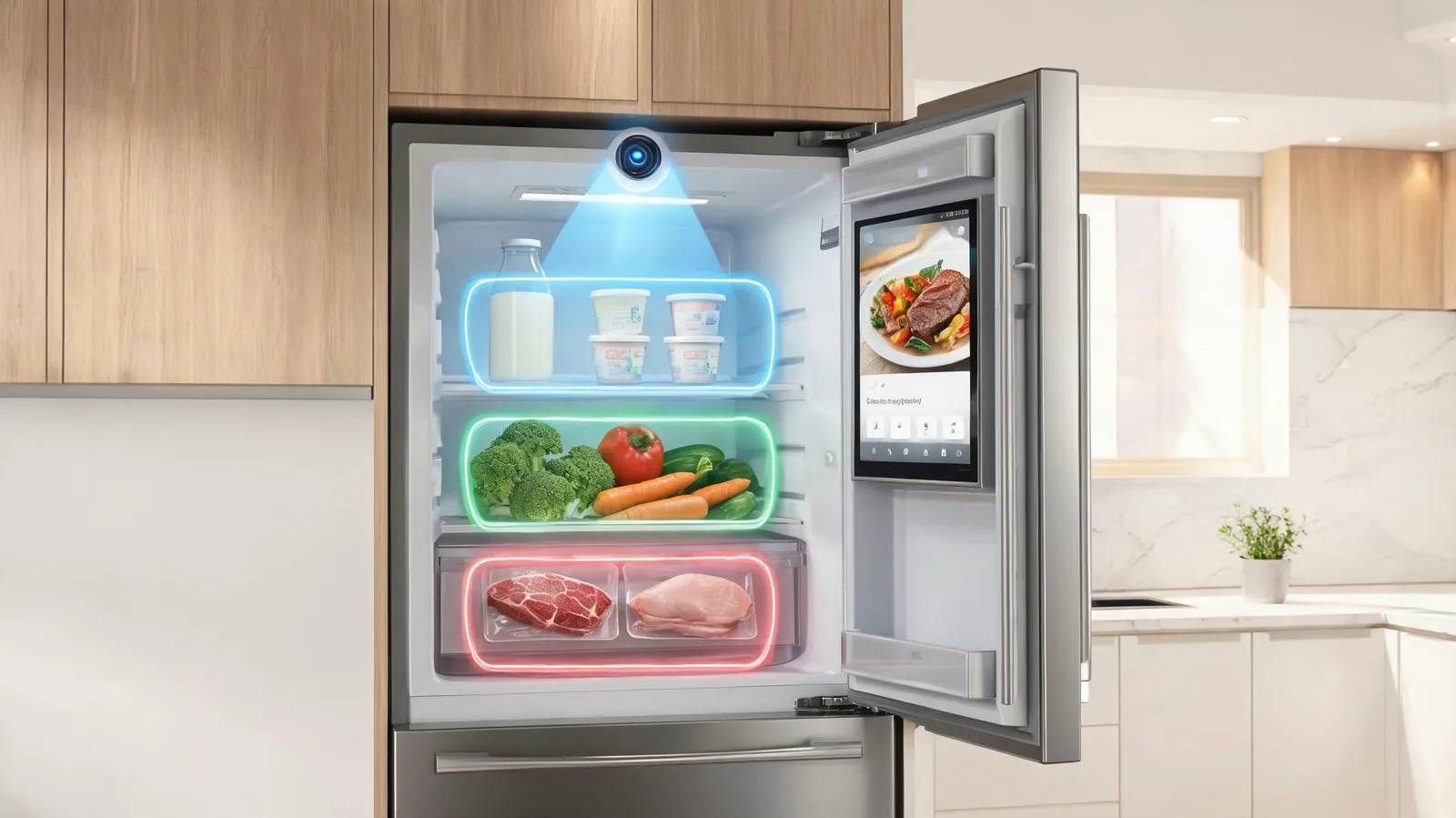
The core of this shift is a machine's capacity to look at food and make sense of it. Deep learning models—convolutional neural networks (CNNs) in particular—are trained on enormous collections of food photos to power image-based ingredient detection. For many categories, these systems can pick out familiar fruits, vegetables, proteins, and packaged items with accuracy above 95%. Paired with smart refrigerators or countertop cameras, they can propose meals built around what you already have on hand, cutting down on emergency trips to the store.
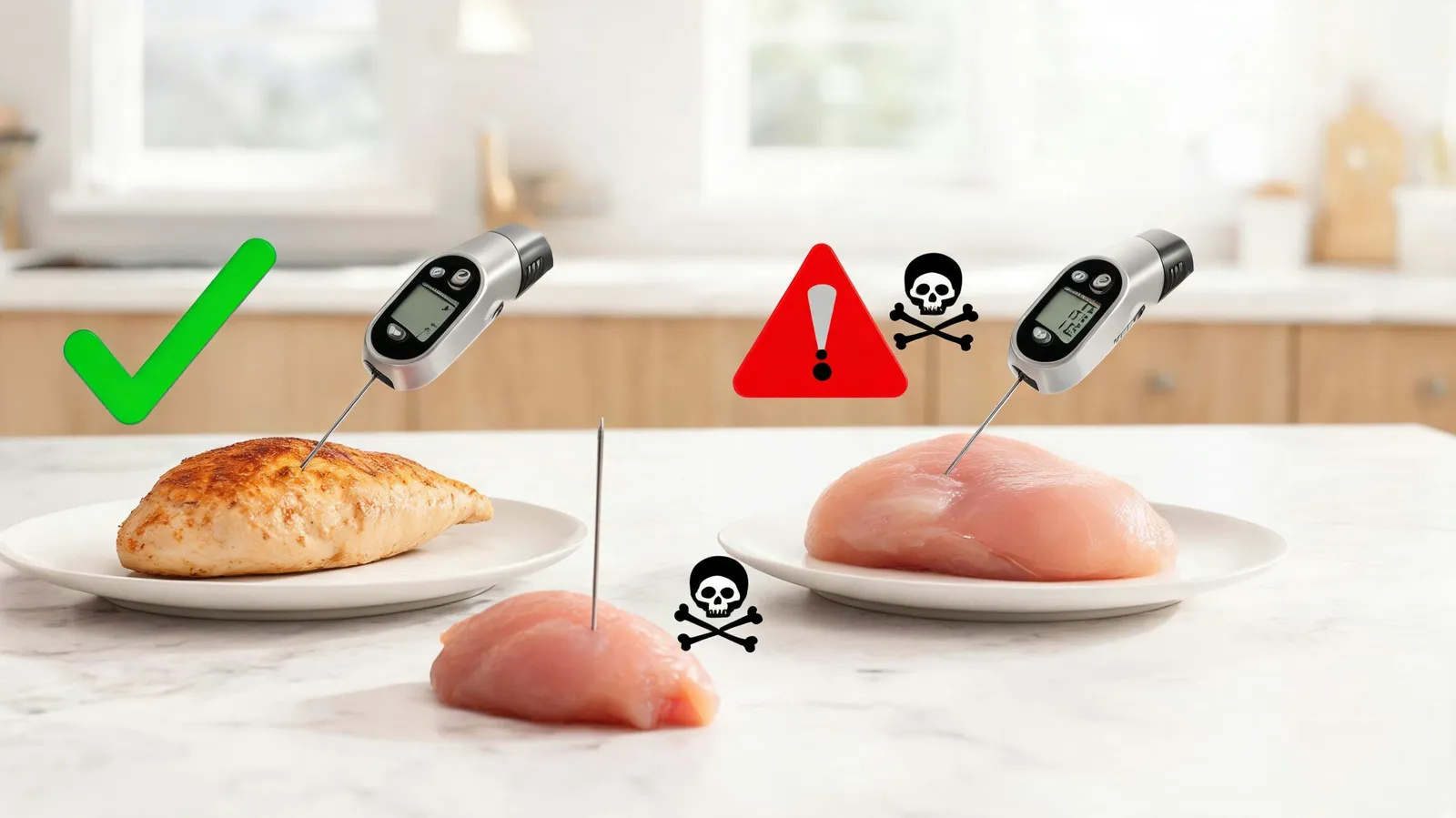
Freshness assessment goes further. Computer vision can examine visual signals—color shifts, texture changes, bruising—to estimate how long an item has been kept and whether it remains safe or at its best to eat. Certain advanced setups use hyperspectral imaging to catch early spoilage indicators that people cannot see. A 2023 case study from the University of California, Davis, reported that households receiving freshness alerts cut food waste by as much as 30%. In the United States, where the USDA estimates 30–40% of the food supply goes to waste, this technology offers a concrete route toward sustainability.
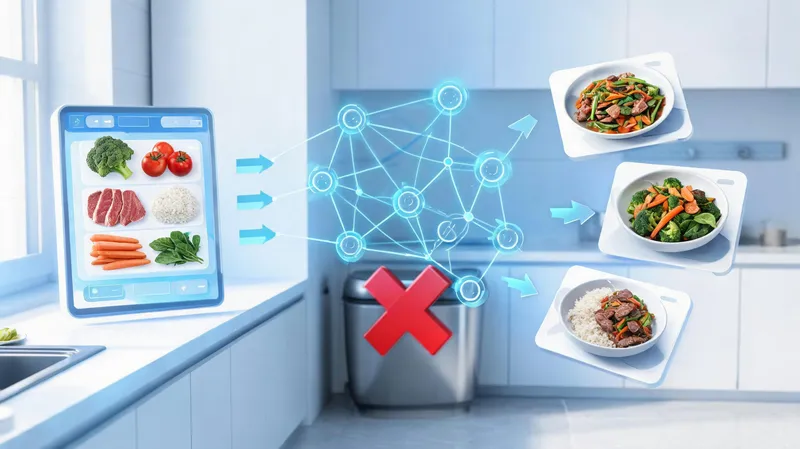
Smart kitchen integration also lets appliances communicate. A refrigerator equipped with image-based ingredient detection can pass a list of available items to a smart oven or recipe app, which then narrows meal options according to what you have and what should be used first. This closed-loop arrangement reduces waste and boosts convenience.
2. Appliances That Adapt Cooking to Specific Diets
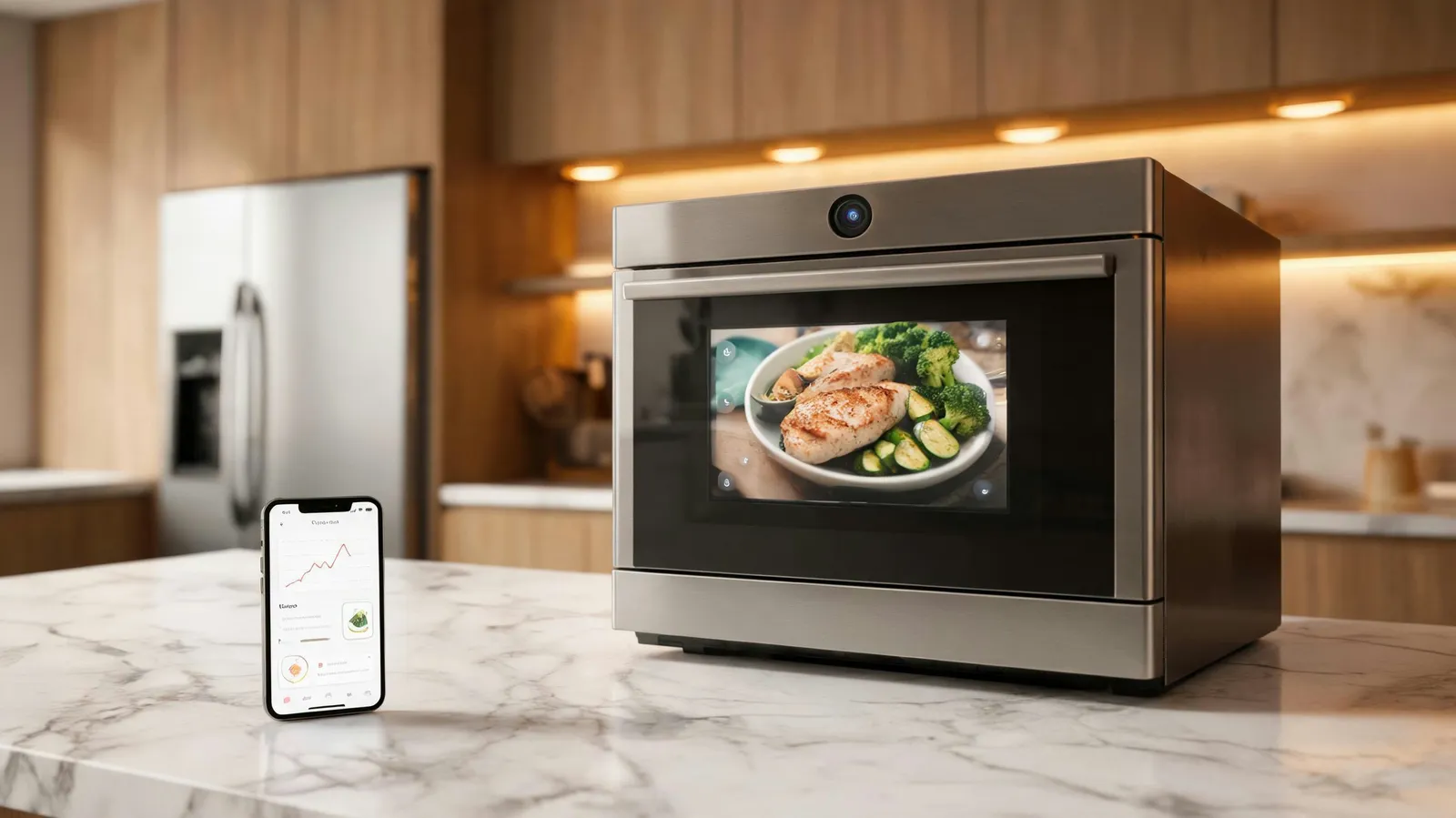
The next step involves appliances that do more than cook—they grasp what is being cooked. Smart ovens and stoves with computer vision can identify food and automatically choose the best cooking time and temperature. The June Oven, for instance, relies on a built-in camera and AI to recognize more than 100 foods, ranging from salmon fillets to chocolate chip cookies, and cook them without manual settings. That cuts down on cooking mistakes and saves energy by avoiding lengthy preheating or overcooking.
Personalization is where the deeper value lies. AI-controlled appliances can connect to health apps and read your dietary profile—whether you are managing diabetes, following a low-carb plan, or eating gluten-free—and then adjust cooking settings to match. A smart sous-vide cooker, for example, can alter time and temperature so a low-carb protein reaches ideal doneness while the vegetables alongside it keep their nutrients. Previously, that degree of tailoring was within reach only of professional chefs or experienced home cooks.
In the United States, where diet-related chronic conditions such as obesity and diabetes affect millions, effortlessly preparing diet-specific meals is more than a convenience—it functions as a health intervention. When smart kitchen tools integrate with platforms like Apple Health or Google Fit, your appliance can learn your preferences over time and recommend meals that fit your nutritional targets.
3. Live Cooking Help from Multiple Sensor Types
Cooking unfolds dynamically, and fixed recipes often cannot respond to what is happening in real time. Multimodal sensor fusion—merging computer vision with temperature, weight, and even audio sensors—makes it possible to offer step-by-step guidance that adapts to conditions in the pan. Smart pans with built-in temperature sensors and cameras can warn you when food is burning or when it is time to turn it over. Voice assistants such as Alexa and Google Assistant can deliver instructions in real time based on visual and sensor data, enabling a hands-free cooking experience.
Adaptive recipe execution is the natural endpoint. Rather than adhering to a rigid script, the system responds to feedback. If a sauce is reducing too fast, a smart display might recommend lowering the heat or adding liquid. A 2022 study in the Journal of Food Engineering found that real-time guidance cut cooking failures by 40% among novice cooks. With AR glasses—such as the Microsoft HoloLens or anticipated consumer models—the next step can be projected into your field of view for hands-free cooking.
For U.S. consumers, this addresses a familiar obstacle: a lack of confidence in the kitchen. A 2023 survey by the Food Marketing Institute found that 45% of Americans say they do not cook at home more often because they worry about ruining meals. Real-time guidance helps close that confidence gap and makes home cooking more approachable and enjoyable.
Conclusion: The Fully Autonomous Kitchen Is Closer Than You Think
Computer vision is more than a gimmick—it is the underpinning of a kitchen that is smarter, more sustainable, and more personalized. From image-based ingredient detection that curbs waste to AI-controlled appliances that accommodate specific diets, and from multimodal sensors that guide you live to the prospect of fully autonomous kitchens that learn your preferences, the change is already in motion. As these technologies link up with smart home ecosystems and health platforms, the kitchen will shift from a room where you cook into an intelligent partner that helps you eat better, waste less, and enjoy the process more. The AI-powered kitchen is not a distant future—it is on your counter, in your oven, and in your hands today.