
Picture a kitchen where your fridge alerts you to use ingredients before they go bad, your shopping list updates itself based on what's already on hand, and your oven waits to run until electricity is cheapest. This isn't a scene from a sci-fi movie—it's what AI-powered meal planning can do today. By using machine learning, these systems examine your inventory, food preferences, and expiration dates to create personalized recipes that rely on items you already have. The outcome is a sizable drop in both food waste and grocery spending.
Smart Pantry Tracking and Recipe Ideas
AI meal planning tools such as NoWaste and Mealime let you build a digital inventory of your fridge and pantry by scanning receipts or barcodes. The AI then proposes recipes that use the ingredients you have, putting those nearing expiration first. As an illustration, a family of four in Austin, Texas, used the KitchenPal app to halve their weekly food waste and save more than $1,200 per year. These apps also create shopping lists containing only the missing items, which helps prevent buying too much.
Tailored Meal Plans and Better Portion Sizes
In addition to managing inventory, AI can customize meal plans around your dietary needs, allergies, and portion sizes. This lowers the chance of cooking more food than needed, which frequently results in leftovers being discarded. Research from the University of Pennsylvania found that households using AI meal planning cut over-purchasing by 32% and reported a 28% reduction in food waste. The AI takes in your feedback and keeps refining its suggestions to match your taste and lifestyle.
AI Suggestions for Local and Seasonal Produce
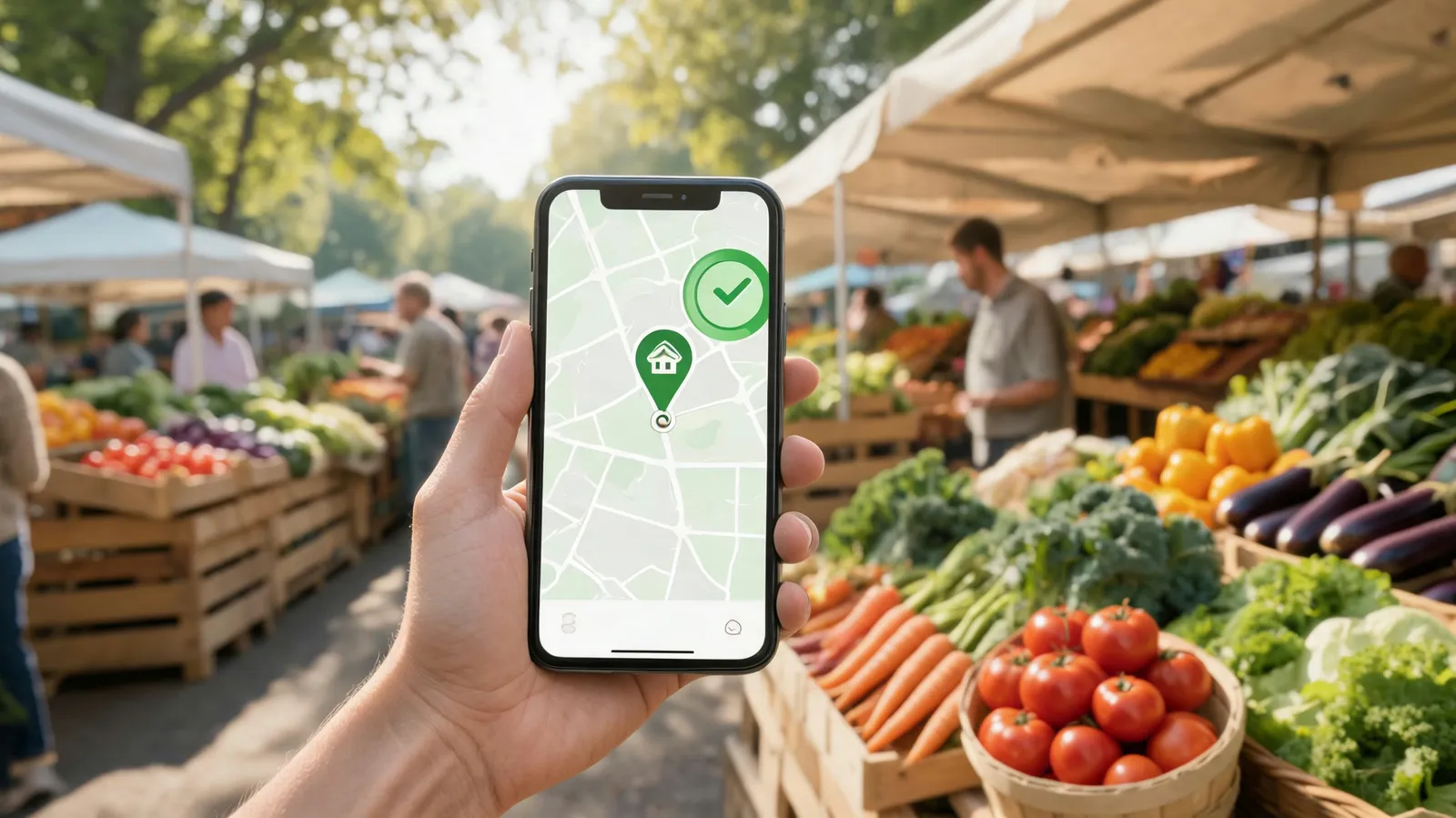
Sustainable sourcing begins with selecting ingredients that are in season and grown locally. AI apps such as Seafood Watch and Seasonal Food Guide use location data and databases to recommend produce at its peak, lowering the carbon footprint tied to long-distance transport and cold storage. For example, in July a user in Portland, Oregon, can open the app and get recipes featuring local berries, kale, and zucchini, all from nearby farms. This supports local economies and also provides fresher, more nutritious food.
Blockchain and AI for Clear Supply Chains
Consumers increasingly want to know where their food comes from and how it was made. When AI is combined with blockchain technology, it offers transparency that was previously unavailable. Companies such as IBM Food Trust and Provenance use these technologies to trace products from farm to shelf, confirming sustainable practices and ethical sourcing. A survey by Label Insight found that 94% of consumers are more likely to stay loyal to a brand that provides full transparency. By scanning a QR code, you can see the farm that grew your avocado, the date it was harvested, and how it reached your store.
AI Cooking Assistants That Save Energy
Energy-efficient cooking is another key element of a sustainable kitchen. AI-powered cooking assistants, including June Oven and Anova Precision Cooker, rely on sensors and machine learning to fine-tune cooking times and temperatures, which cuts energy use. For instance, the June Oven can identify food and automatically choose the ideal cooking profile, using as much as 30% less energy than conventional ovens. These appliances can also connect with smart home systems to schedule cooking during off-peak energy hours, further reducing your carbon footprint and utility bills.
Working with Smart Home Systems for Off-Peak Cooking
Smart home ecosystems like Google Home and Amazon Alexa can coordinate with AI cooking devices to operate when renewable energy is plentiful or electricity rates are low. A case study in California showed that a household using AI to schedule cooking and appliance use cut its energy bills by 22% and carbon emissions by 15%. By syncing with local energy grids, AI helps your kitchen run efficiently and sustainably.
Conclusion: A Combined Approach to Zero-Waste Living
Reducing household food waste calls for a comprehensive approach. AI meal planning addresses waste at the source by optimizing what you buy and cook. Sustainable sourcing ensures that the food you purchase is produced responsibly. Energy-efficient cooking lessens the environmental impact of preparing meals. Together, these AI-driven solutions create a kitchen that is not only smarter but also better for the planet and your budget. As AI continues to develop, we can expect even more integration with smart homes and community sharing platforms, moving us toward zero-waste households. Start small—try a meal planning app today—and become part of the solution.