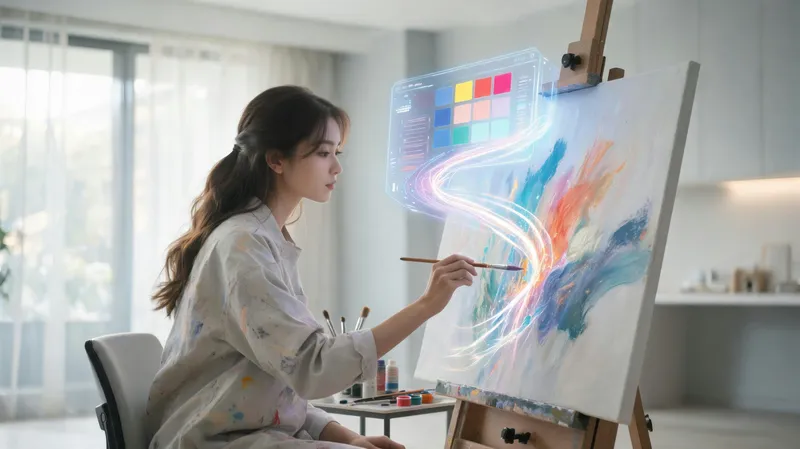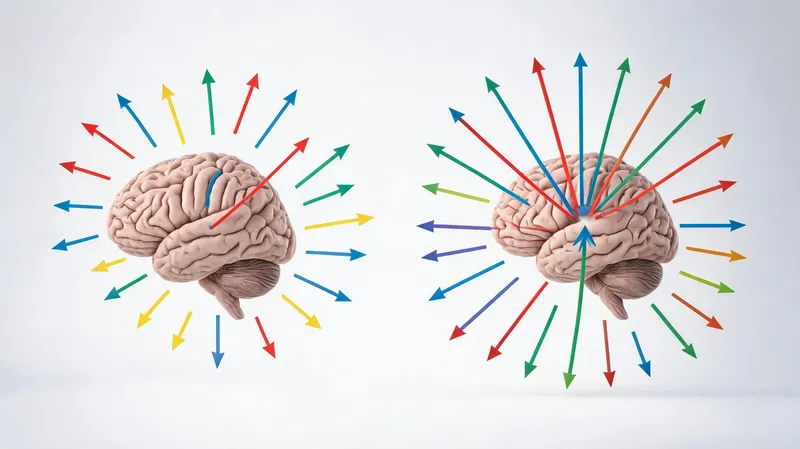
The image of the creative individual working alone—an artist, inventor, or writer seized by a sudden insight—has shaped popular and scholarly thinking about creativity for a long time. That picture, however, leaves out the social, cultural, and demographic conditions that make creative work possible, give it meaning, and determine who receives recognition for it. A growing body of cross-cultural scholarship indicates that creativity is not a single, context-free phenomenon. Cultural orientation, social identities such as gender and race, and demographic factors all influence how creativity is expressed and whose creative contributions are acknowledged.
Cultural Orientation and the Shape of Creative Expression
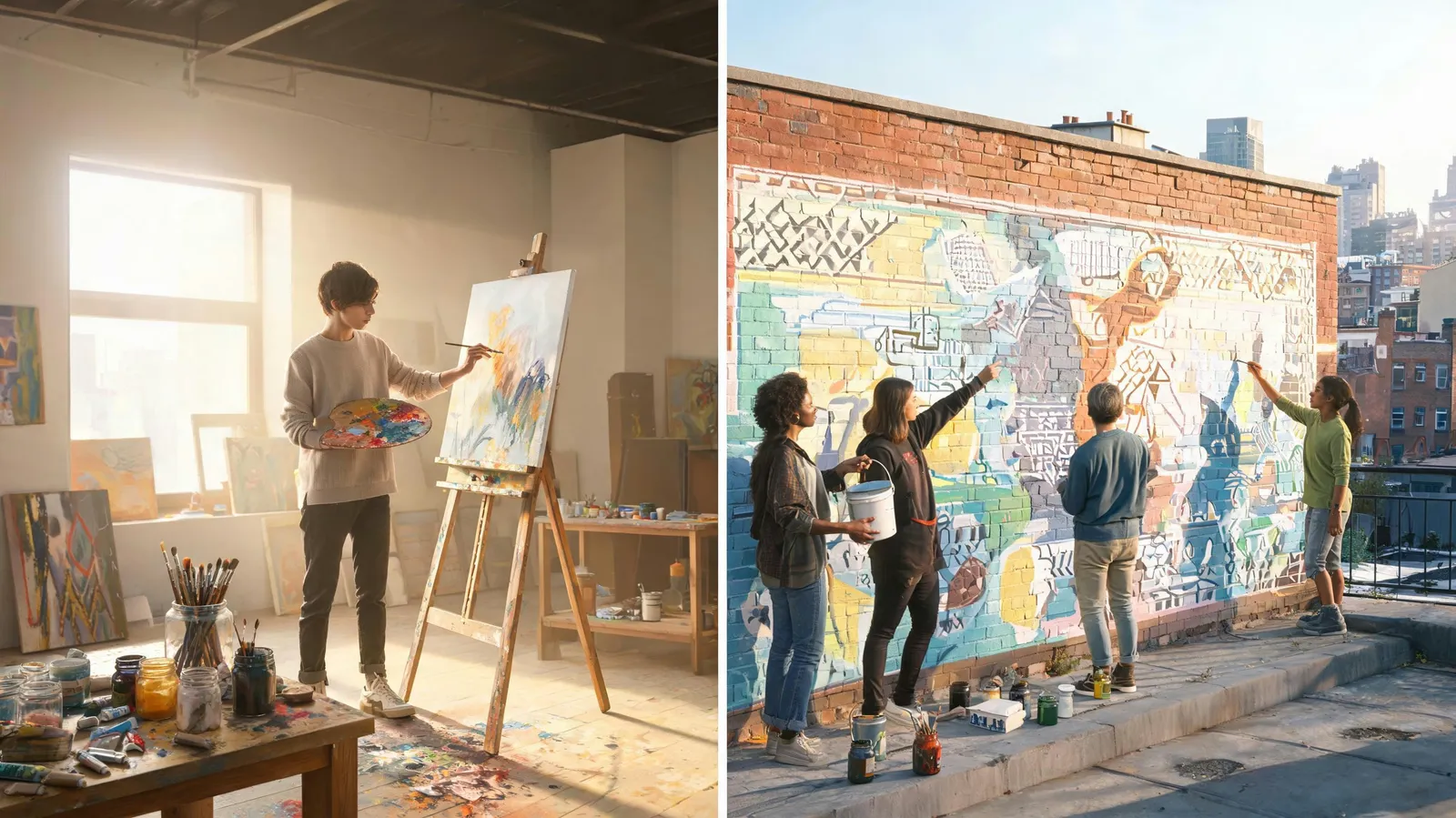
What creativity looks like, what drives it, and how it is judged depend heavily on cultural orientation. In individualist cultures—the United States, Canada, and much of Western Europe among them—creativity is generally understood in terms of personal novelty, uniqueness, and self-expression. Research has repeatedly found that Western contexts assign greater value to originality and to ideas that depart from the norm. The creative process is frequently portrayed as an individual endeavor, and solo accomplishments—a painter's masterpiece, a scientist's breakthrough, an entrepreneur's disruptive innovation—are held up as creative success at its height.
Collectivist cultures—including many societies in East Asia, Latin America, and Africa—may frame creativity in a markedly different way. Instead of stressing radical novelty, creativity often revolves around social harmony, group benefit, and the adaptation or refinement of ideas that already exist. Studies of Confucian-influenced societies, for instance, show that creativity is often valued for what it contributes to social welfare and for its consistency with moral and communal goals. Collaborative innovation—the iterative improvements associated with Japanese manufacturing, or the communal art forms of many Indigenous cultures—illustrates this orientation. In such settings, the creative act is less a solitary flash of genius than a collective process of negotiation, adaptation, and shared meaning-making.
Gender, Race, and Who Receives Credit
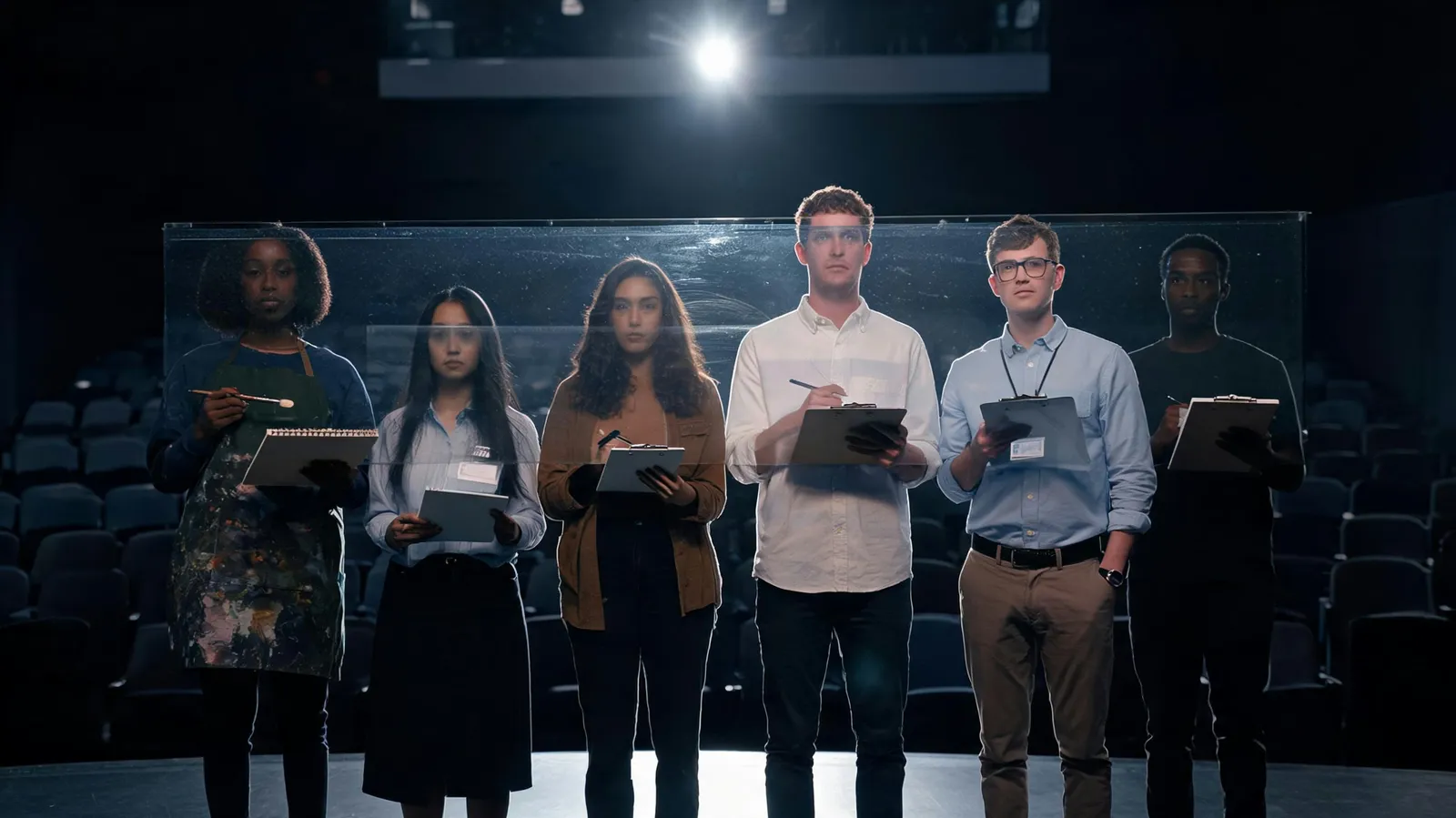
Social identities strongly influence who is credited with and recognized for creative work, even after that work has been produced. Gender biases affect how creative output is evaluated and attributed in systematic ways. Women, for example, tend to receive less recognition in fields including science, art, and entrepreneurship. A landmark study of blind auditions at major orchestras found that the number of women hired rose significantly when musicians performed behind a screen—evidence that implicit biases had previously distorted evaluations. Data on patent awards and artistic honors likewise show persistent gender disparities, with women's contributions often undercredited or attributed to male collaborators.
Racial and ethnic stereotypes also shape how creativity is perceived. Research on racial bias in hiring for creative positions has found that candidates from marginalized groups are often judged less favorably even when their portfolios are identical to those of white candidates. Historically, Black and Indigenous artists have been overlooked, appropriated, or misattributed; their innovations have been absorbed into dominant cultural narratives without proper acknowledgment. These inequities harm individual creators, and they also narrow the collective creative landscape by limiting whose ideas are seen, heard, and built upon.
Differing Definitions of Creativity Across Cultures
Definitions of creativity differ considerably from one culture to another, with significant consequences for global collaboration and education. Western cultures tend to treat novelty and usefulness as the two central pillars of creativity. Eastern cultures, in contrast, may regard moral goodness, social harmony, and historical continuity as essential components. Cross-cultural studies comparing American and Chinese conceptions of creativity, for example, have found that Chinese participants often link creativity to social contribution and moral character, whereas American participants give priority to originality and personal expression. Traditional arts in Japan or India reflect this combination: innovation is valued, but it is embedded in tradition, respect for lineage, and communal meaning.
These differences have implications for creative education, assessment, and cross-cultural collaboration. Standardized tests of divergent thinking, such as the Torrance Tests, have drawn criticism for cultural bias, since they reward the rapid production of unusual ideas—a style closer to individualist norms. Multinational teams often have to reconcile conflicting creative norms: a brainstorming session that prizes freewheeling, risk-taking idea generation may conflict with a cultural preference for considered consensus and respect for hierarchy. Grasping these differences is essential for inclusive and effective creative collaboration.
Conclusion
Creativity is not the exclusive domain of the lone genius. It is a fundamentally social and cultural phenomenon, shaped by whether a person lives in an individualist or collectivist context, by the gender and racial identities that affect who is recognized, and by cross-cultural definitions that determine what is counted as creative in the first place. Attending to these dimensions matters for both equity and effectiveness: a broader understanding of creativity enriches research, education, and practice. The future of creativity lies in integrating diverse perspectives—not merely tolerating them but actively seeking them out—to build a more vibrant, inclusive, and innovative world.