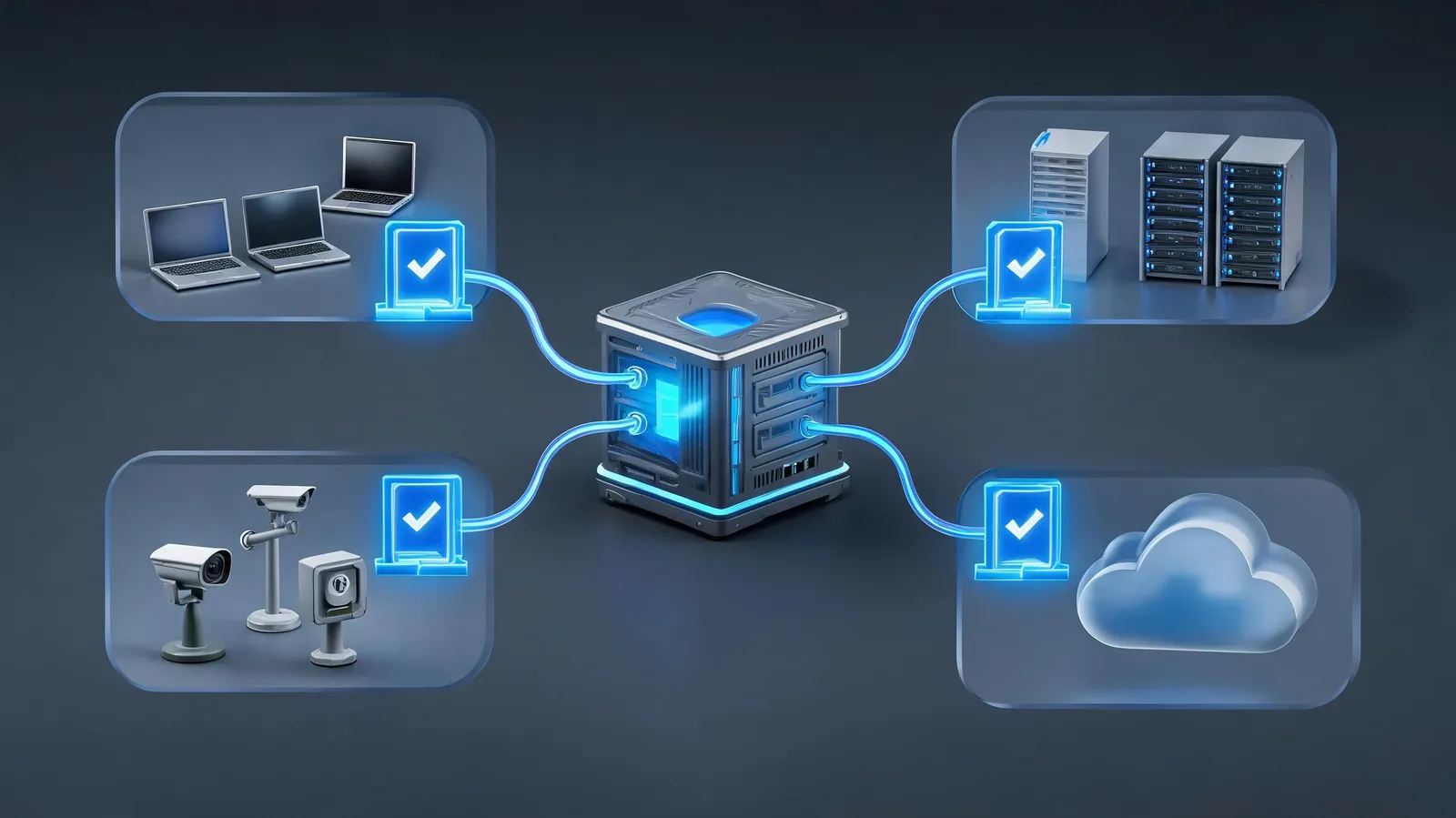
Digital trust is under strain. Cyberattacks are occurring more often and with greater sophistication, and they impose costs on businesses that reach trillions of dollars each year. Traditional perimeter-based security models, which were once the foundation of enterprise defense, struggle in a cloud-first, remote-work environment where users, devices, and applications operate outside the corporate network. The central question for organizations is no longer if a breach will happen, but how fast they can detect, respond to, and recover from one. This article looks at how Zero Trust Architectures, AI-Driven Threat Detection, and Privacy-Enhancing Technologies (PETs) together offer a comprehensive framework for restoring digital trust in the modern enterprise.
Zero Trust Architectures: Never Trust, Always Verify
Zero Trust is a security paradigm that treats no user, device, or network as inherently trustworthy, whether it sits inside or outside the corporate perimeter. Every access request must be authenticated, authorized, and continuously validated before access is granted. Three core principles underpin this approach: micro-segmentation, least privilege, and continuous verification.
Micro-segmentation splits the network into small, isolated zones, each with its own security controls. This restricts lateral movement: if an attacker compromises one segment, moving to others is not easy. Least privilege gives users and devices only the minimum access needed to perform their tasks, shrinking the attack surface. Continuous verification means trust is never static; identity and context are re-evaluated with every access attempt.
Statistics indicate that organizations implementing Zero Trust can lower breach costs and contain incidents faster. For instance, a 2023 IBM report found that organizations with mature Zero Trust strategies saved an average of $1.76 million compared with those without. A case study of a US financial services firm showed that after adopting Zero Trust, the firm reduced unauthorized access incidents by 70% within the first year.
Implementation challenges include cultural resistance, integration with legacy systems, and complexity. Best practices call for starting with a pilot project, mapping data flows, and expanding gradually. An adoption roadmap should include phases: assess the current state, define policies, implement micro-segmentation, deploy continuous monitoring, and iterate.
AI-Driven Threat Detection: Outsmarting Cyber Adversaries
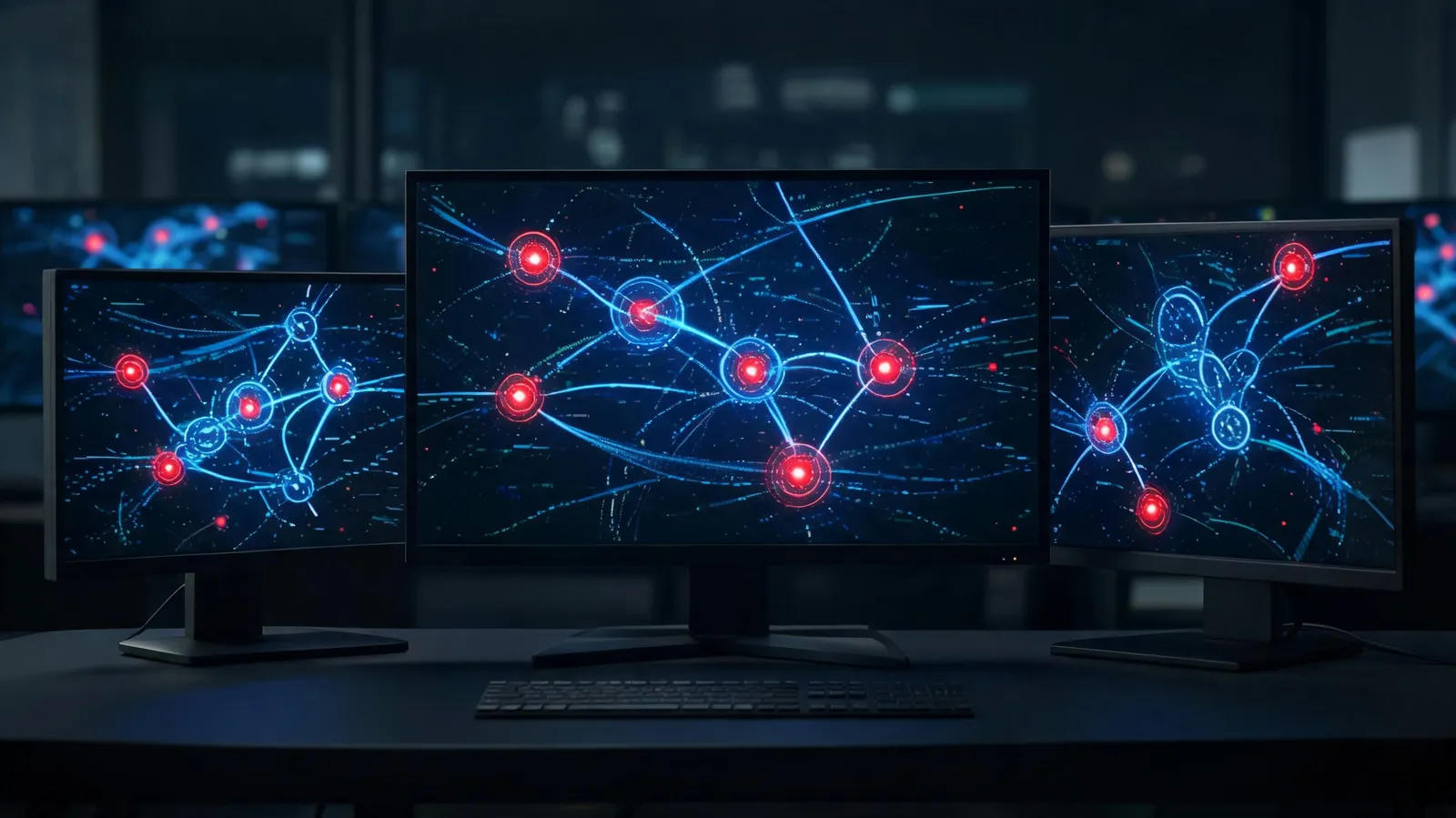
Artificial intelligence and machine learning are changing threat detection by enabling systems to spot anomalies and behavioral patterns that traditional signature-based tools miss. AI models can analyze large volumes of network traffic, user behavior, and endpoint data in real time, flagging suspicious activities with high accuracy.
Machine learning for anomaly detection cuts false positives, letting security teams focus on genuine threats. Behavioral analytics establishes a baseline of normal activity and alerts on deviations, such as a user accessing sensitive data at unusual hours or from an unusual location. Studies show that AI-driven detection can reduce the mean time to identify threats by up to 80%.
Automated response and orchestration further improve efficiency. When a threat is detected, AI can trigger automated actions—isolating an endpoint, blocking an IP address, or starting a forensic investigation—through integration with SOAR (Security Orchestration, Automation, and Response) platforms. This shortens mean time to respond (MTTR) from hours to minutes, limiting damage.
For US organizations, AI threat detection is especially critical given the rise of ransomware and state-sponsored attacks. By augmenting human analysts, AI supports proactive defense and frees resources for strategic initiatives.
Privacy-Enhancing Technologies: Protecting Data While Using It
Privacy-Enhancing Technologies (PETs) let organizations derive value from data without exposing sensitive information. Key PETs include homomorphic encryption, secure multi-party computation (SMPC), and differential privacy.
Homomorphic encryption allows computations on encrypted data, so data stays protected even during processing. This is transformative for cloud computing and outsourced analytics. Secure multi-party computation enables multiple parties to jointly compute a function over their inputs while keeping those inputs private. Differential privacy adds statistical noise to datasets to protect individual records while preserving aggregate insights.
Use cases in healthcare and finance are emerging. For example, hospitals can use SMPC to train AI models on patient data from multiple institutions without sharing raw data, complying with HIPAA. Financial institutions can use homomorphic encryption to detect fraud across encrypted transactions. Compliance benefits include adherence to GDPR, CCPA, and other privacy regulations.
Balancing privacy with utility and performance remains a challenge. PETs can introduce computational overhead, but emerging solutions such as hardware acceleration and optimized algorithms are reducing the trade-offs. Organizations must assess their specific needs and choose the right PET for each use case.
Integrating the Triad: A Unified Approach to Digital Trust
Zero Trust, AI, and PETs are complementary. Zero Trust provides the access control foundation, ensuring that only verified entities can access resources. AI strengthens detection and response, identifying threats that bypass preventive controls. PETs protect data throughout its lifecycle, even when in use. Together, they create a robust defense-in-depth strategy.
A framework for integration involves aligning policies across all three domains. For instance, Zero Trust policies can inform AI models about what constitutes normal access, while PETs can secure the data that AI analyzes. A real-world example is a US-based healthcare provider that combined Zero Trust network access, AI-powered anomaly detection, and homomorphic encryption for patient data analytics, achieving both security and compliance.
Building a culture of trust and continuous improvement is essential. Organizational change management must address employee training, clear communication, and incentives for security-conscious behavior. Metrics for success include reduction in breach incidents, time to detect and respond, compliance audit results, and user trust scores.
Conclusion
Digital trust is not a destination but a journey. Zero Trust Architectures, AI-Driven Threat Detection, and Privacy-Enhancing Technologies collectively provide a comprehensive framework for restoring and maintaining trust in an increasingly hostile digital landscape. By adopting these technologies, organizations can protect their assets, comply with regulations, and build resilience.
Looking ahead, these technologies will keep evolving. Quantum-safe cryptography is on the horizon, promising to secure data against future quantum computers. As cyber threats evolve, so must our defenses. Investing in digital trust is not just a technical necessity but a competitive advantage. Organizations that prioritize trust will lead in the digital economy.