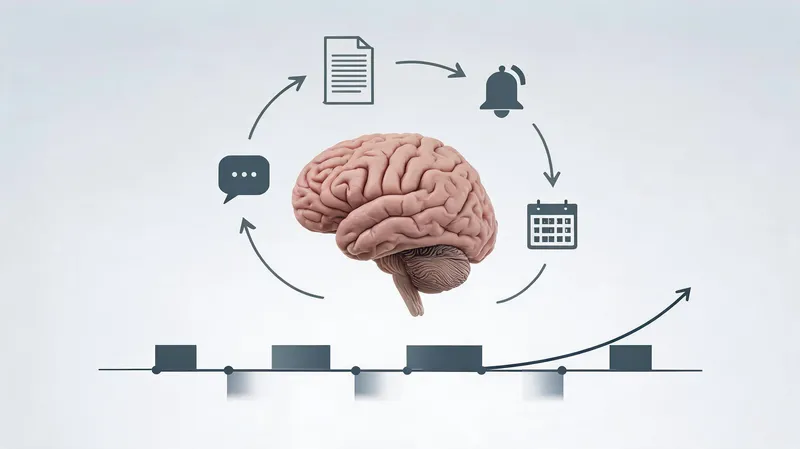
Digital Minimalism and the Second Brain: Managing Information Overload
Digital minimalism is a philosophy that encourages intentionally reducing digital tools to only those that truly add value. Cal Newport, author of Digital Minimalism, argues that we should treat our attention as a scarce resource and be ruthless about what we allow into our digital lives. Studies have linked reduced screen time to lower stress and improved focus. For knowledge workers, this means auditing your apps and subscriptions regularly, asking: does this tool help me achieve my goals, or is it just noise?
A second brain is a personal knowledge management system that externalizes your memory and ideas. Tiago Forte's PARA method (Projects, Areas, Resources, Archives) provides a simple structure for organizing digital notes. Tools like Notion, Obsidian, and Evernote allow you to capture, connect, and retrieve information effortlessly. By building a second brain, you free your mind for creative thinking and reduce the anxiety of forgetting important details.
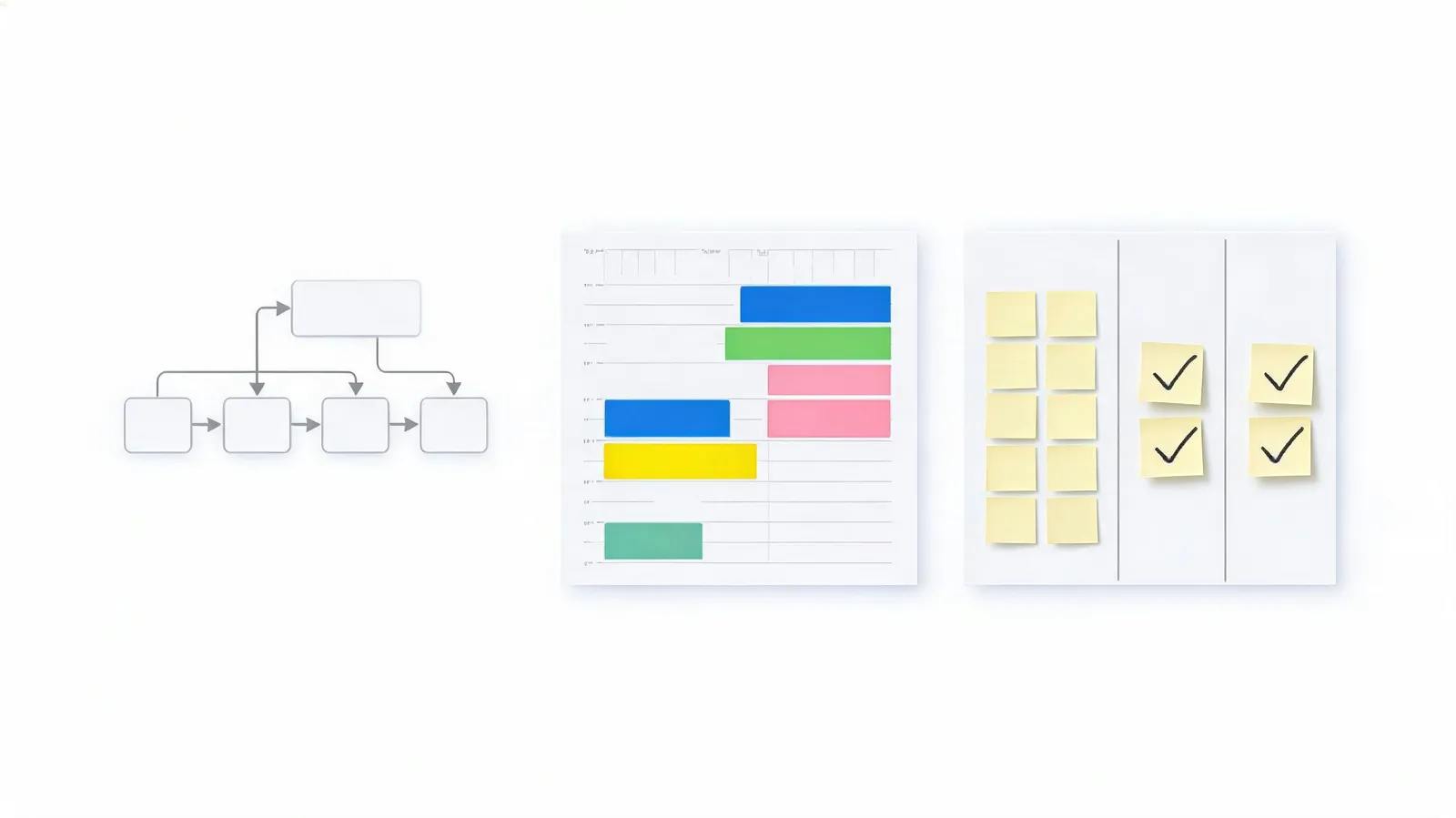
Core Productivity Methods: GTD, Time-Blocking, and Kanban
Getting Things Done (GTD) is a five-step workflow created by David Allen: capture, clarify, organize, reflect, and engage. It reduces mental load by externalizing tasks into a trusted system. Time-blocking, championed by Cal Newport in Deep Work, involves assigning specific time slots to tasks on your calendar. This increases focus and reduces procrastination. Kanban, originating from Toyota manufacturing, visualizes workflow with boards and cards, limiting work-in-progress to improve flow. Each method addresses a different aspect of productivity: GTD for capture and organization, time-blocking for execution, and kanban for flow management.
Combining these methods can be powerful. For example, use GTD to collect and clarify tasks, then time-block your most important work, and finally track progress with a kanban board. This integrated approach ensures nothing falls through the cracks while maintaining momentum.
Habit Formation and Motivation: The Science of Making Productivity Stick
The habit loop—cue, routine, reward—was popularized by Charles Duhigg in The Power of Habit. To build a productivity habit, identify a cue (e.g., morning coffee), define a routine (e.g., review your task list), and attach a reward (e.g., a short break). BJ Fogg's Tiny Habits emphasizes starting small and celebrating success. James Clear's Atomic Habits adds that systems, not willpower, drive lasting change. Relying on motivation is a myth; instead, design your environment and routines to make productive behaviors automatic.
For instance, if you want to start time-blocking, begin with just one hour per day. After a week, increase to two hours. Celebrate each successful block to reinforce the habit. Over time, your brain will associate planning with positive feelings, making it easier to sustain.
Tool Sprawl and Context Switching: The Hidden Productivity Killers
Context switching—moving between unrelated tasks or apps—can cost up to 40% of productive time, according to research by the American Psychological Association. Each switch requires reorientation, draining cognitive resources. Tool sprawl exacerbates this: the average team uses dozens of apps, many overlapping in function. The result is confusion, wasted time, and missed deadlines.
To combat this, consolidate tools. Choose an all-in-one platform like Notion or ClickUp that can handle notes, tasks, and databases. Use automation tools like Zapier or IFTTT to connect apps and reduce manual switching. Conduct a quarterly tool audit: list every app you use, identify overlaps, and eliminate or merge where possible. The goal is a streamlined tech stack that supports your system, not one that fragments your attention.
Conclusion: Building Your Personal Productivity System
Mastering your time requires more than just downloading the latest app. It demands a thoughtful combination of methods—GTD, time-blocking, kanban—and a commitment to digital minimalism. By building a second brain, you manage information overload. By understanding habit formation, you make productivity stick. And by beating tool sprawl, you eliminate hidden time killers. The result is a personalized system that reduces stress, increases output, and aligns with your values. Looking ahead, AI promises to automate routine tasks and further reduce cognitive load, but the core principles remain: capture, clarify, focus, and flow. Start small, stay consistent, and watch your productivity soar.