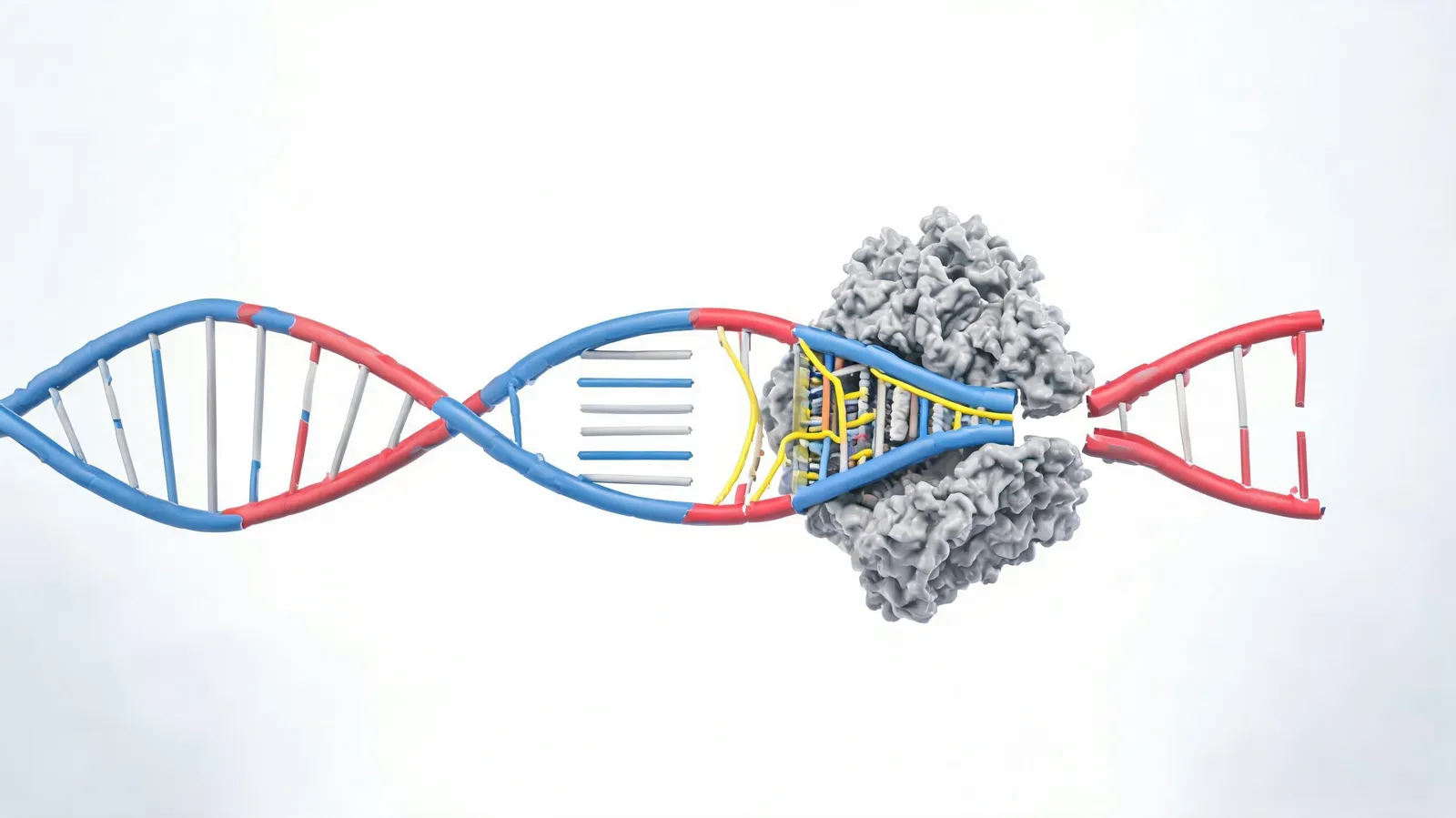
Gene Editing: Precision Tools for Correcting Disease at Its Source
CRISPR-Cas9 works like a pair of molecular scissors, enabling researchers to cut and alter DNA with remarkable accuracy. The technology has advanced quickly, and newer methods such as base editing and prime editing push accuracy even further. These refinements make it possible to correct genetic errors behind conditions including sickle cell anemia and some cancers. A major turning point came when the FDA approved the first CRISPR-based treatment for sickle cell disease in the United States. At the same time, clinical trials are testing gene-edited CAR-T cells for cancer immunotherapy, and early findings in patients with treatment-resistant leukemias have been encouraging.
Research is also exploring CRISPR for beta-thalassemia, hereditary blindness, and cardiovascular disease, among other conditions. Because CRISPR can be highly precise, it lowers the risk of unintended off-target effects, which makes it a safer therapeutic approach. As the science matures, more gene-editing treatments are expected to enter clinical practice, giving patients with previously untreatable genetic disorders new options.
Genomics and Personalized Medicine: Matching Treatment to a Patient's Genetic Profile

Genomic information is increasingly used to customize care for individual patients. In pharmacogenomics, genetic markers help predict how someone will react to a given drug, which can improve effectiveness and reduce adverse effects. Oncology has been transformed by targeted therapies informed by tumor genomics—examples include imatinib for chronic myeloid leukemia and PARP inhibitors for cancers linked to BRCA mutations. At the same time, direct-to-consumer genetic testing has grown rapidly, and millions of Americans have used services such as 23andMe to learn about their health risks. Health systems now prioritize incorporating genomic data into electronic health records, giving clinicians the information to make evidence-based decisions. This move toward precision medicine can improve outcomes and lower costs by steering patients away from treatments that are unlikely to help.
Synthetic Biology and Biomanufacturing: Engineering Biological Systems for Health
Synthetic biology uses engineering concepts to build biological systems that serve practical purposes. Programmable gene circuits can be designed to detect and respond to disease markers, and cell-free systems allow therapeutics to be produced on demand. Engineered microbes already manufacture medicines such as insulin and artemisinin, the antimalarial compound. Scaling up biomanufacturing has brought down costs and sped up production, improving access to therapies. In regenerative medicine, researchers are developing 3D bioprinted tissues for transplantation, with early progress in skin and cartilage. These developments point toward a future in which biology is engineered to address health challenges.
Conclusion
Gene editing, genomics, and synthetic biology are converging to change healthcare. Gene editing can address the root causes of genetic diseases, personalized medicine adapts treatment to the individual, and biomanufacturing offers scalable production of therapies. Together, they point to a future of predictive, preventive, and personalized care. As artificial intelligence and big data become more integrated with biotechnology, we are approaching a healthcare revolution that could improve lives and reduce costs. Keeping up with these advances matters for professionals and enthusiasts alike.