Physical Workspace Design and Its Impact on Creativity
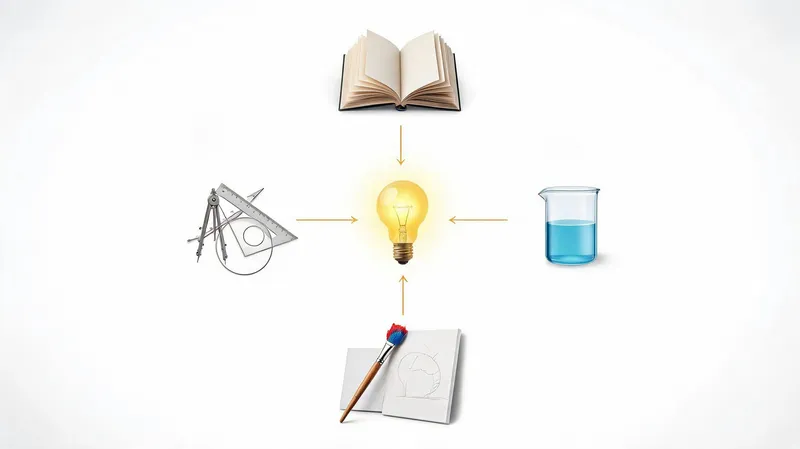
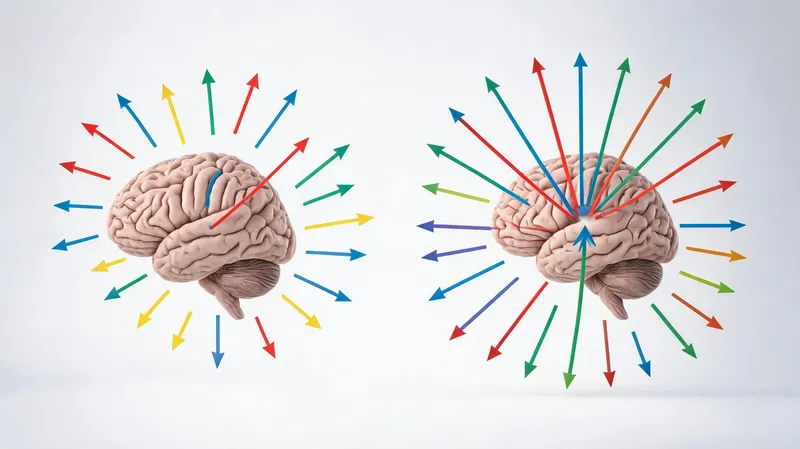
The physical environment is far from a passive backdrop; it actively influences our thinking, collaboration, and creative processes. Research in environmental psychology and organizational behavior increasingly shows that workspace design can either inhibit or stimulate creative cognition. The challenge lies in balancing competing demands: interaction versus focus, stimulation versus calm, and flexibility versus stability.
Open, Flexible Spaces vs. Private, Enclosed Spaces
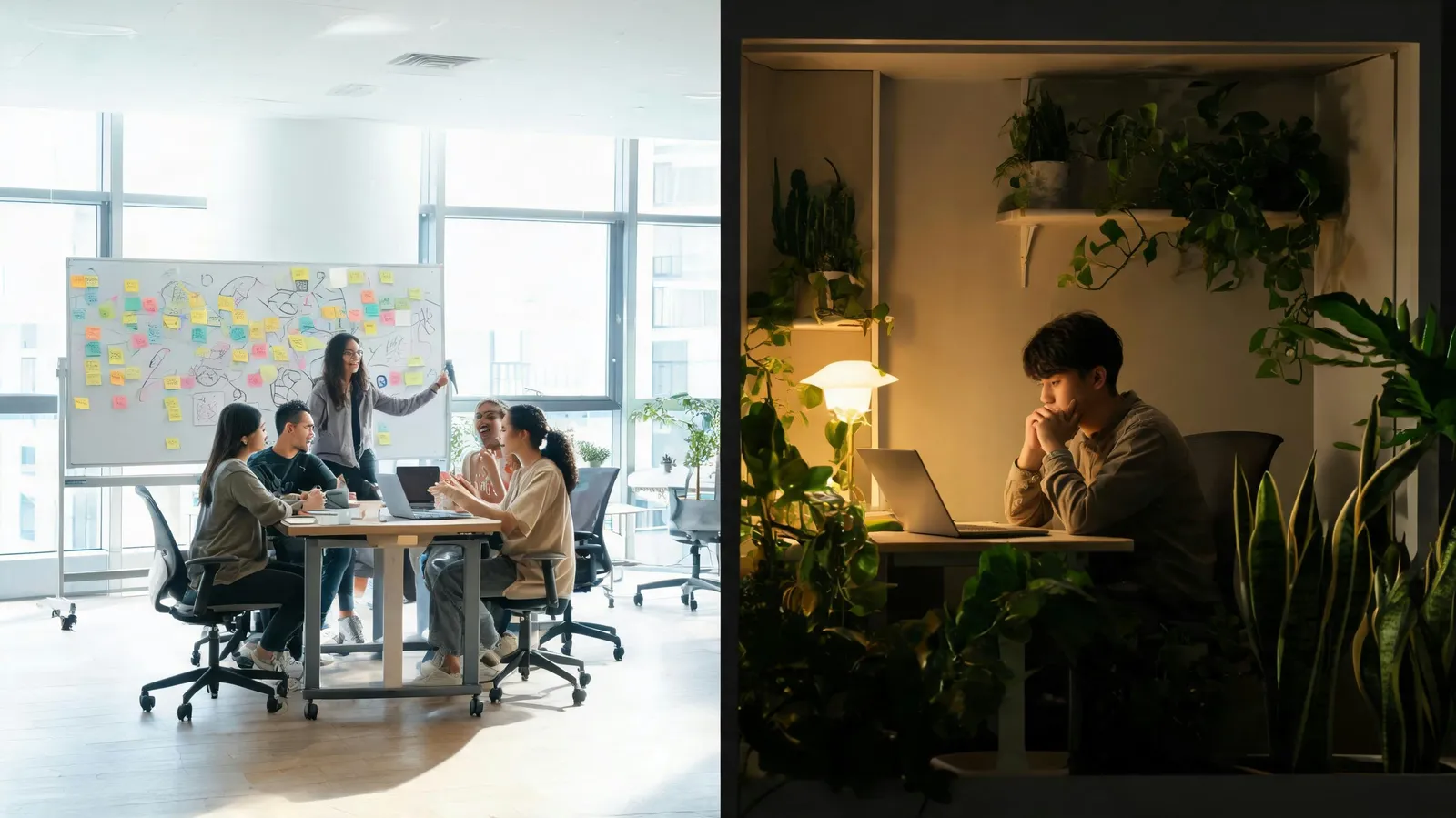
The open-office debate is complex. While open layouts can foster spontaneous collaboration and idea exchange, they also increase distraction and reduce deep work. Pixar’s headquarters, designed by Steve Jobs, famously featured a central atrium to encourage serendipitous encounters, yet also included numerous private nooks for focused work. Google’s campuses similarly combine open collaboration zones with quiet pods. Evidence suggests that the most creative environments offer a range of spaces, allowing individuals to choose the setting that matches their current task—whether brainstorming with colleagues or incubating ideas alone.
Sensory Elements: Lighting, Color, Noise, and Biophilic Design
The sensory details of a workspace matter more than most people realize. Natural light has been linked to improved creative performance and mood. A study by the University of Illinois found that exposure to natural light and views of nature reduced stress and enhanced creative problem-solving. Biophilic design—incorporating plants, wood, and water features—has been shown to boost cognitive function and creativity. Even ambient noise plays a role: a 2012 study in the Journal of Consumer Research found that moderate ambient noise (around 70 decibels) enhanced creative cognition compared to silence or high noise. Color psychology also suggests that blue and green hues promote calm and divergent thinking, while warmer tones can stimulate energy.
Zoning for Different Creative Phases
Creativity is not a single act but a process involving ideation, incubation, evaluation, and implementation. Each phase benefits from a different spatial context. Ideation thrives in open, stimulating spaces with whiteboards and movable furniture. Incubation requires quiet, comfortable areas where the mind can wander. Evaluation calls for neutral, focused rooms. Creative studios like IDEO and Stanford’s d.school are designed with distinct zones to support these phases. Research on spatial variety shows that moving between different environments can enhance both divergent and convergent thinking, as the change in context cues different cognitive modes.
The Role of Time Pressure and Resource Scarcity
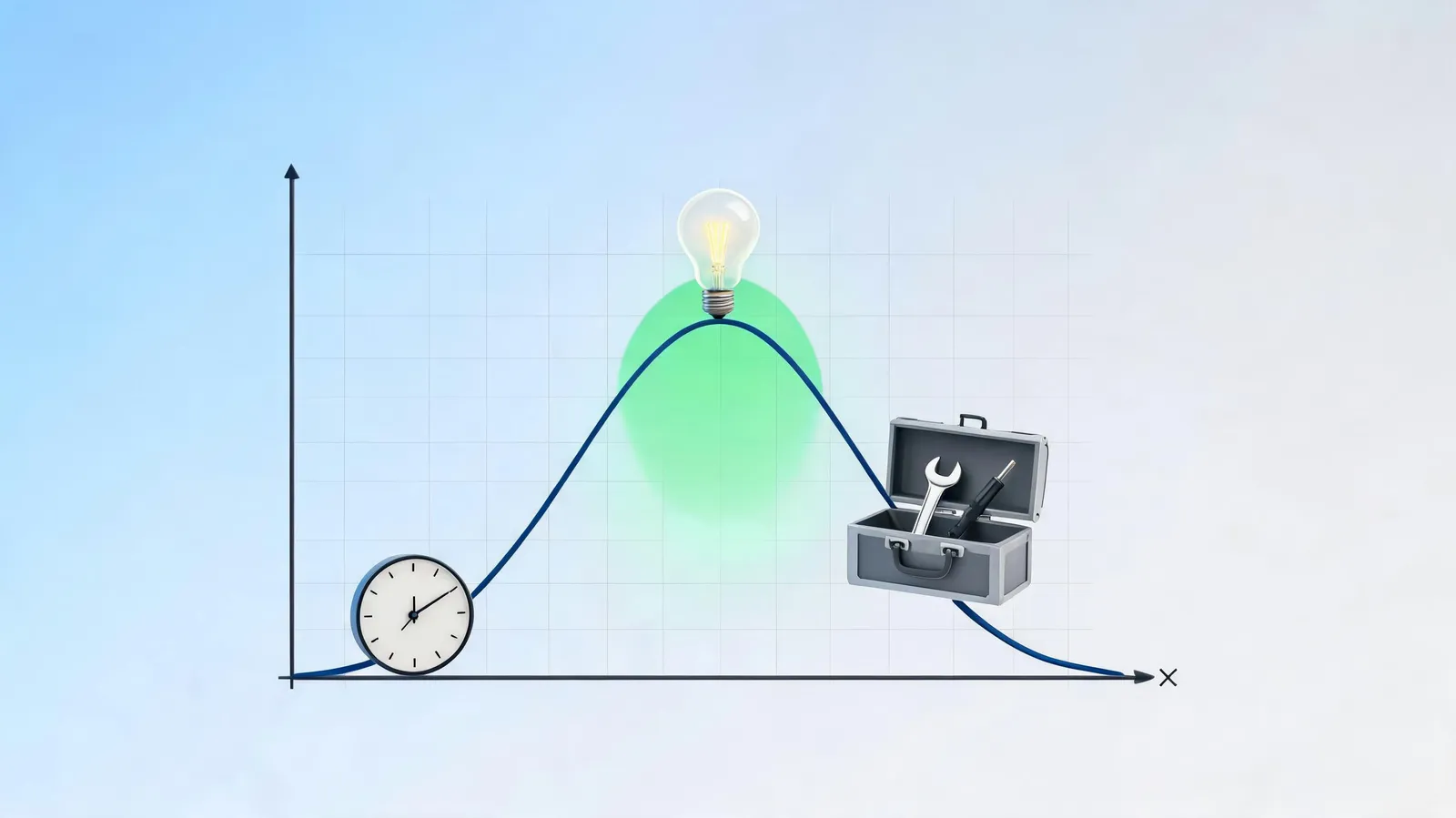
Constraints are often seen as enemies of creativity, but a more nuanced view reveals that the right type and amount of constraint can be a powerful catalyst. The relationship between constraints and creativity is not linear; it follows an inverted-U curve. Too little constraint leads to aimless exploration, while too much causes rigidity and burnout. The sweet spot—moderate pressure and limited but sufficient resources—forces creative problem-solving and resourcefulness.
The Inverted-U Relationship Between Time Pressure and Creative Performance
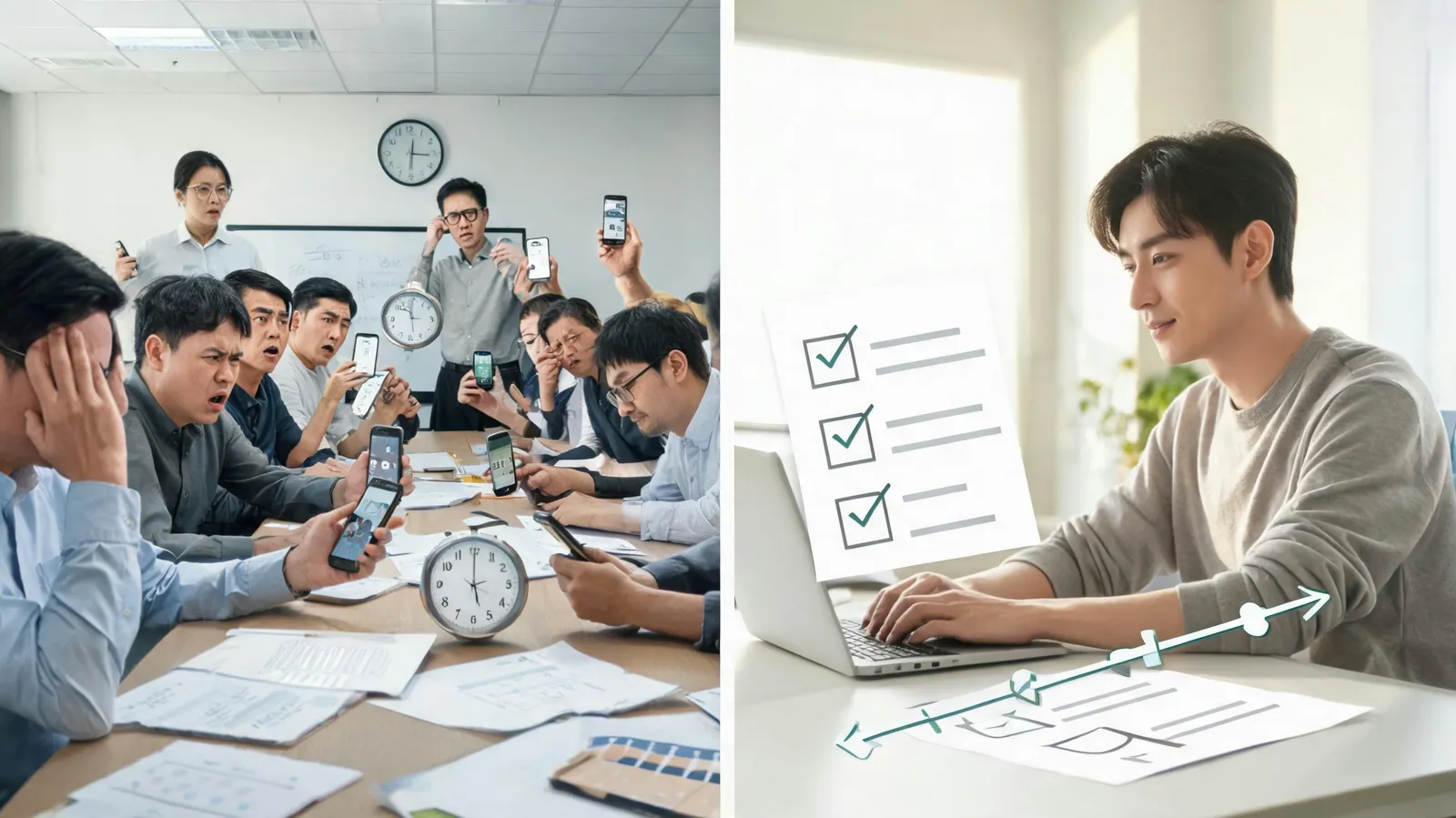
Research by Teresa Amabile and others has shown that moderate time pressure can enhance creative output by focusing attention and increasing motivation. A study of advertising agencies found that teams with tight but manageable deadlines produced more original ideas than those with either loose or extreme deadlines. However, when time pressure becomes chronic and extreme, cognitive flexibility drops, and people revert to familiar solutions. The key is to avoid the extremes: provide enough time for exploration but not so much that urgency disappears.
Resource Scarcity as a Driver of Frugal Innovation and Bricolage
History is full of examples where scarcity sparked breakthrough innovations. The Apollo 13 mission’s CO2 scrubber fix is a classic case of bricolage—making do with available materials. In the business world, startups often out-innovate larger competitors precisely because they lack resources and must be creative. Research on frugal innovation in emerging markets shows that constraints force a deeper understanding of problems and lead to simpler, more elegant solutions. The lesson is not to starve teams, but to impose meaningful limits that channel creativity.
The Danger of Chronic Scarcity and Burnout
When resource scarcity becomes chronic—whether in funding, staffing, or time—it ceases to be a creative spur and becomes a source of stress. Prolonged scarcity reduces cognitive bandwidth, increases anxiety, and diminishes the capacity for creative thinking. A study in the Journal of Organizational Behavior found that perceived resource inadequacy was negatively correlated with creative performance. Organizations must therefore distinguish between temporary, challenge-based constraints and chronic deprivation. The former can be managed; the latter must be alleviated.
Psychological Safety, Autonomy, and Intrinsic Motivation
While physical spaces and constraints set the stage, the psychological environment determines whether creativity will flourish. Psychological safety—the belief that one can speak up, take risks, and make mistakes without punishment—is the foundation. Autonomy and intrinsic motivation are the fuel. Together, they create a climate where ideas are freely shared and explored.
Psychological Safety as a Prerequisite for Risk-Taking and Idea Sharing
Google’s Project Aristotle, a multi-year study of team effectiveness, identified psychological safety as the single most important factor in predicting team innovation. Without it, people fear judgment and withhold ideas. A classic study by Amy Edmondson showed that hospitals with higher psychological safety reported more errors—not because they made more mistakes, but because they felt safe reporting them, which led to learning and improvement. In creative work, the fear of failure is the enemy of experimentation. Leaders must actively cultivate a climate where dissenting views are welcomed and failures are treated as learning opportunities.
Autonomy and Intrinsic Motivation: The Self-Determination Theory Perspective
Self-determination theory posits that intrinsic motivation flourishes when three basic psychological needs are met: autonomy, competence, and relatedness. Autonomy—the sense of volition and choice—is particularly critical for creativity. Research by Amabile and others has shown that intrinsic motivation is a stronger predictor of creative output than extrinsic rewards. Companies like 3M and Google have institutionalized autonomy through programs like “15% time” and “20% time,” allowing employees to pursue self-directed projects. These initiatives have yielded innovations like Post-it Notes and Gmail. The lesson is clear: give people control over their work and they will invest more of themselves in it.
Leadership Behaviors That Foster Psychological Safety and Autonomy
Leaders play a pivotal role in shaping the psychological climate. Inclusive leadership—characterized by openness, availability, and a willingness to admit mistakes—correlates with higher team creativity. Coaching-style management, which focuses on developing people rather than directing them, supports autonomy and intrinsic motivation. A study in the Journal of Applied Psychology found that leader openness to experience was positively related to team creative performance, mediated by psychological safety. Practical behaviors include asking questions rather than giving answers, encouraging dissent, and modeling vulnerability.
Conclusion: Designing the Creative Crucible
Creativity is not a mysterious gift reserved for a lucky few; it is a capacity that can be systematically nurtured through intentional design. The three pillars explored in this article—physical workspace design, calibrated constraints, and psychological safety—form a creative crucible in which innovation can thrive. By offering a variety of spaces for different creative phases, by imposing moderate time and resource constraints that challenge without crushing, and by cultivating psychological safety and autonomy, organizations can unlock the creative potential of their people.
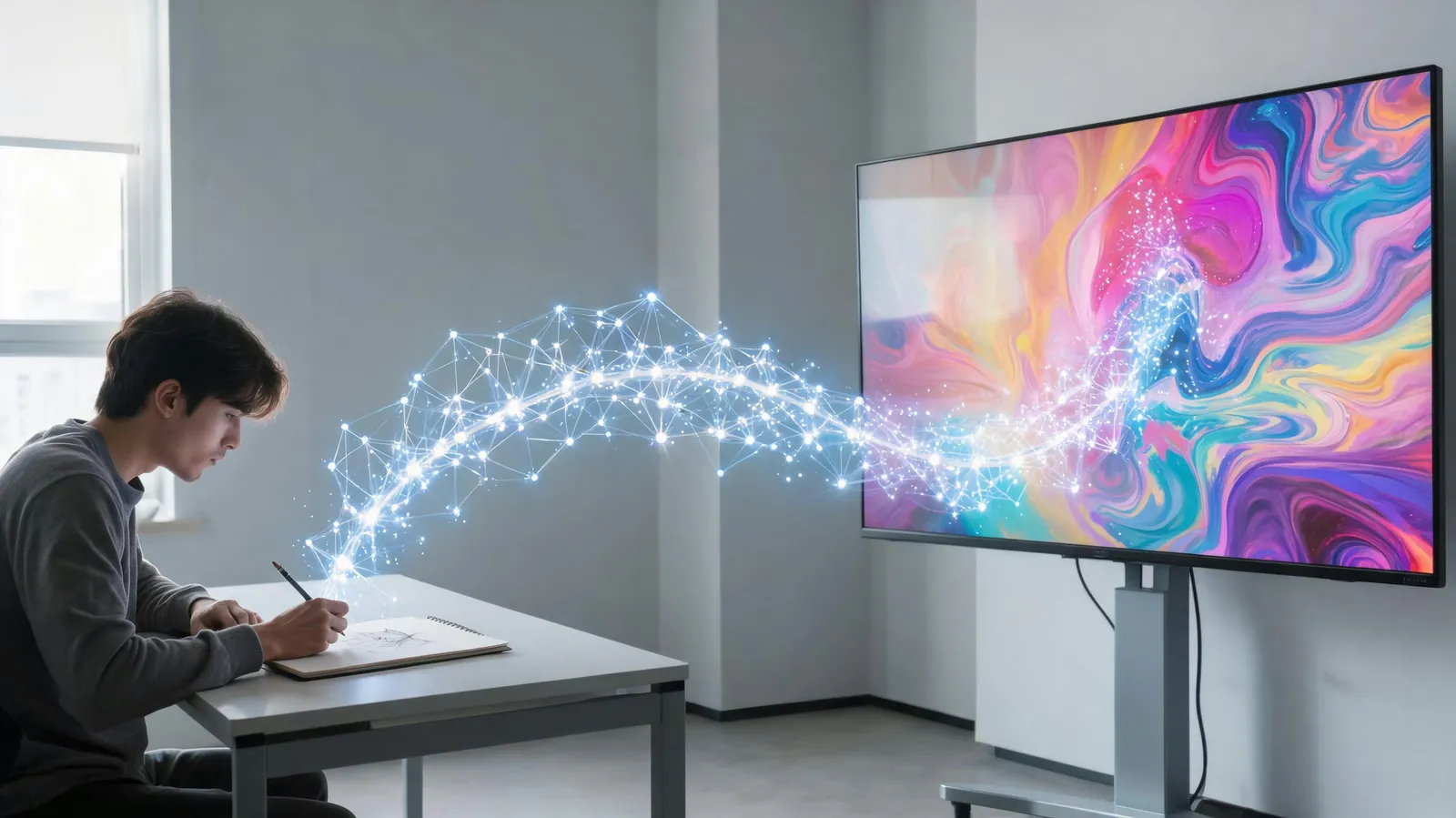
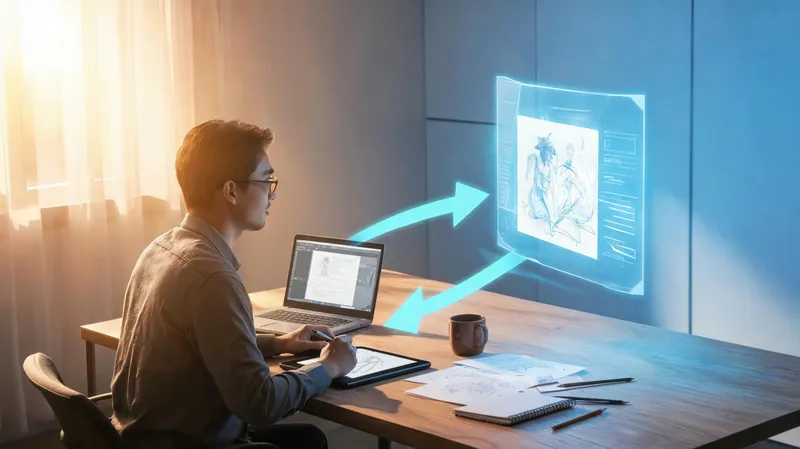
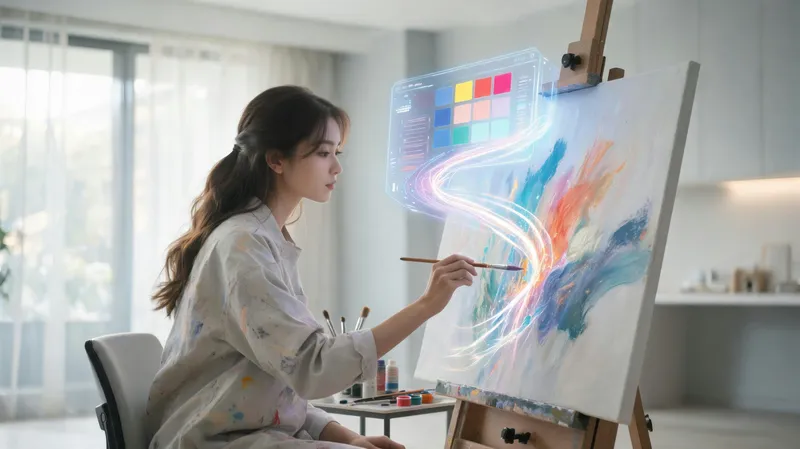
The future of work will bring new dimensions to this challenge. As remote and hybrid work become more common, the physical workspace will be supplemented—or even replaced—by virtual environments. AI tools may serve as collaborators or constraints, reshaping the creative process. Yet the fundamental principles remain: human creativity is social, contextual, and emotional. The leaders who understand this will be the ones who build environments where creativity is not just hoped for, but designed for.