Introduction: Reexamining the Link Between Creativity and Mental Health
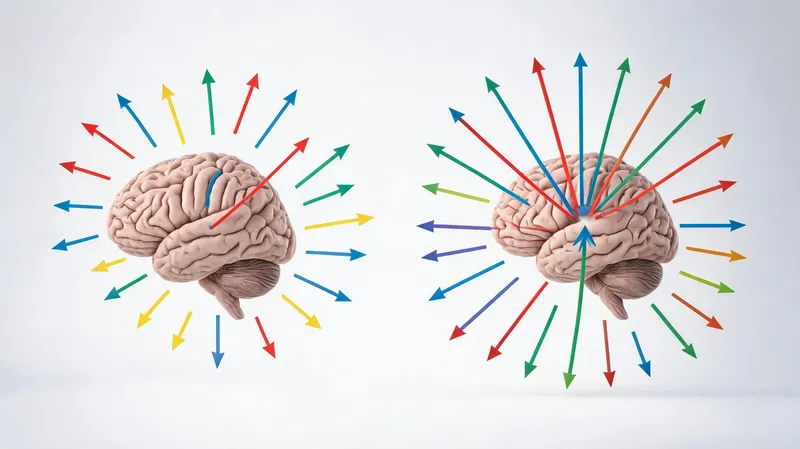
Cultural narratives have long perpetuated the image of the 'tortured genius,' from Vincent van Gogh to Sylvia Plath, implying an inseparable connection between creative ability and psychological distress. Such a stereotype not only glamorizes suffering but also creates a barrier for creative professionals seeking support. Contemporary research, however, suggests a different relationship: creative practice may play a vital role in mental well-being, offering routes to emotional regulation, self-discovery, and resilience. This article explores three key areas: the science of creative practice as an emotional regulation tool, the empirical evidence that challenges the 'tortured genius' myth, and practical strategies to prevent burnout and build sustainable creative careers.
1. Creative Practice as a Tool for Emotional Regulation
Participating in creative activities—whether painting, writing, music, or dance—has been linked to measurable mental health benefits. Art therapy, as a formalized discipline, harnesses these effects to help individuals process emotions, reduce stress, and improve overall well-being. This section examines the underlying science and offers practical applications for daily life.
1.1 The Science of Art Therapy and Expressive Arts
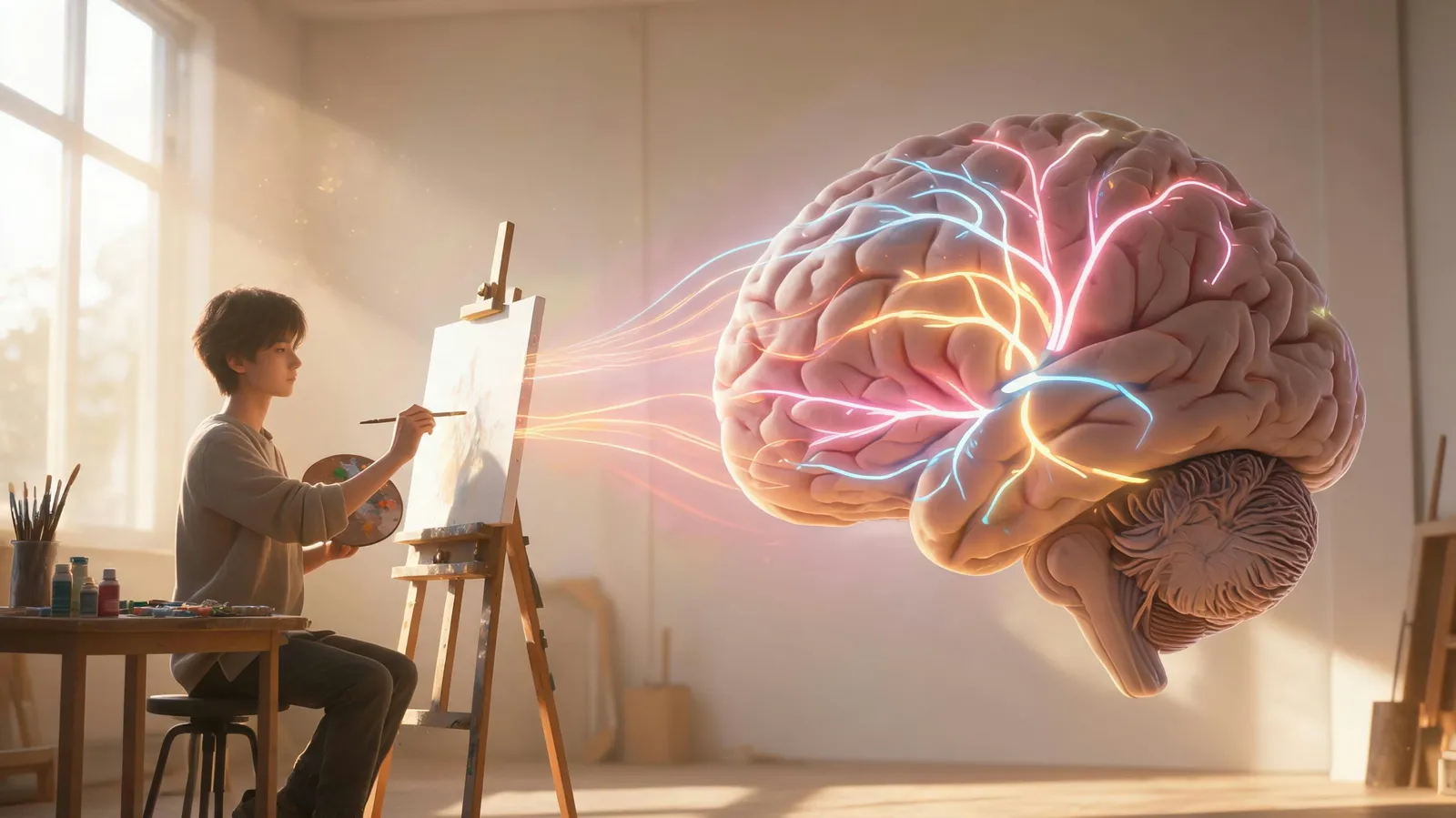
Studies indicate that making art can notably lower cortisol, the body's primary stress hormone, while boosting dopamine, which is tied to reward and pleasure. A landmark study by Kaimal et al. (2016) found that just 45 minutes of art-making produced a measurable reduction in anxiety among participants, irrespective of their artistic skill. Neuroscientific evidence adds further support: creative activities can induce a 'flow' state—a condition of complete absorption that enhances emotional processing and diminishes rumination.
Flow states are marked by a sense of timelessness, focused attention, and intrinsic reward. During flow, the brain's default mode network—associated with self-referential thinking and worry—becomes less active, while regions involved in sensory-motor integration and reward processing become more engaged. This shift allows individuals to temporarily escape negative thought loops and experience a sense of mastery and control. For those coping with anxiety, depression, or trauma, this can be profoundly therapeutic.
1.2 Practical Applications for Daily Emotional Regulation
Incorporating creative practice into daily routines can serve as a proactive strategy for emotional regulation. Simple activities such as journaling, sketching, playing an instrument, or dancing can help modulate mood and reduce stress. Clinical art therapists often employ specific directives—like drawing a safe place or creating a mask of emotions—to help clients externalize and process complex feelings. Beyond formal therapy, many artists and creative professionals have developed personal rituals that support their mental health.
For instance, a graphic designer might begin each day with 15 minutes of free drawing to clear their mind before client work. A musician might use improvisation to unwind after a performance. These routines not only enhance emotional regulation but also fuel creative output. The key lies in consistency and non-judgment: the goal is not to produce a masterpiece but to engage in the process. By making creative expression a regular habit, individuals can build resilience and improve their overall mental well-being.
2. The 'Tortured Genius' Myth and Empirical Evidence
The romanticized connection between creativity and mental illness has deep historical roots, but empirical research challenges this narrative. This section traces the origins of the 'tortured genius' trope and presents scientific evidence that creativity may actually support well-being.
2.1 Origins and Perpetuation of the 'Tortured Genius' Trope
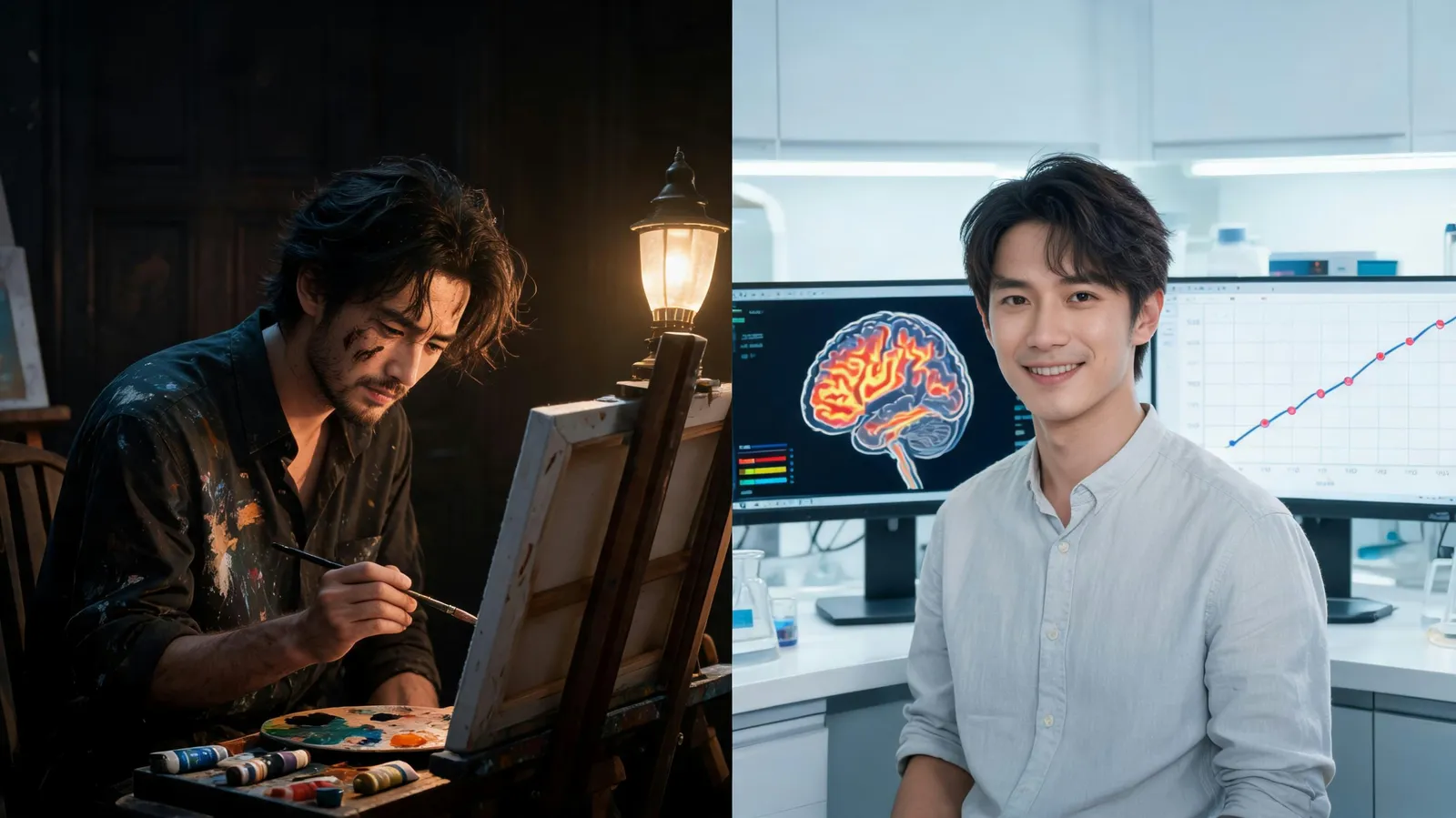
The idea that creative individuals are prone to madness dates back to ancient Greece, but it gained prominence during the Romantic era, when artists like Lord Byron and later van Gogh were celebrated for their emotional intensity. In the 20th century, media portrayals of figures such as Sylvia Plath and Kurt Cobain reinforced the stereotype, often framing their suicides as inevitable consequences of their creative minds. Psychological studies have identified a 'mad genius' stereotype that persists in popular culture, leading to the assumption that suffering is a prerequisite for artistic brilliance.
This trope is not only inaccurate but also harmful. It can discourage creative professionals from seeking treatment for mental health issues, for fear that doing so will diminish their creativity. It also stigmatizes those who struggle, suggesting that their suffering is somehow noble or necessary. By examining the evidence, we can dismantle this myth and promote a healthier understanding of the creative mind.
2.2 Empirical Research: No Causal Link, Potential Benefits
Large-scale studies have failed to find a causal link between creativity and psychopathology. A comprehensive study by Kyaga et al. (2013) examined over one million individuals and found that those in creative professions were no more likely to suffer from mental illness than the general population. In fact, some research suggests that creative activities can improve mood and life satisfaction. For instance, a meta-analysis by Stuckey and Nobel (2010) concluded that creative engagement can decrease anxiety and depression and improve immune function.
Further, studies on positive psychology highlight that creativity is associated with traits such as openness, resilience, and self-efficacy—all of which contribute to mental well-being. While some creative individuals may experience mental health challenges, this is not a universal rule, nor is it a requirement for creative success. The evidence points to a more nuanced reality: creativity can be a source of healing and growth, not just torment.
3. Burnout, Perfectionism, and Sustainable Creative Careers
Despite the potential benefits of creative practice, many creative professionals face significant challenges that can lead to burnout and perfectionism. This section examines the prevalence of these issues and offers strategies for building sustainable careers.
3.1 The Prevalence of Burnout Among Creative Professionals
Burnout—characterized by emotional exhaustion, cynicism, and reduced professional efficacy—is alarmingly common in creative fields. Contributing factors include precarious employment, irregular income, high self-expectations, and constant criticism. A survey by the Creative Industries Federation found that 71% of creative workers have experienced mental health issues, with burnout being a primary concern. Perfectionism, a trait often associated with creative individuals, can exacerbate burnout by setting unattainable standards and fostering a fear of failure.
Perfectionism can also lead to creative block, as the pressure to produce flawless work paralyzes the creative process. Psychological models suggest that perfectionism is linked to increased stress and decreased job satisfaction. For creative professionals, the combination of financial instability, societal pressure to constantly innovate, and internalized perfectionism creates a perfect storm for burnout.
3.2 Building Sustainable Creative Careers: Boundaries, Self-Compassion, and Community
To counteract burnout and perfectionism, creative professionals can adopt evidence-based strategies for sustainability. Setting clear boundaries—such as designated work hours and digital detoxes—helps prevent overwork. Practicing self-compassion, which involves treating oneself with kindness during setbacks, reduces the negative impact of perfectionism. Mindfulness and cognitive-behavioral techniques can also help reframe unhelpful thought patterns.
Community support is another crucial factor. Interviews with successful artists reveal that mentorship, peer networks, and collaborative environments provide emotional and practical support. For example, joining a writers' group or an online artists' community can offer validation, feedback, and a sense of belonging. By integrating these practices, creative individuals can build resilient careers that prioritize mental health alongside artistic output.
Conclusion: Integrating Mental Health Awareness into Creative Practice
Creativity and mental health are deeply interconnected, but not in the way the 'tortured genius' myth suggests. Creative practice can be a powerful tool for emotional regulation, helping individuals process emotions and reduce stress. Empirical evidence debunks the notion that creativity requires suffering, showing instead that creative engagement can enhance well-being. Finally, by addressing burnout and perfectionism with strategies like boundary-setting, self-compassion, and community support, creative professionals can build sustainable careers.
The significance of these findings is clear: creativity is a vital component of mental well-being, and sustainable creative careers are achievable. Moving forward, it is essential to integrate mental health support into creative education and workplaces. Further research on creativity-based interventions will continue to illuminate the path toward a healthier, more resilient creative community. By embracing this holistic approach, we can ensure that the creative mind thrives—not despite its challenges, but because of its inherent capacity for growth and healing.