Where Neuroscience, Computing, and Materials Meet
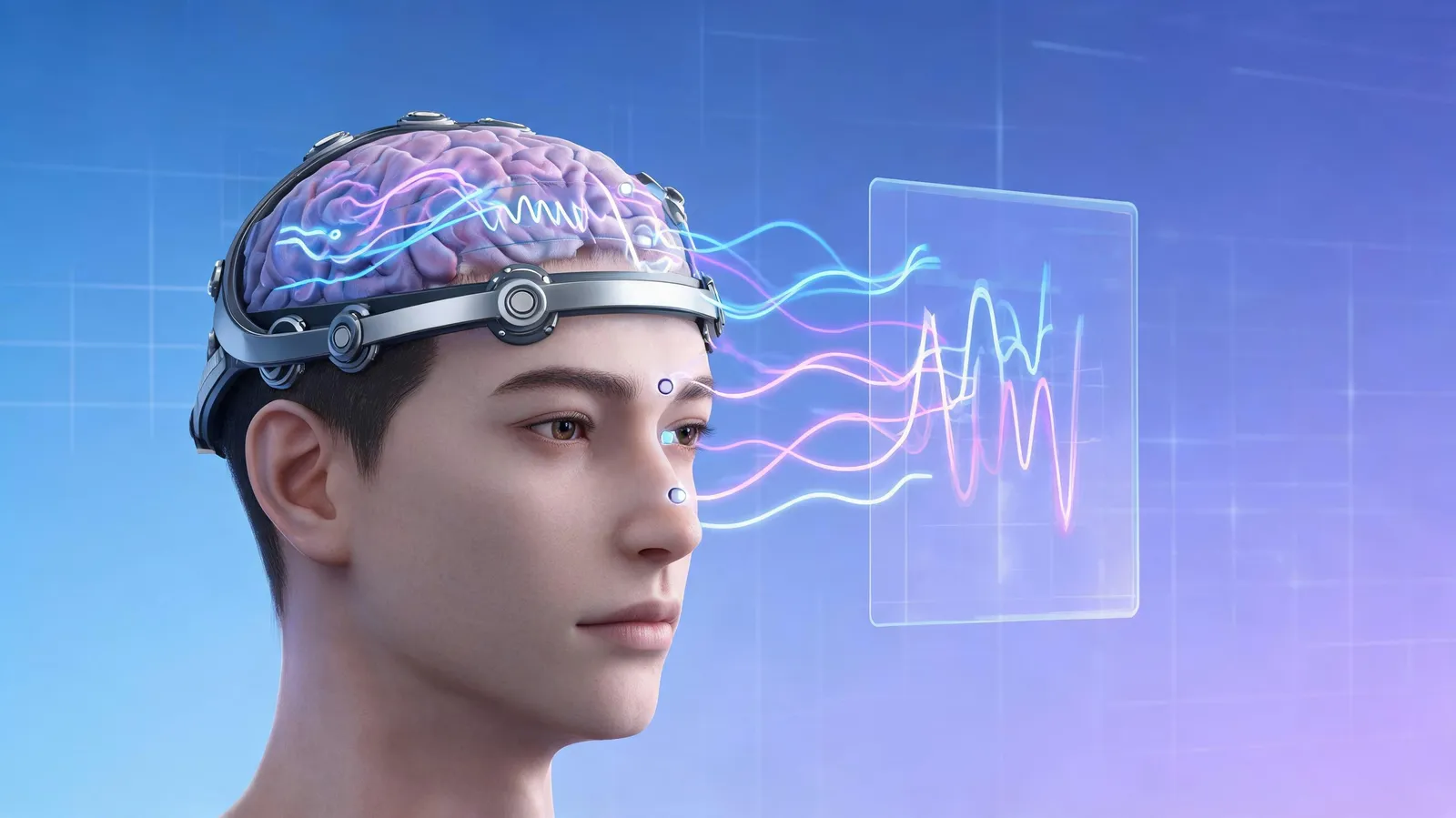
A person directing a robotic arm with thought alone, or slipping on a headset meant to sharpen recall, would once have belonged to speculative fiction. Today, work spanning neuroscience, artificial intelligence, and materials research is pushing brain-computer interfaces (BCIs) toward practical use. Three areas stand out: neural interfaces that need no surgery, the decoding of brain signals to drive prosthetics, and efforts to enhance cognition. Each holds out promise for medicine, for extending human ability, and for how we understand consciousness—and each brings up difficult ethical questions.
Reading Neural Activity Without Surgery
Non-invasive interfaces let researchers and clinicians exchange signals with the brain while leaving the skull intact. The toolkit includes electroencephalography (EEG), magnetoencephalography (MEG), functional near-infrared spectroscopy (fNIRS), and transcranial ultrasound. These methods differ in how precisely they locate activity and how quickly they capture it. EEG, for instance, records changes on a millisecond timescale but offers limited spatial precision; fNIRS localizes activity more accurately, yet responds more slowly.
Devices aimed at consumers—headsets from companies such as Emotiv and Muse—already serve attention tracking, meditation, and gaming. In the clinic, non-invasive BCIs support stroke rehabilitation, where neurofeedback helps patients work toward regaining motor control, and they open communication channels for people with locked-in syndrome. Because these systems are safe and relatively easy to deploy, they are well suited to broad use, though signal quality and the training users need remain open challenges.
Decoding Brain Signals to Restore Movement and Sensation
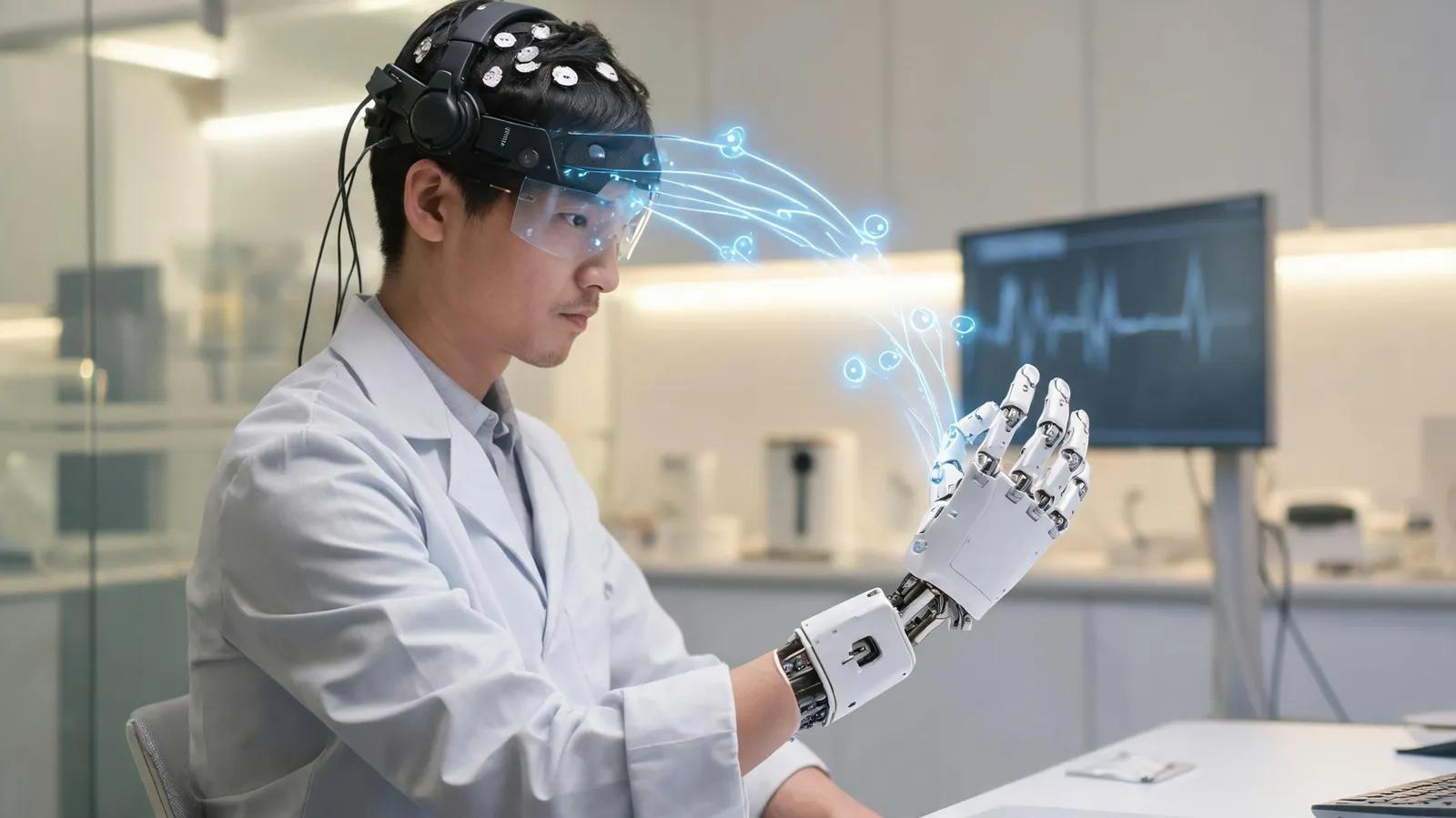
Neural decoding is the step that turns brain activity into instructions for an external device, and it sits at the heart of advanced prosthetics. Machine learning and deep learning models read activity from the motor cortex, allowing real-time control of robotic arms. Work by the BrainGate consortium has shown that people with paralysis can carry out tasks such as drinking coffee with a brain-controlled robotic arm, reaching notable levels of dexterity.
Feeling matters as much as moving. Researchers have restored a sense of touch in prosthetic users by stimulating the somatosensory cortex directly, which improved how users experienced the prosthesis as part of themselves and raised their satisfaction. Closed-loop designs—ones that decode intended movement and return sensory feedback—are moving prosthetics toward the experience of a natural limb.
Enhancing Cognition and Facing the Dilemmas
Approaches to cognitive enhancement include transcranial direct current stimulation (tDCS), transcranial alternating current stimulation (tACS), neurofeedback, and BCIs; their targets are memory, attention, and learning. Research has found that tDCS can strengthen memory consolidation and speed up skill acquisition, while commercial neurostimulation products make sweeping assertions about cognitive gains.
These developments bring up ethical, legal, and social issues (ELSI). Access is one major concern: a neuro-divide could open between people who can pay for enhancement and those who cannot. Privacy of neural data is another, since brain signals may expose sensitive information about thoughts and emotions. Regulation has struggled to keep up, and informed consent grows complicated when the long-term effects of enhancement remain unknown.
Looking Ahead
Non-invasive interfaces, neural decoding, and cognitive enhancement are linked to one another and moving quickly. Together they hold out the prospect of restoring functions that have been lost, extending what people can do, and deepening our knowledge of the brain. Responsible progress, however, depends on collaboration across disciplines and solid ethical frameworks so that neurotechnology serves all of humanity. As mind and machine draw closer, the ethical dilemmas need to be met with foresight and care.