Reaching Low-Income and Food-Insecure Users
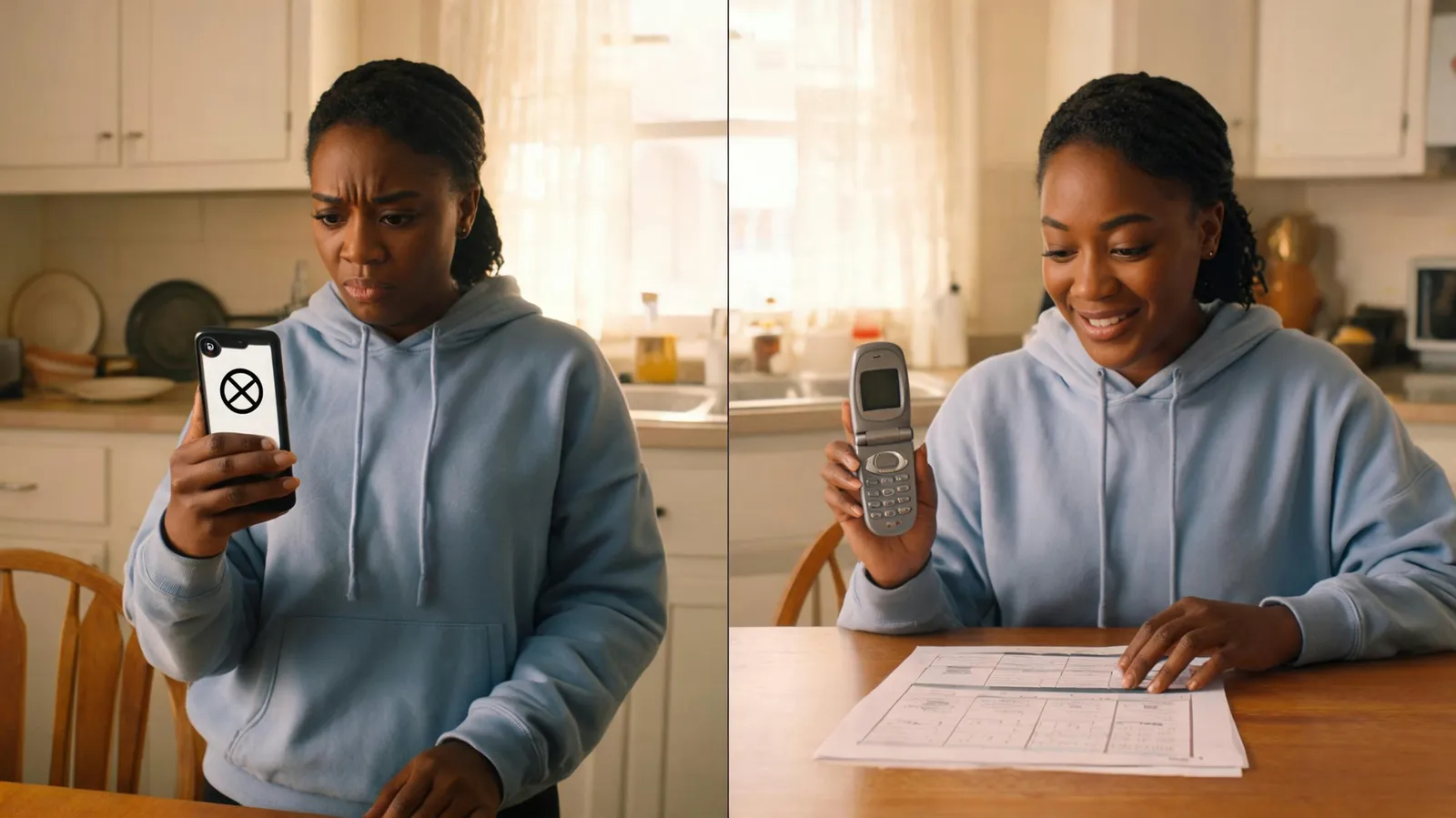
A growing array of digital meal planners offers convenience and the promise of healthier eating, yet these tools frequently fail to serve the very people who need them most. Cost of devices, data plans, and limited digital literacy remain significant hurdles. According to Pew Research, just 59% of low-income households have home broadband, and 29% of adults with household incomes below $30,000 do not own a smartphone. A case study of a food bank revealed that most clients were unable to use a required app because of these barriers.
Designing for accessibility means prioritizing low-cost, simple interfaces and offline-first approaches. SMS-based meal planning and printable recipe cards are examples. Evidence shows that tools free of charge and requiring no login see improved engagement—one pilot program offering printed meal plans saw a 40% increase in use compared to an app-only approach.
Recipe Databases That Are Multilingual and Culturally Inclusive
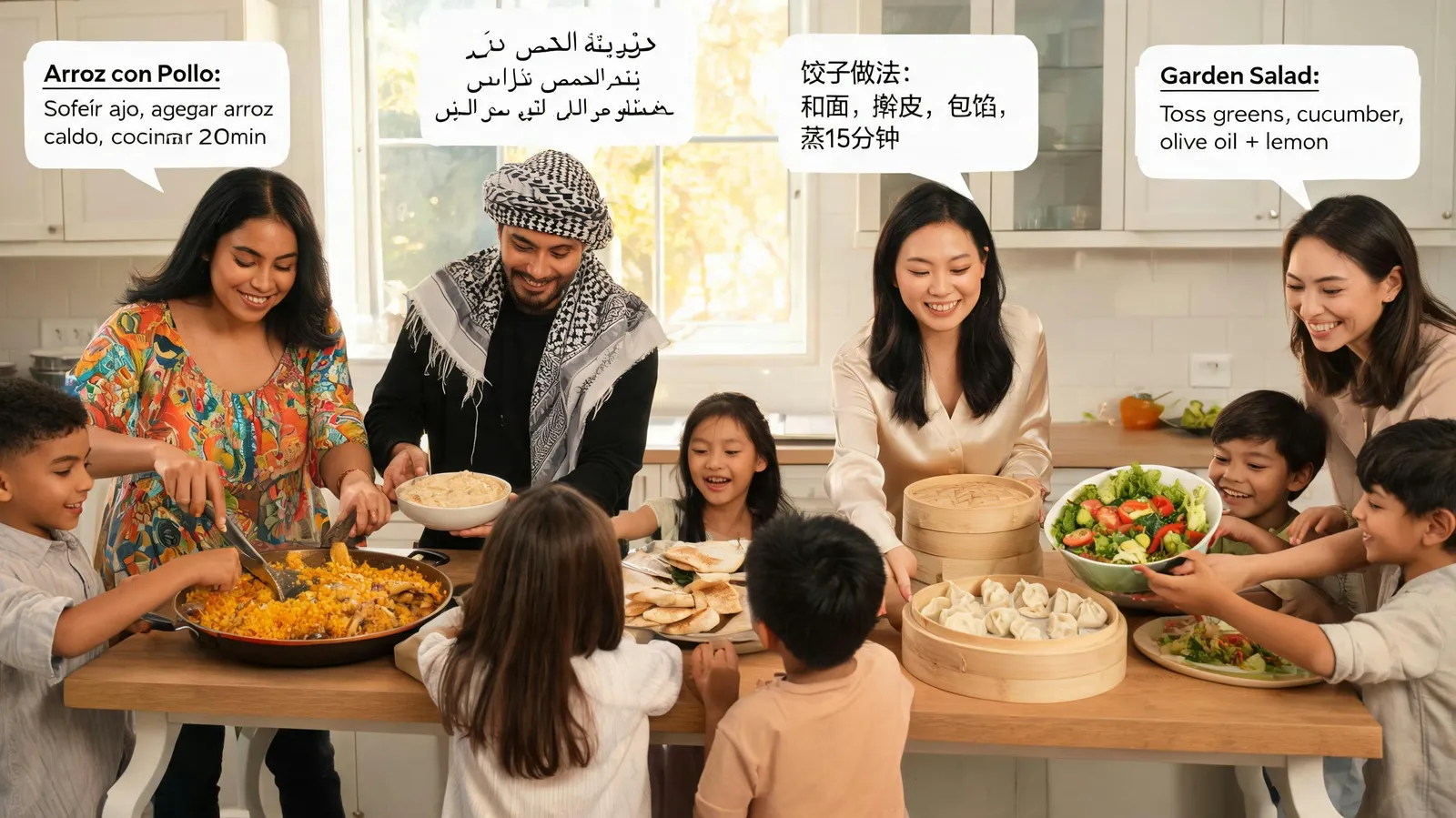
Effective meal planning should mirror the languages, foods, and cultural practices of diverse communities. Monolingual, culturally narrow recipe apps pose a serious problem: many offer only English and Western dishes, which leads to lower usage among non-English speakers and immigrant communities. For instance, a study found that recipe apps with only English content had 60% lower engagement among Spanish-speaking users.
Building inclusive databases involves translation, cultural adaptation, and co-creation with communities. A case study of a multilingual recipe platform co-designed with local communities showed a 75% increase in active users. Culturally appropriate ingredient substitutions and meal patterns are essential guidelines. For example, substituting tortillas for bread in a meal plan respects cultural preferences while maintaining nutritional balance.
Tools for Offline and Low-Bandwidth Settings
Offline functionality is critical for equity. Statistics reveal unreliable internet access in rural and low-income urban areas: 22% of rural Americans lack broadband access. Feedback from food assistance programs shows that online-only tools often fail. Low-bandwidth and offline options include SMS, USSD, downloadable PDFs, and lightweight apps. A case study of an SMS-based meal planning service reached thousands of users, with 80% reporting improved meal planning. Data usage for a standard app versus a low-bandwidth alternative shows the latter consumes 90% less data.
Collaborating with Public Health and Community Programs
Technology alone cannot close the divide—trusted community partnerships are essential for adoption and impact. Trusted intermediaries include clinics, food banks, libraries, and community centers. Successful meal planning programs delivered through WIC clinics and food pantries show higher engagement when tools are introduced by known community organizations. Data indicates a 50% higher adoption rate when tools are integrated into existing services.
Effective partnership strategies include co-design, shared goals, and sustainable funding. A case study of a public health department collaborating with a tech nonprofit on a meal planning app resulted in a 30% increase in healthy food purchases among participants. Best practices for embedding digital tools in existing community services involve training staff and providing ongoing support.
Conclusion
Closing the digital divide in meal planning demands a multifaceted approach: ensuring accessibility for low-income populations, creating multilingual and culturally inclusive recipe databases, developing offline and low-bandwidth tools, and fostering partnerships with public health and community programs. Equity in digital health is not optional—it is essential for reducing food insecurity and improving public health. The future outlook includes policy incentives, universal design standards, and community-led innovation to ensure no one is left behind in the digital food revolution.