Introduction
Picture a kitchen that notices what's running low, places the grocery order, and walks you through each cooking step—no hands required. In many homes right now, the reality looks different: devices operate in isolation, shopping lists are written by hand, recipes stay fixed on the page, and appliances have no way to communicate with one another. Tying together grocery services, kitchen equipment, and smart home platforms via APIs, voice assistants, and planning tools that track what's on hand could deliver a cooking experience that is smoother, more efficient, and more sustainable.
Automated Shopping Lists Backed by Retailer APIs
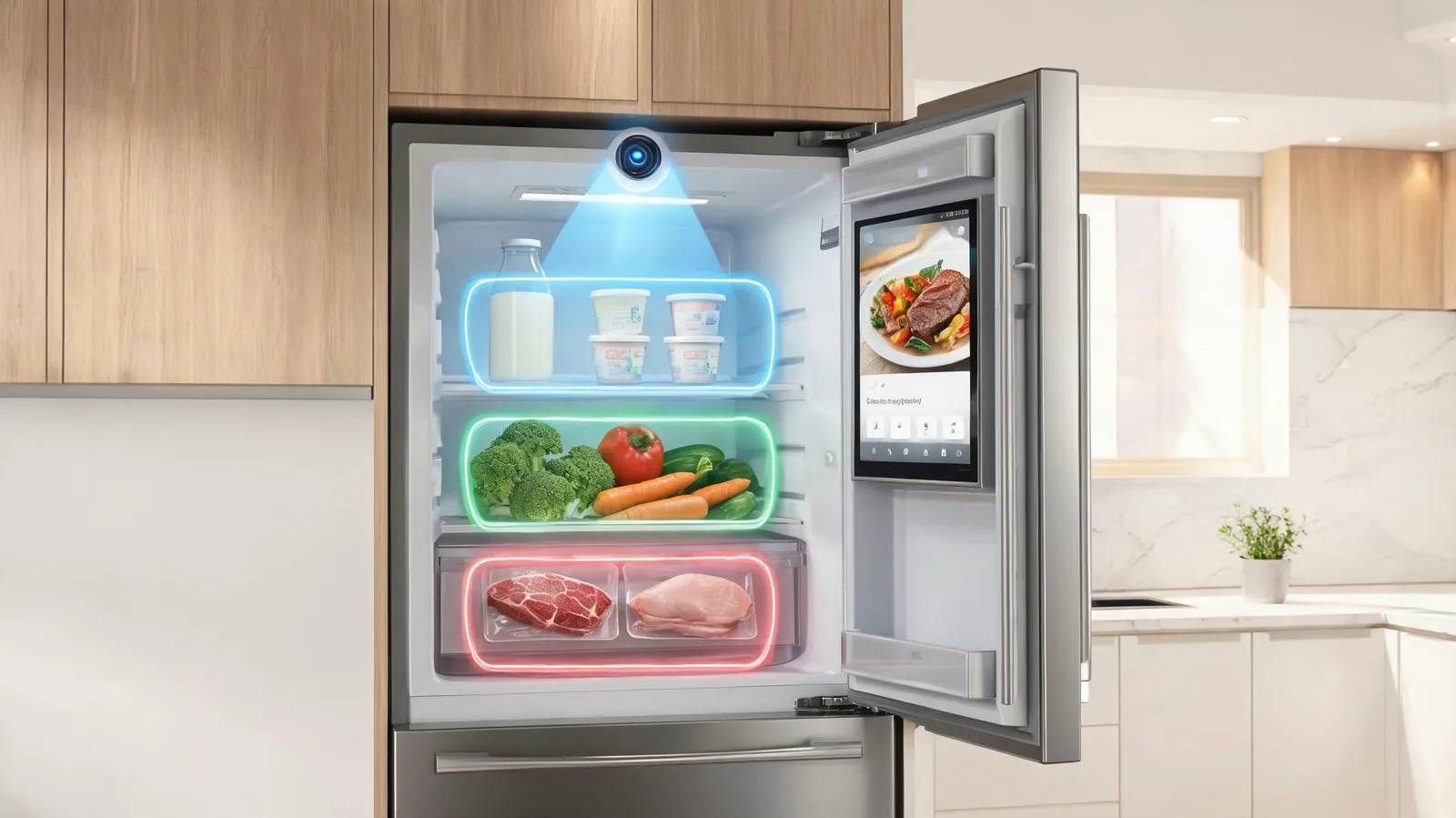
The foundation of a connected kitchen ecosystem is a shopping list that builds itself. Cameras and weight sensors inside smart refrigerators, along with other sensor-equipped appliances, watch inventory levels and flag items that are running low, adding them to a digital list automatically. The result is fewer forgotten items and fewer impulse purchases, which saves both time and money. Retailer APIs make one-click ordering possible: Walmart and Amazon, for instance, offer interfaces that support automated restocking, and reported figures point to meaningful time savings and better order accuracy.

Appliances Working in Concert to Execute Recipes
When appliances are linked, they can carry out a recipe together. The system parses the recipe, divides the work among devices, and each appliance responds accordingly—the oven comes up to temperature, the blender switches on, the stove adjusts its heat to match each step. Cooking time shrinks and results stay consistent. Coordinating everything through a central hub or voice assistant, as in the Samsung SmartThings and Whirlpool integration, adds convenience and cuts down on mistakes, a benefit users themselves describe.
Planning Around What's in Stock to Cut Food Waste
Inventory data lets smart systems recommend meals and trim waste. Continuous monitoring of stock, combined with expiration tracking through smart containers and refrigerator sensors, triggers alerts as food approaches its use-by point. AI-generated recipe ideas built from the ingredients already on hand—offered by apps such as Mealime and Samsung Family Hub—translate into lower costs and a smaller environmental footprint. Figures from smart-home deployments indicate a reduction in food waste.
Voice and Multimodal Interfaces
Spoken commands and combined input modes make integration easier to use. Requests phrased in everyday language—whether ordering groceries or getting cooking guidance, such as "Alexa, add milk to my grocery list" or "Hey Google, start the oven to 350°F"—help drive adoption and user satisfaction. Interfaces that mix voice, touch, and gesture, like the Amazon Echo Show and Google Nest Hub in the kitchen, hint at where things are heading, including AR-guided cooking controlled by voice.
Conclusion
Self-generating shopping lists, appliances that cooperate on recipes, planning informed by real inventory, and voice assistants together form a connected kitchen that delivers convenience, efficiency, and less waste. AI and IoT hold transformative potential for everyday life and sustainability—the prospect of kitchens that run autonomously and adapt to each person's preferences and dietary requirements.