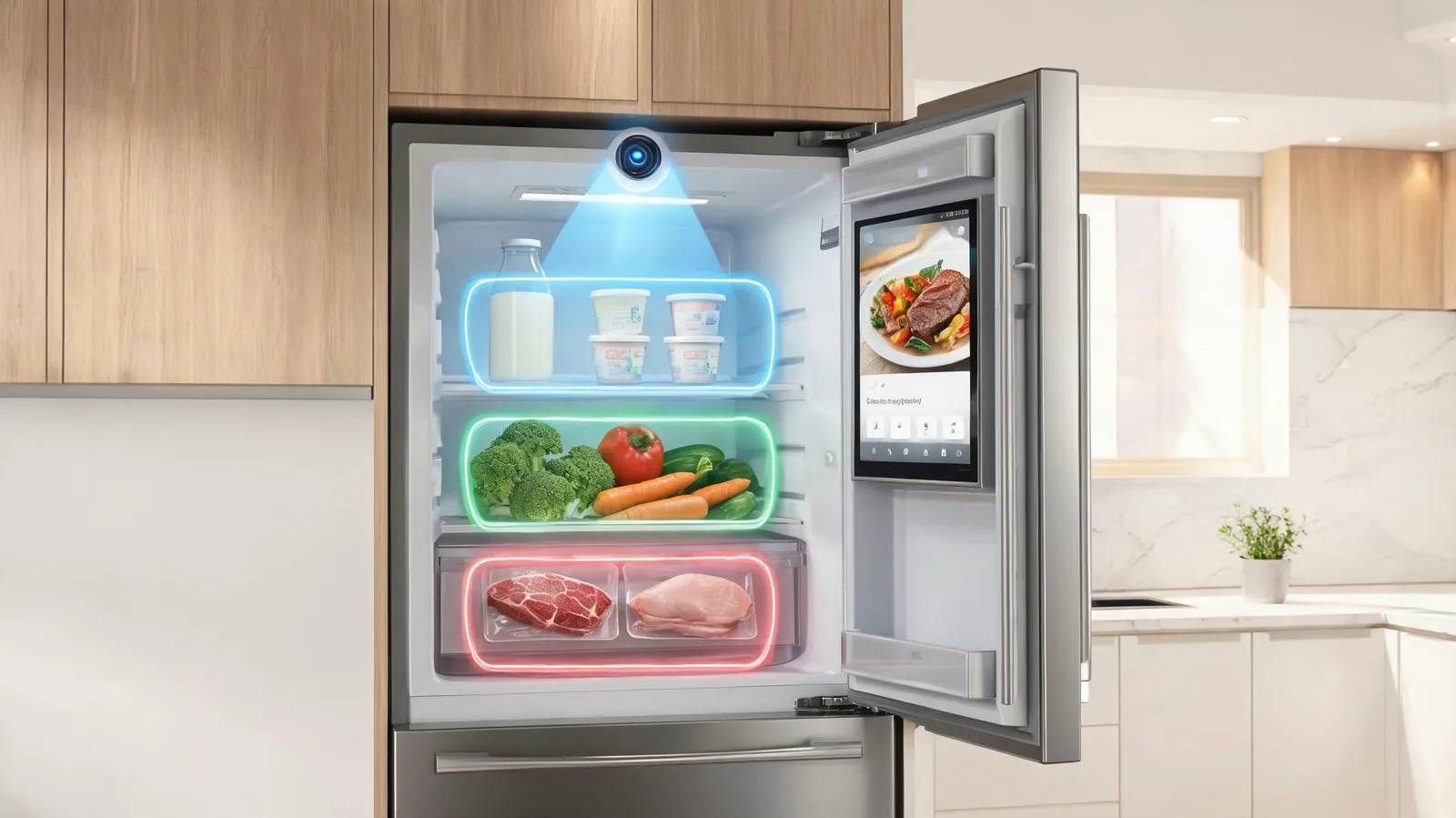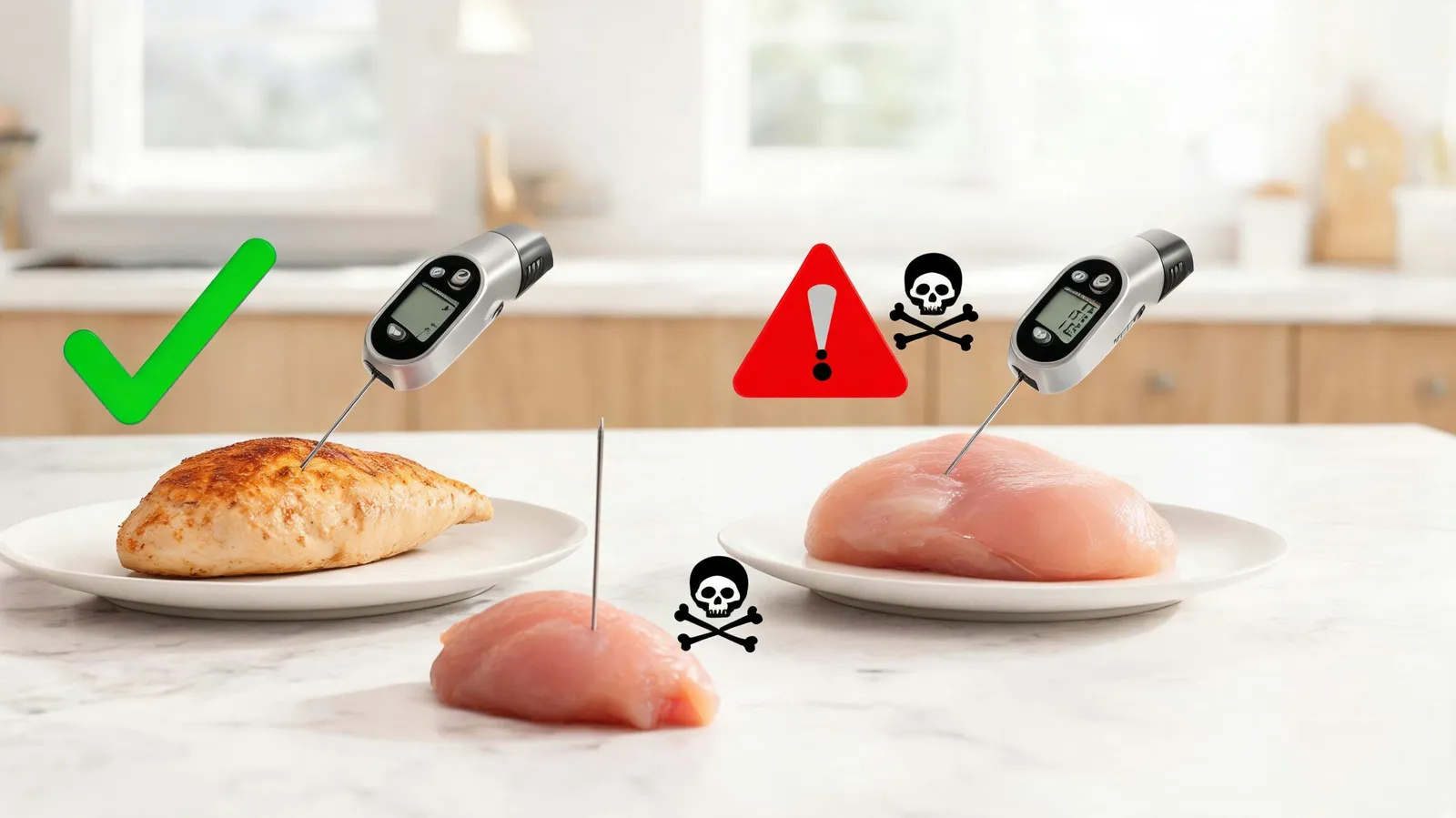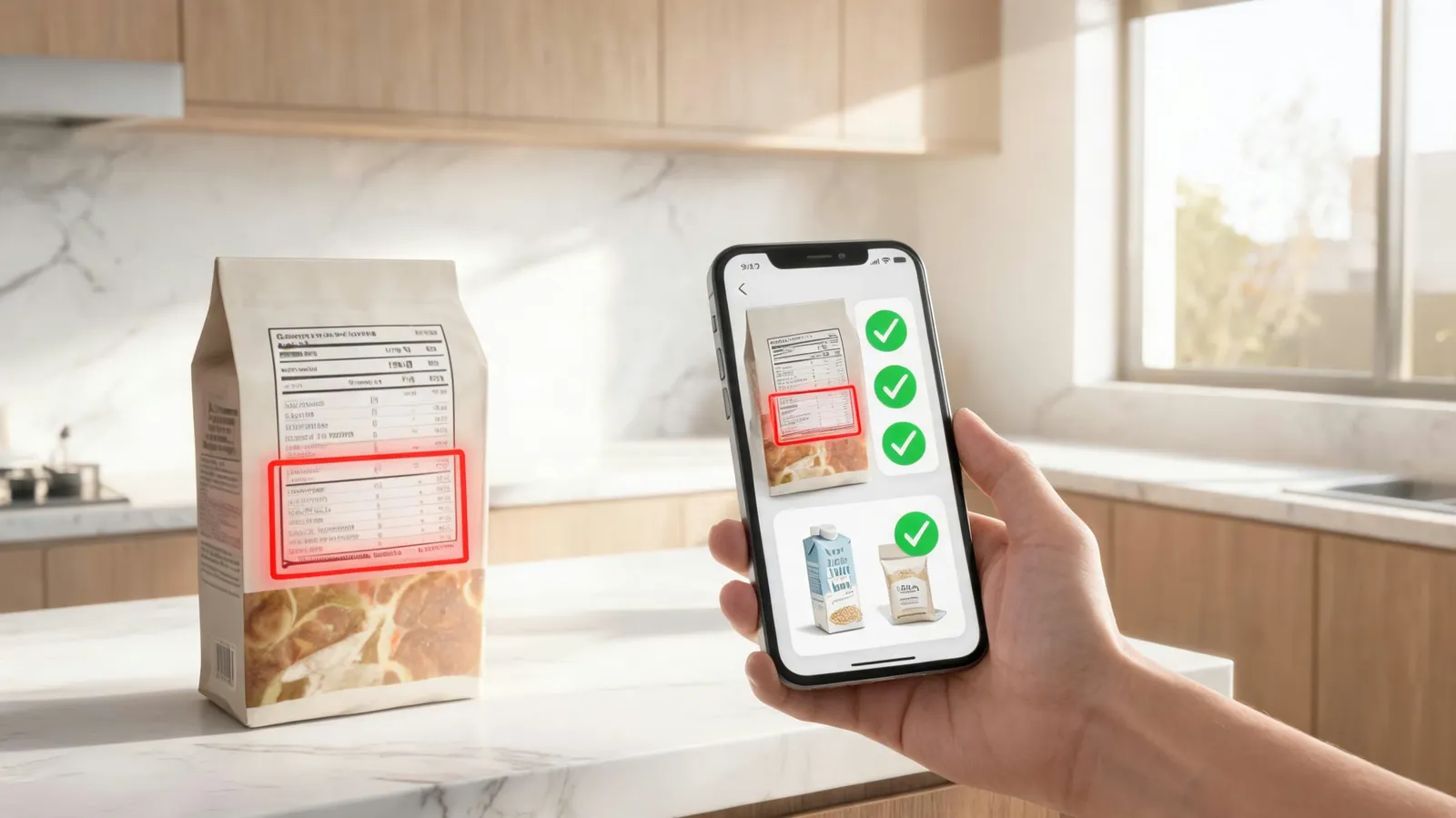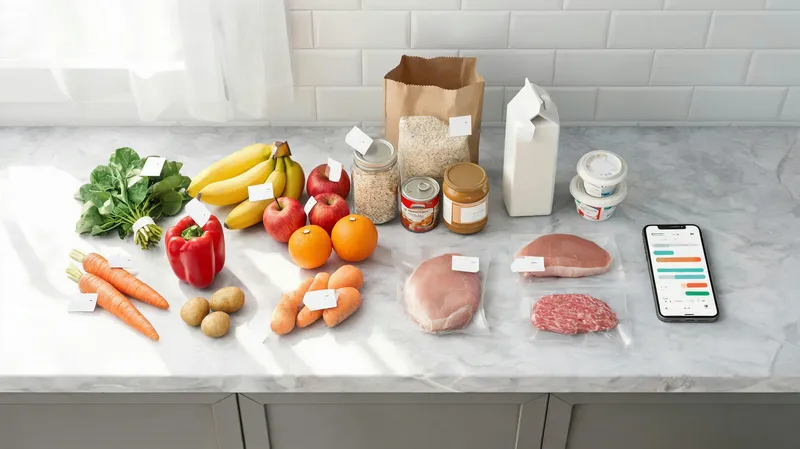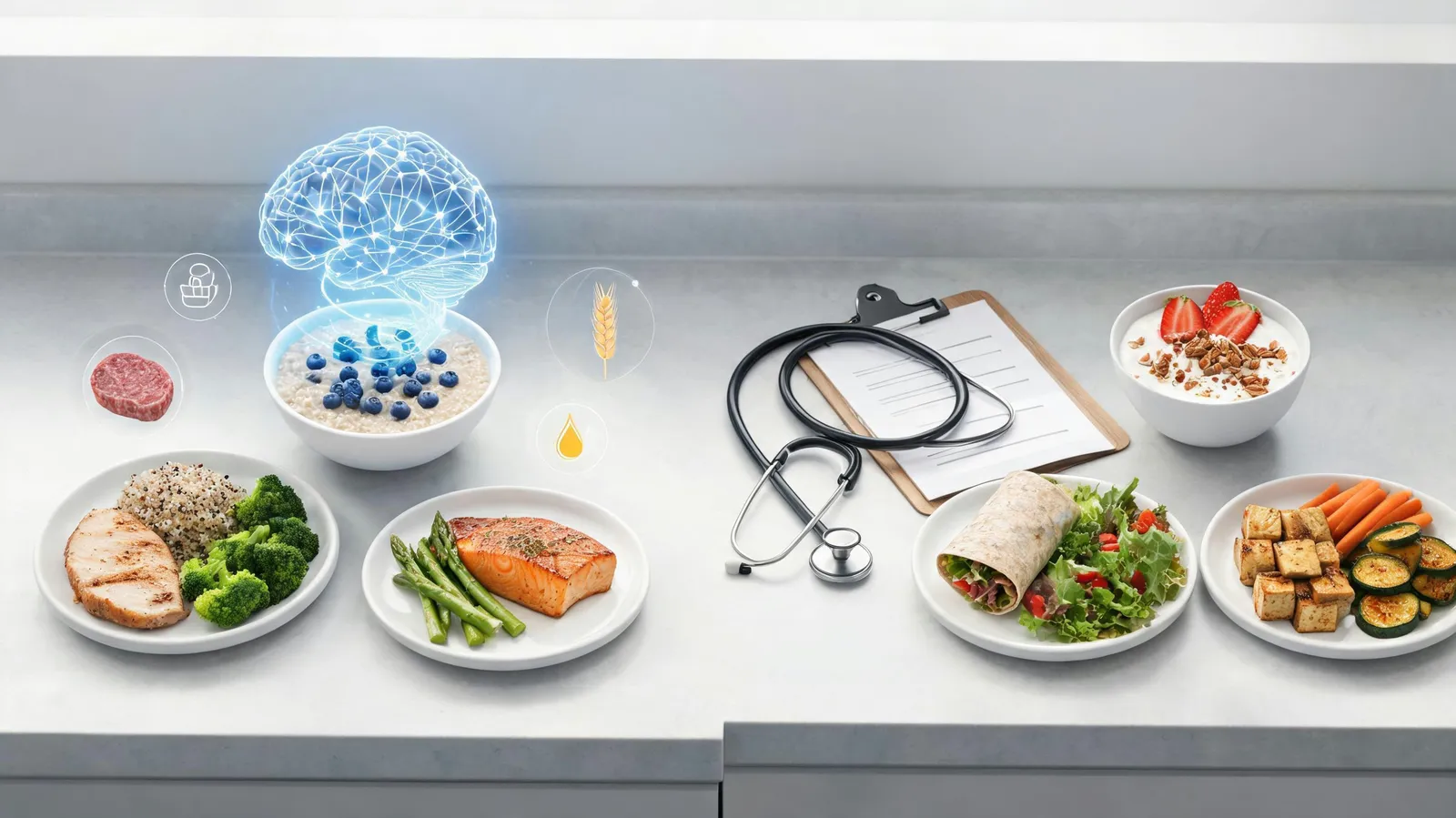
Artificial-intelligence health tools have become a routine part of how millions of people plan what they eat. Against that backdrop, a practical question arises: do algorithm-built menus match the nutritional completeness and clinical results of plans crafted by registered dietitians? Human-designed plans remain the benchmark, yet they demand considerable professional time and do not scale easily. AI, by contrast, can personalize at volume, though questions persist about micronutrient shortfalls and clinical soundness. The discussion below weighs the two approaches on micronutrient gap detection, alignment with clinical guidance for chronic disease, and evidence on long-term adherence and health outcomes.
AI Menus Versus Dietitian-Designed Menus: A Side-by-Side Look
The aim here is a direct comparison of nutritional adequacy between machine-generated and human-designed meal plans.
Macronutrients and micronutrients: Research indicates that AI plans frequently hit macronutrient targets but, absent explicit constraints, can come up short on micronutrients such as vitamin D, B12, and iron. Dietitian-made plans tend to meet dietary reference intakes consistently, reflecting clinical training and individual assessment.
Personalization and flexibility: AI can adapt quickly to food preferences, allergies, and budget limits. Dietitians bring in behavioral and cultural considerations that algorithms may miss.
Finding and Fixing Micronutrient Gaps in Automated Planning
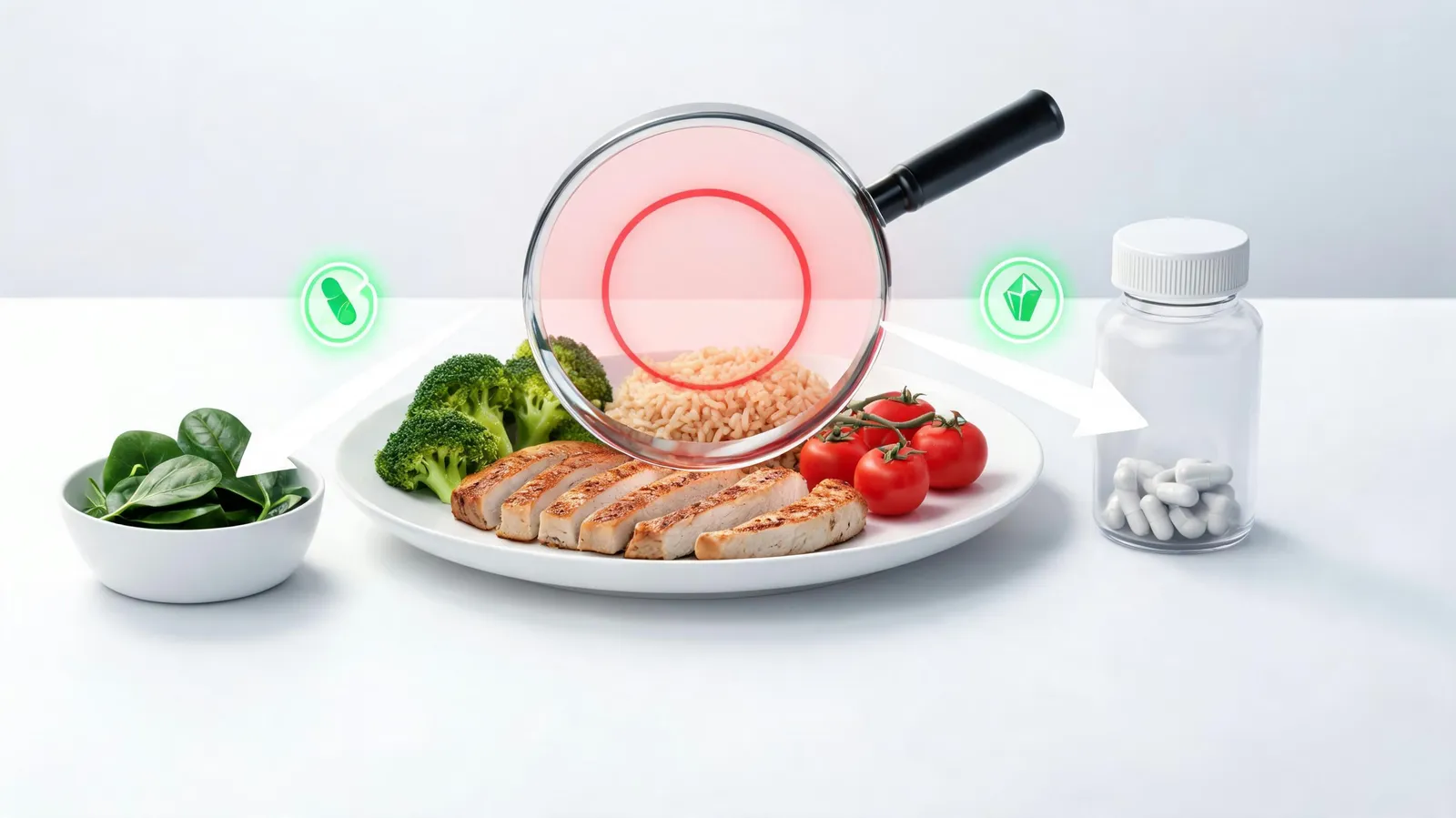
This section considers how AI systems can spot and remedy micronutrient deficiencies in meal plans.
Algorithms that flag gaps against dietary reference intakes: Machine-learning models trained on food-composition databases can identify likely shortfalls. One case study reported a 40% reduction in micronutrient gaps for an AI platform after feedback loops were added.
Correction approaches: fortification, supplements, and food swaps: When dietary sources fall short, AI can propose fortified foods or supplements. The section compares how effective these corrections are under AI versus dietitian interventions.
Alignment with Clinical Guidance for Diabetes, Hypertension, and Obesity
Here the focus is on how closely AI-generated plans follow evidence-based clinical guidance for managing chronic conditions.
Diabetes dietary recommendations (carbohydrate control, glycemic index, and similar): An analysis of AI plans against American Diabetes Association guidance found 70% compliance in a recent study. Dietitian plans show higher compliance, attributed to individualized integration of medical history.
Hypertension and obesity: sodium restriction, calorie control, and DASH patterns: AI can optimize several constraints at once but may offer less nuance in patient education. Examples illustrate AI incorporating DASH principles alongside user preferences.
Adherence Over Time and Health Outcome Measurement
The question here is whether AI-generated plans sustain adherence and improve health outcomes relative to dietitian-designed plans.
Adherence: AI versus human coaching: In a pilot study, AI users showed 15% higher adherence at three months, with the two groups similar at twelve months. Dietitian-led plans tend to fare better over the long run, credited to accountability and support.
Outcome measures: weight loss, HbA1c, blood pressure, and nutrient biomarkers: A meta-analysis found comparable improvements in HbA1c and weight loss with AI plans over six months. Long-term data remain sparse, and randomized controlled trials are still needed.
Conclusion
AI-generated meal plans show promise for scalability and personalization, but they can leave micronutrient gaps and may see lower long-term adherence without human support. Before broad clinical adoption, verifying nutritional adequacy and health outcomes is essential; hybrid models that pair AI with dietitian expertise may work best. Looking ahead, linking AI to electronic health records, real-time biomarker feedback, and continuous learning could help close gaps and improve results.