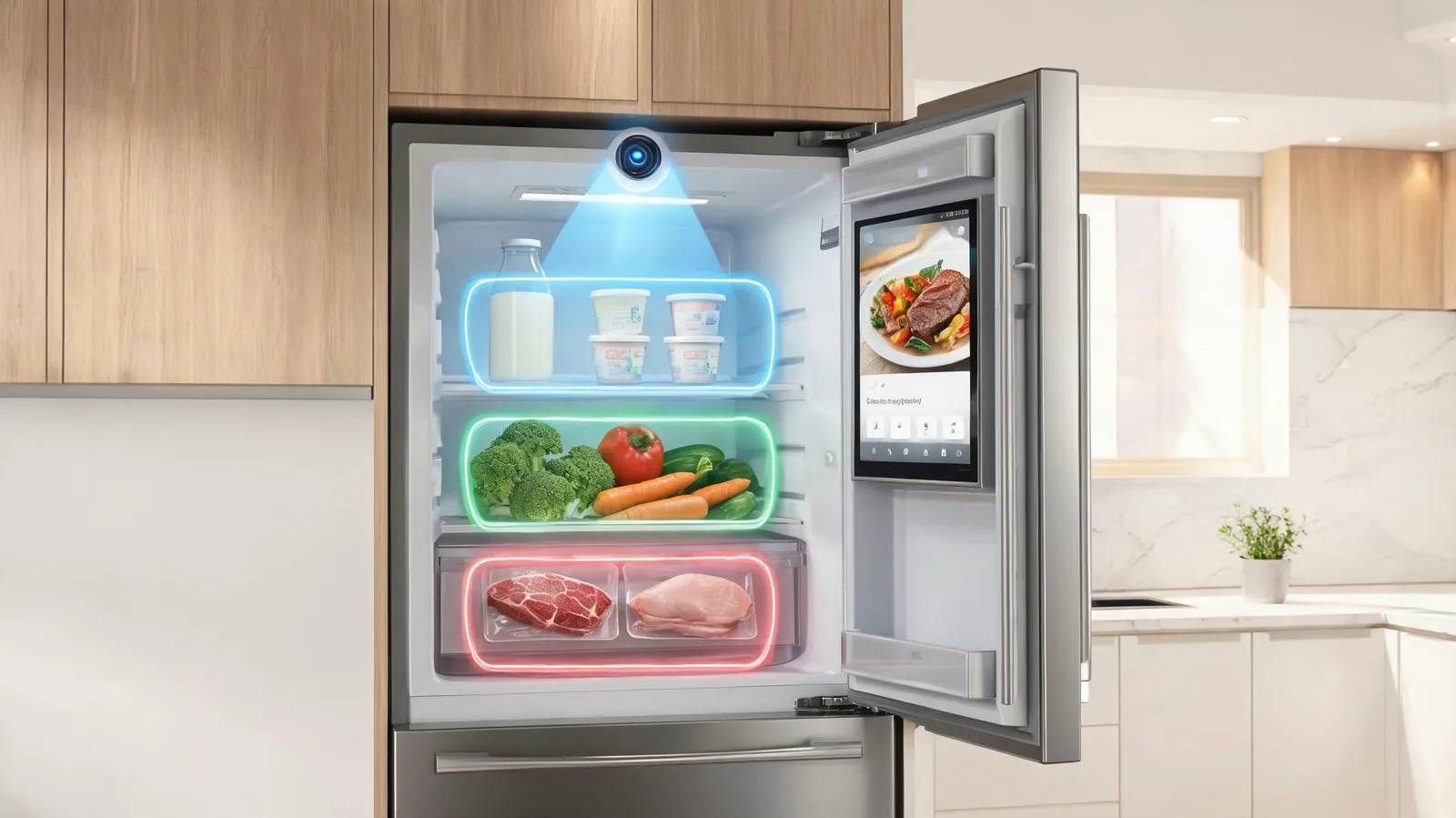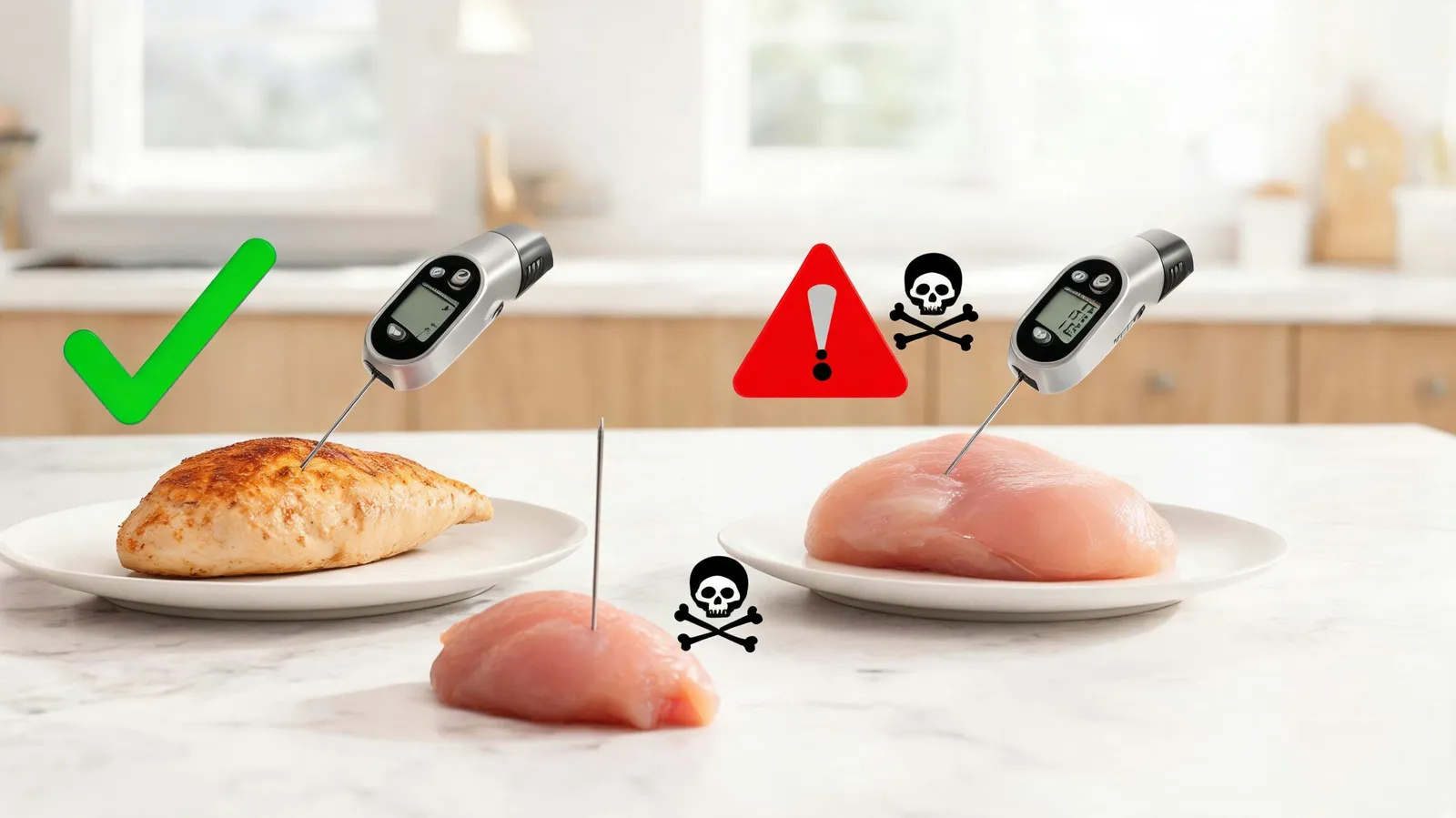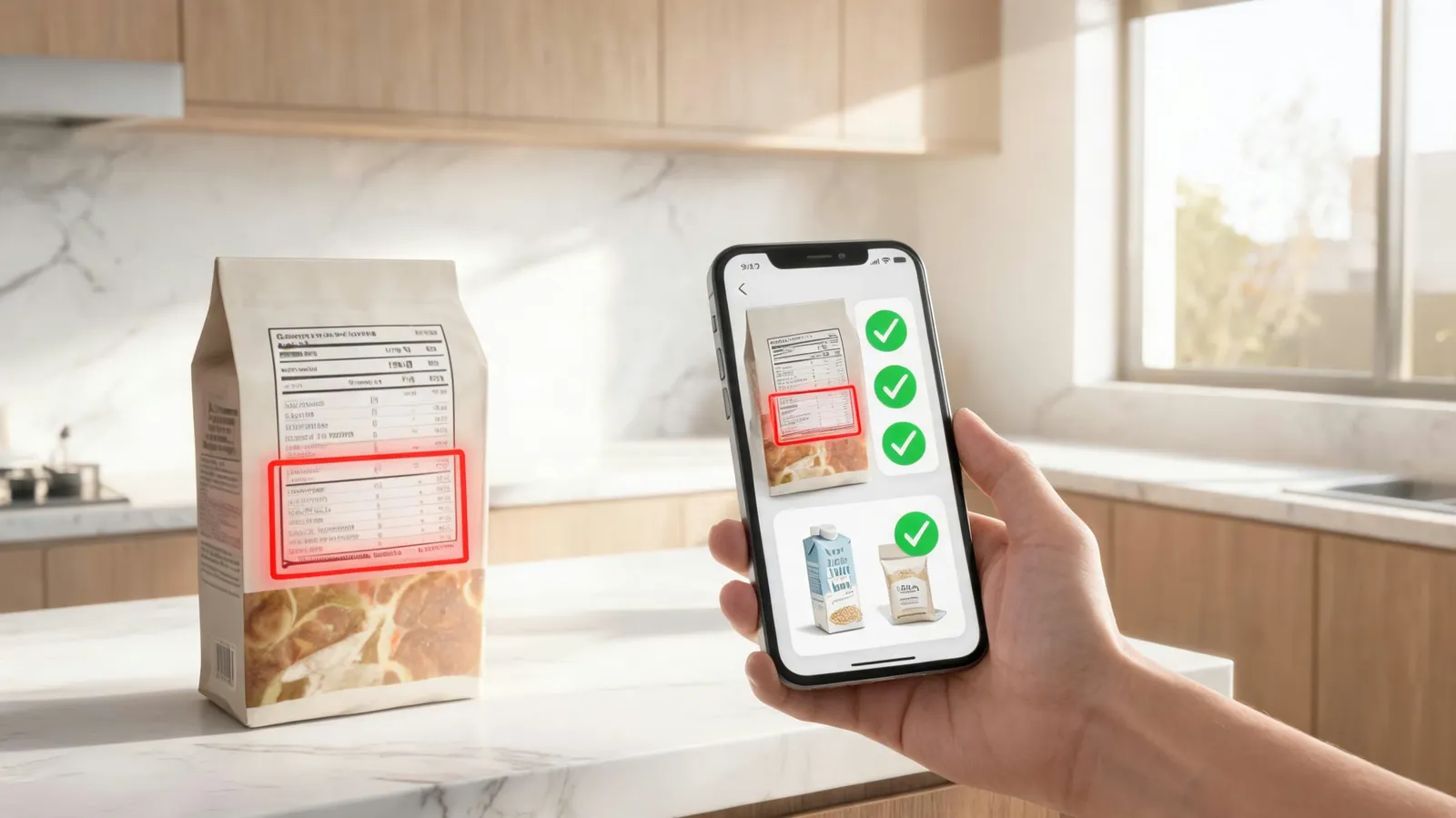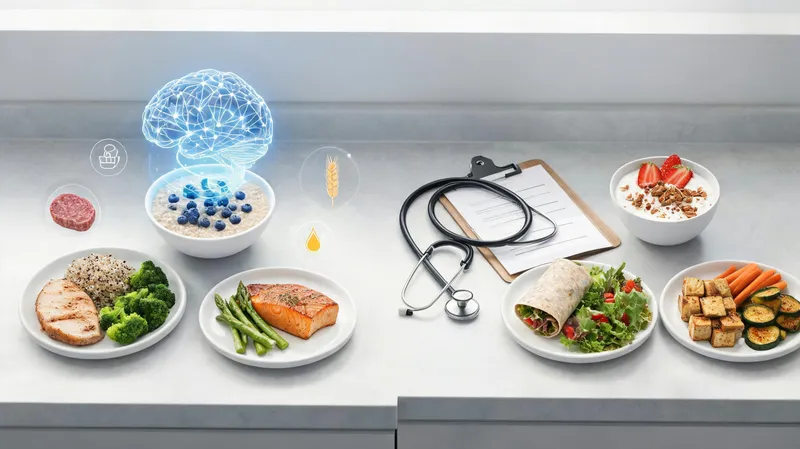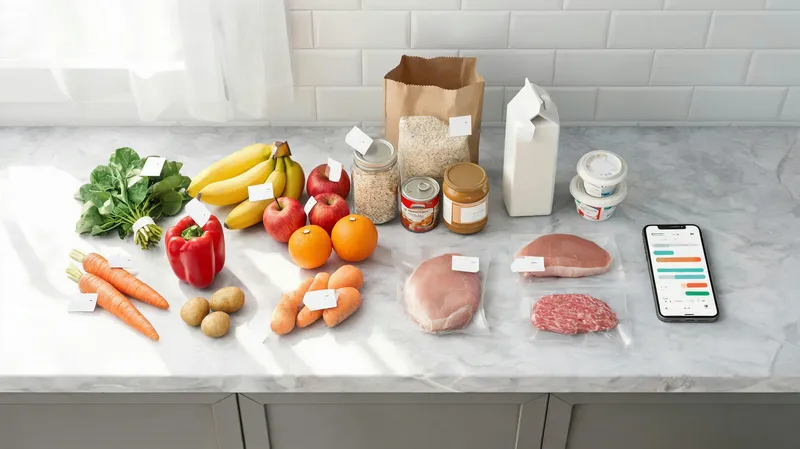
Artificial intelligence can now produce a tailored meal plan in moments, yet trusting it with health decisions raises important questions. Dietary guidance involves personal variability, cultural context, and ethical considerations that require caution as AI enters healthcare. The most reliable path forward is a partnership in which AI supports dietitians rather than replacing them, preserving safety, personalization, and professional accountability.
Dietitians as Reviewers in Hybrid Workflows
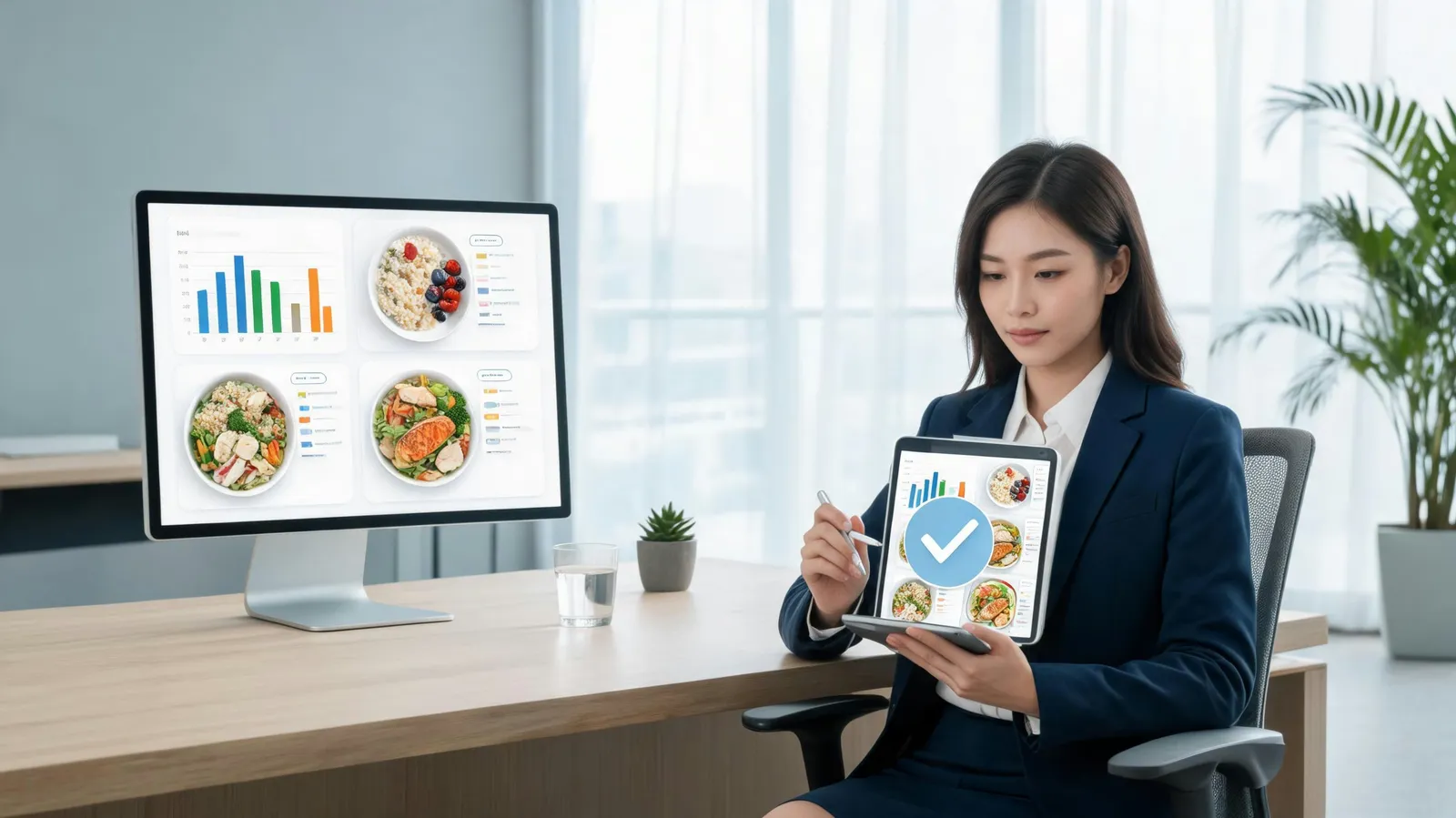
AI functions as a strong first-draft tool, processing user data to generate individualized meal plans efficiently at scale. This can save dietitians considerable time—research indicates a 50% reduction in the time needed to create plans—freeing them to concentrate on complex cases. In one scenario, an AI might propose a low-carbohydrate plan for a patient with diabetes, but a dietitian would adjust it to reflect medication interactions and cultural food preferences.
The dietitian’s review is essential: confirming nutritional adequacy, screening for allergies, and ensuring cultural suitability. Human oversight can identify AI mistakes, such as missing drug-nutrient interactions. Survey findings point to high levels of dietitian satisfaction with hybrid workflows, with respondents noting gains in efficiency and patient outcomes.
Explainable AI: Transparency as a Foundation for Trust
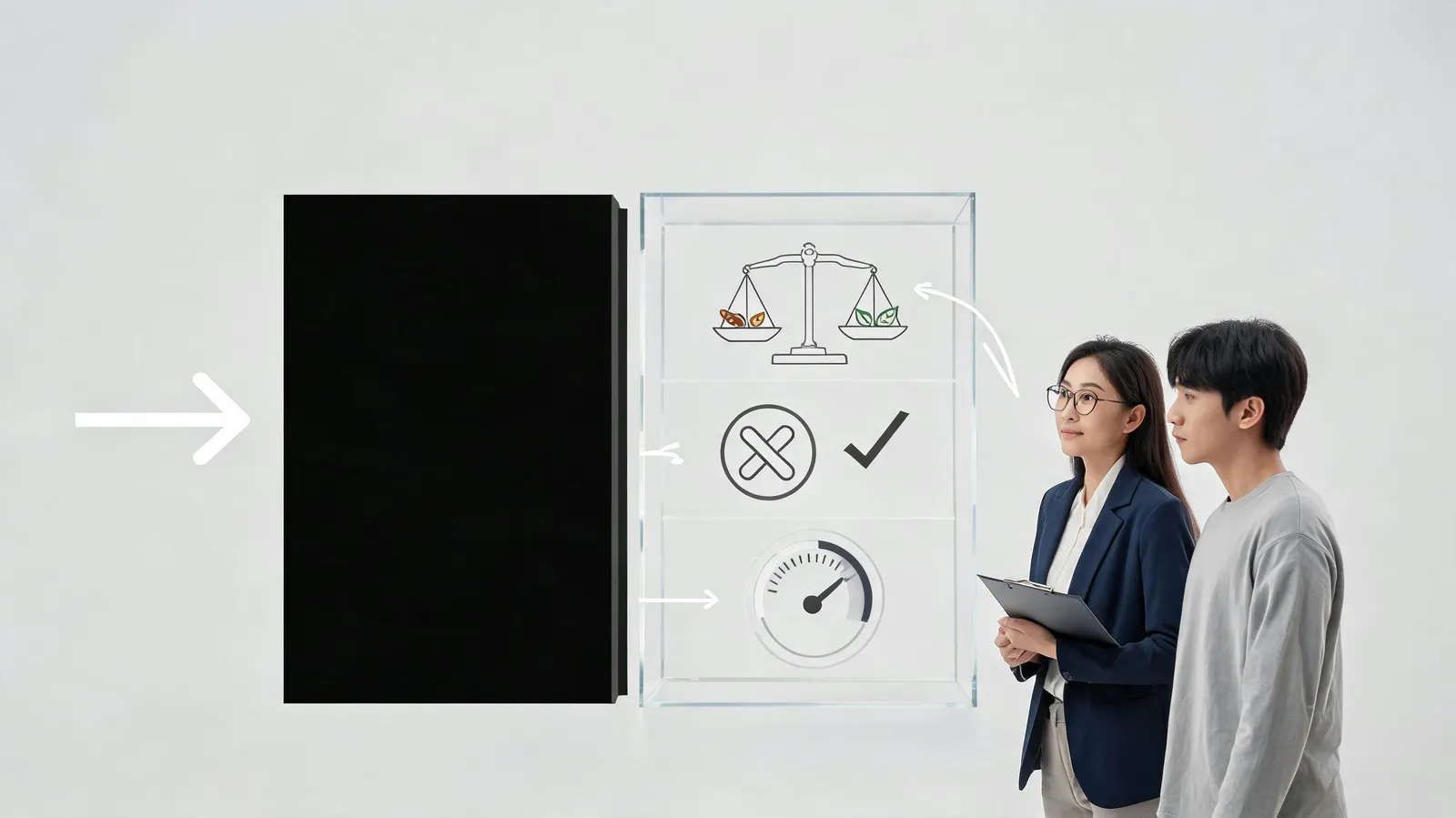
Explainable AI (XAI) offers the reasoning behind a recommendation, indicating which nutrients influenced a suggestion. Such transparency helps build trust among dietitians and users. Research shows that people are more inclined to follow AI advice when the reasoning is supplied. Putting XAI into dietetic tools involves technical methods such as LIME and SHAP, tailored for nutrition, as well as integrating dietitian input on interpretability features.
User Trust and Acceptance of Automated Dietary Guidance
Confidence in AI-generated nutrition advice depends on accuracy, transparency, personalization, and the credibility of the source. Surveys indicate that users are more willing to act on AI advice when a dietitian endorses it. Applications that pair AI with access to dietitian chat, such as Noom and MyFitnessPal with dietitian features, show higher adherence. Approaches to boost acceptance include education, phased introduction, and human-in-the-loop systems.
Liability and Accountability in AI-Assisted Nutrition
If AI offers harmful advice, who bears responsibility? The legal picture is still developing, and while regulatory frameworks such as the FDA and the EU AI Act address some gaps, they do not fully cover nutrition. Hybrid workflows with dietitian oversight can reduce liability by ensuring professional review. Recommended practices include documentation and audit trails, along with consideration of professional liability insurance for dietitians who use AI.
Conclusion
Collaboration between humans and AI in nutrition supports safety, personalization, and accountability. Pairing AI efficiency with dietitian expertise can foster trust and improve health outcomes. Further research and regulation are needed to standardize this approach, so that AI can manage routine tasks while dietitians devote attention to complex cases.