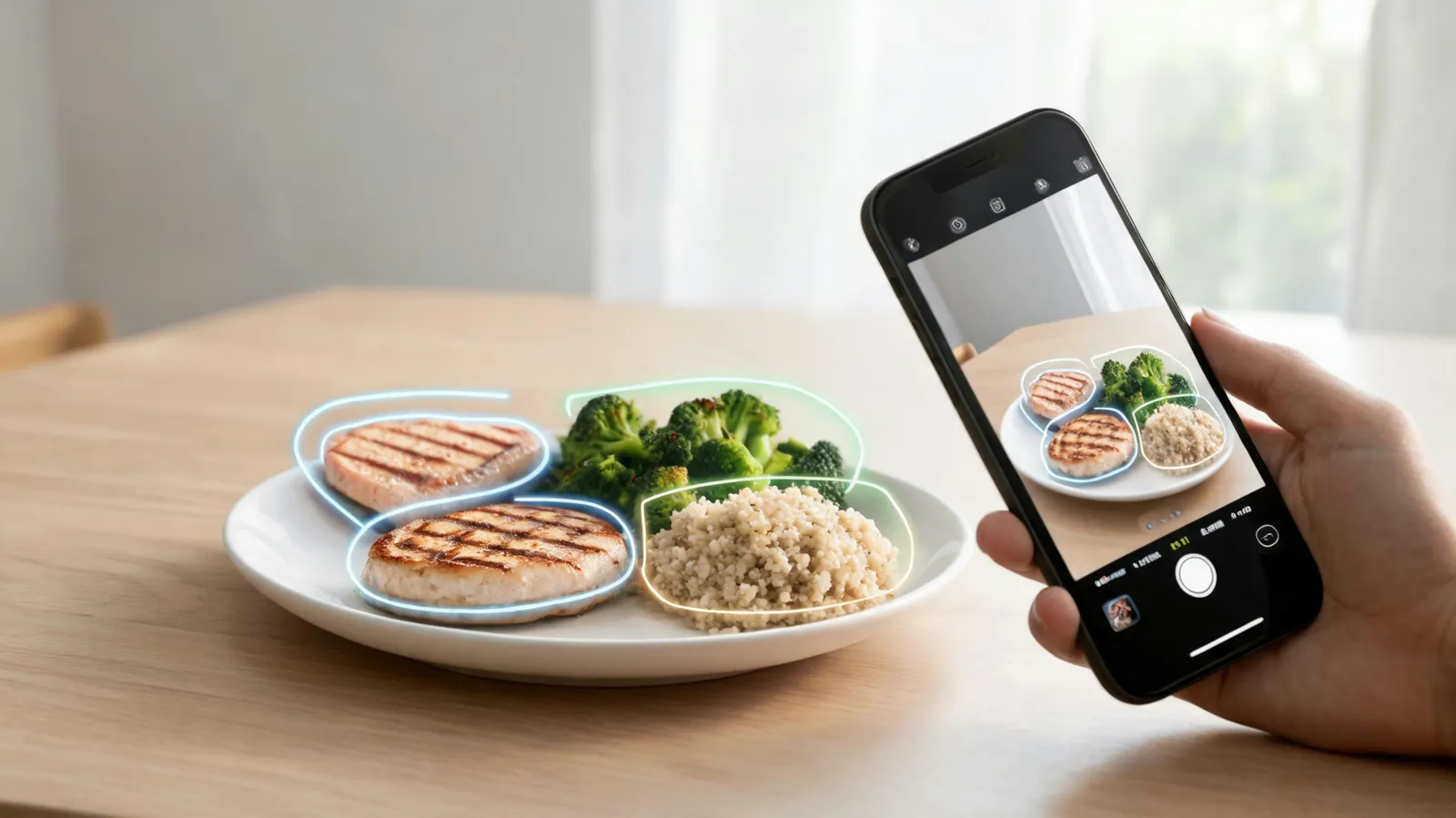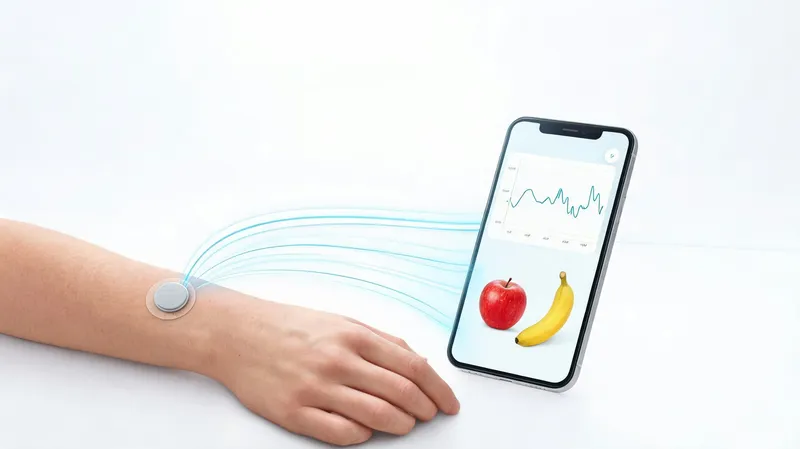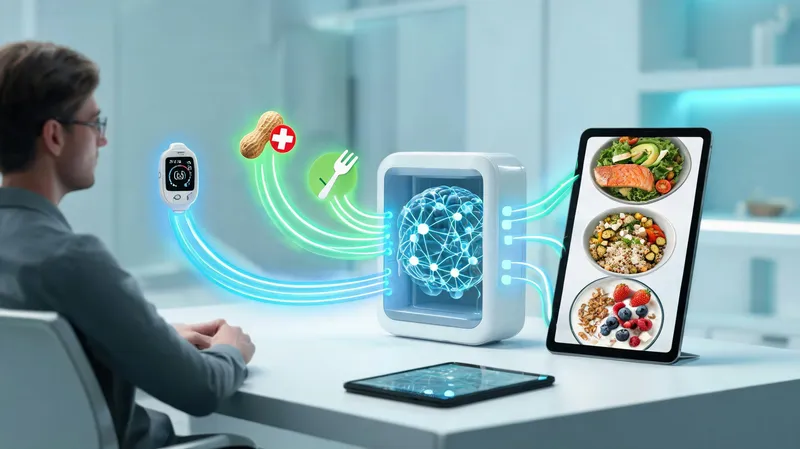
Imagine pointing your phone at a meal and getting an immediate breakdown of its calories and nutrients—without typing a single item. Manual dietary logging is often burdensome and inaccurate, and obesity along with diet-linked illnesses continues to rise worldwide. AI-driven food image recognition and nutrient estimation are bringing real-time dietary monitoring closer to reality, yet obstacles such as recognizing multiple foods, estimating portion sizes, and biases in training data must be resolved before accuracy can be widely trusted.
Deep Learning for Analyzing Meal Photos and Estimating Calories
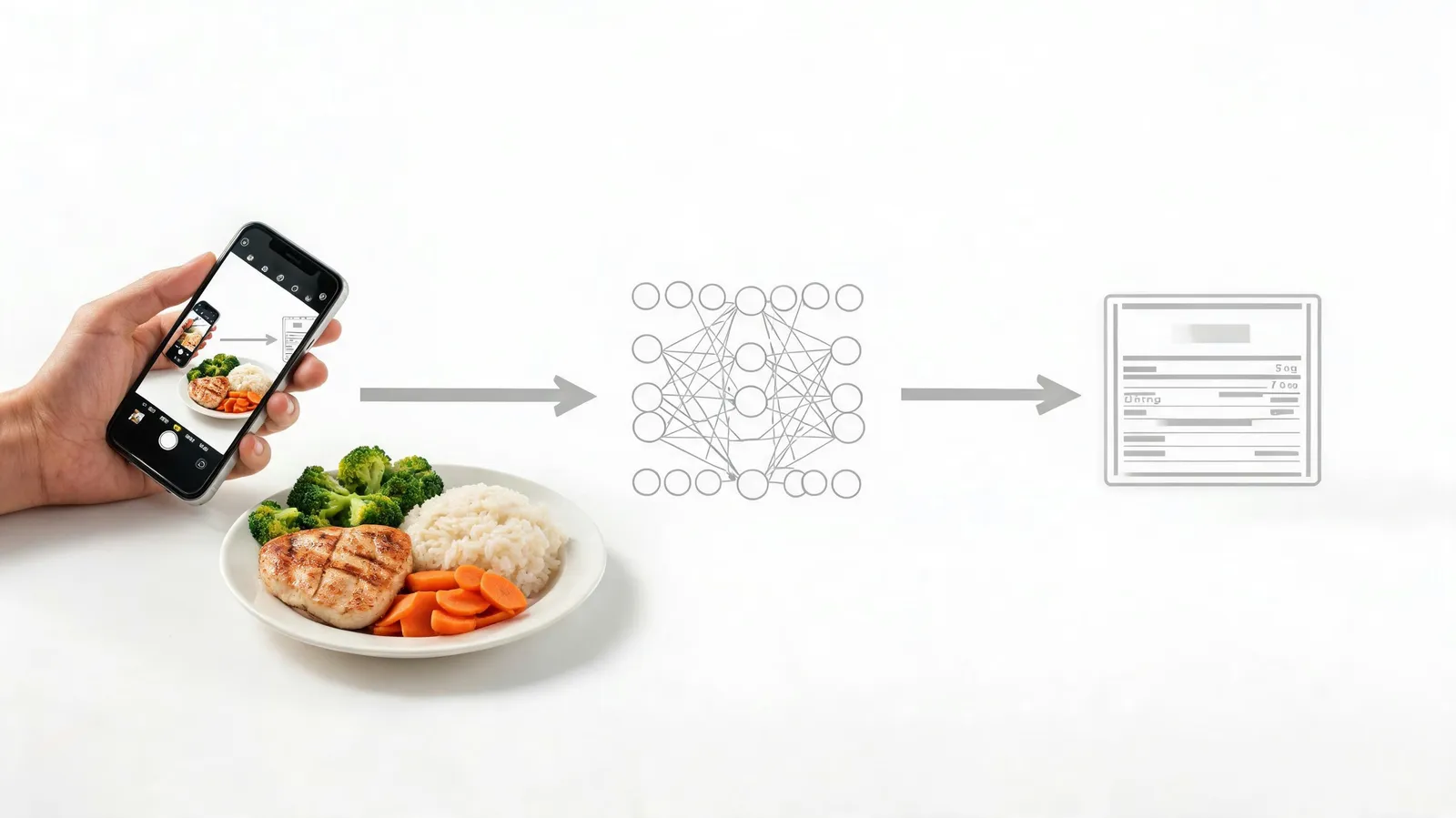
Convolutional neural networks (CNNs) and transformers have emerged as the core technology for identifying food in images. These models learn from extensive datasets, including Food-101 and Nutrition5k, to categorize dishes and predict calorie content. MyFitnessPal's meal photo feature, for instance, employs such models to offer immediate calorie estimates, with accuracy for single-food items reaching levels comparable to manual entry. A typical workflow spans image capture, preprocessing, feature extraction, and nutrient output; real-time inference is now achievable on mobile devices via optimized on-device processing or cloud-based APIs.
End-to-end systems that go from image capture to nutrient output are growing more advanced. On-device processing provides privacy and speed, whereas cloud-based solutions enable more complex models and ongoing updates. A case study of MyFitnessPal's feature indicates that users value the convenience, but accuracy declines for mixed dishes. Depth sensors and fiducial markers are being investigated to enhance portion estimation, though broader adoption still requires additional research.
Challenges in Multi-Food Recognition and Portion Size Estimation
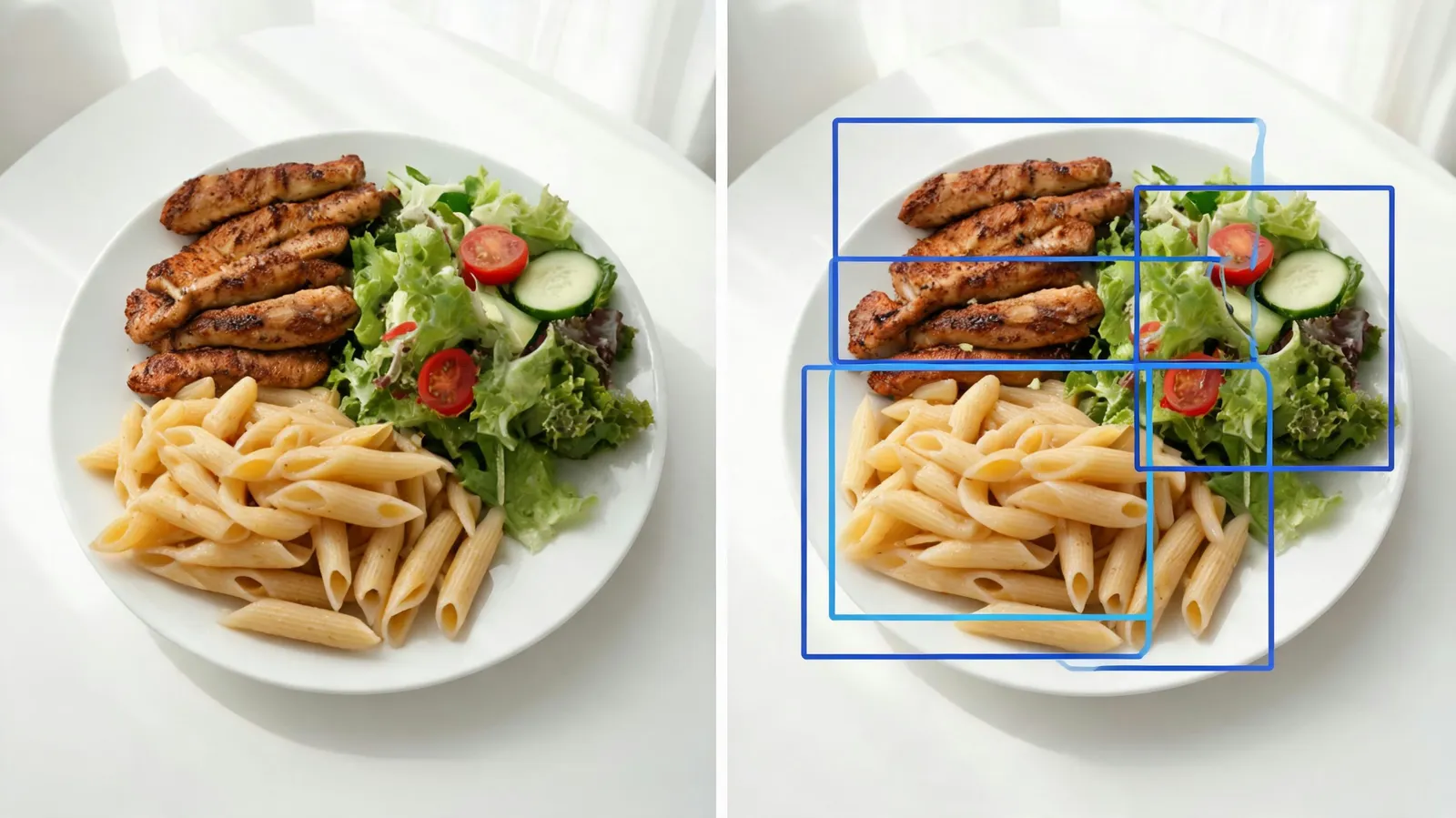
Recognizing multiple foods in one image remains a major obstacle. Overlapping items, mixed dishes, and unclear boundaries confuse even the most advanced models. A salad with numerous ingredients, for example, is frequently misclassified as a single item, resulting in inaccurate calorie counts. Multi-label classification methods are under development, but they struggle with complex meals. Portion size estimation is similarly difficult: without depth information or reference objects, 2D images offer limited cues. Studies report high error rates, sometimes above 50%, for estimating portions from photos. Possible solutions include fiducial markers (e.g., an object of known size in the frame) or 3D sensors, but these increase user effort.
Mobile Apps for Real-Time Dietary Tracking and Feedback
Widely used apps such as Lose It!, MyFitnessPal, and Calorie Mama employ AI food recognition for real-time tracking. These apps serve millions of users and connect with wearables and health platforms. Real-time feedback—such as nudges and alerts about nutrient gaps—has been shown to improve weight loss outcomes. AI-driven suggestions like 'add more protein' or 'reduce sodium' can influence behavior. Research suggests that real-time feedback boosts adherence to dietary goals, but accuracy problems can erode trust.
Accuracy, Bias, and Dataset Limitations in Food Image AI
Dataset bias is a major concern. Most food image datasets are Western-centric, such as Food-101, which contains predominantly Western dishes. As a result, performance on global cuisines suffers, and models fail to recognize underrepresented foods. Accuracy also declines under real-world conditions due to variations in lighting, angles, and cooking methods. Domain adaptation and data augmentation techniques are being developed to lessen these issues, but more diverse datasets are needed. A model trained on Food-101, for example, may misclassify an Asian dish as something else, underscoring the need for inclusive data collection.
Conclusion
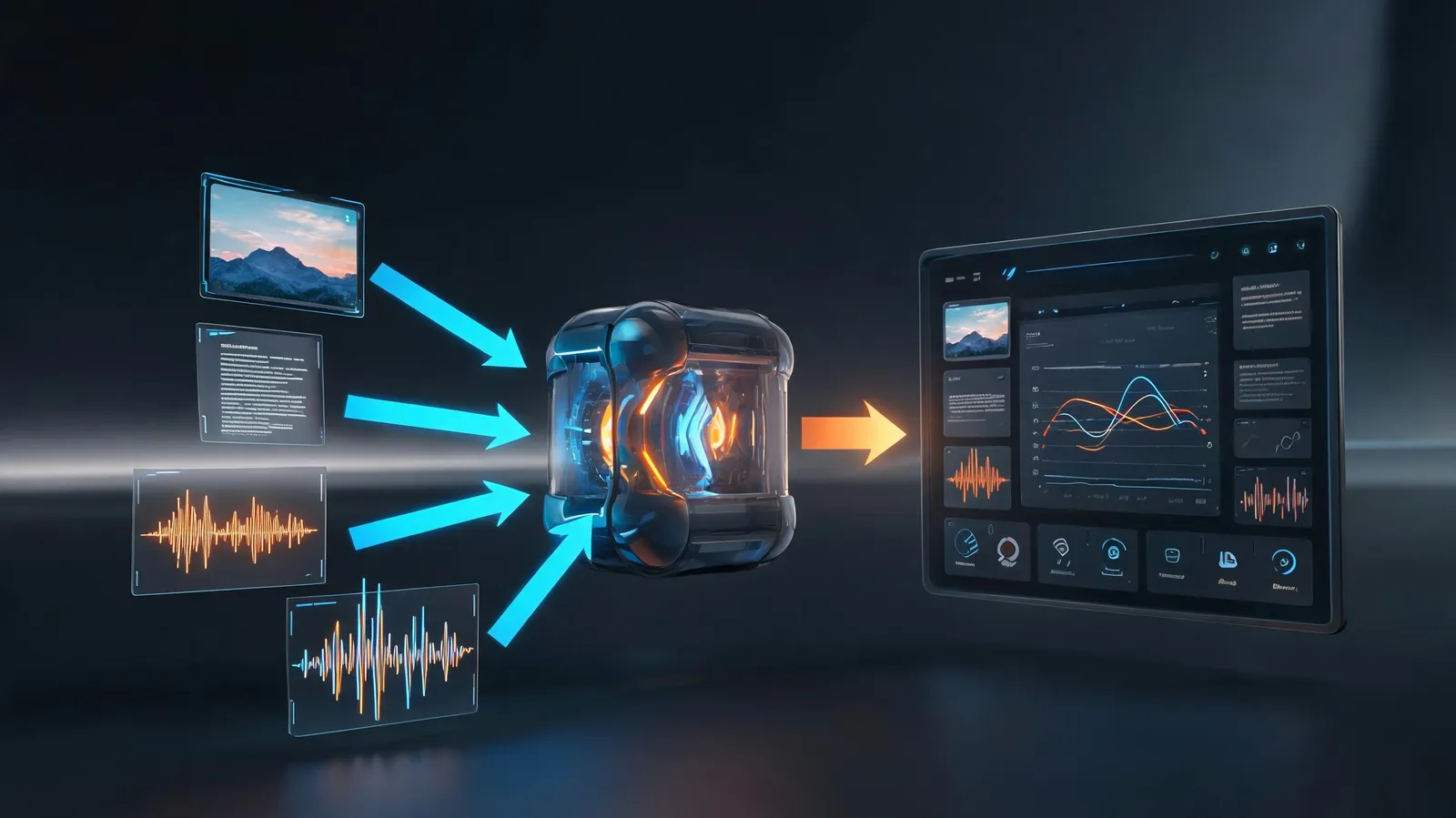
AI-powered food image recognition could transform dietary tracking and help counter diet-related diseases. However, challenges in multi-food recognition, portion estimation, and dataset bias must be addressed. Combining multimodal AI (text, image, sensor) with larger, more diverse datasets will pave the way for accurate, unbiased, and real-time nutrient estimation for everyone. As technology advances, we can look forward to a future where a simple photo provides comprehensive dietary insights, empowering individuals to make healthier choices effortlessly.