AI-Assisted Nutrition Care in Hospitals and Clinics
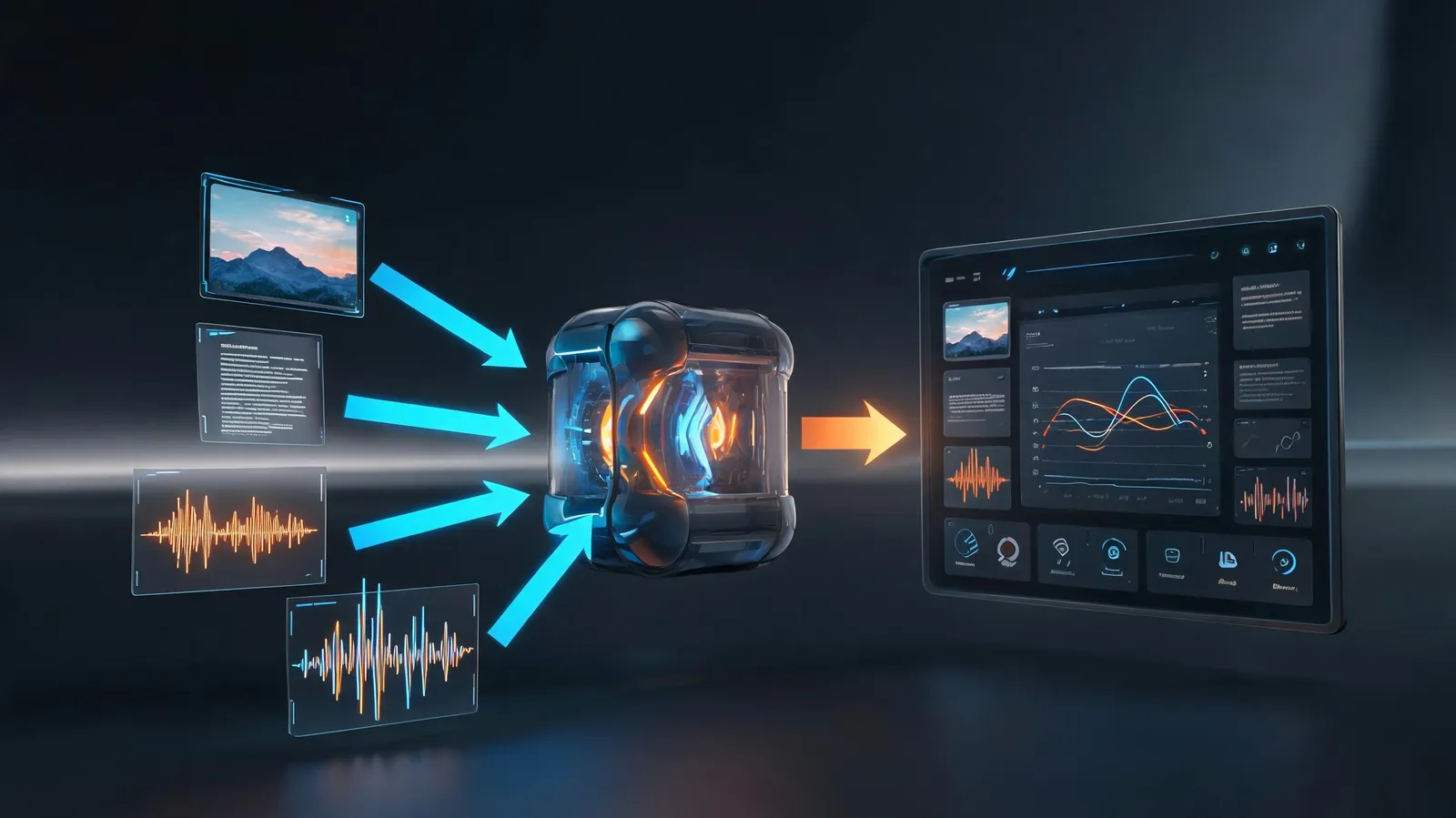
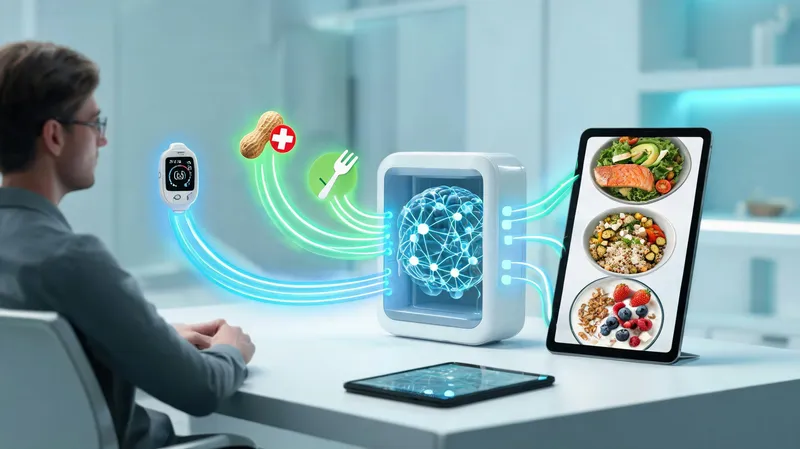
Malnutrition affects as many as half of hospitalized patients and is linked to longer hospital stays, more frequent readmissions, and higher mortality. AI-based clinical nutrition platforms are being deployed to address this by automating nutritional assessments, creating individualized meal plans, and connecting with electronic health records (EHRs).
A 2024 study in the Journal of Parenteral and Enteral Nutrition reported that AI-assisted nutrition protocols in intensive care units reduced malnutrition rates by 32% and cut ICU length of stay by an average of 1.8 days. Such systems draw on real-time patient data—lab results, medication lists, and dietary intake—to recommend specific macronutrient and micronutrient targets and to alert clinicians to potential deficiencies before they become severe.
EHR integration supports continuous monitoring and automatic adjustments. For example, if a patient's renal function worsens, the AI can promptly indicate the need to adjust protein and potassium intake, helping to keep care aligned with evidence-based guidelines. This can improve patient outcomes and free up dietitians' time for patient education and counseling.
Decision Support for Dietitians and Physicians

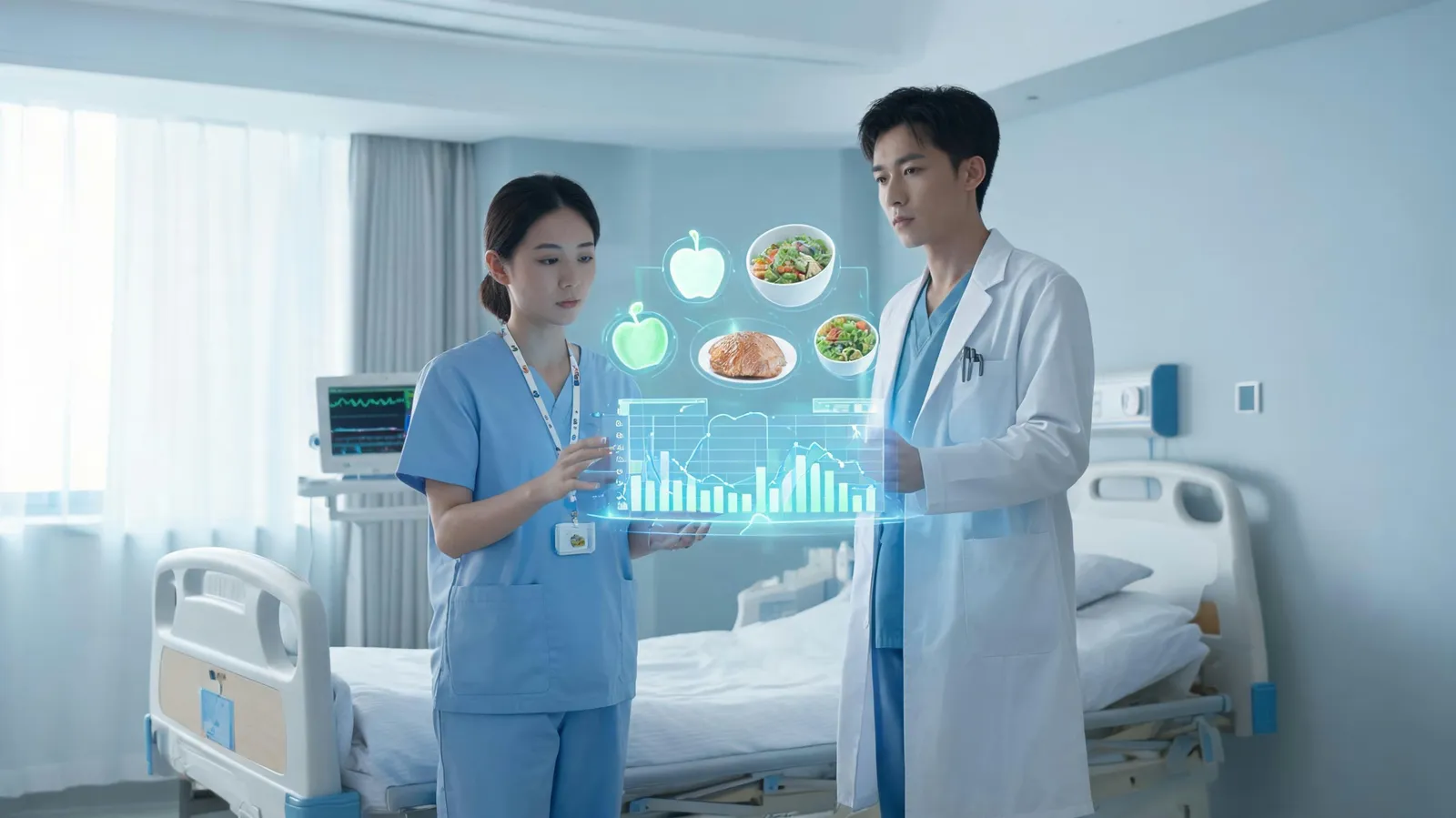
AI-powered clinical decision support systems (CDSS) are increasingly used by healthcare professionals managing complex nutrition cases. These tools analyze large datasets—ranging from patient records to current research—to offer real-time recommendations for nutrition diagnosis and intervention. A 2023 systematic review in Nutrients found that AI-driven CDSS improved the accuracy of identifying nutritional deficiencies by 45% and reduced clinicians' time spent on manual calculations by 60%.
Predictive analytics adds another layer by stratifying patient risk. An AI model developed at the Mayo Clinic, for instance, can predict 30-day readmission risk based on nutritional status, supporting proactive steps such as more intensive outpatient counseling or home-delivered meals. This can improve resource allocation and help dietitians prioritize high-risk patients.
Nutrition Interventions for Cardiovascular Disease and Obesity
Cardiovascular disease (CVD) and obesity are among the most common chronic conditions in which AI-driven nutrition interventions are showing measurable effects. For CVD management, AI algorithms can generate personalized dietary plans aimed at optimizing blood pressure and cholesterol levels. A 2024 randomized controlled trial in the American Journal of Clinical Nutrition found that patients using an AI-guided DASH diet adherence app had a 12% greater reduction in systolic blood pressure than those receiving standard care.
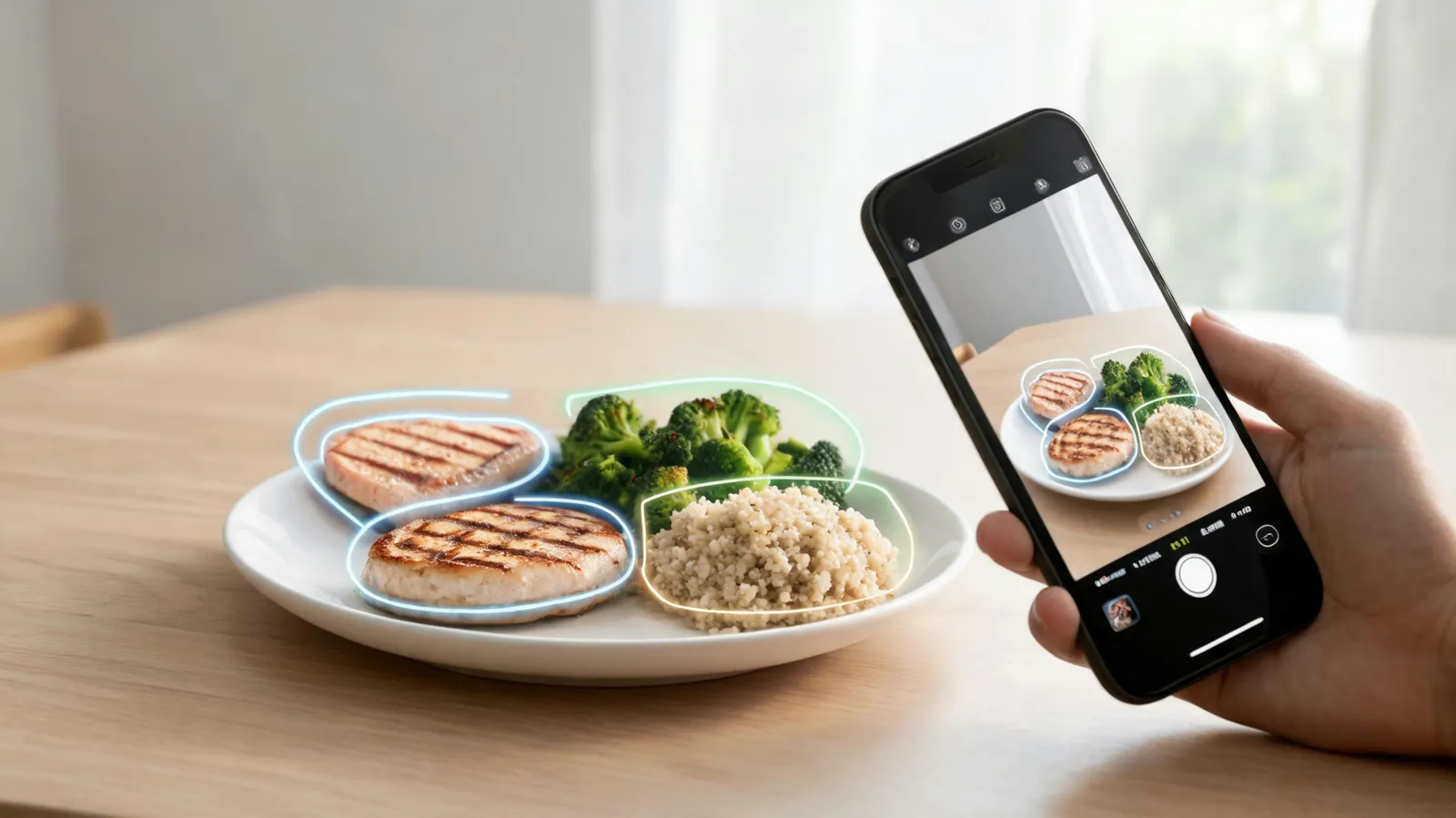
In obesity management, AI-powered behavioral nudges and real-time feedback are changing how patients adhere to plans. Mobile apps with AI coaches analyze dietary intake, physical activity, and even sleep patterns to deliver personalized suggestions. A 2023 study in Obesity reported that participants using an AI coaching app lost 7.2% more body weight over 12 months than a control group, with notably higher engagement. These tools can also help prevent relapse by spotting patterns that precede weight regain and offering timely interventions.
Remote Monitoring and Telehealth Nutrition Care
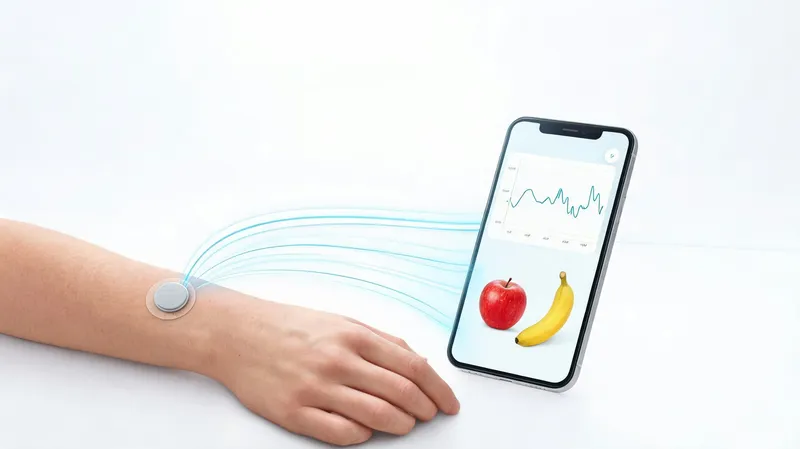
Telehealth has expanded the reach of AI in nutrition care, making continuous monitoring and support possible beyond traditional clinical settings. Wearable devices and mobile apps now let patients track dietary intake, blood glucose, and other biomarkers in real time. For diabetes management, AI-powered remote monitoring has been associated with better glycemic control: a 2024 study in Diabetes Care reported a 0.8% reduction in HbA1c among patients using an AI-driven remote nutrition platform, compared with 0.3% in the usual care group.
AI-powered chatbots and virtual coaches further extend nutrition counseling by providing 24/7 support and answering common questions. Patient satisfaction appears high; a 2023 survey found that 85% of users considered AI chatbots helpful for managing their diet. These tools can be particularly useful for patients in rural or underserved areas where access to registered dietitians may be limited.
Conclusion
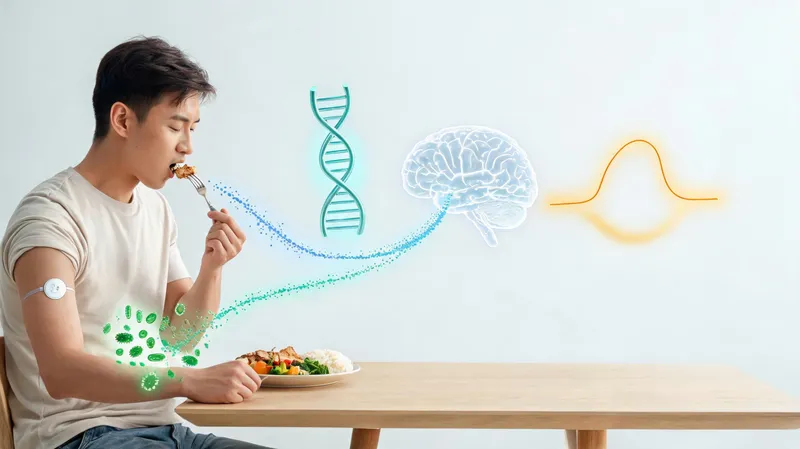
AI is not replacing dietitians and physicians but augmenting their expertise, enabling more personalized, proactive, and scalable nutrition care. From hospitals to homes, AI clinical nutrition tools are improving outcomes for chronic diseases such as cardiovascular disease and obesity, supporting adherence, and reducing healthcare costs. As AI integrates with genomics, microbiome data, and predictive analytics, the future may bring truly personalized nutrition that adapts to each patient's unique biology and lifestyle. The intelligent plate is no longer a vision—it is a reality transforming clinical practice.