Introduction
Even though most people understand what constitutes healthy eating, more than 40% of adults have difficulty sustaining dietary changes. Conventional dietary-change programs frequently fall short because they are neither personalized nor able to respond in real time. Pairing behavioral science with AI-driven interventions can offer a scalable and effective way to encourage durable dietary behavior change. This article looks at four domains where AI is producing measurable results: conversational coaching, gamification and nudging, relapse prediction, and ethical persuasion.
1. Conversational Agents and Chatbots for Nutrition Coaching
AI-powered conversational agents can deliver personalized nutrition coaching around the clock. Chatbots, unlike human coaches, are able to engage users at any hour and give immediate feedback and encouragement. Research indicates that users who interact with AI nutrition coaches adhere better to dietary plans, and engagement metrics point to higher retention rates than those seen with static apps. Natural language processing (NLP) lets these agents respond with empathy, so interactions feel more human. A chatbot might say, for instance, “I understand that cravings can be tough. Let’s find a healthy alternative together.” Responses like this can boost motivation and help build trust.
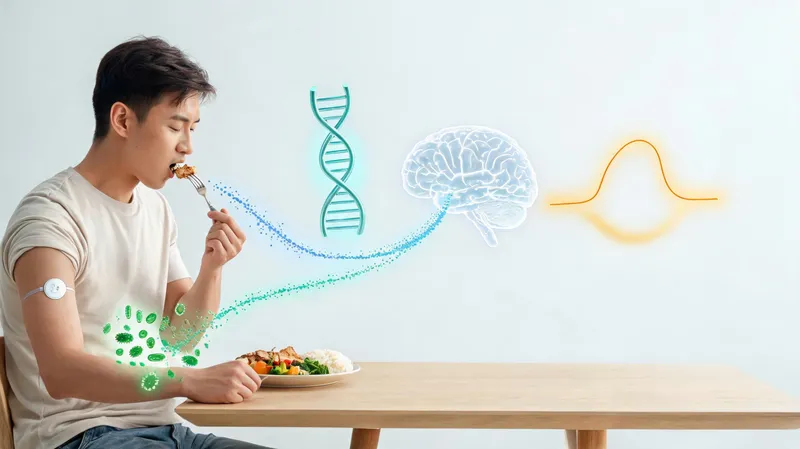
In addition, AI chatbots can connect with wearable devices to monitor real-time data and offer context-aware suggestions. Achieving this degree of personalization is difficult with traditional methods, which makes AI a transformative force in dietary behavior change.
2. Gamification and Nudging Strategies Powered by AI
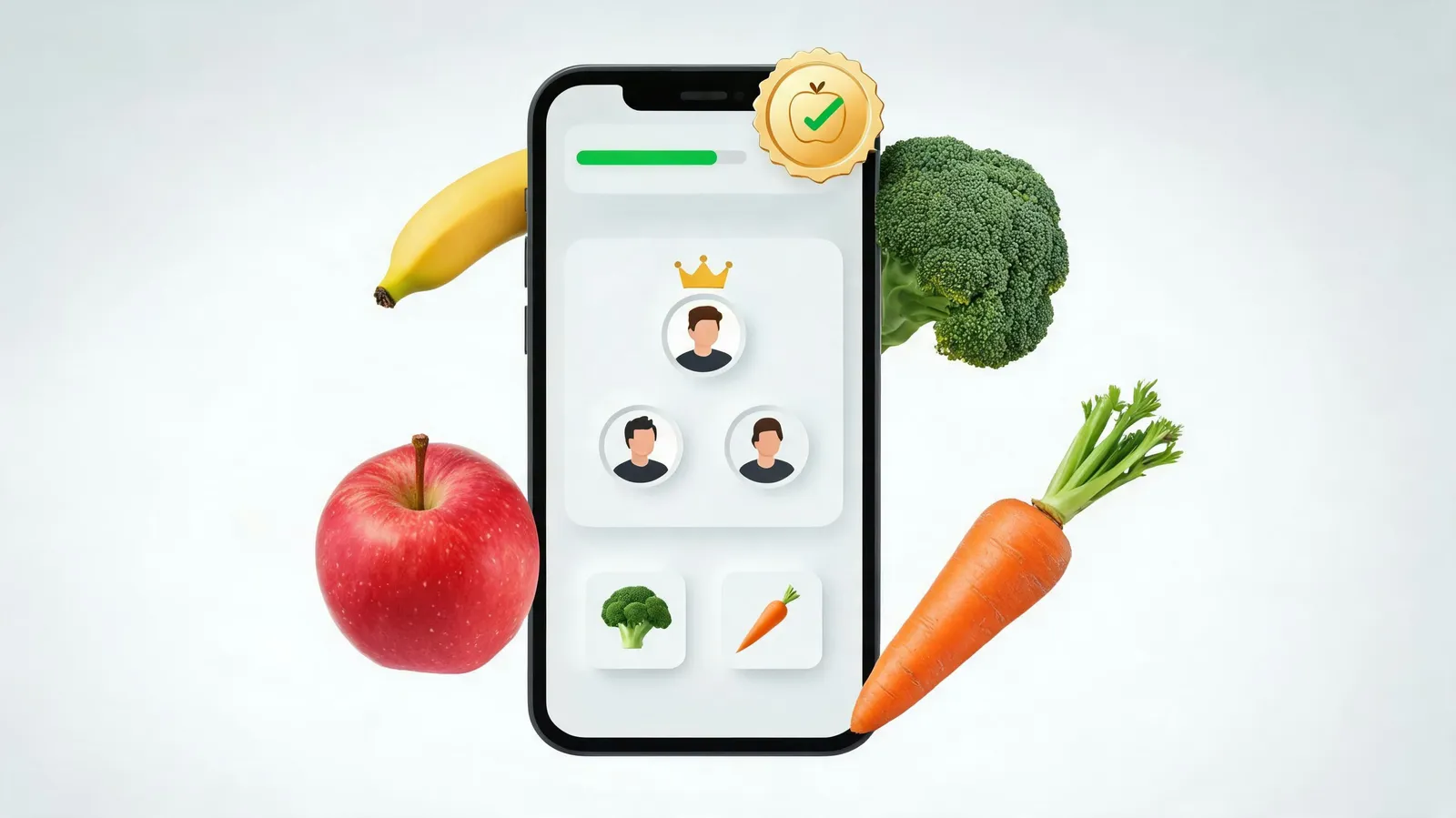
Gamification and nudging are well-established behavioral science techniques that AI can personalize at scale. Common gamification elements such as points, badges, and leaderboards help increase engagement. Case studies of gamified apps like Fitbit and MyFitnessPal show that users who take part in challenges and earn rewards tend to raise their fruit and vegetable intake. AI goes a step further by analyzing user behavior to deliver just-in-time adaptive interventions. If a user typically snacks on unhealthy foods in the afternoon, for example, the AI might send a nudge suggesting a healthy alternative shortly before that time. Data indicate that such personalized nudges can cut unhealthy snacking by up to 30%.
AI can also scale the difficulty of challenges to match user progress, keeping users motivated without making them feel overwhelmed. This kind of dynamic personalization is central to sustaining behavior change over the long term.
3. Predicting and Preventing Dietary Relapse Using Behavioral Data
Relapse is a major hurdle in dietary behavior change. By analyzing behavioral data, AI can predict and help prevent relapse. Machine learning models can spot patterns that come before a relapse, such as skipped meals or elevated stress levels. These models can predict relapse with high accuracy, sometimes above 80%, which allows for early intervention. Just-in-time adaptive interventions (JITAIs) are then triggered to offer support at precisely the moment it is needed. A user might receive a message such as: “I noticed you’ve been stressed lately. Remember your goal to eat more veggies? How about a quick salad recipe?” Studies on JITAIs show that they are effective in preventing relapse and improving long-term adherence. User testimonials underscore the value of timely support, with many reporting that it helped them stay on track.
4. Ethical Persuasion and User Autonomy in AI Nutrition Coaching
As AI becomes more persuasive, ethical considerations come to the forefront. Balancing persuasion with user autonomy is crucial. Ethical frameworks emphasize informed consent and transparency. Users should know how their data is used and have control over the level of persuasion. Avoiding manipulation and respecting user values are essential. For instance, an AI coach should not shame a user for eating a donut but rather guide them back on track without judgment. Case studies of ethical dilemmas highlight the importance of best practices from behavioral science, such as using positive reinforcement rather than coercion. By adhering to ethical principles, AI nutrition coaching can empower users rather than manipulate them.
Conclusion
AI and behavioral science are transforming dietary habits by delivering personalized, scalable, and timely support. Conversational agents provide 24/7 coaching, gamification and nudging boost engagement, predictive analytics help prevent relapse, and ethical persuasion respects user autonomy. The potential of AI to scale personalized dietary interventions is immense. Looking ahead, combining AI with wearable devices and real-time biometric data will make behavior change even more precise. As these technologies advance, they hold the promise of making sustainable healthy eating achievable for millions.