Consumer Views on AI-Generated Recipes: More Than a Gimmick
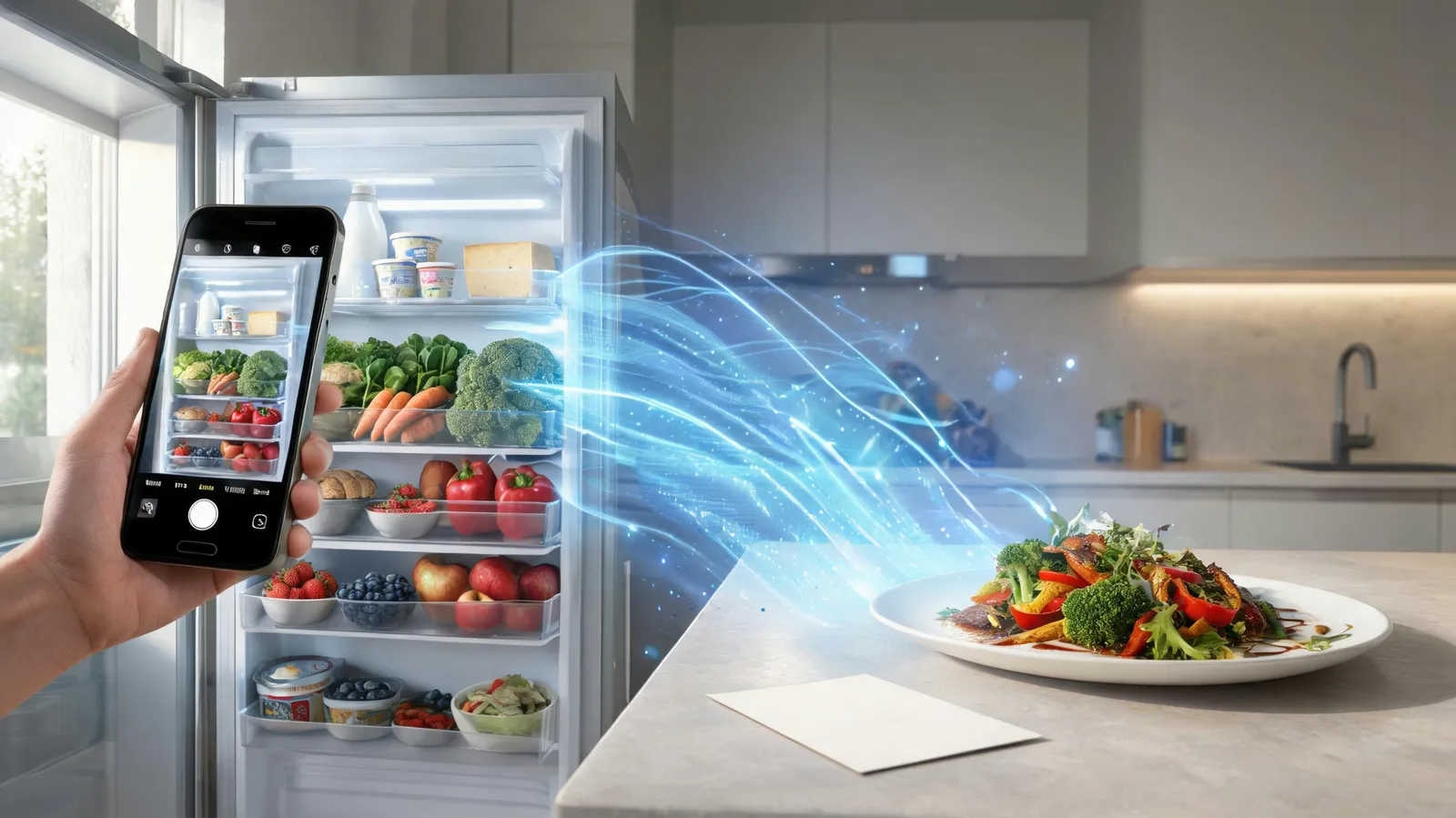
When algorithms first started producing recipes, reactions ranged from eager experimentation to outright doubt. Some early users readily tried machine-generated dishes, while others wondered whether software could grasp flavor, texture, and culinary tradition. A 2024 survey by the Food Tech Association found that 62% of US consumers were open to trying AI-created recipes, yet only 28% would rely on one for a special-occasion meal. That disparity reveals a key hurdle: curiosity alone does not ensure lasting use.
Hesitation often stems from questions of creativity and authenticity. The Culinary Institute of America conducted a study comparing dishes from professional chefs with those generated by AI. AI recipes rated well on novelty and speed but fell short on perceived authenticity and emotional resonance. Consumers frequently called them "clinical" or said they were "missing soul." Yet when AI systems factored in individual preferences and cultural context, satisfaction rose by 40%. This indicates that trust depends not solely on the source but on how well the AI understands the person using it.
Transparency and Explainability: Essential for Trust
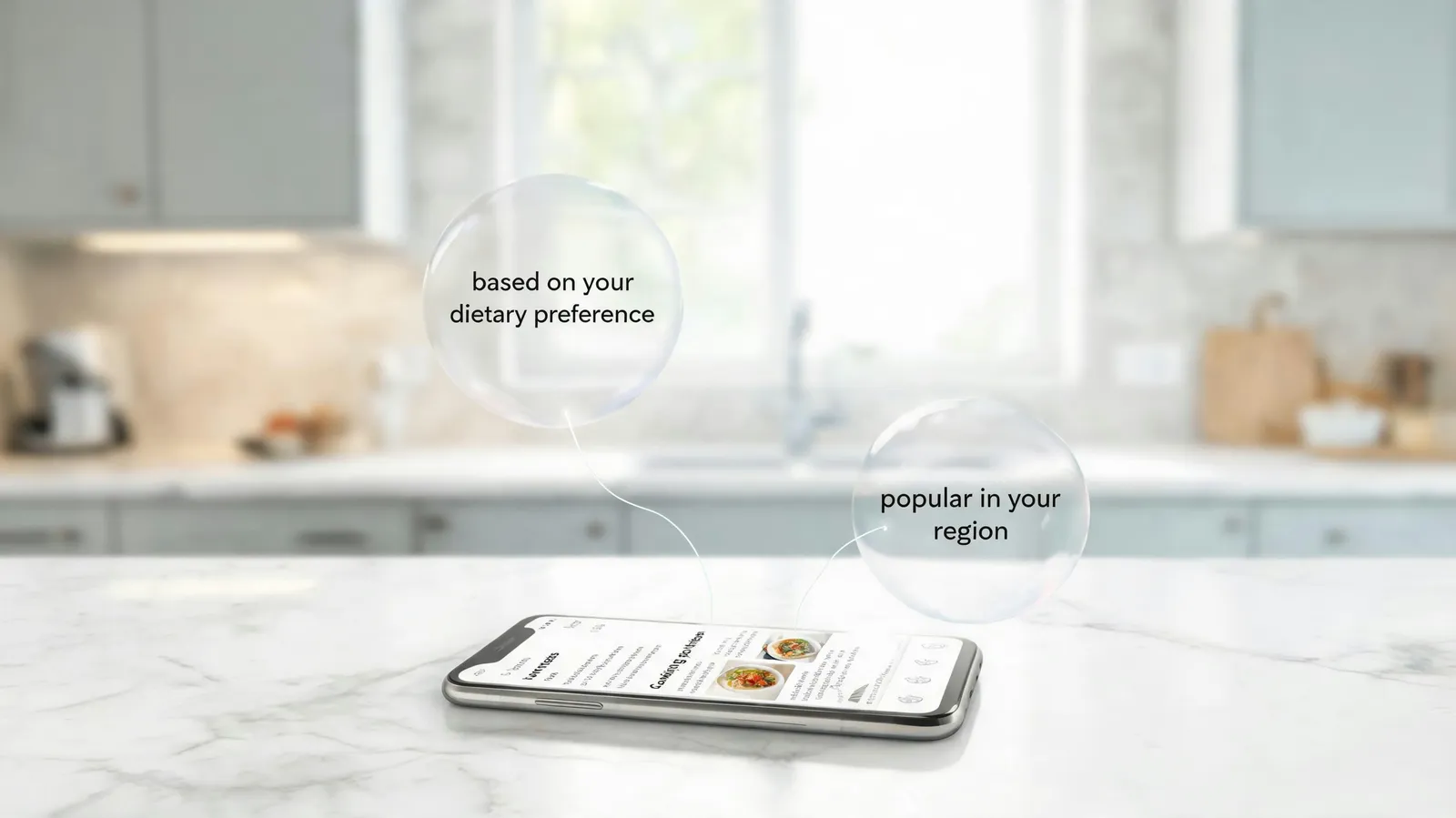
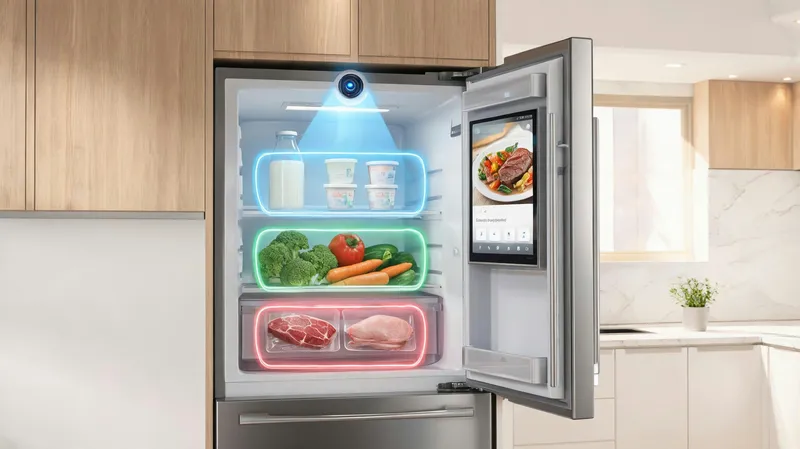
Clear explanations and open practices are more than fashionable terms—they underpin consumer confidence in AI. When an AI cooking assistant suggests a dish, users want to understand the reasoning. Explainable AI (XAI) offers justifications, such as "this recipe is high in protein because you logged a workout today" or "this dish is popular in your region." A 2023 study in the Journal of Human-Computer Interaction reported that clear explanations raised user trust by 35% and doubled adoption rates.
Being open about data sources and algorithmic choices matters just as much. Apps that reveal how they use personal information—dietary restrictions or past ratings, for example—gain credibility. By contrast, opaque privacy policies weaken trust. In 2024, a well-known AI recipe app faced user backlash after it was discovered that health data had been shared with third parties without explicit consent. The episode caused a 20% drop in active users. Clearly, transparency is essential for sustained adoption.
What Drives Trust in AI Cooking Assistants and Apps
Accuracy and reliability rank highest among trust factors. A review of 10 popular AI cooking apps found error rates in recipe instructions—such as incorrect measurements or cooking times—between 5% and 15%. Some users may overlook small mistakes, but repeated errors quickly erode confidence. Apps that consistently deliver dependable results, including those that incorporate real-time user feedback, tend to retain more users.
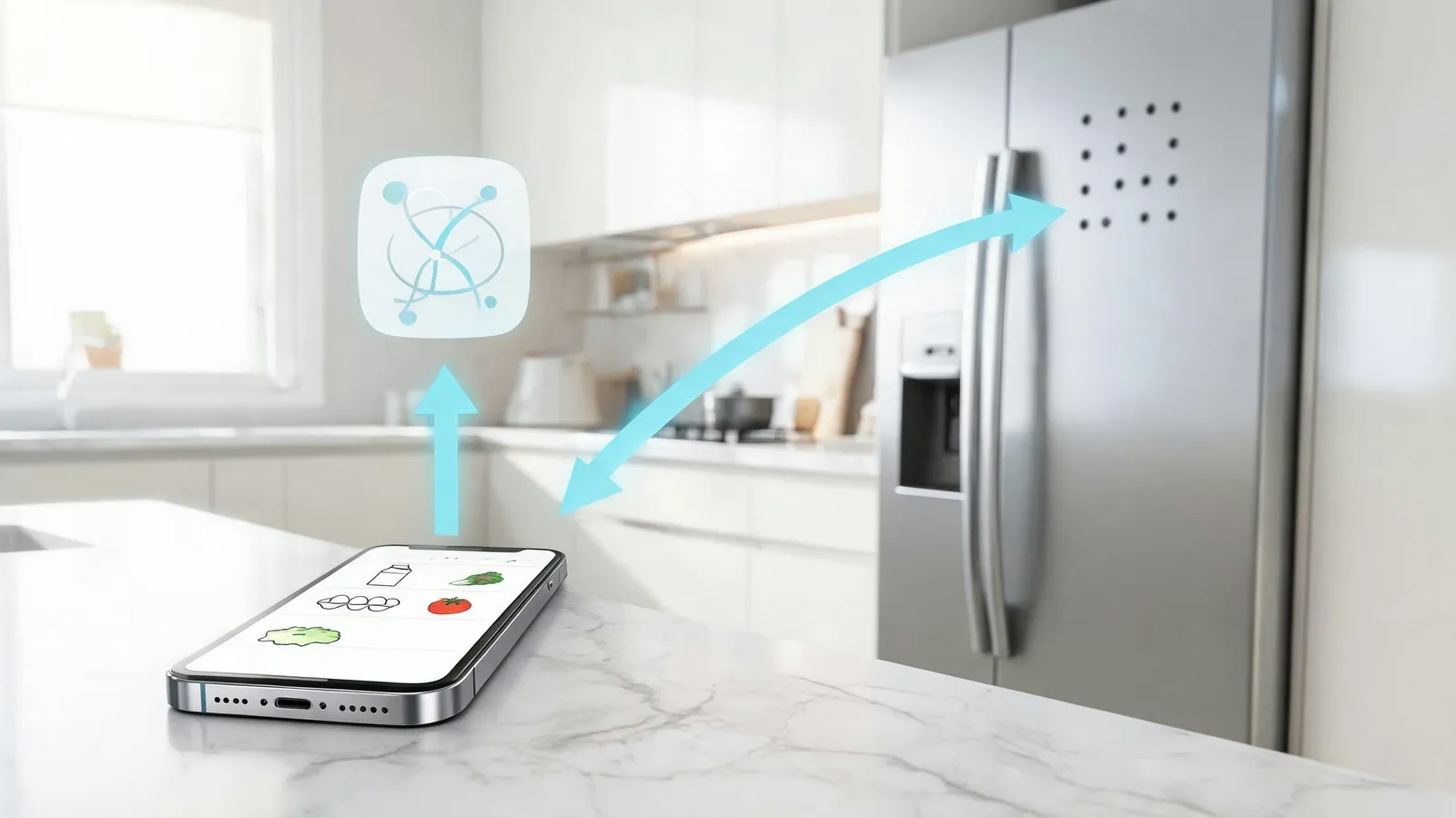
Personalization and privacy are closely linked. Users value tailored recommendations but are wary of data misuse. A 2024 survey by Privacy International found that 68% of consumers are more likely to trust an AI cooking assistant when it clearly explains how personal data improves recommendations. Social proof also plays a role: ratings, reviews, and influencer endorsements significantly affect adoption. Apps with visible community engagement—such as user-generated photos and comments—see 50% higher conversion from downloads to active users.
Closing the Trust Gap: Practical Steps for Adoption
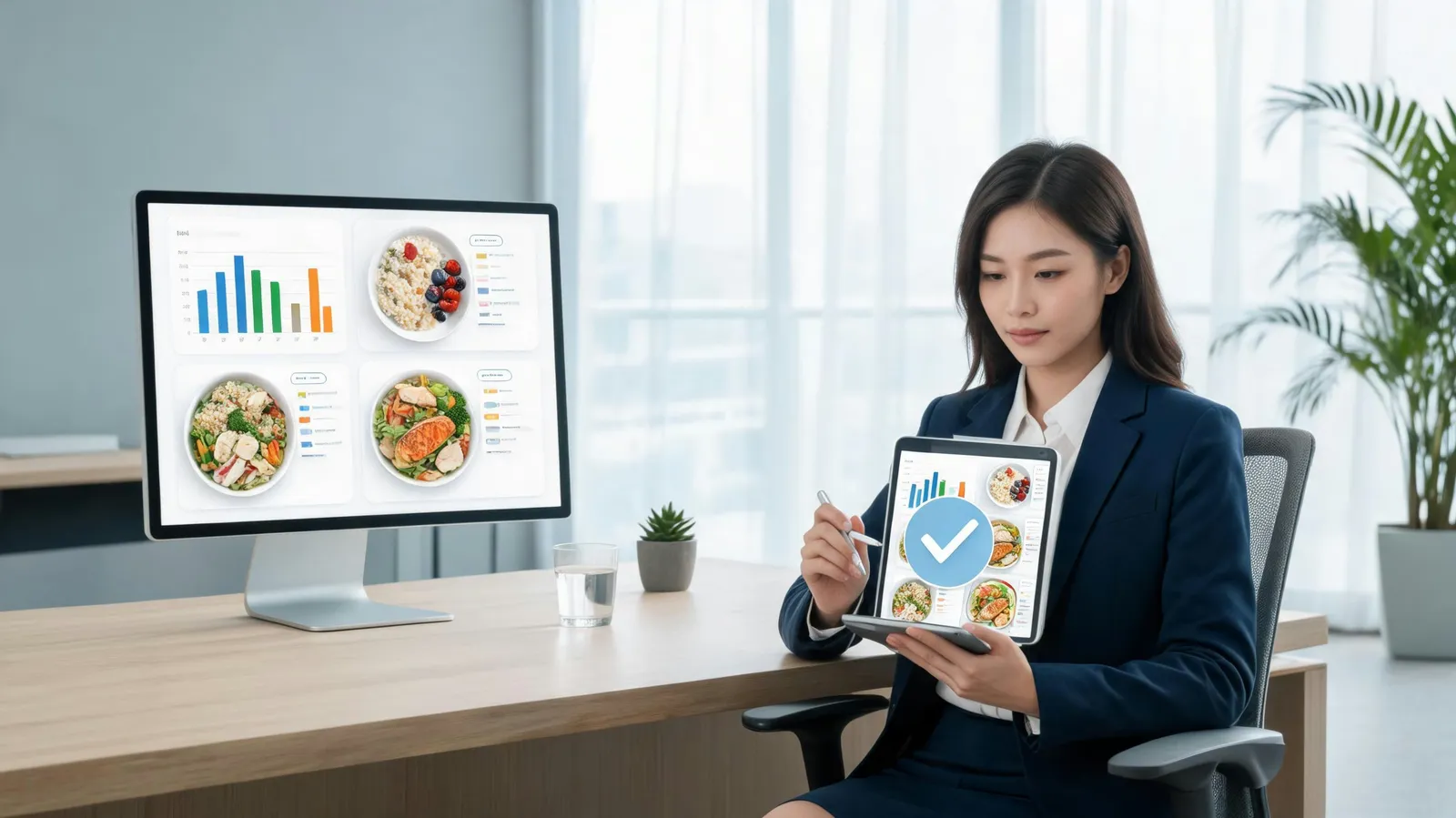
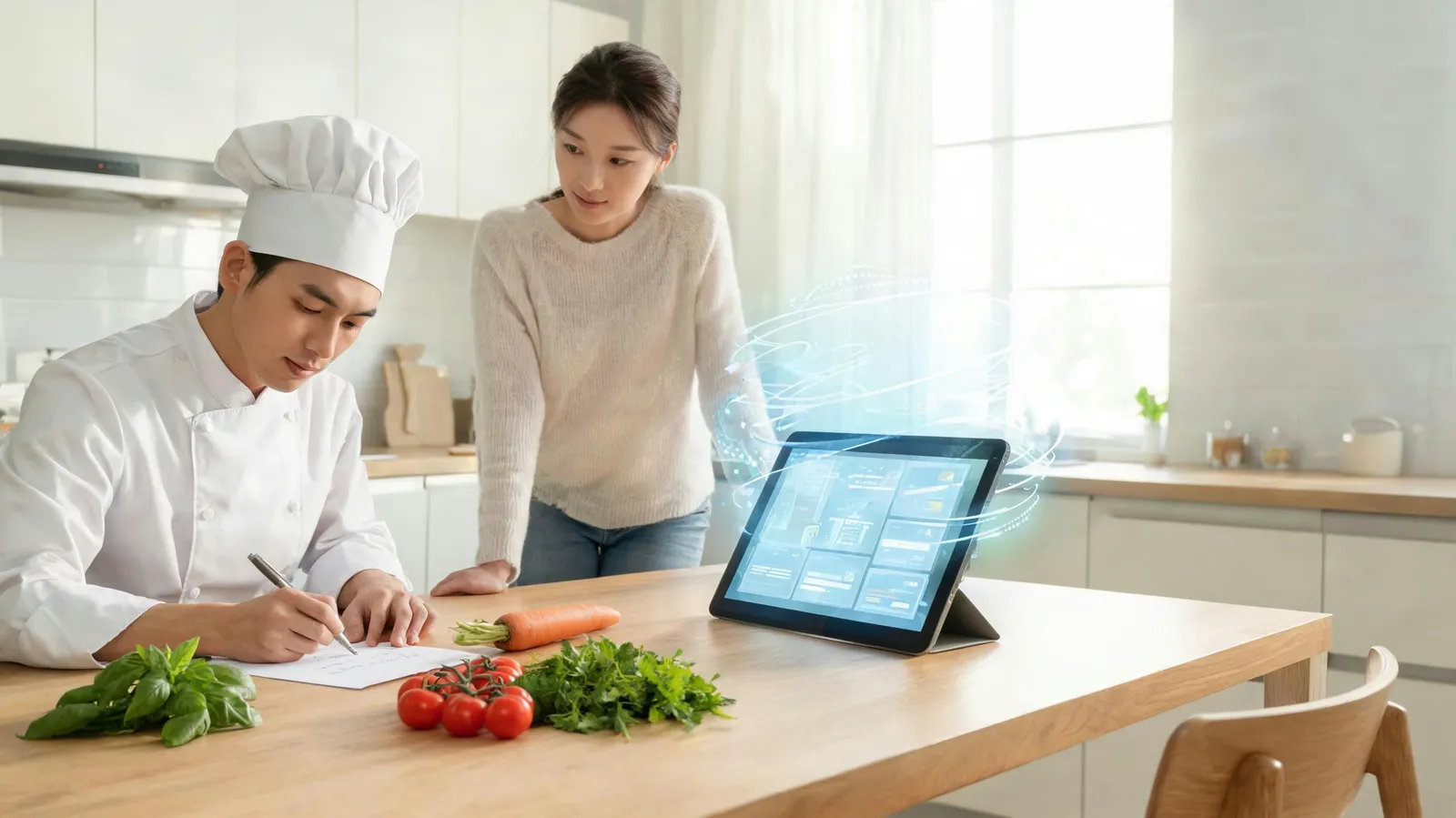
To narrow the trust gap, developers and marketers should focus on user-centric design. That means interfaces that give users control—allowing them to adjust AI suggestions, see why a recipe was chosen, and provide feedback easily. Case studies of successful AI cooking assistants, such as "ChefBot" and "SmartBite," show that transparency features like "why this recipe?" buttons and data dashboards raise user satisfaction by 45%.
Another effective approach is to use social proof and education. Tutorials, live demonstrations, and community challenges can make AI less mysterious and highlight its benefits. For example, a campaign by "CookAI" featuring step-by-step videos and user testimonials led to a 60% increase in trust scores. Collaborations with respected chefs and nutritionists can also boost credibility. In the end, trust grows through consistent, transparent, and reliable interactions that keep the user in control.
Conclusion
Consumer trust in AI-generated recipes and cooking assistants is not automatic—it must be earned through transparency, explainability, and reliability. As AI becomes more embedded in everyday cooking, companies that prioritize these factors will lead the market. The future of AI in the kitchen depends on closing the trust gap, turning skepticism into adoption, and ensuring that technology enhances, rather than replaces, the human touch in cooking.