Fusion Cooking and Flavor Pairing, Guided by Algorithms
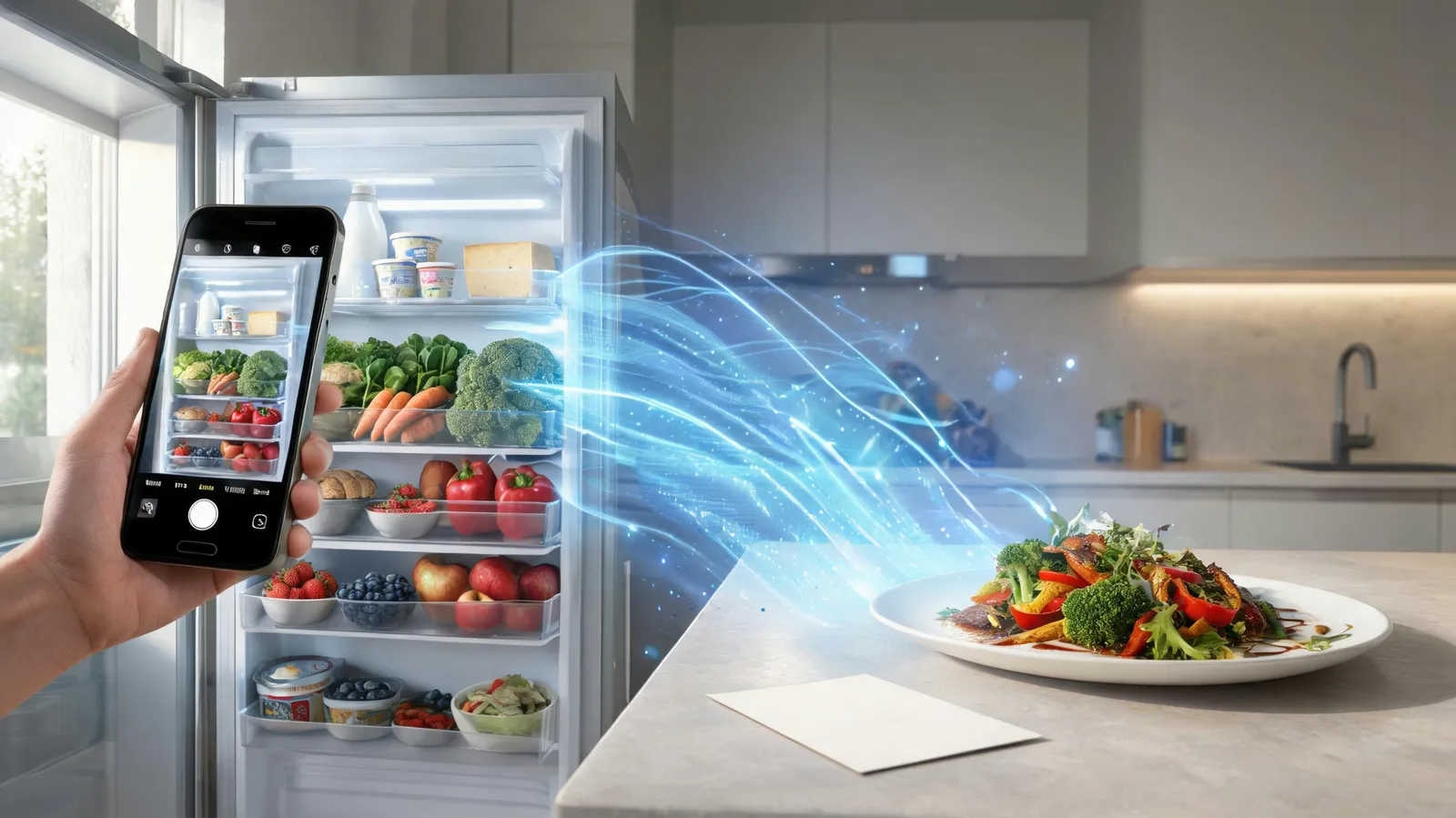
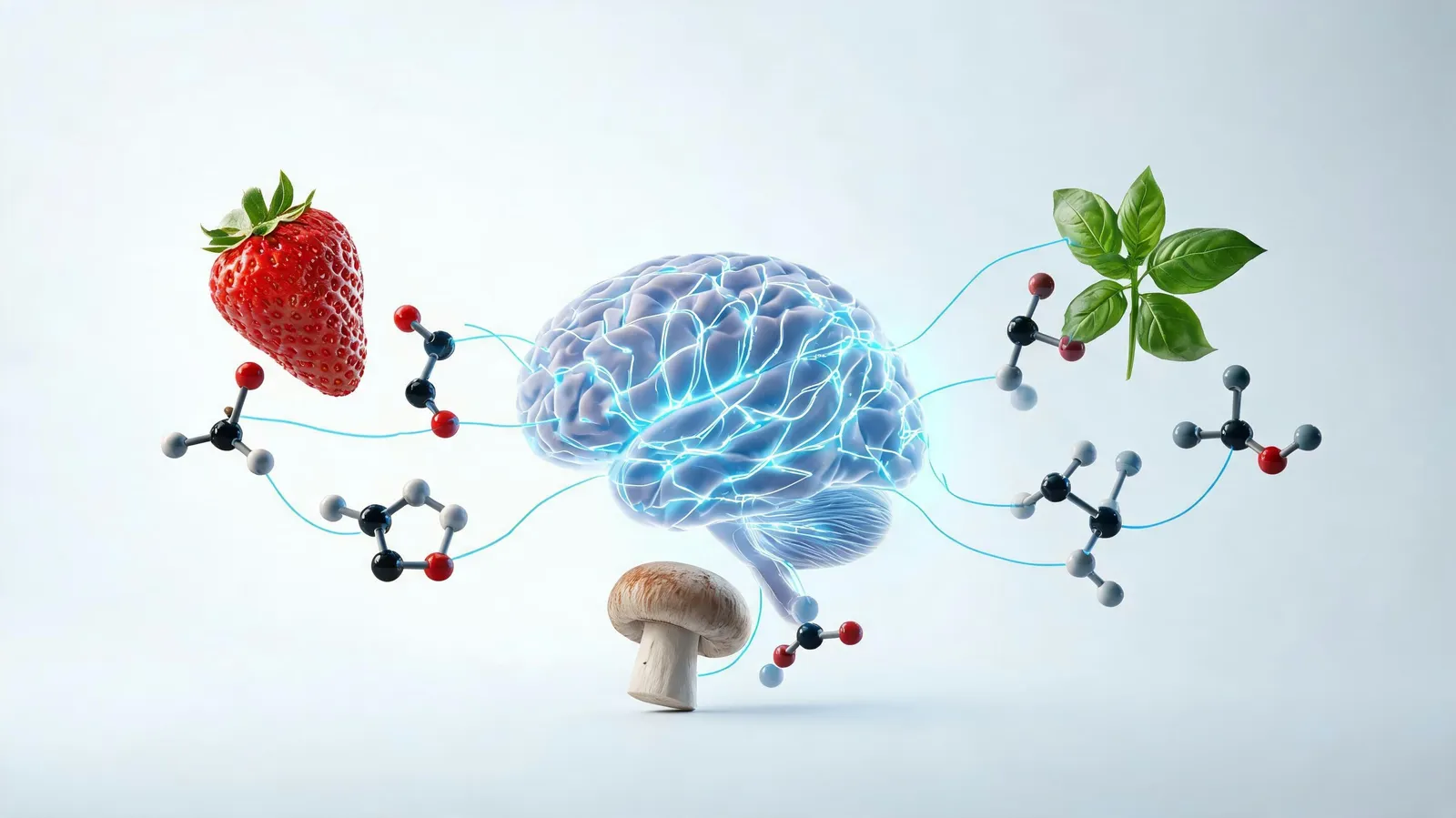
Chefs are increasingly turning to artificial intelligence to explore flavor combinations at a molecular level that would be impractical to map by hand. By comparing the volatile compounds that different ingredients share, these systems can flag matches that a human might never think to test. One illustration: an AI recommendation to combine strawberries with mushrooms, based on overlapping aromatic molecules, produced dishes that diners found both unexpected and enjoyable. Because this approach cuts down on guesswork in research and development kitchens, teams can move from idea to plate with less trial and error and more confidence.
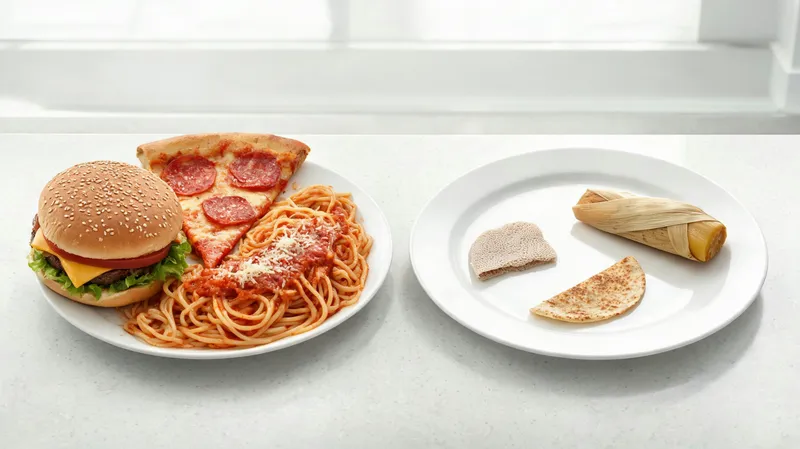
A number of restaurants are already putting AI to work on signature fusion menus. In New York, a Michelin-starred chef worked with an AI platform on a menu merging Korean and Mexican influences, yielding items such as gochujang-marinated tacos with kimchi salsa. Guests responded warmly, with novelty scores averaging 4.5 out of 5. Such examples suggest AI functions as a creative spark as much as a tool, opening culinary territory chefs have not yet explored.
Co-Creation Between Chefs and Machines in Professional Kitchens
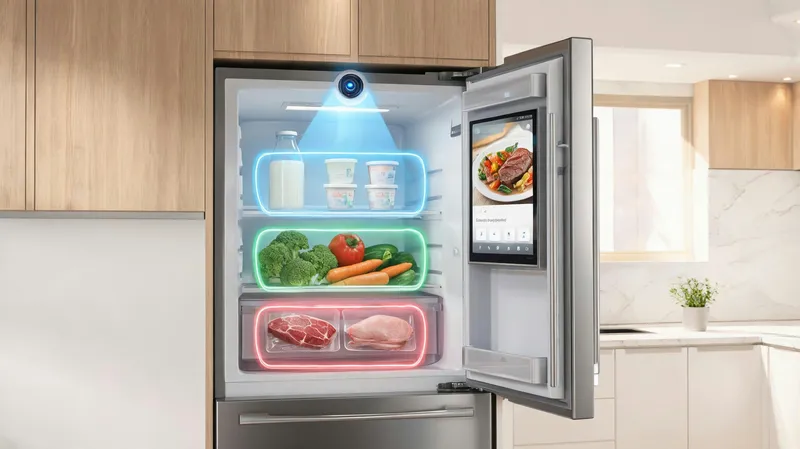
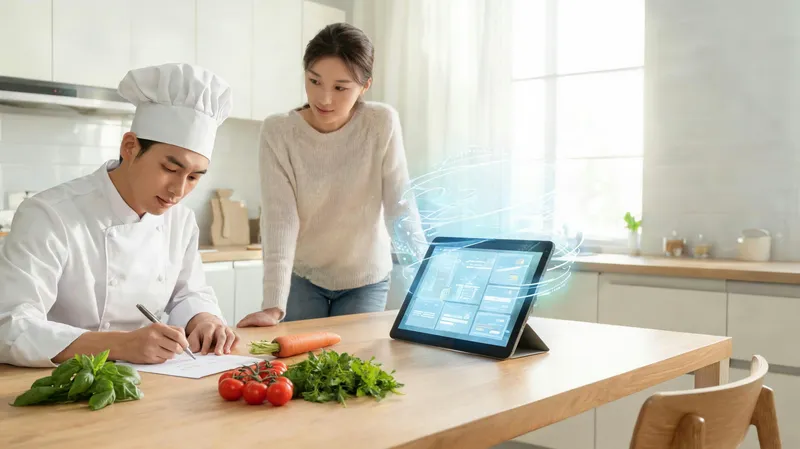
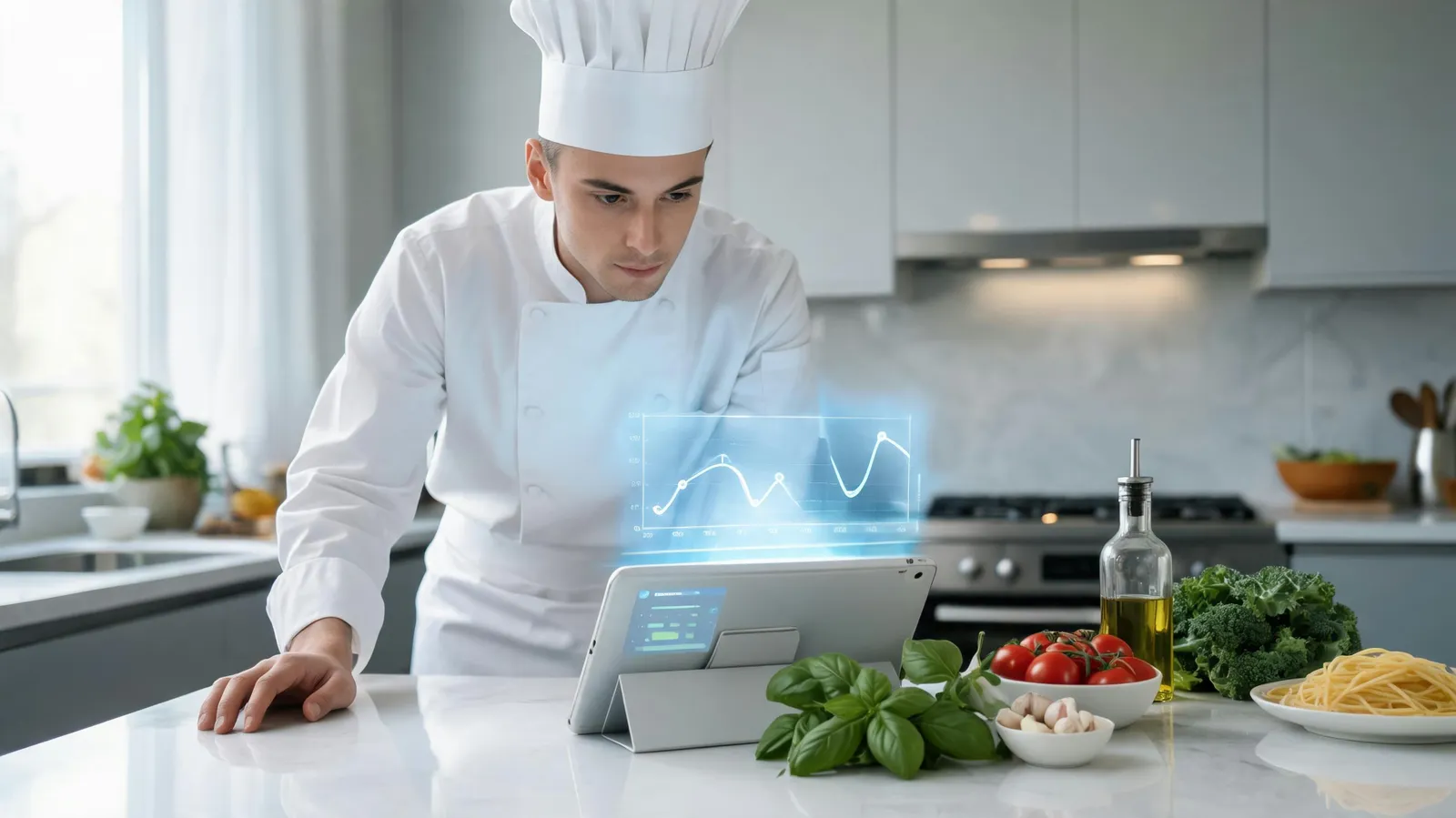
In the demanding atmosphere of professional kitchens, AI is taking on a role akin to a trusted sous-chef. Tools powered by AI can draft recipes, propose ingredient substitutions, and even offer plating suggestions as service unfolds. At one busy Chicago restaurant, an AI application helped cut food waste by 30% by proposing creative ways to use leftover ingredients. According to chefs, these tools reclaim hours of planning time and free them to concentrate on execution and presentation.
The chef's role is shifting from sole author to curator and director of what AI produces. Conversations with chefs point to a change in outlook: many regard AI as a means of extending their creativity rather than as a threat. A survey by the Culinary Institute of America found that 68% of chefs say AI improves their creative process, and 72% report feeling more in control of their menus. The dynamic is one of augmentation rather than replacement—pairing human intuition with machine precision.
Gauging the Originality and Appeal of AI-Designed Dishes
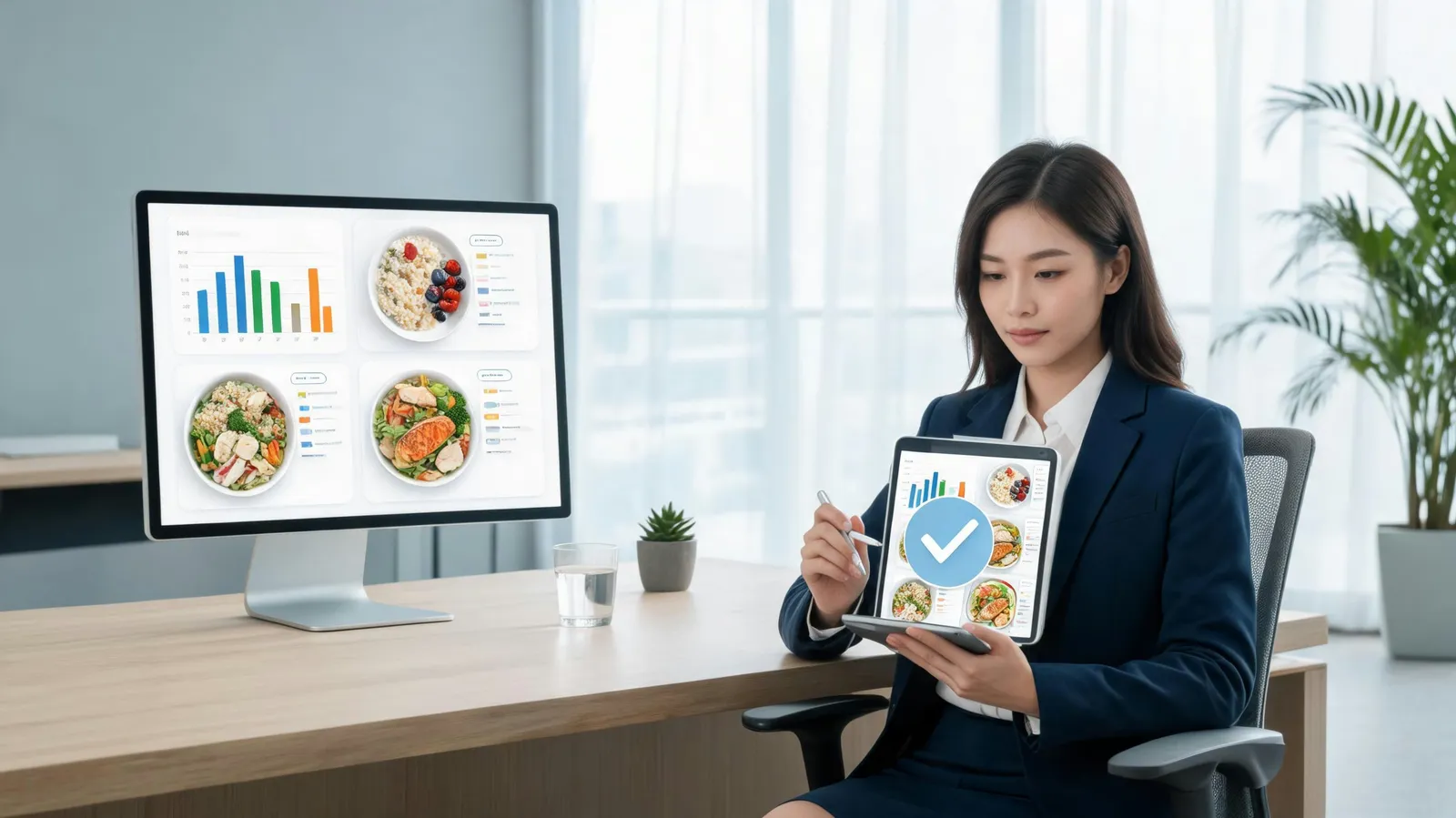
Judging how original an AI-generated dish is calls for new measures. Researchers look at flavor combinations, presentation, and concept when assessing novelty. In a study pitting human-made dishes against AI-generated ones, experts rated the AI creations as equally innovative and more surprising. One AI-designed dish pairing white chocolate with caviar earned a place in a prestigious culinary competition, where judges were struck by its bold flavor profile.
How consumers respond matters just as much. A survey found that 65% of diners would be willing to try dishes created by AI, with younger groups showing greater openness. A pop-up restaurant in San Francisco serving an AI-designed menu recorded a 40% rise in reservations compared with earlier months. Taken together, these signals indicate that AI-generated food is more than a novelty—it is a workable path for culinary innovation.
Conclusion
AI is plainly changing how culinary creativity works. It supports fusion cooking through fresh flavor pairing, encourages chefs and machines to create side by side, and offers new ways to assess originality—all of which stretch the boundaries of gastronomy. Looking ahead, the prospect of AI learning an individual's taste preferences and producing hyper-personalized dishes is considerable. At the same time, questions about AI authorship and the nature of culinary art still need attention. In the end, AI does not take the chef's place; it gives chefs means to reach further in creativity and innovation.