Ownership Questions: Copyright and AI-Created Recipes
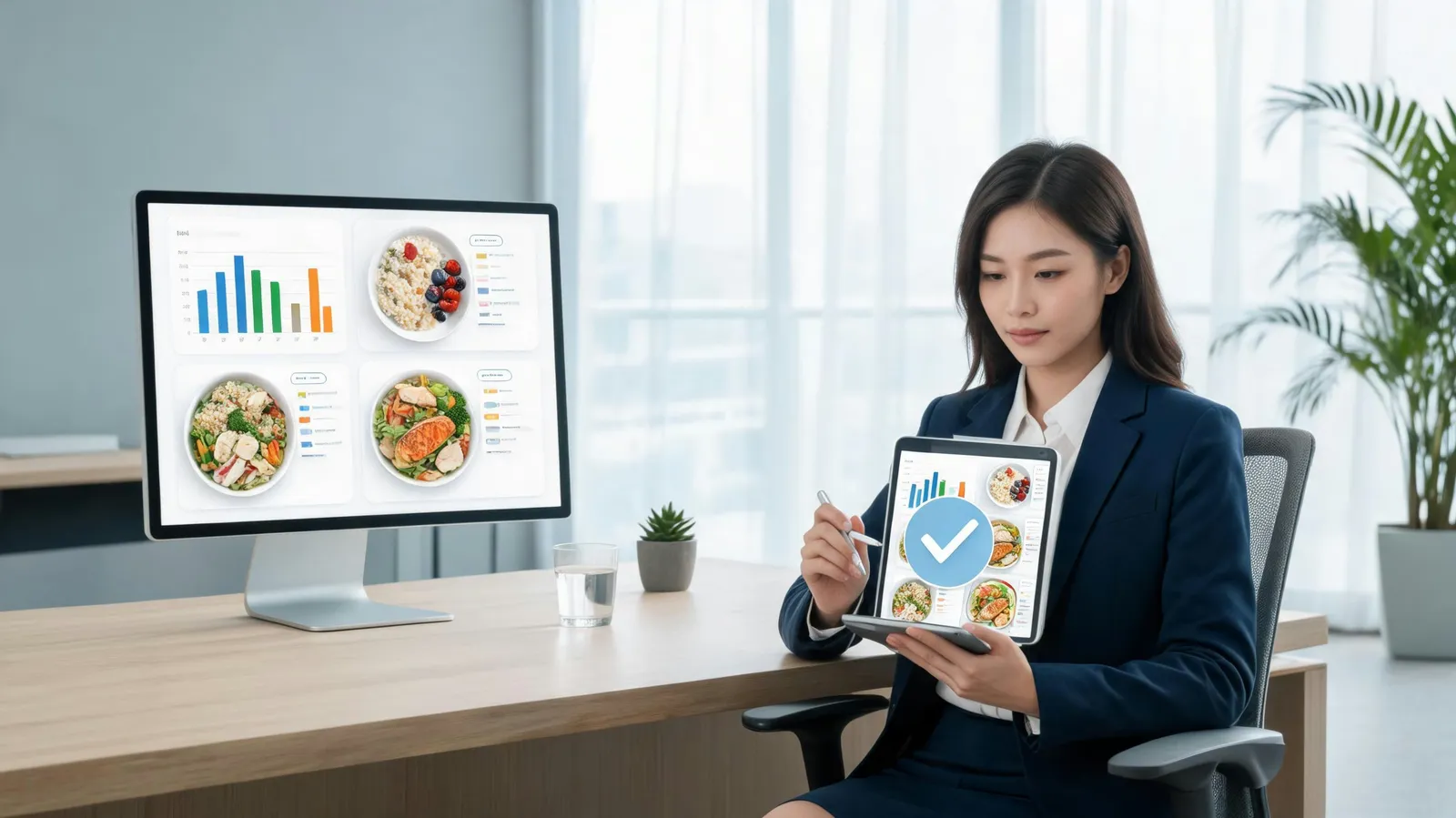
The surge in recipes produced by artificial intelligence has exposed gaps in existing law. In the United States and many other jurisdictions, copyright protection hinges on human authorship. The U.S. Copyright Office has repeatedly concluded that material generated solely by machines, without human intervention, cannot be copyrighted. As a result, AI-generated recipes sit in an uncertain zone: no one may own them, or ownership could turn on how much human input shaped the output.
Recipes have long occupied a peculiar place in copyright. A bare list of ingredients is generally not protected. What can be protected is creative expression—detailed directions, descriptive prose, or distinctive presentation. AI complicates this distinction because it can generate both the ingredient list and the expressive elements, often in a style that resembles human creativity. If an AI produces a recipe with a memorable narrative or lyrical instructions, a question arises: does that expression qualify for protection?
Scholars and industry specialists are floating possible fixes. One camp favors a new intellectual property right tailored to AI-generated works. Another proposes contractual arrangements in which AI developers and users agree on ownership. The European Union’s AI Act has moved forward, but its focus is safety and transparency rather than ownership. In the U.S., the Copyright Office has begun an initiative on AI authorship, though concrete rules have not yet been issued.
For food bloggers, restaurants, and meal-kit companies, this ambiguity is a commercial hazard. Without clear ownership, they cannot confidently invest in AI-generated recipes or stop rivals from using them. Some firms already insert clauses into their terms of service claiming ownership of AI outputs, but whether such clauses can be enforced remains untested.
Health Harms from AI Recipes: Who Is Accountable?

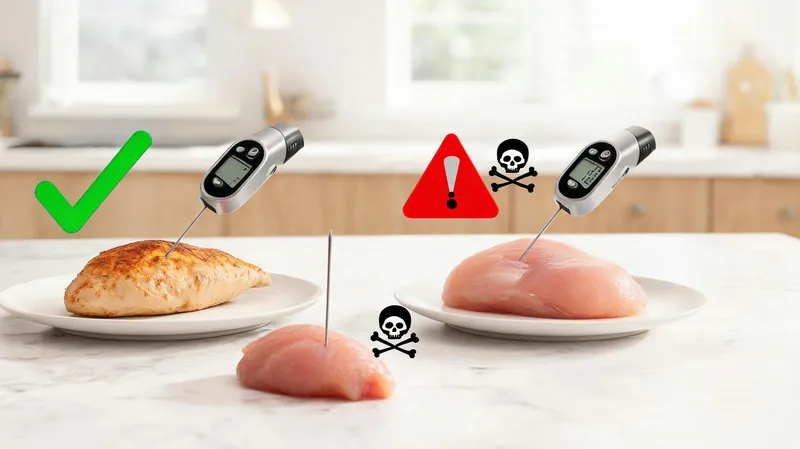
If an AI-generated recipe triggers an allergic reaction, food poisoning, or another health problem, who bears responsibility? The question grows more pressing as AI systems produce recipes without human review. AI can invent hazardous ingredient combinations—for example, suggesting a dangerous amount of nutmeg or mixing ingredients that create toxins—or overlook common allergens such as peanuts, shellfish, or gluten. A 2023 study found that widely used AI models often lack basic food safety knowledge, recommending unsafe cooking temperatures or disregarding cross-contamination risks.
Liability could attach to several parties. An AI developer might face product liability if the algorithm is found defective. A platform hosting the recipe—a website or app, for instance—could be liable for failing to warn users. The person who follows the recipe might share some responsibility, particularly if they disregarded obvious warnings. Still, terms-of-service disclaimers that seek to absolve platforms of all liability may not survive in court, especially where the harm was foreseeable.
Regulatory gaps are conspicuous. The FDA and USDA have not issued guidance specific to AI-generated food content. The FDA oversees food safety but does not currently review recipes. The USDA’s Food Safety and Inspection Service concentrates on meat and poultry, not recipe generation. Some experts urge mandatory labeling of AI-generated recipes and safety certifications. Others support a co-regulatory model in which industry sets standards and government provides oversight.
Ethical Guardrails for Generative Food AI: Trust and Fairness
Legal questions are only part of the picture; ethical concerns are equally serious. Transparency is essential: users should be told when a recipe comes from AI and what data trained the system. Yet many AI recipes are presented as human creations, which misleads consumers. The absence of disclosure undermines trust and can be deceptive. Some food media outlets have started labeling AI content, but practices vary.
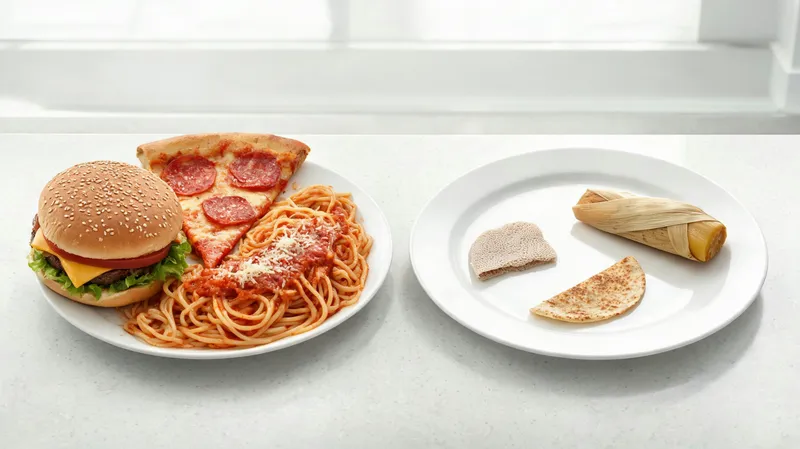
Bias is another major problem. AI models trained on skewed data can perpetuate cultural biases or encourage unhealthy eating patterns. An AI might, for instance, favor Western cuisines over others, or suggest high-sugar, high-fat recipes because those are popular in its training data. Research has shown that AI-generated recipes often lack diversity and may reinforce stereotypes. This is not only a fairness issue; if AI promotes unbalanced diets, there can be real health consequences.
Cultural sensitivity matters. AI should honor traditional food knowledge and avoid appropriation. An AI might generate a recipe for a sacred dish without grasping its cultural significance, causing offense. Culinary organizations and indigenous groups are calling for guidelines that bring diverse voices into AI training and ensure that AI-generated recipes do not exploit cultural heritage.
To earn trust, developers should emphasize transparency, fairness, and inclusivity. That means disclosing AI involvement, auditing training data for bias, and working with cultural experts. Some efforts, such as the AI Food Ethics Consortium, are drafting voluntary standards, but wider adoption is needed.
Conclusion
The growth of AI-generated recipes creates a tangled set of legal and ethical problems. Copyright law needs to adapt so that ownership is clear, liability frameworks need to protect consumers, and ethical guidelines need to secure fairness and transparency. Proactive regulation and cooperation among lawmakers, AI developers, and food professionals are necessary to use AI responsibly. Addressing these issues now can support innovation that is safe, equitable, and respectful of culinary traditions.