Introduction
Picture a kitchen that is aware of your health targets, the flavors you enjoy, and the food heritage your family carries. Artificial intelligence is turning that picture into something tangible. In the United States, where the frequency of home cooking has fallen sharply over recent decades, AI is being positioned as a possible way to bring culinary skills back and improve how people eat. Yet its effects go further than convenience: AI is changing how cooking is taught, how recipes are handed down, and how nutrition is understood. This article examines those effects across skill building, cultural preservation, and health.
AI and the Future of Home Cooking Skills
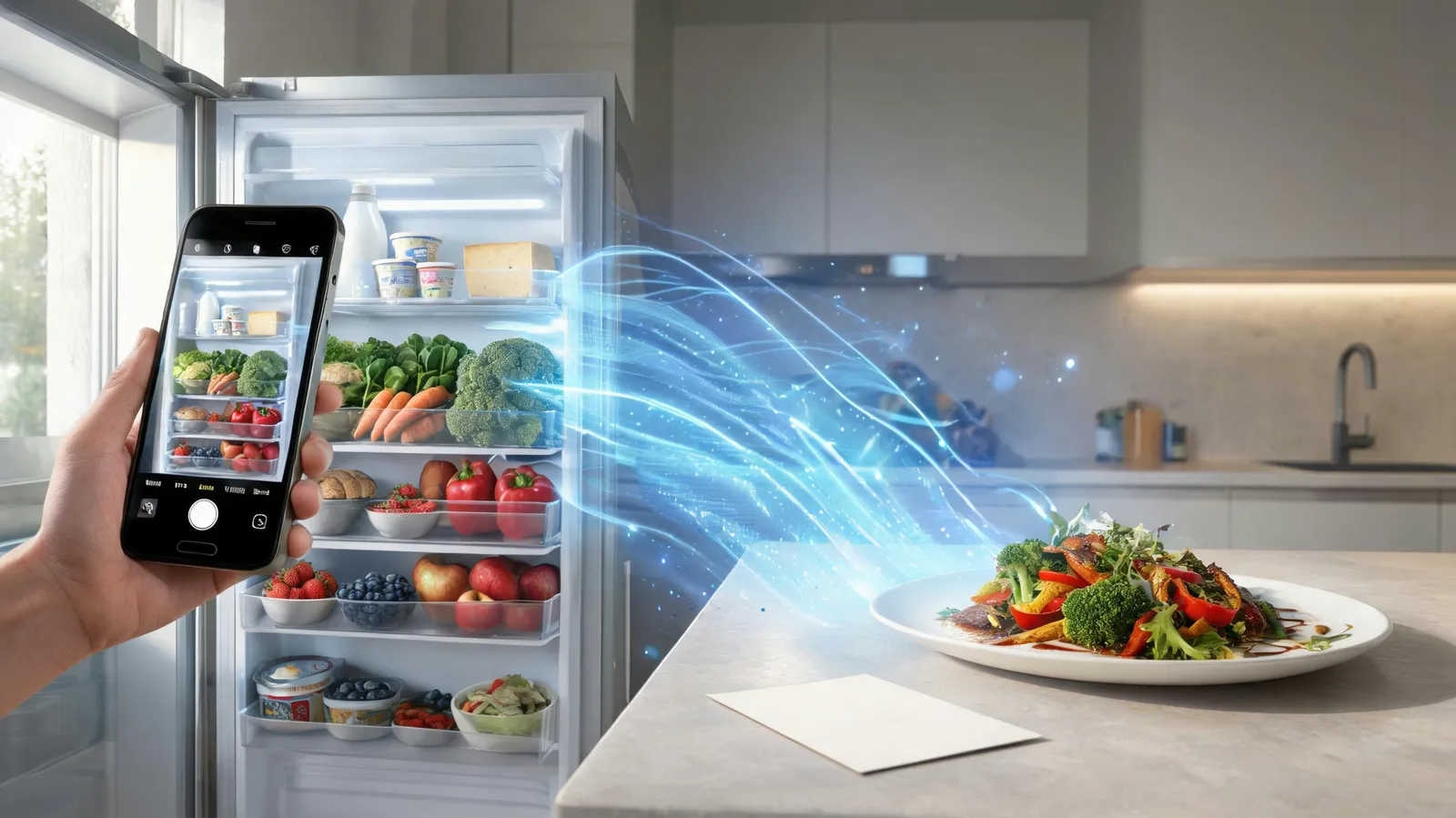
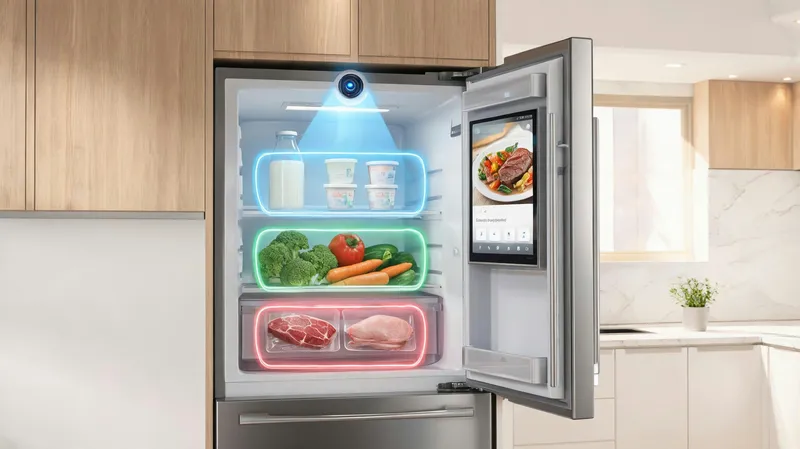
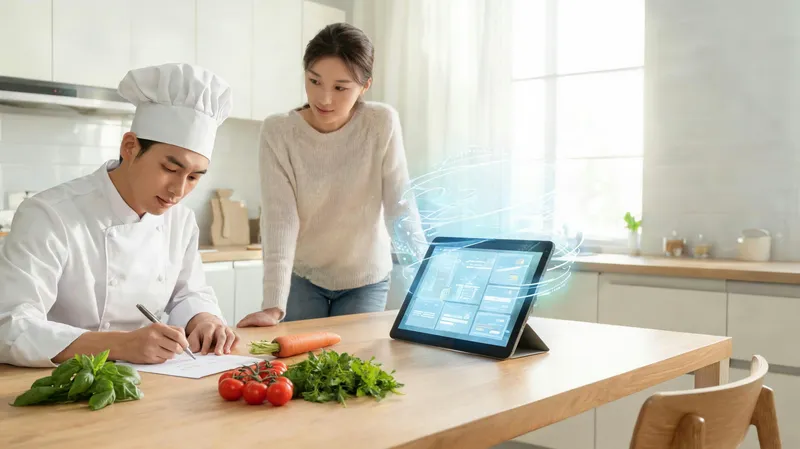
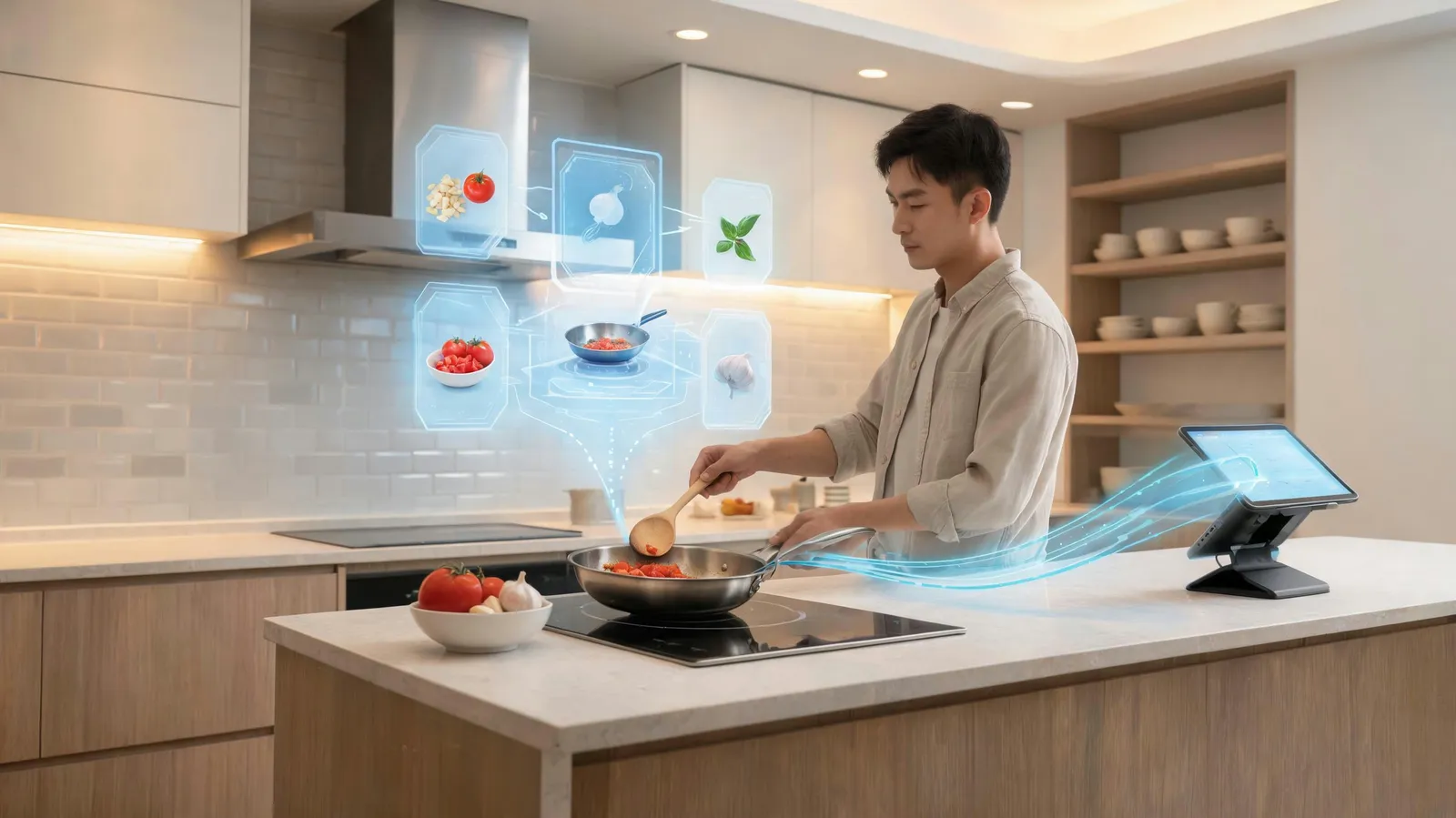
AI cooking assistants and apps are filling a gap created by the erosion of home cooking skills. They walk users through recipes step by step, adjust to different skill levels, and can even propose ingredient swaps. Beginners get a supportive setting in which to learn; more experienced cooks can use the tools to explore unfamiliar techniques and cuisines.
A 2023 survey by the American Culinary Federation found that only 30% of Americans cooked at home five or more times per week, compared with 50% in 2000. Apps such as Yummly and Whisk draw on machine learning to suggest recipes according to dietary requirements and the ingredients on hand, in effect teaching users to prepare balanced meals. Research from Stanford University indicates that AI-assisted learning can raise skill retention by 25% relative to traditional methods, because it delivers real-time feedback and adjusts pace to the individual.
Still, questions remain about whether AI replaces or strengthens human intuition. AI can take over routine tasks, but experts contend that it should sit alongside the hands-on, sensory side of cooking rather than take its place. Used as a source of instruction and inspiration, it can leave the pleasure of cooking by hand intact.
Impact on Food Culture and Family Traditions
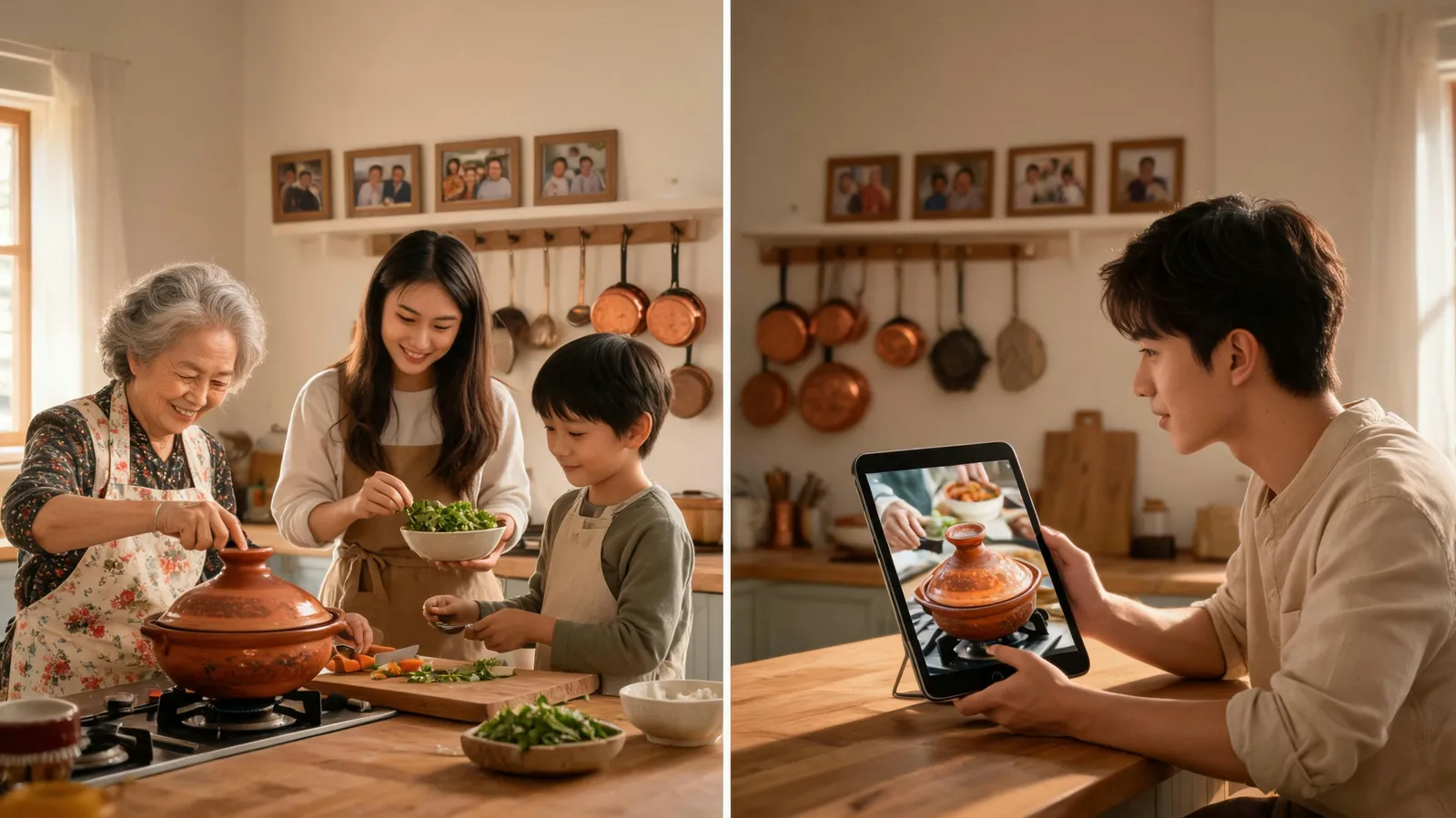
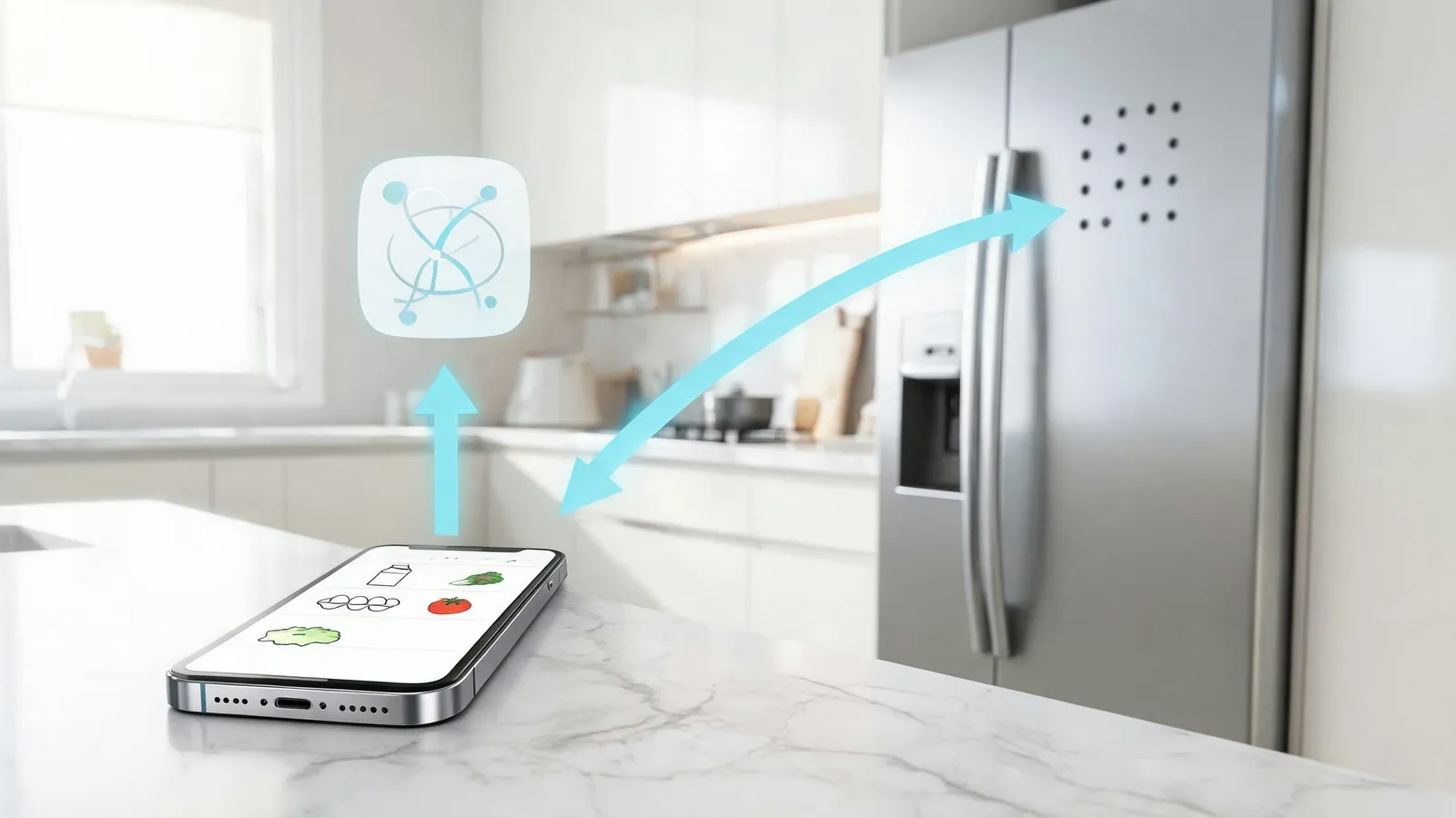
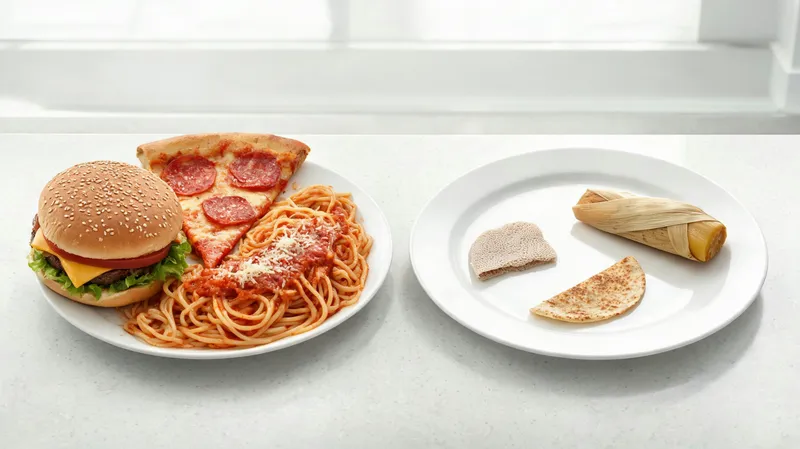
AI's reach goes past individual skill and into food culture and family traditions. In one direction, AI platforms are digitizing family recipes so they can be kept and passed between generations. The app 'Family Recipe Box', for instance, uses AI to transcribe handwritten recipes and adjust them for contemporary kitchens, which helps immigrant families hold on to their culinary heritage.
In another direction, meal planning driven by AI can push eating toward greater individualization, with the possible effect of reducing meals shared by the whole family. Sociological research from the University of Minnesota finds that families who cook together report stronger bonds and better communication. If AI nudges people toward separate, personalized meals, it could unintentionally weaken those connections. Some AI tools, however, are built to encourage togetherness—for example, by proposing group cooking activities and by accommodating several dietary preferences within a single meal.
Case studies point to mixed results. In a pilot program in Chicago, families using an AI meal planner reported eating together more often, because the app made coordination simpler. In another study, participants said that relying on AI cut down on spontaneous cooking and cultural storytelling. The task is to use AI in ways that support cultural and familial food practices rather than displace them.
Long-Term Health Outcomes of AI-Guided Diets
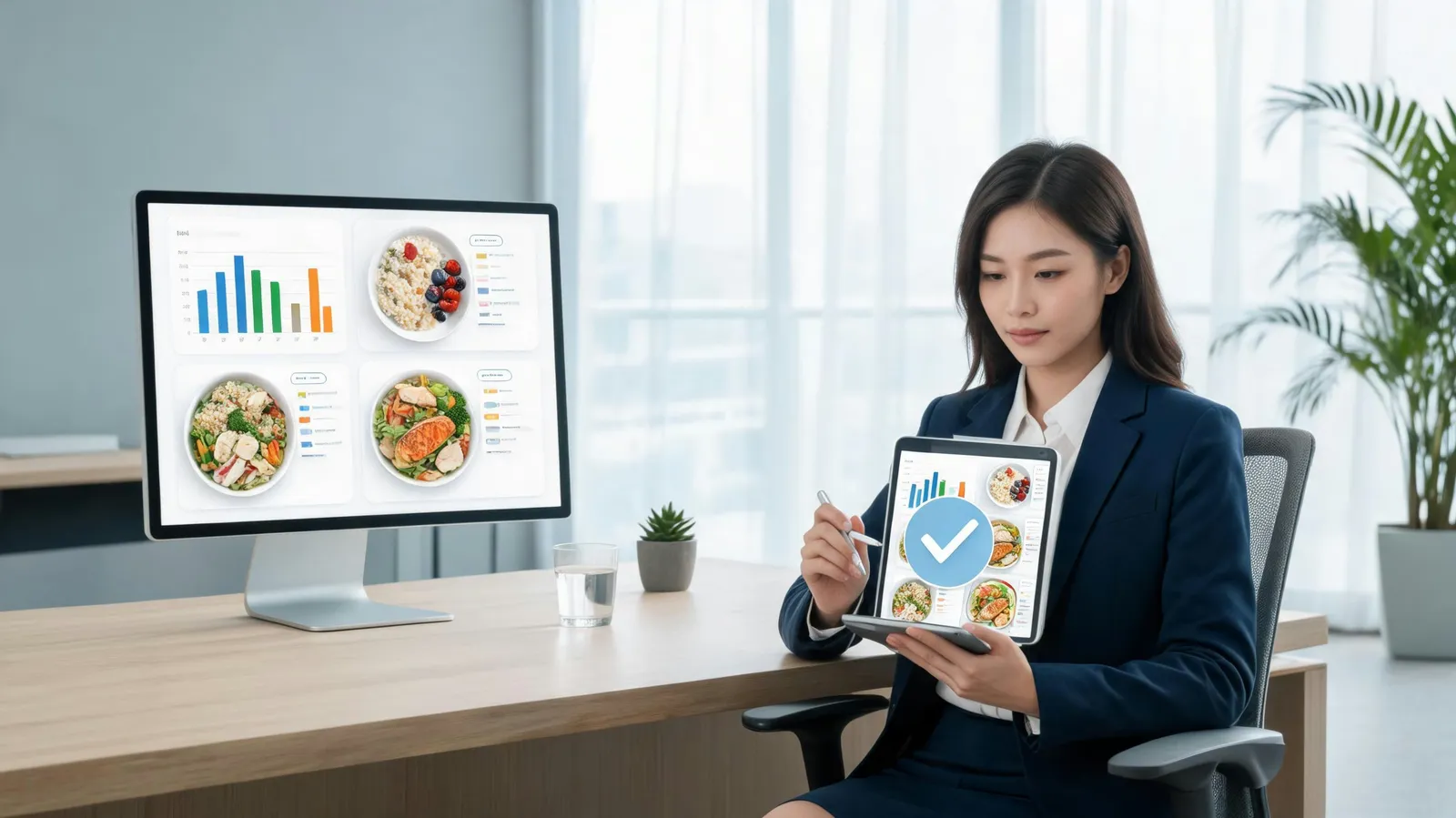
AI's capacity to improve long-term health outcomes is substantial. Personalized nutrition apps examine data from wearables and health records to recommend diets that help manage chronic conditions such as diabetes and heart disease. A 2024 clinical trial at Johns Hopkins University found that participants on an AI-guided diet lowered their HbA1c levels by 1.5% on average, versus 0.8% in the control group.
AI can also play a part in obesity prevention by suggesting portion sizes and nutrient-dense recipes. The CDC reports that obesity affects 42% of US adults, and AI-driven interventions could offer a solution that scales. Risks remain, however: data privacy is a central concern, since health apps often gather sensitive information. A 2023 report by the FTC highlighted that 60% of health apps share data with third parties without explicit consent.
Another risk is that over-reliance on AI may leave nutritional gaps if algorithms fail to account for cultural food preferences or micronutrients. Experts caution that AI should supplement, not replace, professional dietary advice. Transparency and user control over data are essential for building trust and maximizing benefits.
Conclusion
There is no doubt that AI is reshaping home cooking, from skill development to cultural transmission and health management. It offers tools to revive cooking skills and personalize nutrition, but it also carries risks for family traditions and data privacy. The way forward lies in balanced integration—deploying technology to enhance human creativity and connection rather than replace them. Policymakers, developers, and users need to work together to ensure equitable access and cultural sensitivity. Going forward, the AI kitchen should be a place where innovation and heritage coexist, nourishing both body and soul.